The Ultimate Homemade Tiramisu: A No-Bake Italian Masterpiece
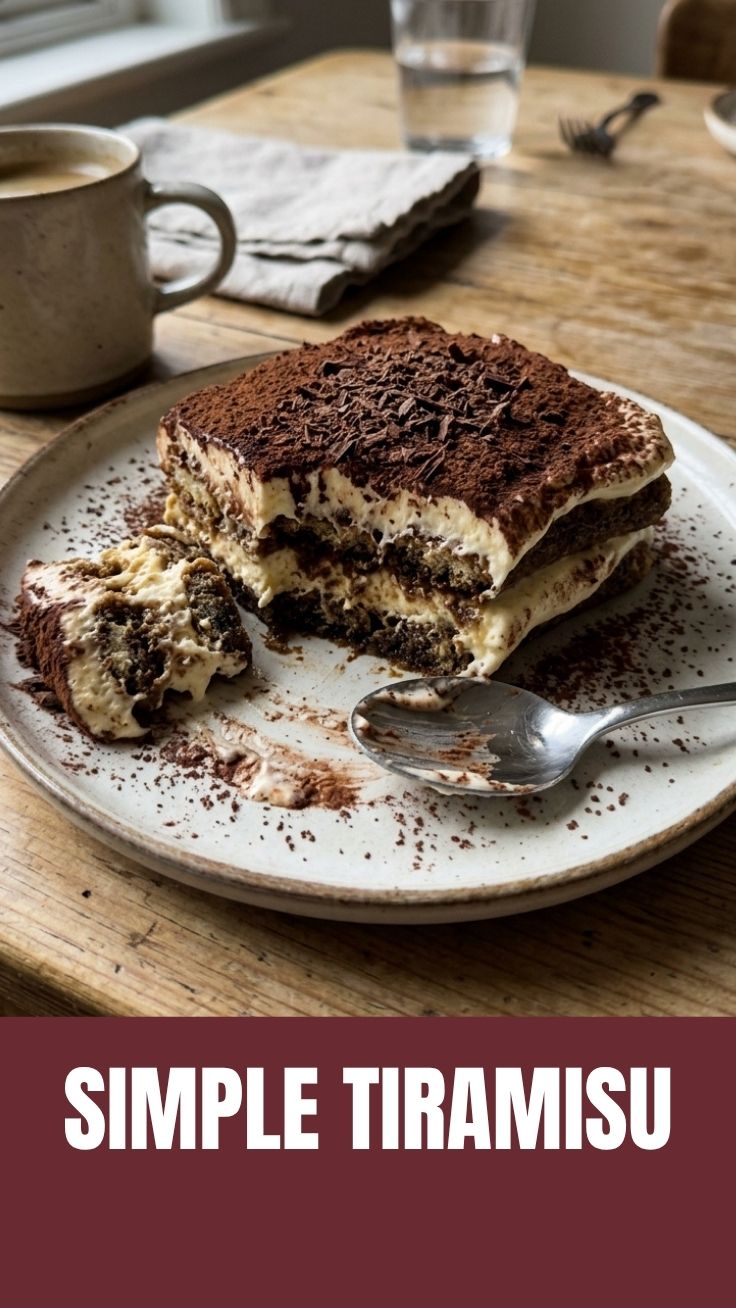
Have you ever wondered if you can recreate the silky, coffee-kissed perfection of a classic Tiramisu in your own kitchen? This iconic Italian dessert often feels like a restaurant-only indulgence, but mastering a proper Tiramisu recipe is simpler than you think and incredibly rewarding. By preparing it at home, you gain complete control over ingredient quality, sweetness levels, and portion sizes—all while impressing your guests with a dessert that tastes like it was flown in from a Venetian café.
Ingredients & Kitchen Tools
Essential Ingredients
| Ingredient | Quantity | Notes & Substitutions |
|————|———-|———————–|
| Mascarpone cheese | 500g (2¼ cups) | Full-fat is non-negotiable for creaminess; no substitute |
| Egg yolks | 6 large | Pasture-raised for richer color; pasteurized eggs if serving pregnant/elderly |
| Sugar | 100g (½ cup) | Superfine (caster) dissolves faster; coconut sugar for deeper caramel notes |
| Savoiardi (ladyfingers) | 300g (about 36) | Italian-style with sugar crystals; gluten-free versions available |
| Espresso | 400ml (1¾ cups) | Brewed strong and cooled; decaf works, avoid American-style coffee |
| Dark rum or Marsala wine | 60ml (¼ cup) | Brandy or Kahlúa for non-traditional; skip for alcohol-free version |
| Unsweetened cocoa powder | 3-4 tbsp | Dutch-process for deeper flavor; sift before use |
Kitchen Tools
– Large mixing bowls (stainless steel or glass; avoid plastic)
– Electric hand mixer or stand mixer with whisk attachment
– Deep 9×13-inch dish or trifle bowl
– Mesh sieve or fine-mesh strainer
– Rubber spatula
– Piping bag (optional) or zip-top bag with corner snipped
Prep Time & Cooking Schedule
– Active prep time: 25–30 minutes (egg separation, whisking, assembly)
– Chill time (first phase): 6–8 hours (or overnight—this is non-negotiable for structure)
– Total time from start to serve: 7–9 hours
Why the wait matters: Tiramisu is a no-bake dessert that relies on time for the ladyfingers to absorb the espresso-mascarpone mixture without turning mushy. A 6-hour minimum chill allows the flavors to marry and the custard to set. For best texture, prepare it the evening before you plan to serve.
Step-by-Step Instructions
1. Prepare the Coffee Base
Brew 400ml of espresso (or very strong coffee from a Moka pot). Let it cool completely to room temperature—hot coffee will cook the egg yolks when dipped, creating a scrambled texture. Stir in the rum or Marsala if using.
2. Make the Mascarpone Cream
In a large bowl, beat 6 egg yolks with 100g sugar using an electric mixer on medium-high speed for 4–5 minutes, until thick, pale, and ribbon-like (the batter should fall in a continuous ribbon when you lift the beaters). Temperature cue: If the bowl feels cool to the touch, run your hands under warm water before holding it—you want the yolks slightly warm for maximum volume.
Add 500g mascarpone in three batches, folding gently with a spatula after each addition until just combined. Overmixing will thin the cream. The final texture should be soft, spreadable, and smooth.
3. Whip the Egg Whites (Optional but Recommended)
In a clean, dry bowl, beat the 6 egg whites with a pinch of salt until stiff peaks form. This step adds airiness and is the secret to a truly light Tiramisu. Gently fold one-third of the whites into the mascarpone mixture to lighten it, then fold in the rest using a figure-eight motion.
> Pro tip for the Tiramisu recipe: If you skip the whites, you’ll have a denser, pudding-like texture. Either way works, but whipped whites elevate the dessert.
4. Dip and Layer
Quickly dip each ladyfinger into the cooled espresso for 2 seconds per side—any longer and they’ll become soggy. Arrange a single layer in the bottom of your dish, breaking cookies to fill gaps.
Spread half the mascarpone cream evenly over the ladyfingers. Repeat with a second layer of dipped ladyfingers, then the remaining cream.
5. Finish and Chill
Sift a generous layer of cocoa powder over the top. Cover with plastic wrap (ensuring plastic doesn’t touch the surface) and refrigerate for at least 6 hours—preferably 12–24.
Nutritional Benefits & Advantages
| Nutrient | Per Serving (1/12 recipe) | Benefit |
|———-|————————–|———|
| Protein | 8g | Mascarpone and eggs provide quality protein for satiety |
| Calcium | 120mg (12% RDA) | Two servings from dairy supports bone health |
| Vitamin A | 15% RDA | From egg yolks and cream; important for vision and immunity |
| Caffeine | ~60mg | Moderate amount from espresso improves alertness without jitters |
While Tiramisu is an indulgence (about 380–420 calories per serving), it offers more protein and calcium than most cakes. The mascarpone contains conjugated linoleic acid (CLA), linked to reduced inflammation, and espresso provides antioxidants that protect cells from oxidative stress. For a lower-calorie version, substitute Neufchâtel for half the mascarpone and use stevia-based sweetener (though expect a slight texture difference).
Tips, Variations & Cooking Advice
Flavor Twists
– Berry Tiramisu: Replace espresso with crushed raspberries mixed with 2 tbsp sugar; dip ladyfingers briefly in berry “juice.”
– Matcha Tiramisu: Skip coffee; mix 2 tsp matcha powder with 150ml warm milk and a splash of vanilla.
– Chocolate Lover’s Version: Add 50g melted dark chocolate to the mascarpone cream after folding the whites.
Dietary Adaptations
– Gluten-free: Use gluten-free ladyfingers (available at specialty stores) or Savoiardi-style cookies made from rice flour.
– Dairy-free: Replace mascarpone with cashew cream (soaked cashews + lemon juice + coconut cream) plus 3 tbsp coconut oil for richness.
– Egg-free: Use silken tofu (200g blended with 2 tbsp cornstarch and 3 tbsp sugar) as the cream base; ladyfingers still work with coffee dip.
Portion Changes
For individual servings, use 6–8 espresso cups or 4-ounce ramekins—just layer 3 ladyfingers per cup and adjust cream volume accordingly.
Common Mistakes to Avoid
1. Soggy Ladyfingers
Mistake: Dipping for more than 3 seconds, especially with hot coffee.
Solution: Use room-temperature espresso and count exactly 2 seconds per side. For extra insurance, dip only one side rapidly.
2. Grainy or Curdled Cream
Mistake: Adding mascarpone to cold egg yolks or overmixing.
Solution: Bring eggs and mascarpone to room temperature beforehand (30 minutes on the counter). Fold in mascarpone by hand, not mixer, and stop the moment you see no white streaks.
3. Weak Coffee Flavor
Mistake: Using weak drip coffee or skipping the Marsala.
Solution: Make espresso with 2–3 times the normal grounds; the coffee flavor must punch through the rich cream. Do not substitute with instant unless you triple the quantity.
4. Cracked Top Cocoa Layer
Mistake: Sifting cocoa while cream is wet.
Solution: Wait 15 minutes after assembly for the cream to slightly set, then sift cocoa. This prevents the powder from soaking into the cream and looking muddy.
Storage & Meal Prep Tips
| Method | Duration | Instructions |
|——–|———-|————–|
| Refrigerator | Up to 4 days | Keep covered with plastic wrap touching the surface; cocoa may bloom but flavor deepens |
| Freezer | Up to 1 month | Wrap whole dish tightly in 3 layers: plastic wrap, foil, then a freezer bag. Thaw in fridge for 8 hours. Texture becomes icier—serve semi-frozen like semifreddo |
| Reheating | Not recommended | Tiramisu is served cold. If refrigerated for >48 hours, let sit at room temp for 15 minutes to soften slightly |
Meal prep tip: Assemble layers but do not sift cocoa until 2 hours before serving—the top stays pristine. Store the cocoa mixture separately in an airtight jar.
Conclusion
Making your own Tiramisu at home transforms a sometimes-intimidating dessert into a joyful, accessible experience. This no-bake Tiramisu recipe proves that with quality ingredients and a little patience, you can rival any Italian café’s version. The key takeaways are simple: room-temperature ingredients, quick ladyfinger dipping, and an overnight rest. Try this recipe once, and you’ll never reach for a store-bought version again. Share your results in the comments below—I’d love to see your creative twists!
FAQs
1. Can I use cream cheese instead of mascarpone?
Yes, but the texture will be firmer and less silky. Mix equal parts cream cheese with heavy cream (1:1) and whip to soft peaks for a closer approximation.
2. Why did my Tiramisu turn runny after overnight chill?
You likely over-soaked the ladyfingers (solution: reduce dip time) or your mascarpone was low-fat (above 30% fat is ideal). Also ensure egg whites reached stiff peaks—soft peaks won’t stabilize the cream.
3. Is it safe to use raw eggs?
Traditional Tiramisu uses raw yolks. To reduce risk: use pasteurized eggs, or cook the yolk-sugar mixture over a double boiler to 160°F (71°C) for 1 minute, then cool before adding mascarpone. The texture changes slightly (more custard-like) but remains delicious.
4. Can I make Tiramisu without alcohol?
Absolutely—omit the rum or Marsala entirely. For more complexity, add 1 tsp vanilla extract or ½ tsp almond extract to the espresso.
5. Why does my cocoa layer turn dark and bitter after 2 days?
Cocoa absorbs moisture from the cream over time, concentrating its flavor. Mistake: Not re-sifting a fresh layer before serving leftovers. Solution: Before serving on Day 2+, wipe off old cocoa with a paper towel and sift a fresh layer.
Proven way to grow your Tiramisu business in 5 steps Tiramisu
Ingredients
Equipment
Method
- Conduct thorough market research to understand your target audience, competitors, and market trends, identifying key opportunities for your Tiramisu business.
- Ensure the consistent use of high-quality ingredients and refine your Tiramisu recipe to maintain a superior product that delights customers and encourages repeat business.
- Develop and implement a compelling marketing strategy that includes online presence, local partnerships, and engaging promotions to expand your customer base.
- Optimize your operational processes, from production to delivery, to enhance efficiency, reduce costs, and ensure consistent product availability.
- Establish a robust customer feedback loop to gather insights, address concerns, and continuously improve your Tiramisu offerings and overall customer experience.