The Ultimate Guide to Perfect Homemade Biscotti (Italian Almond)
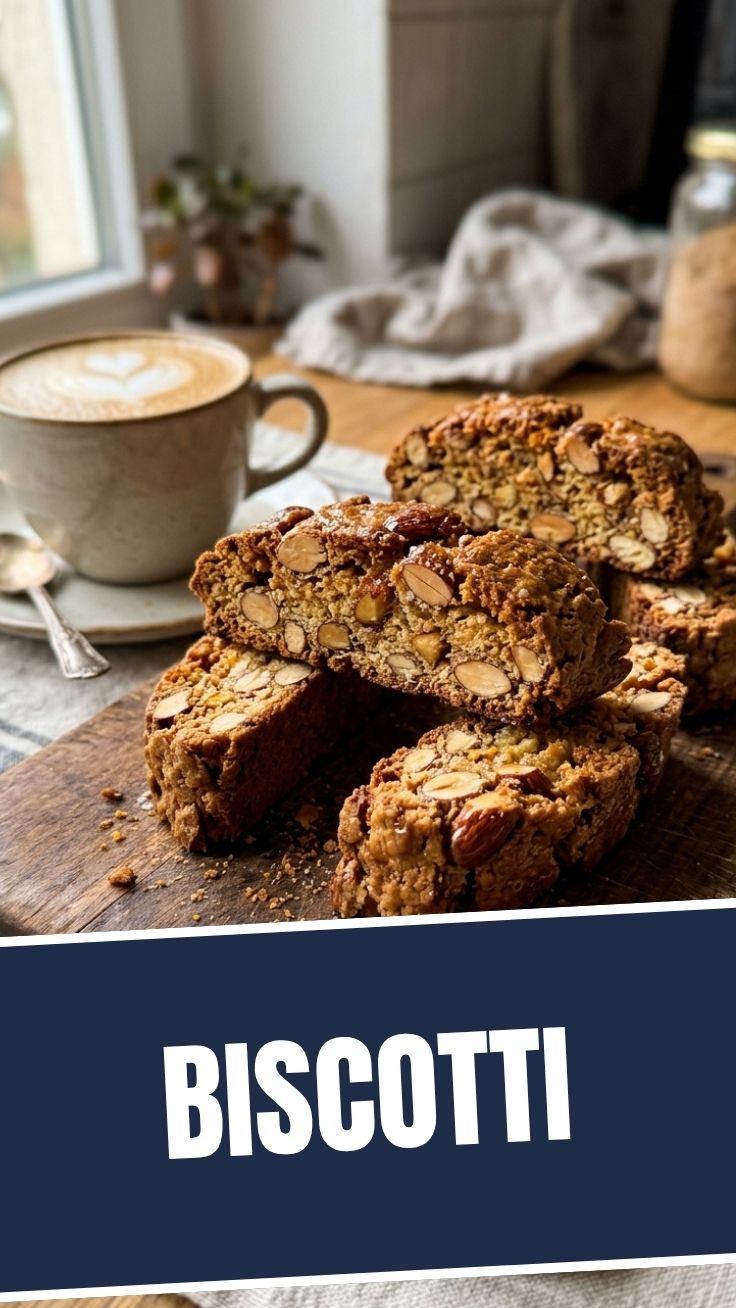
Biscotti (Italian Almond) is not just another cookie; it’s a twice-baked masterpiece that transforms simple ingredients into a symphony of crunch and flavor. Have you ever wondered why bakery biscotti always have that perfect snap and rich, nutty essence? The secret lies in mastering the bake, and today I’ll show you how to replicate that professional touch right in your own kitchen. Preparing this classic Italian treat at home not only saves money but also fills your home with an irresistible aroma of toasted almonds and vanilla. Plus, you control the quality of every ingredient. Whether you’re a seasoned baker or a curious beginner, this guide will ensure you create the perfect Biscotti (Italian Almond) batch that rivals any café. For those seeking a trusted reference, I highly recommend checking out this resource on Biscotti (Italian Almond) for foundational techniques.
—
Ingredients & Kitchen Tools
Ingredients (with clarifications)
– 2 cups all-purpose flour – Provides structure; substitute 1:1 gluten-free blend for a gluten-free version.
– 1 cup granulated sugar – Adds sweetness and aids in the crisp texture. Can reduce to ¾ cup for a less sweet cookie.
– 1 teaspoon baking powder – Essential for slight lift; avoid baking soda.
– ¼ teaspoon salt – Balances sweetness and enhances almond flavor.
– 3 large eggs – Room temperature is key for even mixing.
– 1 teaspoon vanilla extract – Pure extract is best; imitation can taste artificial.
– ½ teaspoon almond extract – Intensifies the nutty profile; use cautiously as it’s potent.
– 1 cup whole raw almonds – Toasted for deeper flavor. Blanched or skin-on both work.
– 1 tablespoon lemon zest (optional) – Adds brightness that complements the almond biscotti recipe.
Kitchen Tools
– Large mixing bowl – Preferably glass or stainless steel.
– Electric mixer (hand or stand) – A whisk works but requires more elbow grease.
– Baking sheet – Line with parchment paper to prevent sticking.
– Sharp serrated knife – For clean slices after first bake.
– Wire cooling rack – Essential for even cooling and crisping.
– Measuring cups and spoons – Accuracy matters in baking.
Optional substitutions: Swap almonds with pistachios, hazelnuts, or dried cranberries. Use coconut sugar for a lower glycemic option.
—
Prep Time & Cooking Schedule
– Prep Time: 20 minutes (including toasting almonds)
– First Bake: 25–30 minutes at 350°F (175°C)
– Cooling: 10 minutes
– Second Bake: 10–15 minutes per side at 325°F (160°C)
– Total Time: Approximately 1 hour 15 minutes
Planning Tip: The dough can be prepared a day ahead and refrigerated. The second bake can be done hours before serving—biscotti stay fresh for weeks when stored properly.
—
Step-by-Step Instructions
1. Toast the almonds: Spread almonds on a baking sheet and toast at 350°F for 8–10 minutes until fragrant. Let cool completely, then coarsely chop. Darker almonds yield a richer flavor but watch closely to avoid burning.
2. Mix dry ingredients: In a medium bowl, whisk flour, baking powder, and salt. Set aside.
3. Cream eggs and sugar: In a large bowl, beat eggs and sugar on medium-high speed for 3–4 minutes until thick and pale yellow. The mixture should ribbon when lifted. Stir in vanilla and almond extracts.
4. Combine wet and dry: Gradually fold in the flour mixture using a spatula until just combined—overmixing makes tough biscotti. Gently fold in toasted almonds and lemon zest if using.
5. Shape the dough: Turn dough onto a lightly floured surface. Divide in half. Shape each half into a log about 10 inches long and 2 inches wide. Place logs on a parchment-lined baking sheet, spaced 4 inches apart.
6. First bake: Bake at 350°F for 25–30 minutes until logs are golden and firm to touch. Cool on the sheet for 10 minutes. The ideal Biscotti (Italian Almond) log should be slightly cracked on top.
7. Slice: Reduce oven to 325°F. Using a serrated knife, cut logs diagonally into ½-inch slices. Use a gentle sawing motion to prevent crumbling. For thin biscotti, slice ¼-inch thick; for sturdy ones, go to ¾-inch.
8. Second bake: Place slices cut-side down on the baking sheet. Bake 10–15 minutes per side. Check at 10 minutes—cookies should be lightly golden and dry. For a harder texture, bake 2–3 more minutes per side. This double-baking method is what defines an authentic almond biscotti recipe.
Pro Tip: For extra crunch, leave biscotti in the turned-off oven with the door cracked for 10 additional minutes.
—
Nutritional Benefits & Advantages
– Low-fat, low-calorie: Biscotti contain less butter or oil than most cookies. One biscotti has about 80–100 calories.
– Protein boost: Almonds provide 6 grams of protein per ounce, plus healthy monounsaturated fats, vitamin E, and magnesium.
– Digestive health: The twice-baking process makes biscotti easier to digest than soft cookies.
– Brain-friendly: Almonds are rich in riboflavin and L-carnitine, nutrients that support brain health.
– Perfect for dunking: Their dense, dry texture soaks up coffee, espresso, or tea without falling apart.
—
Tips, Variations & Cooking Advice
Flavor Variations
– Chocolate almond: Add ½ cup mini chocolate chips to the dough.
– Orange zest rosemary: Replace lemon zest with orange zest and add 1 teaspoon chopped fresh rosemary.
– Spiced: Add 1 teaspoon cinnamon, ½ teaspoon nutmeg, and ¼ teaspoon cloves.
– Vegan: Use flax eggs (1 tablespoon ground flax + 3 tablespoons water per egg) and coconut oil instead of butter.
Dietary Adaptations
– Gluten-free: Use a 1:1 gluten-free baking flour blend with xanthan gum. Reduce liquid slightly if needed.
– Sugar-free: Substitute granulated sweetener like monk fruit or erythritol in equal measure.
Alternative Methods
– Air fryer: Bake logs at 325°F for 15–18 minutes, then slice and bake slices at 300°F for 8–10 minutes per side.
– No mixer: Use a whisk for step 3. Expect 4–5 minutes of vigorous whisking.
—
Common Mistakes to Avoid
1. Overmixing the dough: Creates tough, dense biscotti. Stop mixing once flour is incorporated.
2. Skipping the toasting step: Raw almonds taste bland. Toasting unlocks their volatile oils.
3. Cutting logs when too hot: The logs will crumble. Always cool for at least 10 minutes.
4. Thick slicing: Slices thicker than ¾ inch may remain soft in the center. Stick to ½ inch.
5. Under-baking the second time: Biscotti should feel dry and firm. If they bend, bake longer.
Fix for crumbly dough: If your dough is too dry, add 1 teaspoon water at a time until it holds together.
—
Storage & Meal Prep Tips
– Room temperature: Store in an airtight container for 2–3 weeks. They actually improve after a few days.
– Freezing: Place cooled biscotti in a freezer-safe bag for up to 3 months. Thaw at room temperature for 15 minutes.
– Re-crisping: If they soften, reheat in a 300°F oven for 5 minutes.
– Meal prep: Make a double batch on Sunday—biscotti are perfect for grab-and-go breakfast or afternoon snacks.
—
Conclusion
Perfecting Biscotti (Italian Almond) at home is a rewarding journey that brings authentic Italian baking right to your kitchen. By following the steps outlined in this guide, you’ll achieve that signature crunch and rich almond flavor that makes these cookies so beloved. Remember, the key to success lies in toasting nuts, measuring precisely, and mastering the double-bake technique. Whether you prefer them classic or with a twist, this almond biscotti recipe will become a staple in your baking repertoire. Now grab your ingredients and give it a try—you’ll be delighted with the results! For more expert tips, visit the recommended guide on almond biscotti recipe for complementary drink pairings. Share your creations on social media and tag us—I’d love to see your biscotti success!
—
FAQs
1. Can I use pre-sliced or slivered almonds?
Yes, but they roast faster. Watch carefully—they can burn in 5–7 minutes. Whole almonds offer better texture.
2. Why did my biscotti turn out soft?
Underbaking is the usual culprit. Ensure the second bake is at 325°F and flip each slice halfway through. A slightly longer cooling period also helps.
3. Can I make this recipe dairy-free?
Absolutely. This recipe contains no butter or milk—just eggs and oil-free dough. It’s already dairy-free.
4. How do I add chocolate without melting?
Use chocolate chips or chop a chocolate bar into small chunks. Freeze them for 10 minutes before folding into dough to minimize melting during baking.
5. Can I skip the almond extract?
Yes, but expect a milder almond taste. Use ½ teaspoon more vanilla instead. Alternatively, substitute 2 tablespoons amaretto liqueur for added complexity.
Best way to grow Biscotti (Italian Almond) in 5 steps.
Ingredients
Equipment
Method
- Preheat your oven to 350°F (175°C) and line a baking sheet with parchment paper.
- In a large bowl, whisk together the flour, sugar, baking powder, and salt until well combined.
- In a separate bowl, beat the eggs and vanilla extract together.
- Pour the wet ingredients into the dry ingredients and mix until a shaggy dough forms, then fold in the almonds.
- Transfer the dough to the prepared baking sheet and shape it into two logs, about 10-12 inches long and 2 inches wide, leaving some space between them.
- Bake for 25-30 minutes, or until the logs are golden brown and firm to the touch.
- Remove the logs from the oven and let them cool on the baking sheet for about 10-15 minutes.
- Carefully transfer the logs to a cutting board and, using a sharp serrated knife, slice them diagonally into ½-inch thick pieces.
- Arrange the sliced biscotti cut-side down on the same baking sheet.
- Return them to the oven and bake for another 10-15 minutes per side, or until they are golden brown and crisp.
- Remove the biscotti from the oven and let them cool completely on a wire rack.
- Store the cooled biscotti in an airtight container at room temperature for up to two weeks.