Beat the Heat with Guilt-Free Grilling: Your Ultimate Guide to Diabetic-Friendly Summer Recipes
Are you tired of bland, restrictive meals that leave you feeling deprived while everyone else enjoys a sizzling backyard barbecue? You don’t have to choose between managing your blood sugar and savoring summer’s best flavors. With the right approach, you can create vibrant, satisfying dishes that celebrate the season without spiking glucose. This post explores how to master diabetic friendly summer recipes that are as delicious as they are nutritious. We’ll also dive into the secret weapon for keeping things both tasty and carb-conscious: low carb barbecue marinades that transform lean proteins into mouthwatering masterpieces. By preparing these meals at home, you take full control of ingredients, avoid hidden sugars, and unlock a world of bold, fresh taste.
—
Ingredients & Kitchen Tools
For the Low Carb Barbecue Marinade (makes ~1 cup):
– ½ cup olive oil (healthy fat for satiety)
– ¼ cup apple cider vinegar (adds tang without sugar)
– 2 tbsp Dijon mustard (no added sugar variety)
– 2 cloves garlic, minced (flavor + antioxidants)
– 1 tsp smoked paprika (deep smoky note)
– ½ tsp cayenne pepper (optional, for heat)
– 1 tbsp fresh lemon juice (brightens)
– ¼ cup chopped fresh herbs: rosemary, thyme, oregano (low carb flavor bombs)
– Salt and black pepper to taste
For the Grilled Chicken (serves 4):
– 4 boneless, skinless chicken breasts (or thighs for juiciness)
– 1 medium zucchini, sliced lengthwise (low carb summer veg)
– 1 red bell pepper, quartered (vitamin C powerhouse)
Kitchen Tools:
– Large mixing bowl or resealable bag (marinating)
– Grill or grill pan (charred flavor, quick cooking)
– Tongs (flipping without piercing)
– Meat thermometer (ensure safe 165°F/74°C)
– Cutting board and sharp knife
– Optional: citrus juicer, herb chopper
Substitutions:
– Swap chicken for firm tofu, shrimp, or portobello mushrooms (vegan option)
– Use avocado oil instead of olive (higher smoke point)
– Replace herbs with 2 tsp dried Italian seasoning (when fresh is scarce)
—
Prep Time & Cooking Schedule
| Stage | Duration | Notes |
|——-|———-|——-|
| Marinade preparation | 5 minutes | Whisk all ingredients together. |
| Marinating time | 30–60 minutes (up to 4 hours) | Do not exceed 4 hours or acid may toughen chicken. |
| Preheat grill | 10 minutes | Medium-high heat (~400°F/200°C). |
| Grilling chicken | 6–8 minutes per side | Internal temp 165°F. Let rest 5 minutes. |
| Grilling vegetables | 3–4 minutes per side | Tender with char marks. |
Planning tip: Marinate chicken in the morning, refrigerate, then simply grill when you’re ready for dinner. This is the essence of efficient diabetic friendly summer recipes – minimal active time, maximum payoff.
—
Step-by-Step Instructions
1. Whisk the Marinade: In a medium bowl, combine olive oil, apple cider vinegar, Dijon mustard, garlic, smoked paprika, cayenne (if using), lemon juice, fresh herbs, salt, and pepper. Taste and adjust seasoning – it should be bold and tangy. This forms the base of your low carb barbecue marinades, so feel free to double it for later use.
2. Marinate the Chicken: Place chicken breasts in a resealable bag or shallow dish. Pour half the marinade over the chicken (reserve the rest for basting). Seal and massage to coat evenly. Refrigerate for at least 30 minutes. Tip: For deeper flavor, let it sit up to 4 hours. Do not reuse the marinade that touched raw chicken.
3. Preheat the Grill: Clean and oil grates to prevent sticking. Aim for medium-high heat – you should be able to hold your hand 5 inches above the grate for about 3 seconds.
4. Grill the Chicken: Remove chicken from marinade and pat off excess (dripping marinade causes flare-ups). Grill 6–8 minutes per side, turning once. Use a meat thermometer to confirm 165°F at the thickest part. During the last 2 minutes, brush with the reserved marinade (ensure it hasn’t touched raw meat). Temperature control is key – high heat sears in flavor without drying out the lean protein.
5. Grill Vegetables: While chicken rests, grill zucchini and bell pepper slices 3–4 minutes per side until tender and slightly charred. Season with a pinch of salt.
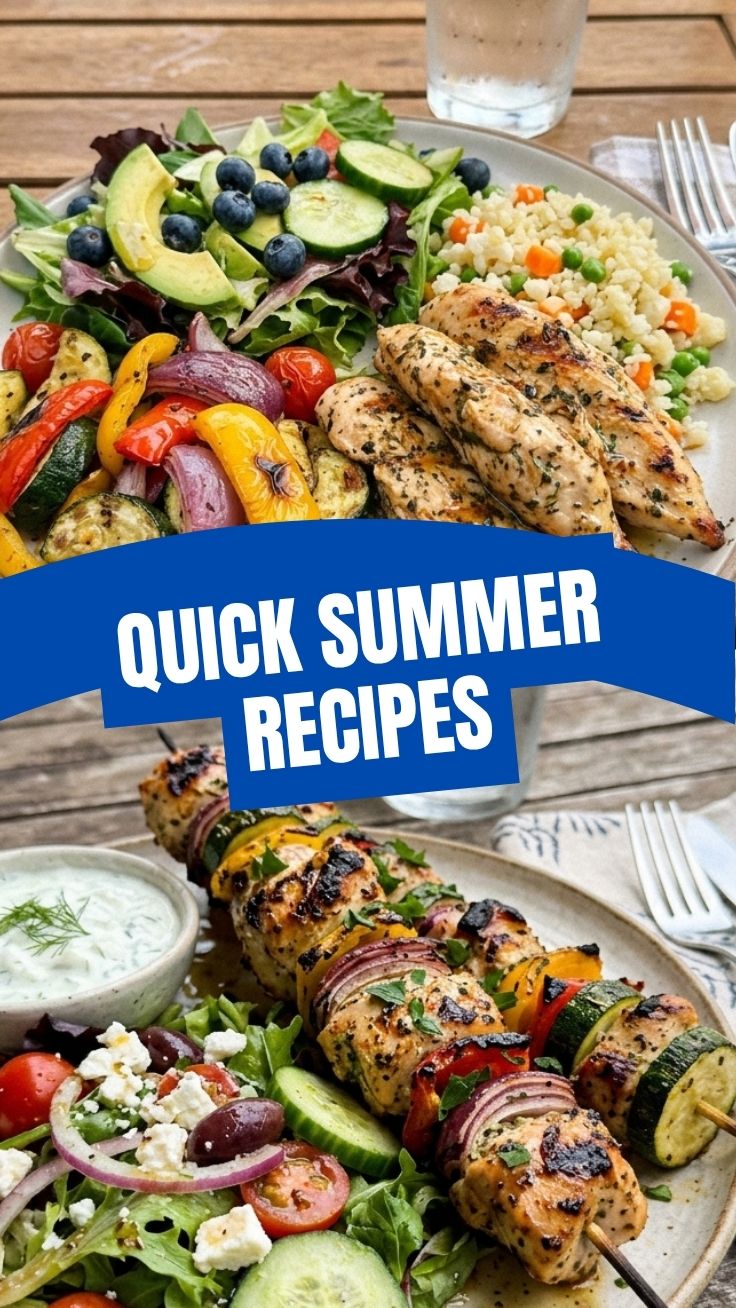
6. Serve: Slice chicken against the grain and arrange with vegetables. Squeeze extra lemon over everything for brightness. This dish is a perfect example of diabetic friendly summer recipes that prove carbs aren’t the only path to satisfaction – especially when paired with low carb barbecue marinades that deliver punch without sugar.
—
Nutritional Benefits & Advantages
Per serving (4 oz chicken + vegetables without marinade soaked up):
– ~280 calories
– 35g protein
– 10g healthy fat
– 8g net carbs (mostly from vegetables)
– 0g added sugar
Why it works for diabetes:
– High protein + fiber slows glucose absorption.
– Low glycemic load keeps blood sugar stable.
– Monounsaturated fats (from olive oil) improve insulin sensitivity.
– Antioxidants from herbs and vegetables reduce inflammation common in type 2 diabetes.
This is the foundation of successful diabetic friendly summer recipes – whole foods, smart fats, and zero refined sugars.
—
Tips, Variations & Cooking Advice
– Spice swap: Replace smoked paprika with chipotle powder for a smoky-sweet kick (still carb-free).
– Make it a salad: Slice grilled chicken and vegetables over a bed of peppery arugula with a dollop of full-fat Greek yogurt dressing.
– Grill smarter: If you don’t have a grill, a cast-iron grill pan on high heat works beautifully.
– Double the marinade: Use it as a dressing for grilled zucchini noodles or as a dip for raw veggies.
– Dietary adaptations: Dairy-free (already is), gluten-free (check mustard), nut-free.
– Portion control: Serve with cauliflower rice or a side of roasted broccoli for volume without carbs.
—
Common Mistakes to Avoid
| Mistake | Solution |
|———|———-|
| Over-marinating (acids break down meat too long) | Stick to 30–60 minutes for chicken breasts; thighs can go 4 hours. |
| Skipping the rest time | Always let grilled meat sit 5 minutes – juices redistribute, texture stays moist. |
| Ignoring the smoke point | If using olive oil on grill, keep heat moderate; for high heat, choose avocado oil. |
| Not patting chicken dry before grilling | Wet surface steams instead of sears – use paper towels. |
These pitfalls can turn even the best low carb barbecue marinades into a soggy disappointment. Avoid them and you’ll nail the crispy, caramelized edges every time.
—
Storage & Meal Prep Tips
– Refrigerate leftovers: Store chicken and vegetables in an airtight container for up to 4 days.
– Freeze: Marinated raw chicken freezes beautifully for up to 3 months (freeze before grilling). Cooked chicken can also be frozen, but texture will be slightly drier – best used in salads or wraps.
– Reheat: To maintain moisture, reheat in a 350°F oven for 10 minutes, or slice thin and sauté quickly in a pan with a splash of water. Avoid the microwave – it turns chicken rubbery.
– Prepper’s hack: Make a batch of marinade on Sunday, and use it over the week for chicken, fish, or tofu. It’s the ultimate workhorse for diabetic friendly summer recipes.
—
Conclusion
Cooking at home gives you the power to enjoy summer’s abundance without compromising your health goals. This grilled chicken recipe, built on a foundation of bold, sugar-free flavors, shows how simple it is to create diabetic friendly summer recipes that the whole family will love. By embracing low carb barbecue marinades, you unlock a world of taste that proves “healthy” and “delicious” are never mutually exclusive. Fire up the grill, experiment with herb combinations, and share your smoky, golden creations with friends. Your blood sugar – and your taste buds – will thank you. Try it tonight, and tag your masterpiece! Let’s make every summer meal a victory.
—
FAQs
1. Can I use a bottled barbecue sauce instead of homemade marinade?
Most commercial sauces are loaded with sugar or high-fructose corn syrup. Look for “no added sugar” varieties, but even then, homemade is safer. Our low carb barbecue marinades give you full ingredient control.
2. How can I tell if the chicken is done without a thermometer?
Pierce the thickest part with a knife: juices should run clear, not pink. But for safety, a thermometer is the gold standard (165°F).
3. My marinade tasted great before grilling, but the chicken was bland. What happened?
You likely didn’t marinade long enough (minimum 30 minutes) or you wiped off too much marinade before grilling. Also be sure to season the chicken lightly with salt before marinating.
4. Can I make this recipe vegan?
Absolutely! Substitute chicken with extra-firm tofu or large portobello caps. Marinate the same way. Reduce grilling time for tofu (4–5 minutes per side) and mushrooms (3–4 minutes per side).
5. How do I keep vegetables from sticking to the grill?
Brush the grill grates with oil (using a folded paper towel and tongs) just before placing vegetables. Also ensure vegetables are dry before oiling them lightly.
Quick way to grow 12 diabetic friendly summer recipes
Ingredients
Equipment
Method
- Preheat a grill or grill pan to medium-high heat.
- In a large bowl, toss chicken breasts, zucchini, bell peppers, and cherry tomatoes with olive oil, lemon juice, garlic powder, oregano, salt, and black pepper.
- Grill the chicken for 6-8 minutes per side, or until cooked through.
- Grill the vegetables for 5-7 minutes, flipping occasionally, until tender-crisp. Serve hot.
- Preheat oven to 400°F (200°C).
- Place salmon fillets on a baking sheet lined with parchment paper. Season with salt and pepper.
- Bake for 12-15 minutes, or until salmon is flaky.
- While salmon bakes, combine Greek yogurt, chopped fresh dill, a squeeze of lemon juice, salt, and pepper in a small bowl.
- Serve baked salmon with a dollop of dill-yogurt sauce and a side of cucumber salad.
- Cook quinoa according to package directions.
- In a large bowl, combine cooked quinoa, mixed greens, and your favorite diabetic-friendly vinaigrette.
- Toss gently and serve as a refreshing side dish or light meal.