Master the Art of Texas BBQ: Crafting Authentic BBQ Brisket (Texas Style) at Home
Ever dreamt of sinking your teeth into a perfectly tender, smoky, and flavorful BBQ Brisket (Texas Style), right in your own backyard? While the thought of mastering this legendary cut of beef might seem daunting, especially when considering the nuances of a beautifully rendered smoked brisket, it’s an incredibly rewarding culinary journey. Forget flying to Austin; with this comprehensive guide, you’ll uncover the secrets to transforming a humble brisket into a show-stopping masterpiece. Preparing this iconic dish at home not only saves you a pretty penny but also allows for complete control over the quality of ingredients and the depth of flavor, making every bite a truly personalized experience.
Ingredients & Kitchen Tools
To embark on your BBQ Brisket (Texas Style) adventure, gather these essentials:
- 12-15 lb Brisket (Full Packer): This includes both the flat (leaner) and the point (fatty). Look for a well-marbled piece for optimal tenderness and flavor.
- Texas-Style Rub:
* 1/2 cup Coarse Black Pepper: Don’t skimp on the pepper; it’s a cornerstone of Texas BBQ.
* 1/4 cup Kosher Salt: Essential for seasoning and creating a delicious bark.
* 2 tbsp Garlic Powder: Adds an aromatic depth.
* 1 tbsp Onion Powder: Complements the garlic and enhances savory notes.
Optional:* Pinch of cayenne pepper for a subtle kick.
- Binder (Optional):
* Yellow Mustard: A thin layer helps the rub adhere and adds a touch of acidity that mellows during cooking.
- Wood Chunks (for smoker):
* Oak, Post Oak, Hickory: Traditional choices for Texas brisket, imparting a robust, smoky flavor.
- Butcher Paper (Food Grade): Essential for the “Texas Crutch” – wrapping the brisket to retain moisture and power through the stall.
- Water Pan (for smoker): Helps maintain a moist environment.
Kitchen Tools:
- Smoker (Offset, Pellet, or Kamado): Crucial for low and slow cooking.
- Instant-Read Meat Thermometer: Non-negotiable for monitoring internal temperature and ensuring doneness.
- Large Cutting Board: For prepping and slicing the brisket.
- Sharp, Long Slicing Knife: For carving against the grain.
- Gloves (Food-safe): For handling the rub and the hot brisket.
- Spray Bottle: For spritzing (apple cider vinegar, water, or beef broth).
Prep Time & Cooking Schedule
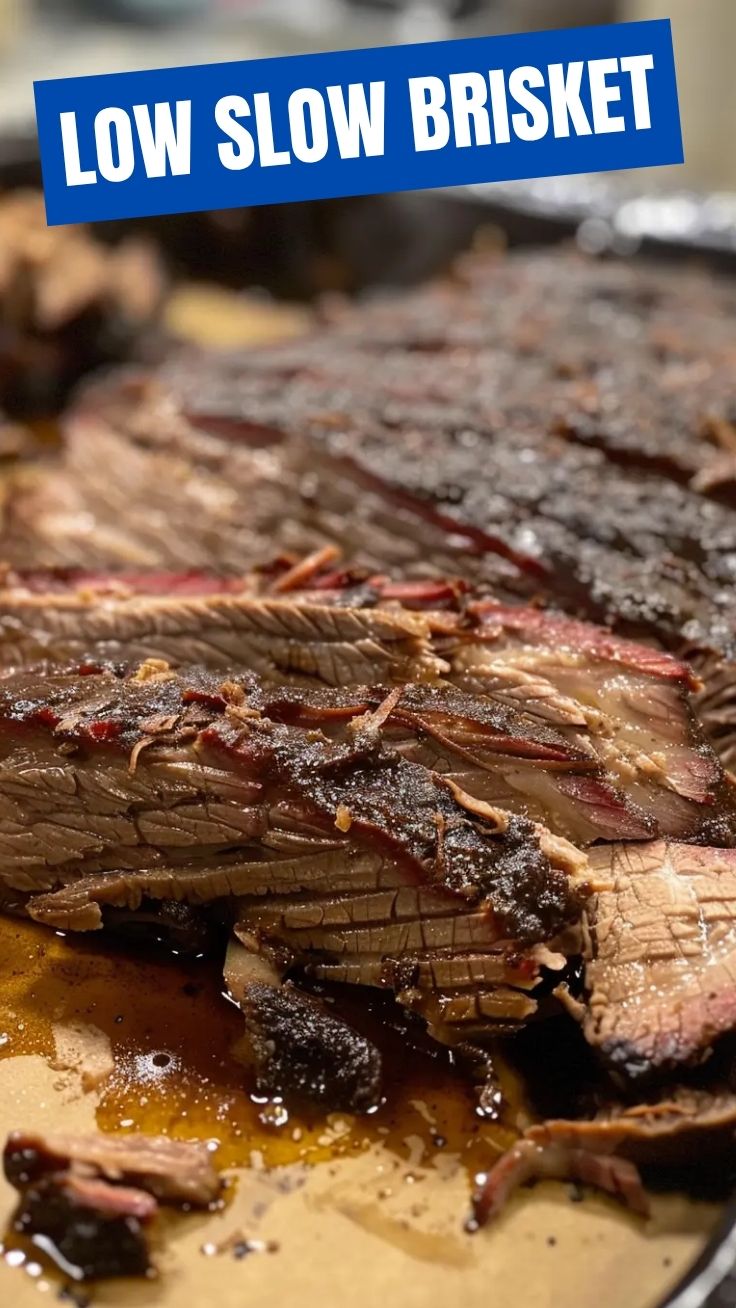
Texas BBQ brisket is a labor of love, demanding patience and a well-thought-out timeline.
- Prep Time: 30-60 minutes (Trimming the brisket can take time, depending on its initial state).
- Cook Time: 10-16 hours (This can vary significantly based on brisket size, smoker temperature, and external conditions. Plan for 1-1.5 hours per pound roughly).
- Resting Time: 2-4 hours (Crucial for juicy results – do not skip this step!).
Planning Context: For a delicious weekend feast, start your brisket late Friday night or early Saturday morning to allow ample time for smoking and resting before serving dinner. A well-rested brisket is non-negotiable for a tender, succulent outcome.
Step-by-Step Instructions
1. Trim the Brisket: Using a sharp knife, trim excess hard fat from the top and sides, aiming for a 1/4-inch fat cap on the flat. Remove any silver skin. The goal is even thickness for consistent cooking.
2. Apply the Rub: If using, spread a thin layer of yellow mustard as a binder. Generously coat the entire brisket with your Texas-style rub, pressing it gently to adhere. Don’t be shy – this forms the delicious “bark.” Allow it to sit at room temperature for 30-60 minutes while preparing your smoker.
3. Preheat Your Smoker: Get your smoker to a consistent 225-250°F (107-121°C). Add your wood chunks for smoke. Place a water pan inside the smoker to maintain humidity.
4. Smoke the Brisket: Place the brisket fat-side up (or towards the heat source, if applicable to your smoker) on the grates. Close the lid and resist the urge to peek! Maintain smoker temperature and spritz the brisket every 1-2 hours after the first 3-4 hours to keep it moist and encourage bark formation. This early stage is where the magical smoky flavor penetrates the smoked brisket.
5. Hit the Stall & Wrap: After 6-8 hours, or when the internal temperature reaches 150-170°F (65-77°C), the brisket will likely “stall” (its temperature will plateau). This is when you’ll wrap it tightly in butcher paper. This technique, the “Texas Crutch,” helps it push through the stall by retaining moisture and keeping the bark from over-darkening. Return to the smoker.
6. Cook to Tenderness: Continue cooking the wrapped brisket until it probe-tender. This is key for a perfect BBQ Brisket (Texas Style). Insert your instant-read thermometer into the thickest part of the flat – it should feel like inserting it into a warm stick of butter, with little to no resistance. This usually happens between 200-205°F (93-96°C).
7. Rest the Brisket: This is arguably the most crucial step! Once probe-tender, remove the wrapped brisket from the smoker and place it in a cooler (without ice) or an oven set to its lowest “warm” setting (around 150°F/65°C) for at least 2 hours, and up to 4 hours. This allows the muscle fibers to relax and reabsorb juices, resulting in incredibly tender meat.
8. Slice and Serve: Carefully unwrap the brisket. Separate the flat and the point (they will likely have slightly different grain directions). Slice against the grain, about pencil-width thick. Serve immediately and enjoy!
Nutritional Benefits & Advantages
Brisket is a good source of protein, essential for muscle repair and growth. While typically a fattier cut, much of the fat renders out during the long cooking process, leaving behind a flavorful and tender meat. It also provides important B vitamins (like B12, niacin, and B6) and minerals such as iron and zinc. The slow-smoking method, sans heavy sauces (true Texas style often uses minimal or no sauce), reduces added sugars and unhealthy fats often found in other BBQ preparations, making it a more wholesome indulgence.
Tips, Variations & Cooking Advice
- Wood Choice: Experiment with different wood types. While oak is classic, pecan offers a milder, nuttier smoke, and cherry provides a beautiful mahogany color.
- Rub Variations: While the simple salt and pepper rub is iconic, you can add a touch of brown sugar for sweetness or chili powder for extra kick.
- Hold Over: If you finish early, a perfectly held brisket can remain warm and juicy in a warm cooler for many hours, making it ideal for party planning.
- Brisket Flat vs. Point: The flat is leaner and best for slicing. The point is fattier and often shredded or cubed for burnt ends – a delicious bonus!
- Don’t Fear the Fat: While trimming, leave a decent fat cap. It protects the meat and renders down, basting the brisket from above.
Common Mistakes to Avoid
- Over-trimming: Removing too much fat can lead to a dry brisket.
- Cooking at too high a temperature: Leads to tough, dry meat. Low and slow is the mantra.
- Not using a thermometer: Guessing doneness is a recipe for disaster. Trust your probe-tender brisket.
- Skipping the rest: This is the most crucial step for tenderness and juiciness.
- Opening the smoker too often: “If you’re lookin’, you ain’t cookin’!” Each peek prolongs cooking time and lets out precious heat and smoke.
Storage & Meal Prep Tips
Leftover BBQ Brisket (Texas Style) is a treasure! Store sliced brisket in an airtight container with a small amount of beef broth or its own rendered juices to keep it moist. It will last 3-4 days in the refrigerator. For longer storage, freeze individual portions in vacuum-seal bags for up to 3 months. To reheat, thaw overnight if frozen and gently warm in a low oven (250°F/120°C) covered with foil, or vacuum-seal and sous-vide in a warm water bath until heated through. Avoid microwaving, as it can dry out the meat. Reheated slices are fantastic in sandwiches, tacos, or chili!
Conclusion
Crafting a perfect BBQ Brisket (Texas Style) is a culinary journey that rewards patience and attention to detail. From careful trimming to the extended rest, every step contributes to the unparalleled tenderness and rich, smoky flavor. While the process of achieving that perfectly rendered smoked brisket can seem intimidating, the result is a truly unforgettable meal that will impress even the most discerning BBQ connoisseurs. Embrace the ritual, enjoy the process, and savor every bite of your homemade masterpiece. We encourage you to try this recipe and share your results – the journey to BBQ perfection is always better with fellow enthusiasts!
FAQs
Q1: Can I make this in an oven if I don’t have a smoker?
A1: While a smoker provides the authentic flavor, you can replicate some of the process in an oven. Season and sear the brisket in a hot pan, then cook it wrapped in foil in a low oven (around 250°F/120°C) with a small amount of liquid until probe-tender. You can add liquid smoke for a touch of smoky flavor, but it won’t be the same as true smoked brisket.
Q2: What is the “stall” and how do I get through it?
A2: The stall is when the brisket’s internal temperature plateaus, often between 150-170°F (65-77°C). This is due to evaporative cooling on the surface of the meat. To combat it, wrap the brisket tightly in butcher paper or foil (the “Texas Crutch”) to trap moisture and heat, allowing the temperature to climb again.
Q3: How do I know when my brisket is perfectly rested?
A3: The rest is complete when the brisket has cooled slightly (you can comfortably handle it, but it’s still warm) and the internal temperature has equalized. A good resting time is typically 2-4 hours. The meat will feel incredibly pliable and soft when gently squeezed.
Q4: My brisket came out dry. What went wrong?
A4: Common culprits for dry brisket include over-trimming the fat, cooking at too high a temperature, not wrapping through the stall, or most importantly, not resting it long enough. Ensure you cook to tenderness, not just a specific temperature, and always prioritize the rest.
Q5: What are “burnt ends” and how do I make them?
A5: Burnt ends are crispy, flavorful cubes made from the fattier point section of the brisket. After separating the flat and point, cube the point, toss it with more rub and some BBQ sauce (optional), and return it to the smoker for another 1-2 hours until caramelized and tender.
Proven way to grow your BBQ Brisket (Texas Style)
Ingredients
Equipment
Method
- Trim the brisket by removing hard fat and shaping it for even cooking, then mix your rub ingredients together.
- Apply the rub evenly over all surfaces of the brisket and let it rest for at least 30 minutes, or preferably overnight in the refrigerator.
- Preheat your smoker to 275°F (135°C) and place the brisket fat-side up on the grates.
- Smoke the brisket until it develops a deep bark and reaches an internal temperature of 175°F (79°C), typically taking 6-8 hours.
- Wrap the brisket tightly in butcher paper or foil once the bark is set, adding a small amount of beef broth if desired.
- Return the wrapped brisket to the smoker and continue cooking until it measures between 200-205°F (93-96°C) and is probe-tender.
- Rest the brisket in a cooler for 2-4 hours to redistribute juices, then slice against the grain and serve.