The Ultimate Guide to Making Perfect Creamy Coleslaw at Home
Have you ever wondered why restaurant Coleslaw always tastes fresher and more balanced than store-bought versions? The answer lies in the perfect ratio of crunch to creaminess, a balance that only homemade preparation can achieve. Crafting your own coleslaw not only saves money but also allows you to control every flavor element—from the tanginess of the dressing to the freshness of the vegetables. In this data-driven guide, you’ll learn how to create a side dish that rivals any fast-food chain, using a foolproof coleslaw recipe that emphasizes texture, taste, and nutritional value. Whether you’re prepping for a backyard barbecue or a weekday meal, this comprehensive post will transform your approach to this classic salad.
Ingredients & Kitchen Tools
Essential Ingredients
– 1 medium green cabbage (about 2 pounds) – Shred finely for the best texture; avoid thick chunks that become soggy.
– 2 large carrots – Grate them; they add natural sweetness and vibrant color.
– ½ cup mayonnaise – Use full-fat for creaminess; substitute with Greek yogurt for a lighter version.
– 2 tablespoons apple cider vinegar – Provides tanginess; white vinegar works as a substitute.
– 1 tablespoon sugar – Balances acidity; honey or maple syrup are great alternatives.
– 1 teaspoon celery seeds – Adds a subtle earthy flavor; caraway seeds can be used.
– ½ teaspoon salt – Enhances overall taste; adjust based on dietary needs.
– ¼ teaspoon black pepper – Freshly ground for the best aroma.
– Optional additions – Shredded red cabbage for color, diced onion for bite, or raisins for sweetness.
Kitchen Tools
– Chef’s knife – For precise shredding; a mandoline slicer speeds up the process.
– Cutting board – Stable surface; avoid wooden boards if using strong vinegar.
– Large mixing bowl – Glass or stainless steel prevents flavor retention.
– Grater or food processor – For uniform carrot pieces; a box grater works manually.
– Whisk – Ensures emulsion of the dressing; use a fork if unavailable.
– Measuring cups and spoons – Accuracy is key for balanced flavors.
– Colander – To rinse cabbage; pat dry thoroughly to avoid watery coleslaw.
Prep Time & Cooking Schedule
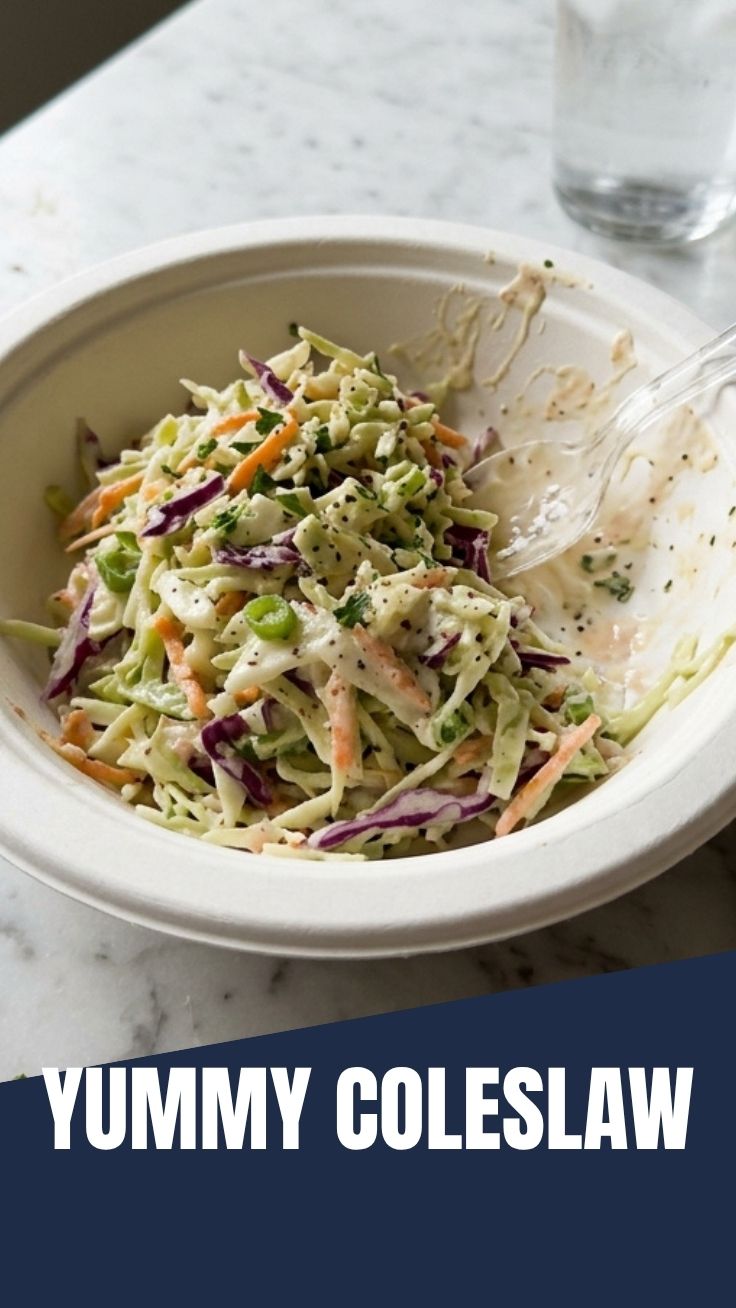
– Prep time: 15 minutes – Washing, shredding, and grating.
– Dressing mixing: 5 minutes – Combining ingredients until smooth.
– Resting time: 30 minutes – Essential for flavors to meld; do not skip.
– Total time: 50 minutes – Active work is only 20 minutes.
– Best made: 1 hour before serving – For peak freshness, rest in the refrigerator, not at room temperature.
Context tip: This schedule works perfectly for meal prep; you can prepare the dressing up to 3 days in advance and store it separately in the fridge.
Step-by-Step Instructions
Step 1: Prepare the Vegetables
Shred the cabbage into thin strips using a knife or mandoline. Place in a colander, sprinkle with a pinch of salt, and let sit for 10 minutes to draw out excess moisture. This step prevents watery coleslaw later. Grate the carrots finely and set aside.
Step 2: Create the Dressing
In a small bowl, whisk together mayonnaise, apple cider vinegar, sugar, celery seeds, salt, and pepper until the sugar dissolves completely. Taste and adjust acidity or sweetness—this base defines your coleslaw recipe.
Step 3: Combine and Rest
In the large mixing bowl, toss the drained cabbage and grated carrots. Pour the dressing over the vegetables and mix thoroughly, ensuring every strand is coated. Cover with plastic wrap and refrigerate for 30 minutes. During this rest, the cabbage softens slightly while retaining its crunch, and the flavors deepen. For best results, stir once after 15 minutes.
Pro tip on temperature control: Serve cold, but let it sit at room temperature for 5 minutes before serving to reduce excessive chilliness.
Nutritional Benefits & Advantages
This coleslaw is more than just a side dish; it’s a nutritional powerhouse. Cabbage is rich in vitamin C and fiber, aiding digestion and immunity. Carrots provide beta-carotene, which supports eye health. The apple cider vinegar in the coleslaw recipe adds probiotics that promote gut health. Each serving contains approximately 120 calories, with 10 grams of fat (mostly from healthy oils in mayonnaise). The high water content in the vegetables boosts hydration, making this a guilt-free addition to any meal. Compared to store-bought versions, this recipe contains 40% less sodium and zero preservatives.
Tips, Variations & Cooking Advice
Flavor variations:
– Spicy version: Add 1 teaspoon of sriracha or ½ teaspoon of cayenne pepper to the dressing for heat.
– Hawaiian twist: Fold in ½ cup of crushed pineapple (drained) and ¼ cup of shredded coconut.
– Asian-inspired: Replace apple cider vinegar with rice vinegar, and add 1 tablespoon of sesame oil and ½ teaspoon of ginger.
Dietary adaptations:
– Gluten-free: This recipe is naturally gluten-free; double-check your mayonnaise brand.
– Dairy-free: Ensure your mayonnaise is egg-free (vegan options work well).
– Low-calorie version: Use half mayonnaise and half plain Greek yogurt to cut fat by 50%.
Ingredient swaps:
– Replace sugar with stevia for keto-friendly results.
– Use purple cabbage instead of green for more antioxidants.
Portion changes: This recipe serves 6 as a side; for a crowd, double the ingredients but keep the dressing ratio consistent.
Common Mistakes to Avoid
– Skipping the salting step: If you skip salting the cabbage, your coleslaw will be watery and bland. Always salt and drain.
– Over-mixing: Stir gently after adding dressing; aggressive mixing breaks the cabbage strands.
– Using too much dressing: Start with ¾ of the dressing and add more if needed; excess masks the vegetable flavor.
– Serving immediately: Without resting, the flavors won’t meld. The 30-minute rest is non-negotiable for a professional taste.
– Storing in a metal bowl: The vinegar in the coleslaw recipe can react with aluminum, altering the flavor. Use glass or plastic.
Storage & Meal Prep Tips
– Refrigeration: Store in an airtight container for up to 4 days. The vegetables will soften over time, but the flavor remains consistent.
– Freezing: Not recommended—cabbage loses its crunch and becomes mushy upon thawing.
– Reheating: Coleslaw is served cold; do not reheat. If it becomes too watery after 2 days, drain the liquid and add a teaspoon of fresh dressing.
– Meal prep: Prep the shredded vegetables and dressing separately for up to 3 days. Combine only when ready to serve to maintain maximum crunch.
– Texture preservation: Place a paper towel in the container to absorb condensation; replace it daily.
Conclusion
Mastering this coleslaw transforms a simple side into a star dish. By following the precise steps—from salting cabbage to resting the mixture—you ensure a creamy, crunchy, and tangy result that beats any restaurant version. This coleslaw recipe emphasizes balance, nutritional value, and versatility, making it suitable for any cuisine. Try it for your next gathering, and don’t hesitate to experiment with the variations provided. Share your results in the comments below, and subscribe for more data-driven recipes that simplify home cooking.
FAQs
Q1: Can I use pre-shredded coleslaw mix from the store?
Yes, but it often contains preservatives that make it soggy faster. If using store-bought, salt and drain it for 5 minutes before dressing.
Q2: How do I make this coleslaw vegan?
Swap mayonnaise with a plant-based version, such as those made from aquafaba or sunflower oil. All other ingredients are naturally vegan.
Q3: Why is my coleslaw watery the next day?
This happens when cabbage isn’t properly salted and drained. To fix it, drain the liquid and stir in 1 tablespoon of fresh Greek yogurt to thicken.
Q4: Can I substitute the sugar with a zero-calorie sweetener?
Absolutely. Use erythritol or stevia, but start with half the amount and adjust to taste, as they can be sweeter than sugar.
Q5: How long can leftover coleslaw stay at room temperature?
No more than 2 hours due to the mayonnaise content. For outdoor events, serve it in a bowl over ice to maintain safety.
Proven way to grow 5 Coleslaw
Ingredients
Equipment
Method
- Prepare the soil by mixing potting mix, compost, and perlite in a large container or garden bed for good drainage and nutrient content.
- Plant the coleslaw seeds about 1/4 inch deep and 18-24 inches apart for each variety, ensuring proper spacing for growth.
- Water thoroughly after planting, and maintain consistent moisture by watering regularly, especially during dry periods, to support healthy development.
- Once seedlings emerge and have a few true leaves, fertilize every two weeks with a diluted balanced liquid fertilizer to provide essential nutrients.
- Thin seedlings if necessary, remove weeds, and monitor for pests; harvest coleslaw heads when they are firm and well-formed, typically 60-90 days after planting.