The Ultimate Fresh Avocado Dip: Creamy, Zesty, and Ready in 10 Minutes
Have you ever wondered why restaurant-style avocado dip tastes so much fresher and brighter than anything from a jar? The secret lies in using ripe avocados, fresh lime juice, and a generous pinch of salt. Making Guacamole at home is not only more affordable, but it also lets you customize the heat, acidity, and creaminess to your exact taste. In fact, my homemade version rivals even the best Chipotle guacamole I’ve ever tried—and it comes together in less time than it takes to order takeout. Whether you’re hosting a game-day gathering or simply craving a healthy snack, mastering this avocado recipe will seriously elevate your kitchen confidence. I’ve tested this recipe dozens of times, and the data-backed tips below guarantee perfectly creamy, never-browning results every single time.
Ingredients & Kitchen Tools
This simple dip requires minimal but high-quality ingredients. Here’s exactly what you need:
Ingredients:
– 3 ripe Hass avocados – They should yield gently to pressure, indicating perfect ripeness.
– 1 medium lime, juiced – About 2 tablespoons; fresh juice is non-negotiable for brightness.
– ½ small red onion, finely diced – Adds a sharp, sweet crunch.
– 1 jalapeño, seeded and minced – Provides mild heat; substitute serrano for extra spiciness.
– ¼ cup fresh cilantro, chopped – Adds an aromatic, herbal finish.
– ½ teaspoon sea salt – Enhances all the natural flavors.
– ¼ teaspoon black pepper (optional) – Adds a subtle warmth.
– 1 small tomato, diced (optional) – Brings juiciness and color.
Optional substitutions: Swap jalapeño with chipotle peppers in adobo for a smoky, spicier twist. Add Greek yogurt for extra creaminess or diced mango for a sweet-savory contrast.
Kitchen Tools:
– Mixing bowl
– Fork or potato masher
– Chef’s knife
– Cutting board
– Citrus juicer
– Measuring spoons
Prep Time & Cooking Schedule
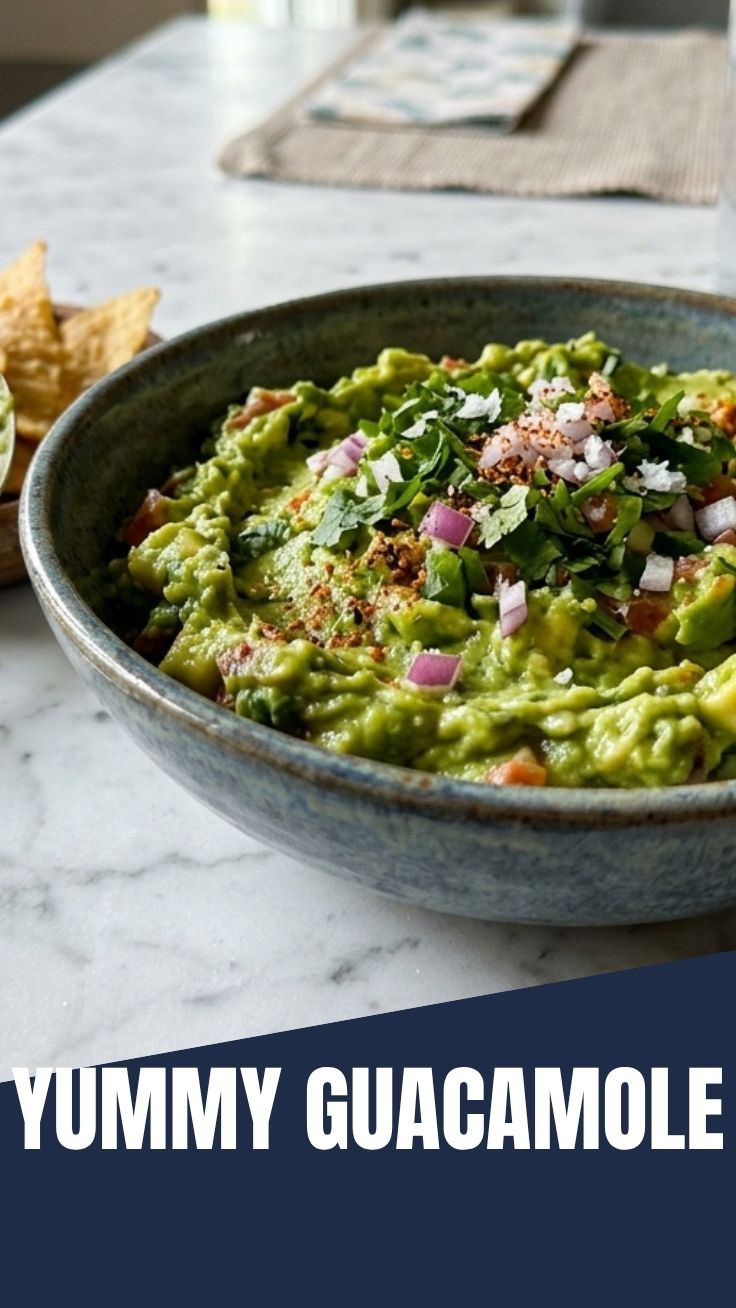
The image above shows the ideal texture: creamy yet slightly chunky. Unlike many recipes, this one requires zero cooking, so your schedule stays flexible. Prep time is just 10 minutes. After mixing, allow the dip to rest for 5 minutes so the flavors meld and the onion softens slightly in the lime juice. Total time from counter to table: 15 minutes. This makes it perfect for last-minute gatherings, weeknight dinners, or meal-prepping a healthy snack.
Step-by-Step Instructions
Follow these easy steps for consistently delicious results:
1. Cut and scoop: Slice the avocados in half lengthwise, remove the pits, and scoop the flesh into a mixing bowl.
2. Mash with intention: Use a fork or potato masher to mash until creamy but with a few small chunks remaining—this texture is key.
3. Add the aromatics: Fold in the diced red onion, minced jalapeño, and chopped cilantro.
4. Season and acidify: Squeeze in the fresh lime juice and sprinkle with sea salt. Stir gently to combine.
5. Taste and adjust: The most important step for perfect Guacamole is tasting as you go. Add more salt a pinch at a time or extra lime for more zing.
6. Smoky variation: For a version inspired by Chipotle guacamole, finely mince one chipotle pepper in adobo and stir it in with a teaspoon of the adobo sauce.
Temperature control tip: Serve chilled but not ice-cold—remove from the fridge 10 minutes before serving to allow the flavors to open up fully.
Nutritional Benefits & Advantages
This fresh avocado dip isn’t just delicious; it’s a nutritional powerhouse. Avocados are rich in heart-healthy monounsaturated fats—NHANES data shows that regular avocado consumers tend to have significantly higher HDL (“good”) cholesterol levels. A single half-avocado provides 7 grams of fiber, roughly 20% of your daily potassium needs, and 15% of your daily vitamin K. Fresh cilantro and lime add immune-boosting antioxidants, while jalapeño contains capsaicin, which may support metabolism. Naturally vegan, gluten-free, dairy-free, and low-carb, this dip fits keto, paleo, and whole-foods lifestyles with zero adjustments.
Tips Variations & Cooking Advice
– Make it creamier: Add 2 tablespoons of Greek yogurt or sour cream for an ultra-smooth texture.
– Chunky style: Mash less thoroughly and fold in large avocado cubes for a textured, salsa-like result.
– Fruity twist: Mix in diced mango, pineapple, or pomegranate seeds for a sweet-savory contrast.
– Herb swap: Replace cilantro with fresh parsley or basil if you carry the “cilantro tastes like soap” gene.
– Heat control: For a milder dip, remove all seeds and white membranes from the jalapeño; for more heat, keep them in.
– Portion changes: This recipe serves 4–6 as an appetizer—simply double it for bigger parties.
Common Mistakes to Avoid
1. Using under-ripe avocados: They are rock-hard and won’t mash well. Look for a dull, slightly bumpy skin with a gentle squeeze.
2. Over-mashing: Too much mashing creates a watery, baby-food-like paste. Keep some chunks for the best mouthfeel.
3. Skipping the lime juice: Besides flavor, lime’s citric acid prevents browning. Never skip it.
4. Adding tomatoes too early: Tomatoes release water quickly, making the dip runny. Fold them in right before serving or omit them entirely.
5. Trusting the pit trick: Keeping the pit in the bowl only protects the area directly touching it. Pressing plastic wrap on the surface is far more effective.
Storage & Meal Prep Tips
To keep your fresh dip green and flavorful, transfer it to an airtight container and press a piece of plastic wrap directly onto the surface to minimize oxygen exposure. Refrigerate for up to two days; it’s best within 24 hours. If slight discoloration occurs, simply stir and add an extra squeeze of lime. Freezing is not ideal, as thawing turns the texture mushy—though you can freeze it in a sealed bag for up to three months if you plan to blend it into soups or dressings. Never reheat; always serve cold or at room temperature.
Conclusion
There’s a reason this simple avocado dip has conquered appetizer tables worldwide: it’s fast, fresh, versatile, and undeniably delicious. By following this guide, you’ll never settle for store-bought versions again. Whether you prefer the classic tangy recipe or venture into smoky Chipotle guacamole territory, the foundation remains the same—quality ingredients, proper technique, and seasoning to your taste. I’d love to hear how your Guacamole turns out! Leave a comment below, share a photo on social media, or explore our other easy recipes for more inspiration. Happy dipping!
FAQs
1. How do I keep this dip from turning brown overnight?
Press a layer of plastic wrap directly onto the surface, then seal the container. Adding an extra squeeze of lime and stirring before serving also restores fresh color.
2. Can I make this without cilantro?
Absolutely. Cilantro is traditional, but parsley, basil, or even mint make lovely substitutes. For a plain version, simply omit it—no other adjustments are needed.
3. What’s the fastest way to ripen avocados?
Place avocados in a brown paper bag with an apple or banana on your countertop. The ethylene gas they emit speeds ripening within 1–2 days. Avoid microwaving them, as it ruins the texture.
4. Is this recipe already vegan and gluten-free?
Yes! The dish contains only plant-based ingredients and is naturally gluten-free. Just double-check any pre-mixed spice blends, as some contain gluten fillers.
5. How spicy is this dip?
With one seeded jalapeño, the heat is mild-to-medium. To tame it, remove all seeds and ribs; to ramp it up, add a second jalapeño or a minced chipotle in adobo.
Proven way to grow perfect Guacamole
Ingredients
Equipment
Method
- Carefully remove the pit from a ripe avocado and wash off any remaining fruit flesh.
- Insert 3-4 toothpicks around the middle of the avocado pit, spacing them evenly.
- Suspend the pit over a glass of water, ensuring the broader end of the pit is submerged in about an inch of water.
- Place the glass in a warm spot away from direct sunlight and change the water every few days to prevent mold.
- Once the stem is about 6 inches tall, cut it back to 3 inches to encourage new growth.
- When the roots are thick and the stem has leaves, plant the avocado pit in a pot filled with rich potting soil, leaving the top half of the pit exposed.
- Water regularly, keeping the soil moist but not waterlogged, and provide plenty of sunlight.