The Ultimate Guide to Making Fresh Salsa at Home
Ever wondered why restaurant salsa tastes so much brighter and more vibrant than anything you can buy in a jar? The secret isn’t a proprietary recipe—it’s freshness. When you make Salsa at home, you control every ingredient, every kick of heat, and every burst of flavor. Preparing it yourself is not only more cost-effective than buying high-quality store-bought versions, but it also allows you to tailor it to your exact taste preferences. Plus, the aroma of fresh cilantro and ripe tomatoes filling your kitchen is an experience no jar can replicate. Let’s dive into making a restaurant-quality batch that will have you skipping the store aisle forever.
Ingredients & Kitchen Tools
For the Salsa (Makes about 3 cups)
– Ripe Roma tomatoes (6 medium): Firmer flesh means less watery salsa. Plum tomatoes work as a substitute.
– White onion (½ medium): Provides sharpness; sweet onion can be used for milder flavor.
– Fresh jalapeño (1-2): Seeds and ribs control heat. Serrano peppers for extra spice.
– Cilantro (½ cup packed): Essential for authentic flavor; flat-leaf parsley if you have the “soap gene.”
– Fresh lime juice (2 tablespoons): Balances acidity and brightens flavors. Bottled works but fresh is best.
– Garlic (2 cloves): Adds depth. Use roasted garlic for a sweeter, nuttier profile.
– Salt (½ teaspoon): Fine sea salt dissolves better. Start with less, adjust later.
– Optional: ¼ teaspoon cumin for smokiness, or a pinch of sugar to tame acidity.
Kitchen Tools
– Cutting board (plastic for easy cleaning) and sharp chef’s knife.
– Mixing bowl (ceramic or glass avoids metallic taste).
– Food processor or molcajete (stone mortar and pestle).
– Colander for rinsing produce.
– Juicer (handheld or electric) for lime juice efficiency.
Prep Time & Cooking Schedule
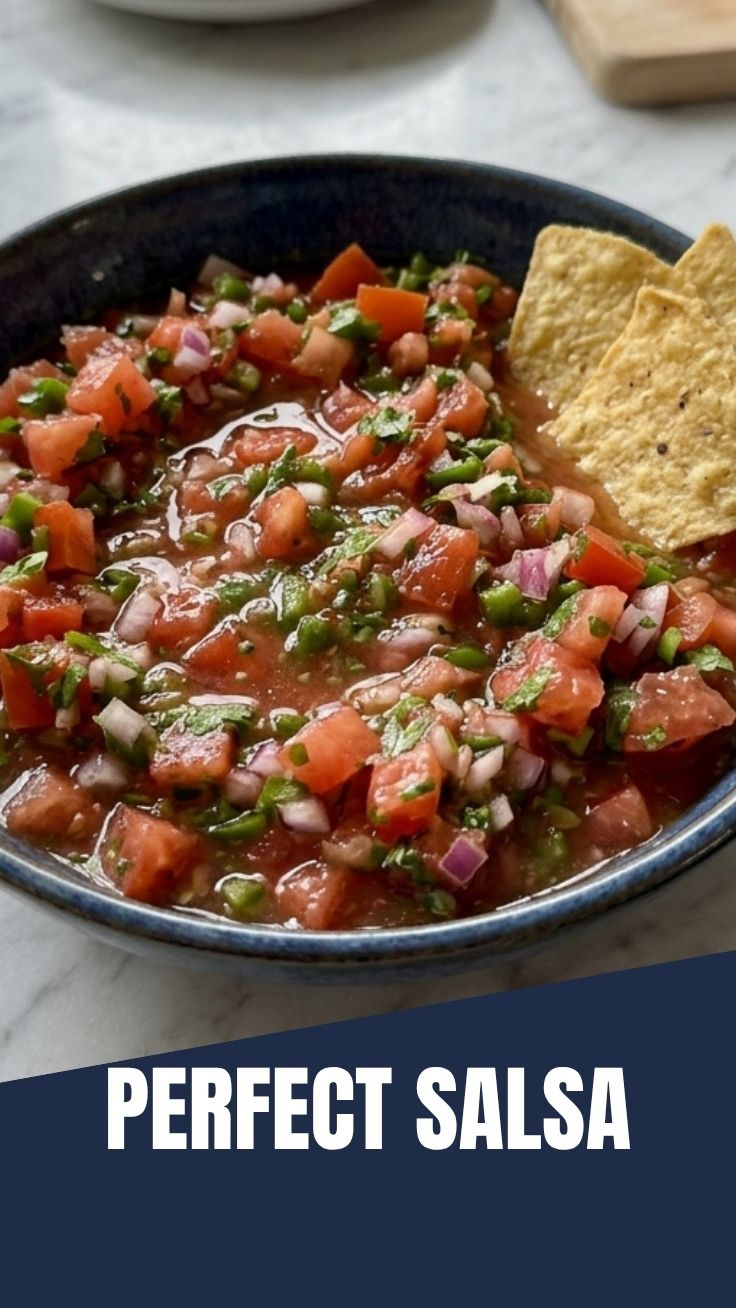
– Prep time: 15 minutes (wash, chop, gather ingredients)
– Assembly time: 5 minutes (combine and process)
– Chill time (optional): 30 minutes (allows flavors to meld)
– Total active time: 20 minutes
Pro tip: Make salsa at least 30 minutes ahead of serving. While it’s delicious immediately, the flavors deepen and marry beautifully after a short rest in the refrigerator. Perfect for last-minute gatherings or taco nights.
Step-by-Step Instructions
1. Prepare the tomatoes: Core and halve Roma tomatoes. Remove seeds and gel by gently squeezing over a bowl—this reduces wateriness. Chop coarsely into 1-inch chunks.
2. Prep aromatics: Dice onion into rough ½-inch pieces. Slice jalapeño in half; remove seeds and membranes for milder heat (leave some for a kick). Chop cilantro leaves and tender stems separately.
3. Process in batches: Place tomatoes, onion, jalapeño, garlic, and half the cilantro into a food processor. Pulse 4–5 times (1-second pulses) for a chunky texture. Avoid overprocessing into soup. For a chunky Salsa perfect for chips, use the “chop” setting an extra 2 pulses.
4. Finish with acidity: Transfer to a bowl, stir in lime juice, salt, and remaining cilantro. Taste and adjust—add more lime for brightness, salt for depth, or a sugar pinch for balance. If you’re hosting a party and guests want to get up and Salsa dancing, this bright, zesty salsa pairs beautifully with margaritas and light appetizers.
5. Chill (optional): Cover and refrigerate 30 minutes. Serve chilled or at room temperature.
Nutritional Benefits & Advantages
This fresh salsa is a powerhouse of nutrition with minimal calories (about 20 per ¼ cup). Tomatoes are rich in lycopene—an antioxidant linked to heart health and cancer prevention—whose absorption improves when cooked, but fresh salsa retains more vitamin C. Jalapeños contain capsaicin, which can boost metabolism temporarily. Onions and garlic offer prebiotic fiber and immune-supporting compounds. The high water content keeps you hydrated, and the absence of added oils or sugars makes this a guilt-free topping or snack.
Tips, Variations & Cooking Advice
– Roasted version: Char tomatoes, onion, and jalapeño under a broiler for 5–7 minutes (flip halfway) for smoky depth. Let cool before processing.
– Fruit salsa: Replace half the tomatoes with diced mango, pineapple, or peaches for a sweet-tart twist.
– Herb swaps: Add mint or basil with cilantro for a unique profile.
– Dietary notes: Naturally gluten-free, vegan, and dairy-free. No modifications needed.
– Portion shortcut: Double the batch—mango salsa keeps 4–5 days in the fridge.
Common Mistakes to Avoid
– Watery salsa: Skipping seed removal from tomatoes dilutes flavor. Always deseed and drain.
– Mushy texture: Overprocessing in a food processor creates sauce, not salsa. Use short pulses.
– Flat taste: Missing acidity (lime juice) or salt. Season gradually, tasting after each addition.
– Bitter flavors: Using entire jalapeño seeds or old cilantro (leaves should be bright green without yellowing).
– Lack of depth: Not allowing resting time. Even 15 minutes improves flavor cohesion.
Storage & Meal Prep Tips
– Refrigeration: Store in an airtight container for up to 5 days. The flavor intensifies over time but texture softens.
– Freezing: Freeze in portioned zip-top bags (press out air) for up to 3 months. Thaw in fridge overnight—texture will be more liquid, best for cooked dishes or sauces.
– Reheating: Not necessary for fresh salsa, but if frozen/thawed, use as a simmer sauce for chicken or fish.
– Reviving leftovers: Add fresh lime juice and a pinch of salt to brighten flavors after refrigeration.
Conclusion
Making fresh salsa at home transforms simple ingredients into a vibrant, customizable condiment that elevates everything from tacos to grilled meats. With just 20 minutes of active effort, you can enjoy a Salsa that’s free from preservatives and packed with flavor. Whether you’re hosting a casual get-together or fueling a night of Salsa dancing, this recipe delivers every time. Share your results in the comments—did you try a fruit or roasted variation? The possibilities are endless, and the taste is always better than store-bought.
FAQs
Q1: Can I use canned tomatoes for this recipe?
Yes, but you’ll need fire-roasted diced tomatoes (drained). Fresh still offers superior texture, but canned works in a pinch for cooked salsa.
Q2: How do I make it spicier without making it watery?
Add seeds from 1–2 jalapeños or include a minced habanero. Avoid extra liquid—manage heat with pepper quantity and type.
Q3: My salsa is too acidic—how can I fix it?
Stir in a pinch of sugar or a teaspoon of honey. You can also add more diced tomato or a diced avocado to mellow acidity.
Q4: Can I make this ahead for a party?
Absolutely. Prepare up to 1 day in advance; the flavor improves. Stir before serving and add fresh cilantro for color.
Q5: Why does my salsa turn watery after a day?
Tomatoes release water over time. To minimize, salt the diced tomatoes first and let them sit 10 minutes, then drain before adding other ingredients.
Best way to grow Salsa: 5 Proven TipsSalsa
Ingredients
Equipment
Method
- Choose the Right Varieties: Select tomato varieties like Roma or Beefsteak, and pepper varieties like Jalapeño or Serrano, which are ideal for salsa due to their flavor and texture.
- Provide Ample Sunlight: Ensure your salsa garden receives at least 6-8 hours of direct sunlight daily to promote healthy growth and fruit production.
- Prepare Nutrient-Rich Soil: Amend your garden soil with compost and organic matter to create a well-draining, nutrient-rich environment that supports vigorous plant development.
- Consistent Watering Practices: Water your plants regularly, especially during dry spells, keeping the soil consistently moist but not waterlogged, which is crucial for juicy tomatoes and crisp peppers.
- Implement Pest and Disease Control: Monitor your plants for signs of pests or diseases, using organic pest control methods and ensuring good air circulation to prevent issues, protecting your harvest.