Why This Homemade Teriyaki Chicken Will Change Your Dinner Routine
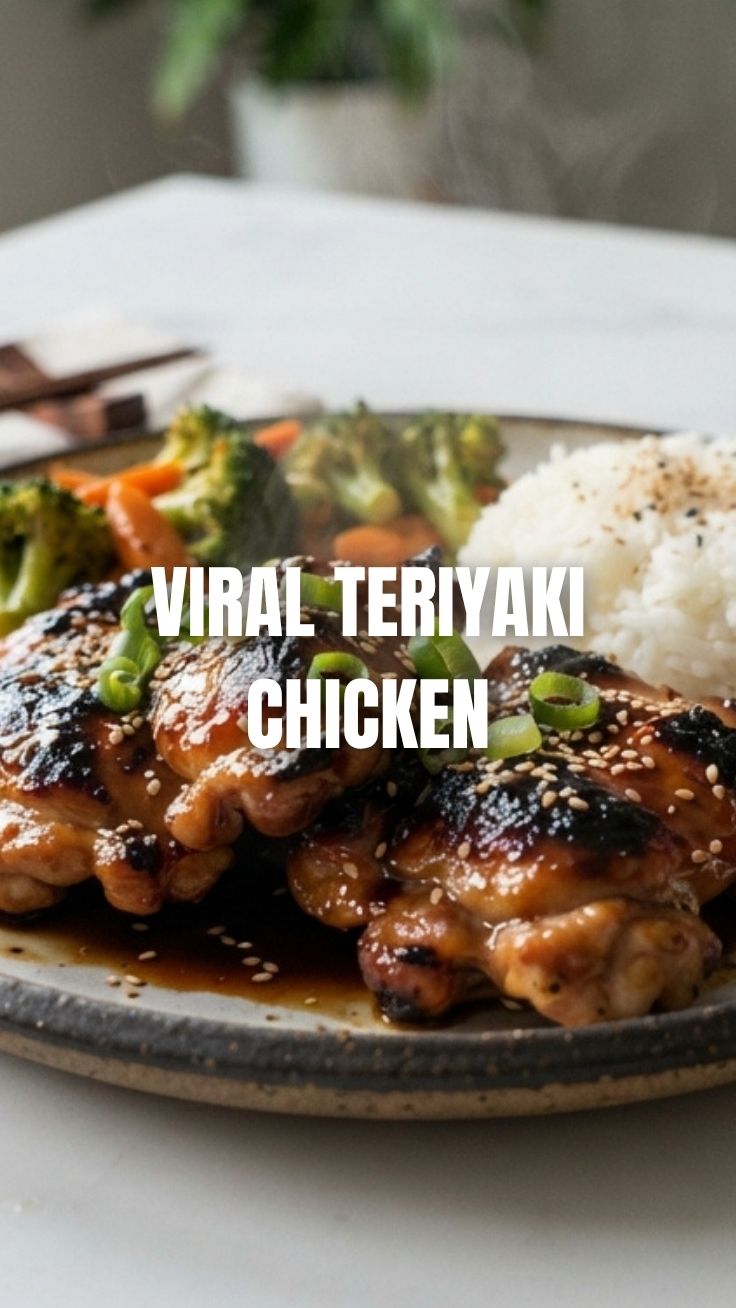
Have you ever wondered why restaurant-style Teriyaki Chicken always tastes so much better than takeout versions? The secret lies in the balance of sweet and savory notes from a perfectly crafted Teriyaki Sauce, combined with the caramelization that occurs when you cook it at home. Preparing this dish from scratch not only saves you money but also gives you full control over the ingredients, allowing you to avoid preservatives and excess sodium. Whether you’re a busy parent looking for a quick weeknight meal or a home cook eager to impress guests, this Teriyaki Chicken recipe delivers consistent, restaurant-quality results every single time.
Ingredients & Kitchen Tools
For the Chicken and Marinade:
– 1.5 lbs boneless, skinless chicken thighs (or breasts for leaner option)
– ½ cup soy sauce (low-sodium preferred)
– ¼ cup mirin (Japanese sweet rice wine; substitute with dry sherry + sugar)
– 3 tablespoons honey or brown sugar
– 2 cloves garlic, minced
– 1 teaspoon fresh ginger, grated
– 1 tablespoon rice vinegar
– 1 teaspoon sesame oil
For the Thickening Agent:
– 1 tablespoon cornstarch mixed with 2 tablespoons cold water (slurry)
Kitchen Tools:
– Large skillet or wok (non-stick works best)
– Mixing bowl
– Whisk or fork
– Sharp knife and cutting board
– Measuring spoons and cups
– Tongs or spatula
– Small saucepan (if making sauce separately)
Optional Substitutions:
– Gluten-free tamari instead of soy sauce
– Coconut aminos for a soy-free version
– Maple syrup instead of honey for vegan option
Prep Time & Cooking Schedule
Total active time: 25 minutes
Marinating time: minimum 20 minutes (ideal 2 hours)
Total time from start to finish: 45 minutes (including marinating)
This recipe is designed for efficiency. While the chicken marinates (you can prepare the sauce during this time), you’ll have a complete meal ready in under an hour. The resting period after cooking allows the juices to redistribute, ensuring every bite is tender and flavorful. Plan your schedule accordingly—marinate the chicken while you prep vegetables or cook rice, and you’ll have a perfectly timed dinner.
Step-by-Step Instructions
1. Prepare the Marinade: In a medium bowl, whisk together soy sauce, mirin, honey, minced garlic, grated ginger, rice vinegar, and sesame oil. Reserve ¼ cup of this mixture for later use as the finishing sauce.
2. Marinate the Chicken: Place chicken thighs in a shallow dish or zip-top bag. Pour the remaining marinade over the chicken, ensuring each piece is well coated. Refrigerate for at least 20 minutes (or up to 4 hours for deeper flavor). Pro tip: Never marinate longer than 4 hours, as the acid in the marinade can break down the meat fibers too much.
3. Cook the Chicken: Heat a large skillet over medium-high heat. Add a drizzle of oil. Remove chicken from marinade (discard used marinade) and place in the hot skillet. Cook for 5-6 minutes per side until golden brown and internal temperature reaches 165°F. The key to achieving that signature glossy finish on your Teriyaki Chicken is to resist moving the chicken too early—let it develop a deep caramelized crust.
4. Prepare the Teriyaki Sauce: In a small saucepan, combine the reserved ¼ cup marinade with the cornstarch slurry. Whisk continuously over medium heat until the sauce thickens and becomes glossy—about 2-3 minutes. This Teriyaki Sauce should coat the back of a spoon without being overly thick.
5. Glaze and Serve: Return the cooked chicken to the skillet and pour the thickened sauce over it. Toss to coat evenly. Let it simmer for 1 minute, allowing the sauce to cling to the chicken. Slice against the grain and serve over steamed rice with steamed broccoli or sautéed bok choy.
Nutritional Benefits & Advantages
This homemade Teriyaki Chicken offers significant nutritional advantages over takeout versions. One serving (about 6 oz chicken with sauce) provides approximately 320 calories, 28g protein, 18g carbohydrates, and 12g fat. The ginger and garlic in the recipe contain anti-inflammatory compounds like gingerol and allicin, which support immune health. Chicken thighs provide more iron and zinc than breasts, while the sesame oil adds healthy monounsaturated fats. By controlling the sodium content with low-sodium soy sauce, you reduce your salt intake by nearly 40% compared to restaurant versions. The mirin and honey provide natural sweetness without high-fructose corn syrup, making this a cleaner option for your family.
Tips Variations & Cooking Advice
Flavor Twists:
– Spicy Mango: Add 1 tablespoon sriracha and ½ cup diced mango to the sauce
– Pineapple: Replace honey with pineapple juice and add grilled pineapple chunks
– Sesame Ginger: Double the ginger and add 2 tablespoons toasted sesame seeds
Method Variations:
– Oven-baked: Marinate chicken, then bake at 400°F for 25 minutes. Brush with sauce halfway through
– Air fryer: Cook at 375°F for 12-14 minutes, flipping halfway
– Slow cooker: Cook on low for 4 hours, then thicken sauce on stovetop
Dietary Adaptations:
– Gluten-free: Use tamari or coconut aminos instead of soy sauce
– Dairy-free: Naturally dairy-free, but verify your mirin brand
– Low-carb: Skip the honey and use monk fruit sweetener; serve with cauliflower rice
Common Mistakes to Avoid
1. Overcrowding the Pan: When you add too many chicken pieces at once, the pan temperature drops, causing the chicken to steam instead of sear. Cook in batches if necessary, leaving space between each piece.
2. Skipping the Sauce Thickening Step: A watery sauce won’t cling to the chicken properly. Always use the cornstarch slurry and cook it until it becomes translucent and glossy. If the sauce is too thin, add more slurry one teaspoon at a time.
3. Overcooking the Chicken: Chicken thighs are forgiving, but breasts can dry out quickly. Use an instant-read thermometer to ensure perfect doneness. Remove from heat at 160°F for thighs (carryover cooking will bring it to 165°F).
4. Using Cold Chicken from the Fridge: Cold meat seizes up when it hits the hot pan. Let the marinated chicken sit at room temperature for 15 minutes before cooking for more even cooking.
Storage & Meal Prep Tips
Refrigeration: Store leftover Teriyaki Chicken in an airtight container for up to 4 days. Keep the sauce separate if possible, as it can make the chicken soggy over time. Reheat in a skillet over medium heat with a splash of water to restore moisture.
Freezing: This dish freezes beautifully. Place cooled chicken and sauce in a freezer-safe bag, removing as much air as possible. Freeze for up to 3 months. Thaw overnight in the refrigerator before reheating.
Meal Prep Strategy: Cook a double batch on Sunday. Portion into containers with rice and vegetables for easy grab-and-go lunches. The flavors actually improve after a day in the fridge as the sauce continues to penetrate the meat.
Conclusion
Mastering this Teriyaki Chicken recipe at home transforms your dinner routine from ordinary to extraordinary. The combination of a perfectly balanced Teriyaki Sauce with properly seared chicken creates a dish that rivals your favorite Japanese restaurant while giving you complete control over quality and nutrition. Remember, the key takeaways are: marinate wisely, sear without overcrowding, thicken the sauce properly, and enjoy the superior flavor of homemade cooking. We encourage you to try this recipe tonight and share your results—tag us in your creations or leave a comment below with your favorite variation. Your kitchen is about to become your new favorite teriyaki spot.
FAQs
Can I use chicken breast instead of thighs?
Absolutely. Chicken breasts work well but require careful attention to avoid drying out. Reduce cooking time to 4-5 minutes per side and check internal temperature early. Pound thicker breasts to even thickness for uniform cooking.
What if I don’t have mirin?
Substitute with 2 tablespoons dry sherry or white wine mixed with 1 teaspoon sugar. The flavor profile changes slightly, but the result is still delicious. Rice vinegar can also work in a pinch, though it’s more acidic.
How do I make the sauce thicker without cornstarch?
Reduce the sauce longer over low heat until it naturally thickens, or use arrowroot powder (1:1 substitute for cornstarch). For a grain-free option, simmer the sauce with 1 tablespoon of coconut flour, whisking continuously.
Can I make this dish ahead of time for a party?
Yes! Prepare the chicken through step 3, then cool and refrigerate. Before serving, reheat in a skillet, add the thickened sauce, and toss to coat. This prevents the sauce from becoming too absorbed during storage.
Why is my chicken tough instead of tender?
Tough chicken usually indicates overcooking or using too high heat. Always use medium-high heat (not high) and cook to 165°F internal temperature. Marinating for at least 30 minutes also helps break down proteins for tenderness.
Quick way to grow 4 Teriyaki Chicken recipes
Ingredients
Equipment
Method
- Cut chicken thighs into bite-sized pieces and set aside.
- In a bowl, combine teriyaki sauce, soy sauce, honey, grated ginger, and minced garlic to create the base sauce.
- Divide the chicken into four portions, marinate each portion with the base teriyaki sauce, then cook in a pan or oven until done.
- For the classic version, cook one portion of chicken with the base sauce and garnish with sesame seeds.
- For spicy teriyaki, add sriracha and red pepper flakes to one portion of chicken with the base sauce before cooking.
- For pineapple teriyaki, mix drained pineapple chunks with one portion of chicken and the base sauce before cooking.
- For a ginger-garlic boost, add extra grated ginger and minced garlic to the final portion of chicken with the base sauce before cooking.