Beat the Heat with Homemade Frozen Lemonade
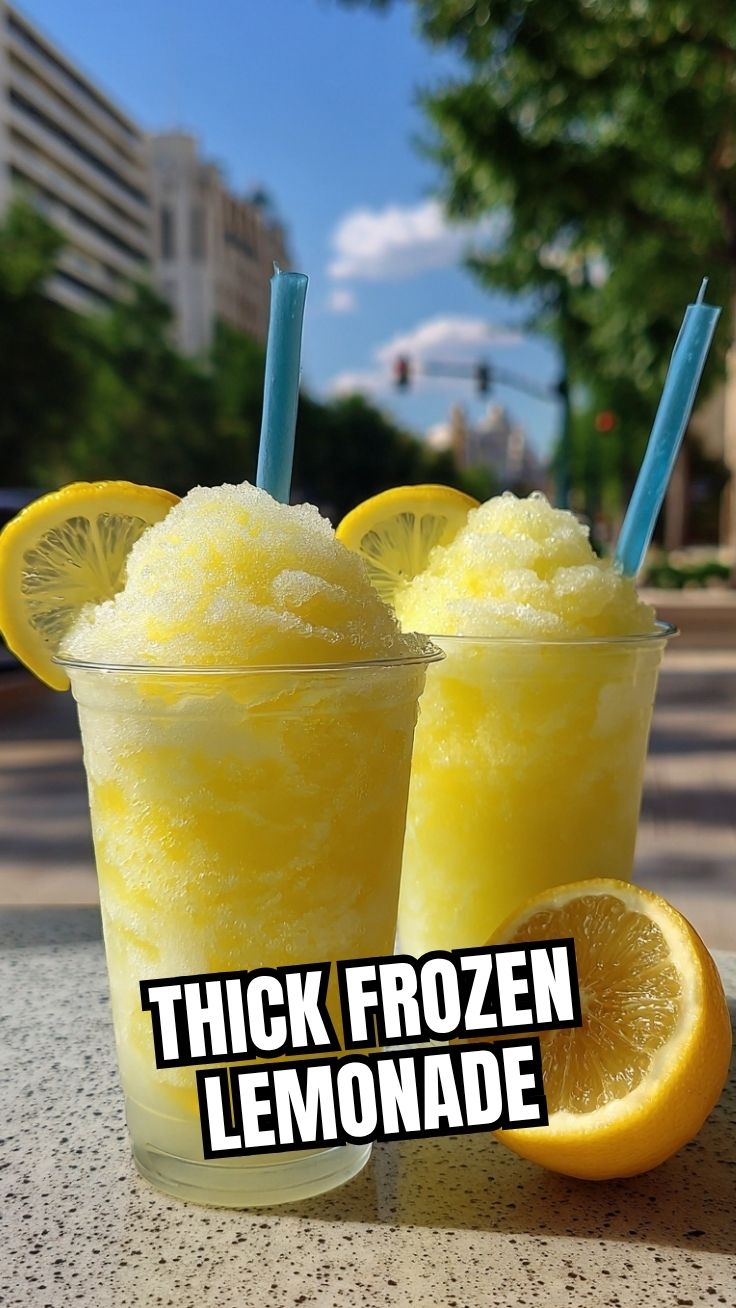
What’s more refreshing than a tall glass of Frozen Lemonade on a sweltering afternoon? This icy citrus treat combines the tangy sweetness of traditional lemonade with a slushy, spoon-able texture that instantly cools you down. While store-bought versions are loaded with preservatives and excess sugar, making your own frozen lemonade at home puts you in control of the ingredients—and the flavor. With just a few simple kitchen staples and a blender, you can whip up a batch that’s naturally sweet, incredibly refreshing, and perfectly balanced. In this guide, you’ll learn the exact steps, timing, and pro tips to create the ultimate frozen lemonade every time.
Ingredients & Kitchen Tools
Ingredients
– 4 large lemons – Freshly squeezed yields about 1 cup of juice; avoid bottled juice for best flavor.
– 1 cup granulated sugar – Adjust to taste; honey or agave work as substitutes.
– 3 cups cold water – Filtered water enhances clarity and taste.
– 2 cups ice cubes – Use more for a thicker slush; less for a pourable consistency.
– 1 tablespoon lemon zest – Optional, but adds aromatic oils and deeper citrus notes.
– Pinch of salt – Balances acidity and heightens sweetness.
Kitchen Tools
– Citrus juicer or reamer – For efficient juice extraction.
– Fine-mesh strainer – Removes pulp and seeds for a smooth texture.
– Blender – High-speed preferred; a food processor works for smaller batches.
– Measuring cups and spoons – Accurate proportions ensure consistent results.
– Serving glasses – Chilled glasses keep the slush cold longer.
– Spoons or straws – For easy enjoyment.
Optional Substitutions
– Sugar alternative – Use ½ cup monk fruit sweetener or stevia drops for a low‑calorie version.
– Herbal twist – Add 5–6 fresh mint leaves or a sprig of basil while blending.
– Frozen fruit – Substitute ½ cup of ice with frozen strawberries or mango for a flavored slush.
Prep Time & Cooking Schedule
– Prep time: 10 minutes (juicing, zesting, measuring).
– Blend time: 2–3 minutes.
– Chilling (optional): 30 minutes in the freezer if you prefer a firmer texture.
– Total hands-on: ~15 minutes.
– Yield: 4 servings (about 1 quart).
Plan ahead: If you want an extra‑thick slush, place your serving glasses in the freezer for 15 minutes before blending. This simple step keeps the frozen lemonade from melting too quickly.
Step-by-Step Instructions
1. Juice and zest the lemons. Roll each lemon firmly on the counter to release the juices, then slice and squeeze. Strain the juice into a measuring cup to remove seeds and pulp. Zest one lemon before juicing—set aside.
2. Make a simple syrup. In a small saucepan, combine the sugar and 1 cup of water. Heat over medium, stirring until the sugar dissolves completely. Remove from heat and let cool for 5 minutes. This syrup blends more smoothly than granulated sugar.
3. Combine in the blender. Pour the cooled syrup, fresh lemon juice, lemon zest, remaining 2 cups of cold water, and a pinch of salt into the blender. Add 2 cups of ice cubes.
4. Blend until slushy. Start at low speed, gradually increase to high, and blend for 45–60 seconds. Stop and scrape down the sides if needed. The mixture should be thick, smooth, and slightly pourable—adjust by adding more ice for thickness or a splash of water for thinner consistency.
5. Taste and adjust. Sample the frozen lemonade—if it’s too tart, add a tablespoon more syrup; if too sweet, add a squeeze of fresh lemon. The balance should be bright and refreshing, not cloying.
6. Serve immediately. Pour into chilled glasses, garnish with a lemon wheel or mint sprig, and enjoy right away.
Pro tip: For a creamier texture, swap ½ cup of ice for ½ cup of frozen vanilla yogurt or coconut cream.
Nutritional Benefits & Advantages
This homemade frozen lemonade is a smart choice for a cooling treat. Lemons are packed with vitamin C, which supports immune function and skin health. The natural acidity aids digestion, and the high water content helps with hydration. By controlling the sugar, you can reduce calories significantly compared to commercial versions—a typical serving has around 80–120 calories depending on sweetener choice. Additionally, avoiding artificial colors and preservatives makes this a clean‑label dessert. For those watching their salt intake, the pinch of salt adds negligible sodium while enhancing flavor.
Tips Variations & Cooking Advice
– Flavor variations: Blend in a handful of fresh raspberries or blueberries for a berry‑lemon slush. For a tropical twist, use coconut water instead of plain water.
– Dietary adaptations: For a sugar‑free version, use erythritol or allulose; note that texture may be slightly icier. For a dairy‑free creamy version, add half an avocado or a scoop of unsweetened coconut cream.
– Batch preparation: Double the recipe and freeze the extra in ice cube trays. Later, blend the lemonade cubes with a splash of water for instant single servings.
– Serving suggestion: Turn it into a party punch by adding a splash of sparkling water or vodka (adults only) just before serving.
Common Mistakes to Avoid
– Using bottled lemon juice – It lacks the fresh, vibrant flavor of real lemons and often contains preservatives.
– Skipping the strain – Even a few seeds or large pulp pieces can make the texture unpleasant.
– Over‑blending – Running the blender too long melts the ice, resulting in a thin, watery drink. Blend just until slushy.
– Not adjusting sweetness – Lemon acidity varies; always taste and tweak before serving.
– Letting it sit too long – Frozen lemonade separates and loses its slushy texture within 15–20 minutes. Serve immediately or keep the blender container in the freezer for short holds.
Storage & Meal Prep Tips
Store any leftover frozen lemonade in an airtight container in the freezer for up to 2 weeks. The texture will become hard, so to serve, let it sit at room temperature for 10–15 minutes, then re‑blend with a tablespoon of water to restore the slushy consistency. Avoid refrigerating, as it will melt into regular lemonade. For meal prep, freeze individual portions in silicone muffin molds; pop one out, blend briefly, and enjoy an instant single‑serving treat.
Conclusion
Making your own Frozen Lemonade is a rewarding way to stay cool without artificial additives. With just five core ingredients and a blender, you can craft a drink that’s both tangy and sweet, with a texture that’s endlessly refreshing. Whether you stick to the classic version or experiment with berry or herbal twists, this recipe fits any occasion—from backyard barbecues to quiet afternoons. Give it a try and let us know how it turns out in the comments below! For more citrusy inspirations, check out our guide to homemade lemon sorbet.
FAQs
1. Can I make frozen lemonade without a blender?
Yes. Use a food processor or even a hand mixer (with a deep bowl) to crush the ice, but you’ll need to crush the ice separately first. A blender gives the smoothest, most consistent slush.
2. Can I use limes instead of lemons?
Absolutely—swap equal amounts of fresh lime juice for a bright, slightly more acidic variation. The frozen limeade will be equally refreshing.
3. Why is my frozen lemonade too icy?
The most common cause is too much ice relative to liquid. Reduce ice by ½ cup and add a tablespoon of simple syrup or fruit puree, which lowers the freezing point and yields a creamier slush.
4. How can I make it less sweet?
Cut the sugar to ¾ cup or use a zero‑calorie sweetener. You can also add more lemon juice to increase tartness, which naturally reduces perceived sweetness.
5. Can I make a large batch for a party?
Yes. Multiply the recipe and blend in batches. Combine all batches in a large punch bowl and keep it chilled by setting the bowl over a larger one filled with ice. Stir occasionally to maintain the slushy texture.
Proven way to grow creamy Frozen Lemonade
Ingredients
Equipment
Method
- Combine fresh lemon juice, sweetened condensed milk, and cold water in a blender.
- Add ice to the blender.
- Blend until the mixture is smooth and creamy.
- Serve immediately and enjoy your creamy frozen lemonade.