Why This Homemade Pasta Primavera Deserves a Spot in Your Weekly Rotation
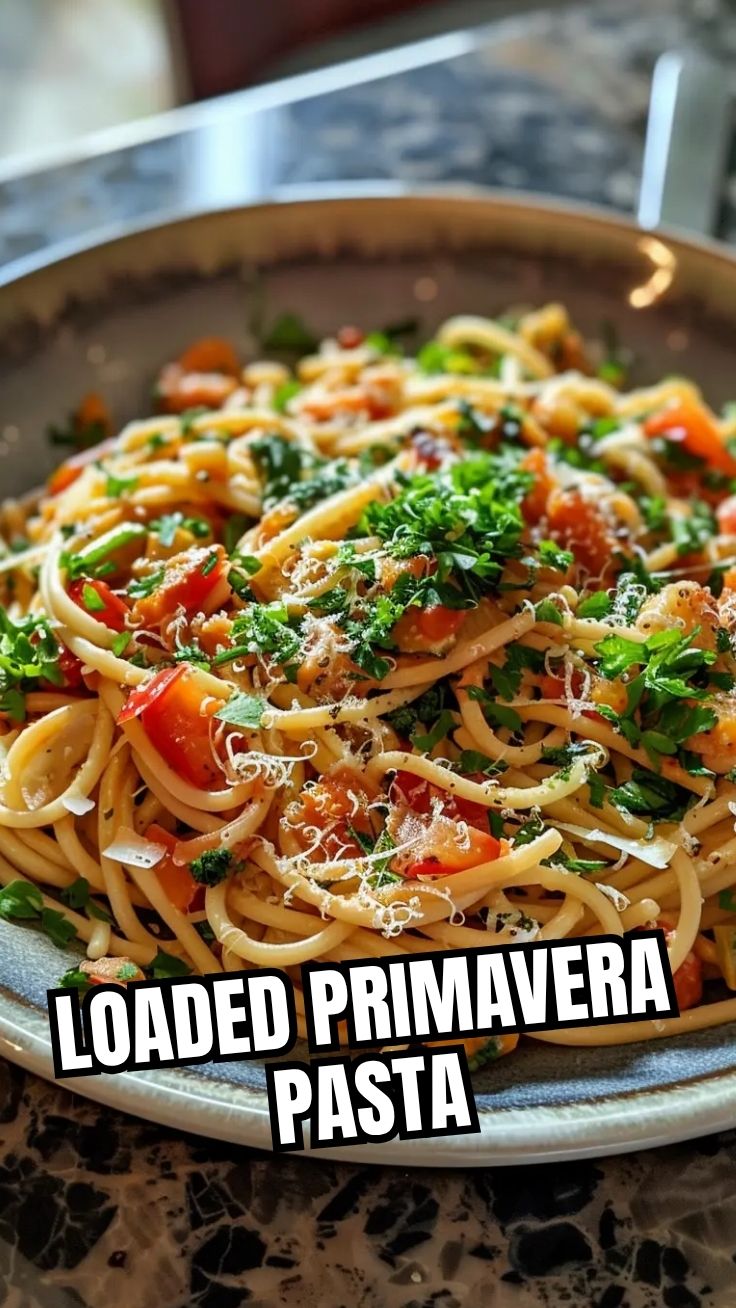
Have you ever opened your refrigerator to find a colorful medley of fresh vegetables and wondered how to transform them into something truly memorable? That’s exactly the moment when a vibrant Pasta Primavera comes to the rescue. Unlike heavy cream-based pasta dishes, this spring-inspired classic celebrates the natural sweetness and texture of seasonal produce, making it a satisfying yet light meal any day of the week. Preparing it at home gives you complete control over the ingredients, allowing you to adjust the vegetables based on what’s freshest at the market or growing in your garden. This Primavera pasta recipe has been a staple in Italian-American homes for decades, and for good reason: it’s versatile, nutritious, and comes together in about the time it takes to boil water. Whether you’re feeding a family or meal-prepping for the week ahead, learning to master this dish will transform how you think about vegetable-forward cooking.
Ingredients & Kitchen Tools
For the Pasta and Vegetables
– Pasta: 12 ounces of short pasta like penne, fusilli, or farfalle. The ridges and curves catch the sauce beautifully. Gluten-free alternatives like lentil or chickpea pasta work well here.
– Asparagus: 1 bunch, woody ends snapped off and cut into 2-inch pieces. Adds a grassy, slightly sweet note.
– Zucchini: 1 medium, quartered lengthwise and sliced. Look for firm, unblemished skin.
– Yellow squash: 1 medium, prepared the same way as zucchini. Provides a mellow, buttery counterpoint.
– Cherry tomatoes: 1 pint, halved. They burst during cooking, creating a light sauce.
– Red bell pepper: 1 medium, thinly sliced. Adds sweetness and a pop of color.
– Frozen peas: ½ cup, thawed. A classic addition for sweetness and texture.
– Garlic: 4 cloves, thinly sliced. Do not mince—thin slices infuse flavor without burning.
– Shallot: 1 medium, finely diced. Milder than onion, it blends into the background.
– Fresh basil: ¼ cup, chiffonade. Use as a garnish.
– Fresh parsley: ¼ cup, chopped. For freshness.
– Grated Parmesan: ½ cup, plus more for serving. Use a microplane for that fluffy texture.
– Lemon: 1 small, juiced and zested. Brightens all the flavors.
– Olive oil: 3 tablespoons, extra-virgin. Use a good-quality one for finishing the dish.
– Butter: 1 tablespoon (optional). Adds richness.
– Salt and black pepper: To taste.
– Red pepper flakes: ½ teaspoon (optional). For gentle heat.
Kitchen Tools
– Large pot for boiling pasta
– Colander
– Large skillet or sauté pan (12-inch preferred)
– Chef’s knife and cutting board
– Microplane or zester
– Measuring cups and spoons
– Wooden spoon or silicone spatula
– Tongs
Optional Substitutions
– Chicken or vegetable broth instead of pasta water for a richer sauce
– White wine (¼ cup) deglazed after cooking shallots for additional depth
– Pine nuts or slivered almonds toasted for crunch
– Burrata or fresh mozzarella torn over the finished dish
Prep Time & Cooking Schedule
Total Time: 35 minutes
Active Prep Time: 15 minutes
Cook Time: 20 minutes
Resting Time: None required
This recipe moves quickly, so read through the instructions before starting. The key to success is having all your vegetables prepped before you begin cooking. Set a large pot of salted water to boil while you wash and chop everything. The pasta and vegetables cook simultaneously, so you’ll need to multitask—a great skill to develop for weeknight cooking enthusiasts.
Step-by-Step Instructions
Step 1: Prepare the Pasta
Bring a large pot of generously salted water to a rolling boil—aim for water that tastes like the sea. Add your pasta and cook according to package directions until al dente, usually 8–10 minutes. Before draining, reserve 1½ cups of the starchy pasta water. This liquid gold will help bind the sauce to your Pasta Primavera. Drain the pasta but do not rinse it; the residual starch on the surface helps the sauce cling.
Step 2: Sauté the Aromatics
While the pasta cooks, heat 2 tablespoons of olive oil in your large skillet over medium heat. Add the sliced shallot and cook for 2 minutes until translucent. Add the sliced garlic and red pepper flakes, stirring constantly for 30 seconds—watch closely, as garlic burns quickly and turns bitter.
Step 3: Cook the Hearty Vegetables
Increase the heat to medium-high. Add the asparagus, bell pepper, zucchini, and yellow squash to the skillet. Do not overcrowd—if necessary, cook in batches. Let the vegetables sit undisturbed for 2 minutes to develop golden-brown edges, then toss and cook for another 2–3 minutes. You’re looking for crisp-tender texture, not limp vegetables. Season with salt and pepper here so the flavors build.
Step 4: Add the Quick-Cooking Vegetables
Reduce heat to medium. Add the cherry tomatoes and cook for 2 minutes until they begin to soften and release their juices. Gently press a few with the back of your spoon to burst them. Stir in the thawed peas and cook for 1 more minute. The tomatoes create a light, natural sauce without any cream.
Step 5: Combine and Finish
Add the drained pasta directly to the skillet with the vegetables. Toss well. Pour in ½ cup of reserved pasta water and a squeeze of lemon juice. Toss vigorously to emulsify. Add the butter if using, and toss until melted and glossy. The sauce should coat each piece of pasta lightly—add more pasta water if needed, ¼ cup at a time. Remove from heat, stir in most of the Parmesan and herbs, reserving some for garnish. Taste and adjust salt, pepper, and lemon. Master this Primavera pasta recipe by learning to judge the consistency: you want a silky coating, not a soupy puddle.
Step 6: Serve Immediately
Divide among warm bowls, top with remaining Parmesan, fresh basil, and a drizzle of good olive oil. A final crack of black pepper and a pinch of flaky sea salt elevates every bite.
Nutritional Benefits & Advantages
This dish is a powerhouse of nutrition wrapped in comfort. The colorful array of vegetables provides a broad spectrum of vitamins and antioxidants: asparagus delivers folate and vitamins A, C, and K; bell peppers are exceptionally high in vitamin C; zucchini offers manganese and vitamin B6; and tomatoes contribute lycopene, a powerful antioxidant linked to heart health. The olive oil supplies heart-healthy monounsaturated fats. Using whole-grain or legume-based pasta boosts fiber and plant protein content. Compared to cream-based pasta dishes, this version has significantly less saturated fat and calories, making it suitable for weight management and heart-conscious diets. The moderate protein from cheese and pasta helps maintain stable blood sugar levels.
Tips Variations & Cooking Advice
Flavor Variations
– Add 8 ounces of cooked shrimp, chicken, or Italian sausage during the last 2 minutes of cooking for a protein boost.
– Stir in ¼ cup of pesto at the end for a basil-forward twist.
– Use a splash of white wine vinegar or balsamic in place of lemon juice for different acidity.
Ingredient Swaps
– Replace asparagus with green beans or broccolini.
– Substitute cherry tomatoes with sun-dried tomatoes (oil-packed) for deeper umami.
– Swap peas with edamame or chopped green beans.
Cooking Methods
– Grill the vegetables beforehand for a smoky char—toss with oil and grill in a basket over high heat for 4 minutes.
– Roast vegetables at 425°F on a sheet pan while the pasta cooks for a hands-off approach.
Dietary Adaptations
– Gluten-free: Use certified gluten-free pasta like brown rice or quinoa varieties.
– Dairy-free: Omit Parmesan and use nutritional yeast (2 tablespoons) or vegan Parmesan. The pasta water creates enough binding without cheese.
– Low-carb: Substitute zucchini noodles or spaghetti squash for half the pasta. Reduce cooking time for vegetables slightly to avoid mushiness.
Common Mistakes to Avoid
Overcooking the Vegetables
The biggest pitfall is cooking vegetables until they’re limp and watery. Vegetables should retain a slight crunch—think crisp-tender, not soft. Cook in batches if needed, and remove from heat immediately when done.
Underseasoning the Pasta Water
Your pasta water should taste salty like the ocean. This is the only chance to season the pasta from the inside out. Skimping here results in bland noodles that no amount of finishing salt can fully correct.
Rinsing the Cooked Pasta
Rinsing removes the starch that helps sauce cling to noodles. Drain without rinsing unless you’re making a cold pasta salad.
Adding Cheese to a Too-Hot Pan
Parmesan turns stringy and clumps if added to direct heat. Always stir in cheese off the heat or with enough liquid to keep it emulsified.
Skipping the Pasta Water Reserve
This is non-negotiable. Pasta water is the secret to a silky, cohesive sauce that clings properly. Forgetting it leads to dry, separated pasta.
Storage & Meal Prep Tips
Refrigeration: Store leftovers in an airtight container for up to 4 days. The vegetables will soften but remain enjoyable. Keep the cheese separate if possible to prevent sogginess.
Freezing: This dish freezes moderately well for up to 2 months. Portion into freezer-safe bags, pressing out all air. Thaw overnight in the refrigerator. The texture of zucchini and squash will soften upon thawing, so expect a more rustic result.
Reheating: The best method is a skillet over medium-low heat with a splash of broth or water—this steams the pasta back to life. Microwave in 30-second bursts with a damp paper towel on top to add moisture.
Meal Prep Strategy: Cook pasta and vegetables separately, then combine only what you’ll eat immediately. Store components separately for up to 4 days, tossing together with fresh herbs and cheese upon reheating. This preserves the best texture for each component.
Conclusion
This vibrant, vegetable-forward dish proves that healthy eating never has to feel like a compromise. By mastering this Pasta Primavera, you gain a versatile framework that adapts to any season and any vegetable you have on hand. The technique of using starchy pasta water to create a light, emulsified sauce is a skill that will upgrade all your pasta recipes. This Primavera pasta recipe rewards you with a beautiful plate of food that takes less than 40 minutes from start to table. I encourage you to make this your own—swap in your favorite seasonal vegetables, adjust the spice level to your liking, and serve it with pride. Share your creation in the comments or tag me in your photos; I’d love to see how it turns out in your kitchen.
FAQs
Can I use frozen vegetables instead of fresh?
Yes, but skip thawing for most varieties except peas. Add frozen broccoli, cauliflower, or green beans directly to the skillet in step 3 and cook 2–3 minutes longer. Expect slightly softer texture than fresh. Avoid frozen zucchini or squash as they release too much water.
What pasta shape works best?
Short, sturdy shapes like penne, rigatoni, farfalle, or fusilli are ideal because their curves and ridges catch the vegetable pieces and sauce. Long pasta like spaghetti works but makes eating the vegetables less convenient.
How do I add protein without changing the dish?
Grilled chicken, sautéed shrimp, or crumbled Italian sausage integrate seamlessly. Add cooked protein in step 5 along with the pasta so everything heats through. For a vegetarian protein boost, toss in canned chickpeas or cannellini beans.
Why did my sauce turn out watery?
Too much pasta water added at once, or the vegetables released excess moisture. Solution: add water ¼ cup at a time, tossing well between additions. If the dish looks wet, cook uncovered for 1–2 minutes on medium-high heat to evaporate liquid.
Can I make this recipe cream-based?
Certainly. Reduce the reserved pasta water to ½ cup. After tossing pasta and vegetables, stir in ½ cup heavy cream and simmer 2 minutes until thickened slightly. Be aware this changes the nutritional profile significantly but creates a decadent alternative.
Best way to grow a perfect Pasta Primavera in 30 minutes
Ingredients
Equipment
Method
- Cook pasta according to package directions, then drain and set aside.
- While pasta cooks, heat olive oil in a large skillet over medium heat.
- Add garlic, broccoli, and bell pepper to the skillet, cooking for 5 minutes until tender-crisp.
- Stir in zucchini and cherry tomatoes, cooking for another 3 minutes.
- Add cooked pasta to the skillet with the vegetables.
- Pour in vegetable broth and lemon juice, then toss to combine.
- Stir in Parmesan cheese and fresh basil, seasoning with salt and pepper to taste.
- Serve immediately and enjoy your vibrant pasta primavera.