Why You Should Master Salmon Patties at Home
Are you tired of bland, dry seafood dinners that leave you reaching for the takeout menu? Imagine biting into a golden, crispy exterior that gives way to a tender, flaky interior bursting with savory herbs and bright lemon—all made from pantry staples. Preparing Salmon Patties at home isn’t just cost-effective; it puts you in control of quality, flavor, and nutrition. Whether you’re cooking for a busy weeknight or a casual weekend brunch, this Homemade salmon patties recipe transforms simple ingredients into a restaurant-worthy dish in under 30 minutes. Let’s dive into the data behind why homemade beats store-bought every time—and how to nail the perfect patty.
Ingredients & Kitchen Tools
For the patties:
– 2 cans (14.75 oz each) wild-caught salmon – drained, skin and bones removed (optional: leave bones for extra calcium, they mash easily).
– ½ cup panko breadcrumbs – substitute with crushed pork rinds for keto or gluten-free oats.
– 2 large eggs – binds moisture; use flax eggs for vegan version.
– ¼ cup finely diced red onion – adds sweetness; shallots work too.
– 2 tbsp fresh parsley – chopped; dried parsley (1 tbsp) is okay.
– 1 tsp Dijon mustard – brightens the flavor; use whole-grain for texture.
– 1 tsp lemon zest – fresh only; bottled zest lacks oils.
– ½ tsp smoked paprika – optional but adds depth.
– Salt and pepper to taste.
Kitchen tools:
– Large mixing bowl, fork, measuring spoons, non-stick skillet (cast iron recommended), spatula, paper towel-lined plate, baking sheet (if oven-baking).
Prep Time & Cooking Schedule
– Prep time: 15 minutes (drain salmon, mix ingredients, shape patties).
– Resting time: 10 minutes (chill patties in fridge for firmer texture).
– Cook time: 8–10 minutes (4–5 per side over medium heat).
– Total time: ~35 minutes.
Plan ahead: if you’re meal prepping, make the mixture the night before; the flavors meld beautifully.
Step-by-Step Instructions
1. Drain and flake the salmon into a bowl. Remove any large skin pieces but leave small bones (they’re edible and rich in calcium).
2. Combine panko, eggs, onion, parsley, mustard, lemon zest, paprika, salt, and pepper with the salmon. Mix gently—overworking makes patties dense.
3. Shape into 6–8 patties, about ½-inch thick. For uniform cooking, use a ½-cup measure.
4. Chill on a parchment-lined baking sheet for 10 minutes. This is the step that ensures your Salmon Patties hold together instead of falling apart in the pan.
5. Heat 2 tbsp oil (avocado or canola) in a skillet over medium heat. Test by flicking a drop of water – it should sizzle.
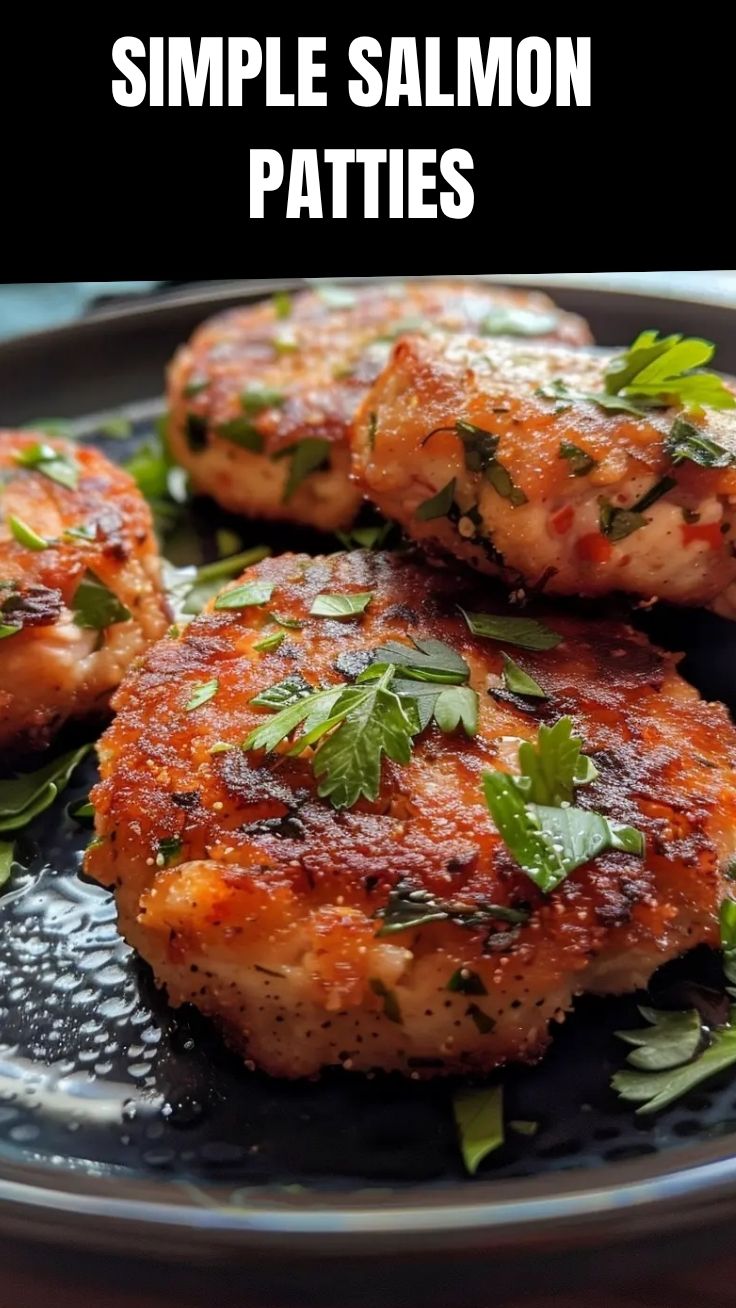
6. Cook patties 4–5 minutes per side until deep golden brown. Don’t crowd the pan; work in batches. A perfectly executed Homemade salmon patties recipe relies on allowing the crust to set before flipping.
7. Transfer to a paper towel-lined plate to drain excess oil. Serve immediately with lemon wedges or tartar sauce.
Nutritional Benefits & Advantages
Salmon patties are a nutritional powerhouse. A single patty (using canned wild salmon) provides:
– ~20g protein – supports muscle repair and satiety.
– Omega-3 fatty acids (EPA/DHA) – anti-inflammatory, heart and brain health.
– Vitamin D and B12 – often deficient in modern diets.
– Selenium – antioxidant protection.
Compared to beef or chicken patties, salmon offers fewer saturated fats and higher omega-3 content. Homemade versions also let you control sodium—canned salmon typically contains 300–400mg per serving; you can reduce by rinsing or choosing low-sodium brands.
Tips Variations & Cooking Advice
– Flavor variations: Add ¼ cup finely chopped capers or sun-dried tomatoes for a Mediterranean twist. Substitute parsley with dill or cilantro.
– Cooking methods: Bake at 400°F for 12–15 minutes (flip halfway) for a lower-fat version. Air-fry at 375°F for 8 minutes.
– Dietary swaps: Use mashed chickpeas instead of eggs for vegan patties; replace breadcrumbs with almond flour for gluten-free.
– Texture tricks: If mixture feels too wet, add 1–2 tbsp more panko. Too dry? Add a splash of lemon juice or mayonnaise.
Common Mistakes to Avoid
– Skipping the chill step: Warm patties fall apart. Refrigerate at least 10 minutes.
– Overmixing: A quick fold is enough; overworking releases too much moisture and makes patties dense.
– High heat: Medium heat is key. High heat burns the crust while the inside stays raw. Use a thermometer: target 145°F internal.
– Soggy patties: Drain canned salmon thoroughly and pat dry with paper towels. Excess moisture = steamed, not seared.
– Skipping the binding check: If the mixture doesn’t hold when pressed, add an extra egg or breadcrumbs.
Storage & Meal Prep Tips
– Refrigerate: Cooked patties keep in an airtight container for 3–4 days.
– Freeze: Place uncooked patties on a baking sheet, freeze until solid (1 hour), then transfer to a zip-top bag. They keep for 3 months.
– Reheat: Oven at 350°F for 8–10 minutes (flip halfway) or air-fryer at 350°F for 6 minutes. Avoid microwave – it turns them rubbery.
– Meal prep: Double the batch and freeze half for quick weeknight dinners. Pair with a simple salad or roasted vegetables.
Conclusion
Mastering Salmon Patties at home unlocks a world of convenience and nutrition—no more relying on frozen premade versions that lack flavor and texture. By following this Homemade salmon patties recipe, you’ve learned how to avoid common pitfalls and customize the dish to your dietary needs. Now it’s your turn: try this recipe tonight, snap a photo of your golden patties, and share your results in the comments below. Don’t forget to explore our other quick seafood dishes for more weeknight inspiration!
FAQs
Q: Can I use fresh salmon instead of canned?
A: Absolutely. Poach or bake 1 lb fresh salmon (400°F for 12 minutes), then flake and cool. Reduce added salt since fresh salmon is less salty than canned.
Q: Why are my patties falling apart?
A: Most likely the mixture was too wet or you skipped chilling. Add more breadcrumbs (1 tbsp at a time) and chill for 15 minutes before cooking.
Q: How do I make these gluten-free?
A: Replace panko with almond flour, crushed pork rinds, or gluten-free oat flour. Ensure your Dijon mustard and paprika are certified gluten-free.
Q: Can I bake instead of fry?
A: Yes. Preheat oven to 400°F, place patties on a greased baking sheet, brush with oil, and bake 12–15 minutes, flipping halfway. They’ll be less crispy but equally delicious.
Q: How long do leftovers last in the fridge?
A: Cooked patties stay fresh 3–4 days. Reheat in a skillet or oven to restore crispiness—avoid microwaving.
7 Perfect Salmon Patties
Ingredients
Equipment
Method
- In a medium bowl, flake the drained salmon with a fork, ensuring there are no large lumps; remove any skin and bones if desired.
- Add the egg, bread crumbs, mayonnaise, Dijon mustard, lemon juice, fresh dill, salt, and pepper to the salmon and mix thoroughly until well combined.
- Divide the mixture into 7 equal portions and gently shape each portion into a patty, about 1-inch thick.
- Heat the vegetable oil in a large non-stick skillet over medium heat.
- Carefully place the salmon patties into the hot skillet, ensuring not to overcrowd the pan; cook in batches if necessary.
- Cook for 4-5 minutes per side, until the patties are golden brown and heated through.
- Remove the cooked salmon patties from the skillet and place them on a plate lined with paper towels to absorb any excess oil.
- Serve immediately with your favorite dipping sauce, such as tartar sauce or a lemon-dill aioli, and a fresh side salad.