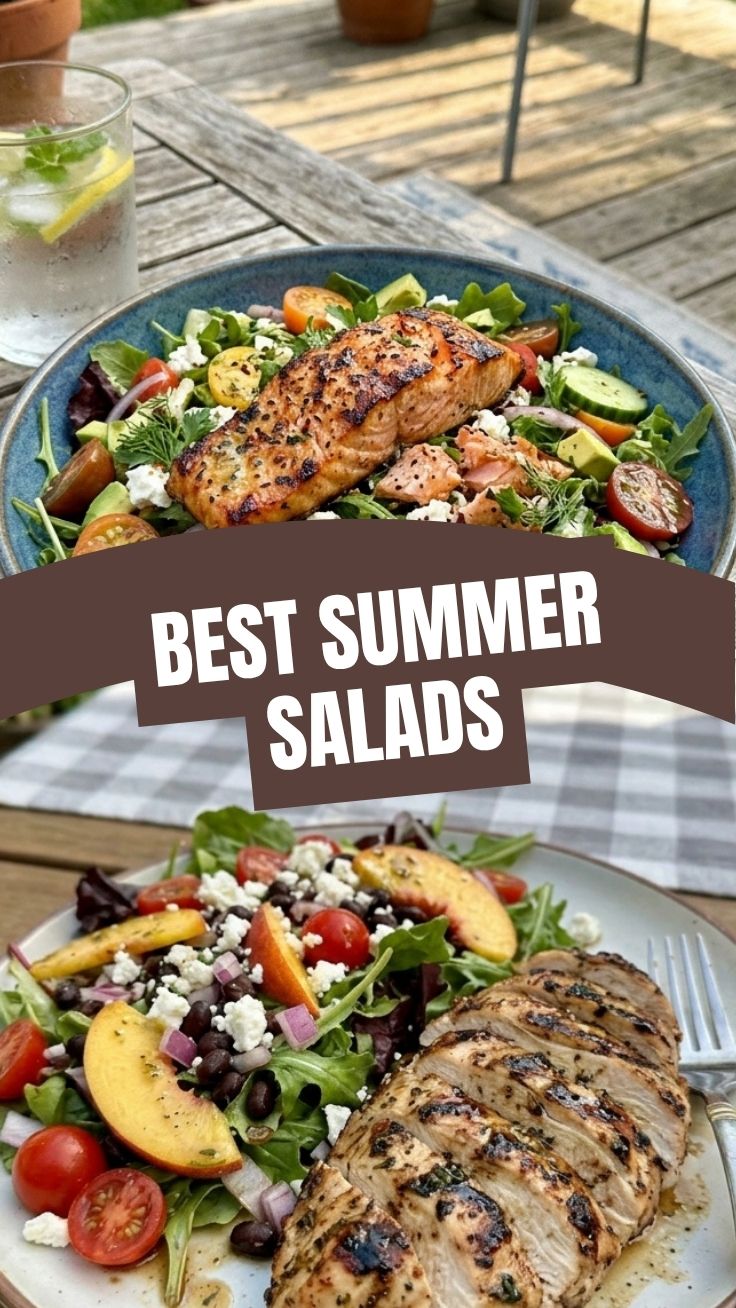
Ingredients
Equipment
Method
Preparation
- Choose a sunny spot in your garden or select large pots for container gardening. Ensure the location receives at least 6-8 hours of direct sunlight daily for optimal growth.
- Prepare the soil by mixing equal parts potting mix, compost, and perlite. This blend provides excellent drainage, aeration, and nutrient content for healthy plant development.
Planting
- Plant leafy green seeds (spinach, arugula, kale) directly into the prepared soil, spacing them according to package instructions. For protein sources like edamame, lentils, and chickpeas, plant them in designated areas or separate pots, ensuring proper depth and spacing.
- Water the newly planted seeds thoroughly to settle the soil. Maintain consistent moisture, but avoid overwatering to prevent rot.
Care and Maintenance
- Once seedlings emerge, thin them to the recommended spacing to allow for proper air circulation and growth. Fertilize every two to four weeks with a diluted organic liquid fertilizer.
- Protect your plants from pests by regularly inspecting them for signs of infestation. Use organic pest control methods like neem oil or insecticidal soap if necessary, and ensure adequate watering during dry spells.
Harvesting
- Harvest leafy greens regularly by picking the outer leaves, allowing the inner leaves to continue growing. For protein crops, harvest when the pods are plump and the seeds are fully developed.
Notes
Rotate your crops annually to prevent soil-borne diseases and nutrient depletion. Consider companion planting with herbs like basil or mint to deter pests and attract beneficial insects. Enjoy your fresh, high-protein summer salads straight from your garden!