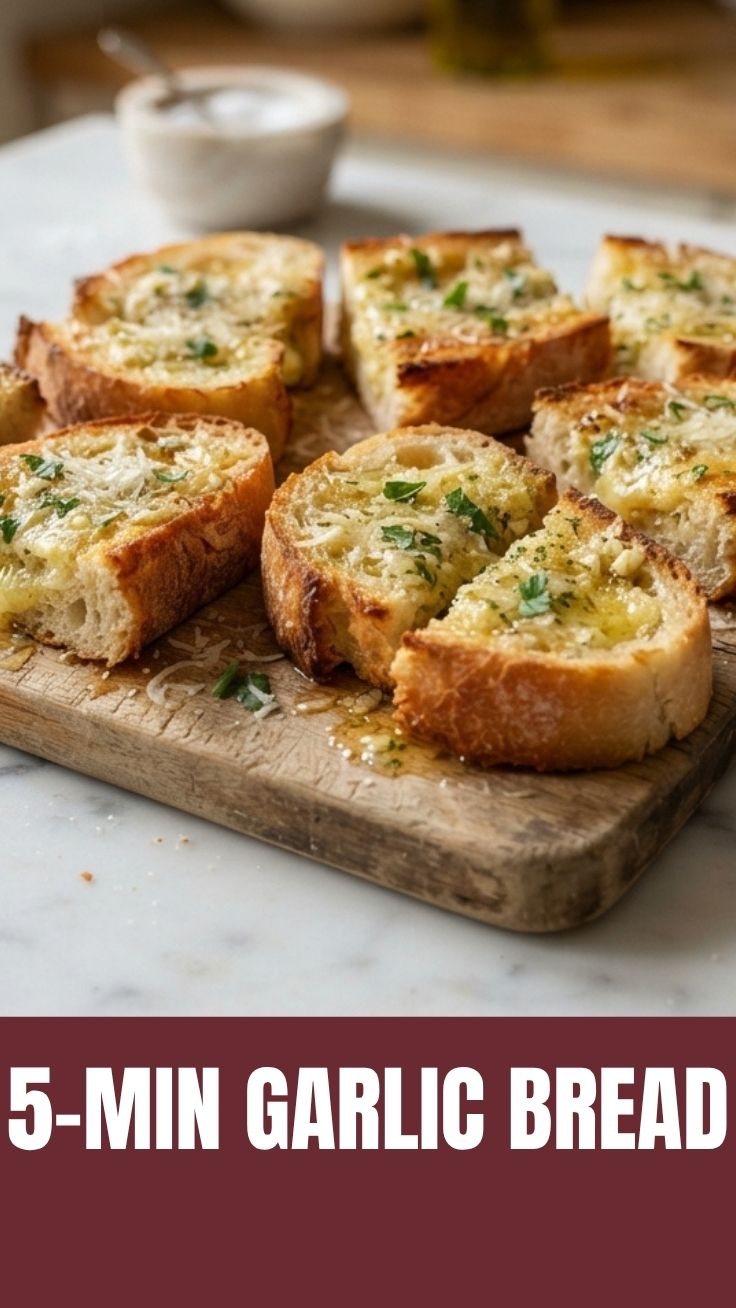
Ingredients
Equipment
Method
Understanding the Core Concept
- To grow your recipe repertoire, start with a basic garlic bread recipe and identify its key components for customization.
- Consider variations in bread type, fat, aromatics, herbs, cheeses, and additional toppings to create unique flavor profiles.
Method 1: Bread & Fat Variations
- Experiment with different bread types such as sourdough, ciabatta, or baguette, and explore alternative fats like olive oil or compound butters.
- Adjust the texture by toasting the bread before applying the garlic mixture or using a panini press for a crispier result.
Method 2: Aromatic & Herb Enhancements
- Introduce roasted garlic for a sweeter, mellower flavor, or incorporate other aromatics like shallots or onions.
- Vary the fresh or dried herbs, such as oregano, basil, thyme, or rosemary, to complement different cuisines.
Method 3: Cheese & Topping Additions
- Layer different cheeses like mozzarella, parmesan, provolone, or a blend for diverse melt and flavor characteristics.
- Add toppings such as sun-dried tomatoes, pesto, caramelized onions, or finely diced jalapeños for more complex flavors and textures.
Method 4: Global Inspirations
- Create a Mediterranean-inspired garlic bread with feta and olives, or a Mexican twist with cotija cheese and cilantro.
- Explore Asian flavors by incorporating ginger, sesame oil, and sriracha for a spicy, umami-rich garlic bread.
Method 5: Sweet & Savory Combinations (Advanced)
- For adventurous palates, combine sweet elements like fig jam or honey with savory ingredients like prosciutto or blue cheese.
- Balance the flavors carefully to create a unique and surprising garlic bread experience.
Notes
This guide focuses on the *methods* for creating diverse garlic bread recipes, rather than specific, pre-written recipes. The nutritional information is a general estimate for a single serving of a basic garlic bread and will vary significantly with chosen ingredients and variations.