The Ultimate Guide to Moist and Flavorful Zucchini Bread
Have you ever wondered why some loaves of Zucchini Bread turn out dense, soggy, or bland—while others are perfectly moist, tender, and bursting with subtle sweetness? The secret isn’t just in the recipe—it’s in how you handle the star ingredient. When prepared correctly, this quick bread transforms humble Zucchini into a delightfully rich treat that even vegetable skeptics adore. Making it at home isn’t just about controlling the sugar or oil levels; it’s about unlocking a versatile, nutrient-packed loaf that can serve as breakfast, snack, or dessert. In this comprehensive guide, we’ll explore every step, from selecting the freshest produce to mastering the perfect bake, so you can achieve bakery-quality results right in your own kitchen.
—
Ingredients & Kitchen Tools
For the Batter
– All-purpose flour (2 cups): Provides structure. For a tender crumb, spoon and level the flour rather than scooping directly.
– Granulated sugar (¾ cup) and brown sugar (¼ cup): The combo adds depth and moisture. Reduce to ½ cup total for a less sweet version.
– Baking soda (1 tsp) and baking powder (½ tsp): Leavening agents that ensure a rise. Check freshness by dropping a pinch into vinegar—if it fizzes, it’s active.
– Ground cinnamon (1½ tsp) and nutmeg (¼ tsp): Warm spices that complement the Zucchini without overpowering it.
– Salt (½ tsp): Balances sweetness and enhances flavor.
– Eggs (2 large): Bind the ingredients and add richness. Use flax eggs (1 tbsp ground flax + 3 tbsp water per egg) for a vegan swap.
– Vegetable oil (½ cup) or melted coconut oil: Keeps the crumb moist. Applesauce (½ cup) can substitute for a lower-fat option.
– Vanilla extract (1 tsp): Elevates the overall flavor profile.
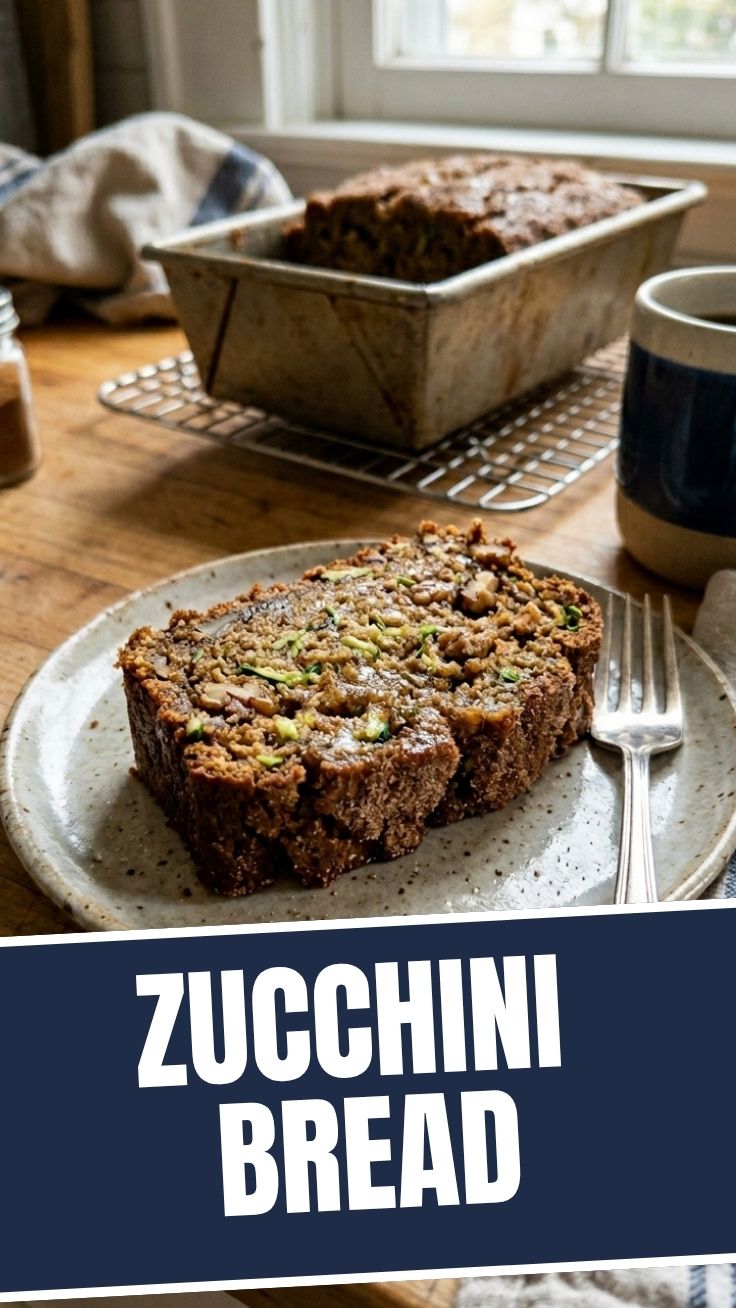
– Fresh Zucchini (1½ cups, grated): The key ingredient. Do not peel it—the green flecks add visual appeal and fiber. After grating, squeeze out excess liquid with a clean kitchen towel or paper towels to prevent a soggy loaf.
– Optional mix-ins: ½ cup chopped walnuts, pecans, or chocolate chips.
Kitchen Tools
– 9×5-inch loaf pan (metal or glass)
– Mixing bowls (large and medium)
– Box grater or food processor with grating disc
– Whisk or electric mixer
– Rubber spatula
– Cooling rack
– Toothpick or cake tester
—
Prep Time & Cooking Schedule
– Prep time: 15 minutes (including grating and draining the Zucchini)
– Bake time: 50–60 minutes
– Cooling time: 10 minutes in the pan, then 1 hour on a rack before slicing
Pro tip: Start by preheating your oven to 350°F (175°C). While it heats, prepare the Zucchini—this allows the oven to reach the correct temperature for a consistent rise. If you’re short on time, you can grate the Zucchini up to 24 hours in advance and store it in the refrigerator, wrapped in a paper towel inside a sealed bag.
—
Step-by-Step Instructions
1. Preheat and prepare the pan: Grease a 9×5-inch loaf pan with butter or nonstick spray, then dust lightly with flour. Alternatively, line with parchment paper, leaving overhang on the long sides for easy lifting.
2. Mix the dry ingredients: In a large bowl, whisk together the flour, baking soda, baking powder, cinnamon, nutmeg, and salt. Set aside.
3. Combine the wet ingredients: In a separate medium bowl, beat the eggs. Add the sugars, oil, and vanilla extract, and whisk until smooth and slightly thickened.
4. Incorporate the Zucchini: Fold the grated and drained Zucchini into the wet mixture. This is where most people go wrong—do not overmix at this stage. Gently stir just until the Zucchini is evenly distributed.
5. Combine wet and dry: Pour the wet mixture into the dry ingredients. Use a rubber spatula to fold everything together with as few strokes as possible (about 10–12). A few streaks of flour are okay—overmixing develops gluten, making the bread tough.
6. Add optional mix-ins: If using nuts or chocolate chips, fold them in gently now.
7. Bake: Pour the batter into the prepared pan and smooth the top. Bake for 50–60 minutes, rotating the pan halfway through. The bread is done when a toothpick inserted into the center comes out clean or with just a few moist crumbs.
8. Cool: Let the pan rest on a wire rack for 10 minutes, then turn out the loaf and cool completely before slicing. Cutting too early can compress the crumb and release steam, leading to a gummy texture.
Temperature control tip: If the top is browning too quickly but the center isn’t done, tent the loaf loosely with aluminum foil during the last 15 minutes of baking.
—
Nutritional Benefits & Advantages
Zucchini Bread offers surprising nutritional perks compared to traditional quick breads. One serving (1/12 of a standard loaf) provides approximately:
– 160–190 calories (depending on oil and sugar adjustments)
– 3–4 grams of protein
– 2 grams of fiber
– Vitamin C: 10% of the daily value, thanks to the Zucchini
– Potassium: 6% of the DV, supporting heart health
– Manganese: 12% of the DV, important for bone health and metabolism
The high water content in Zucchini (about 95%) naturally hydrates the batter, allowing you to reduce oil or butter without sacrificing moisture. This makes Zucchini Bread a smarter choice than many other sweet loaves. Additionally, the cinnamon and nutmeg offer anti-inflammatory properties and can help regulate blood sugar when used in place of some sugar.
—
Tips Variations & Cooking Advice
– Gluten-free version: Substitute a 1:1 gluten-free baking flour blend. Add 1 teaspoon of xanthan gum if the blend doesn’t include it.
– Dairy-free option: Use coconut oil or avocado oil, and swap chocolate chips for dairy-free ones.
– Add a streusel topping: Mix 2 tbsp cold butter, ¼ cup flour, 2 tbsp brown sugar, and ½ tsp cinnamon. Sprinkle over the batter before baking for a crunchier crust.
– Bake as muffins: Divide batter into a 12-cup muffin tin (greased or lined). Bake at 350°F for 18–22 minutes (standard) or 10–12 minutes (mini).
– Boost the flavor: Add ½ teaspoon of ground ginger or cardamom for a spiced twist. A tablespoon of lemon zest also brightens the loaf.
– Adjust sweetness: Replace up to half the sugar with mashed banana, unsweetened applesauce, or monk fruit sweetener to reduce calories.
—
Common Mistakes to Avoid
– Skipping the draining step: Grated Zucchini releases significant water during baking. If you don’t squeeze it out, your bread will be dense, soggy, and may collapse in the center. Use a cheesecloth, clean dish towel, or even your hands over the sink.
– Overmixing the batter: Stirring too vigorously after adding the flour activates gluten, resulting in a tough, rubbery loaf. Mix only until just combined—lumps are fine.
– Using oversized Zucchini: Large Zucchini (over 8 inches) have tougher skins and more seeds, which can make the bread watery and bitter. Choose small to medium Zucchini for the best texture and flavor.
– Opening the oven door too early: The loaf needs consistent heat to rise. Avoid opening the oven in the first 30 minutes of baking, or the temperature drop can cause it to sink.
– Cutting before cooling: A hot loaf is fragile and will crumble. Patience is key—let it cool completely (at least 1 hour) for clean slices and optimal texture.
—
Storage & Meal Prep Tips
– At room temperature: Wrap the completely cooled loaf tightly in plastic wrap or aluminum foil, or store in an airtight container. It will stay fresh for 3–4 days on the counter. For extra moisture, place a slice of apple in the container (remove after 24 hours).
– Refrigeration: If you live in a humid climate, store in the fridge for up to 1 week. Let slices come to room temperature before serving, or warm them in a toaster oven for 10 seconds to restore softness.
– Freezing: Slice the loaf first—this makes it easy to grab individual portions. Wrap each slice in plastic wrap, then place in a freezer-safe bag. Zucchini Bread freezes well for 3 months. Thaw at room temperature for 15–20 minutes, or reheat directly from frozen in a 300°F oven for 8–10 minutes.
– Reheating tip: To restore that just-baked moisture, microwave a slice for 10–15 seconds, then finish in a toaster oven or air fryer at 350°F for 3–4 minutes.
—
Conclusion
Mastering Zucchini Bread is about more than following a recipe—it’s about understanding the science of moisture, the importance of draining your Zucchini, and the patience of proper cooling. When you nail these fundamentals, you unlock a loaf that’s tender, aromatic, and perfectly balanced between wholesome and indulgent. Whether you enjoy it plain, toasted with butter, or topped with cream cheese, this bread is a reliable, crowd-pleasing staple. We’d love to hear how yours turns out—share your results, swap your favorite mix-in ideas, or explore our other quick bread recipes for more baking inspiration.
—
FAQs
1. Can I use frozen Zucchini for this recipe?
Yes. Thaw it completely, then squeeze out as much water as possible before grating. Frozen Zucchini is often more watery than fresh, so drain it thoroughly to avoid a soggy loaf.
2. Why did my Zucchini Bread sink in the middle?
This usually happens when the oven temperature is too low, the baking soda/powder is expired, or the batter was overmixed. Always preheat fully, check leavener freshness, and mix gently.
3. How can I make this recipe vegan?
Replace the eggs with flax eggs (1 tbsp ground flax + 3 tbsp water per egg) and use plant-based oil. The bread will be slightly denser but still delicious.
4. What’s the best way to grate Zucchini without making a mess?
Use a box grater over a bowl, or a food processor with the grating disc. If you prefer less cleanup, place a paper towel under the grater to catch stray shreds.
5. Can I substitute all-purpose flour with whole wheat flour?
Yes, but the bread will be denser and drier. Use half whole wheat and half all-purpose flour, and add 2–3 tablespoons of milk or yogurt to compensate for the extra fiber absorbing moisture.
Proven way to grow perfect Zucchini Bread in 5 steps.Zucchini Bread
Ingredients
Equipment
Method
- Preheat your oven to 325°F (160°C) and grease and flour a 9x5 inch loaf pan.
- In a medium bowl, whisk together the flour, baking soda, salt, and cinnamon. Set aside.
- In a large bowl, combine the granulated sugar, vegetable oil, eggs, and vanilla extract; mix until well blended.
- Add the shredded zucchini to the wet ingredients and stir until evenly distributed.
- Gradually add the dry ingredients to the wet ingredients, mixing until just combined. Be careful not to overmix the batter.
- Pour the batter into the prepared loaf pan and bake for 45-55 minutes, or until a wooden skewer inserted into the center comes out clean.
- Allow the zucchini bread to cool in the pan for 10 minutes before transferring it to a wire rack to cool completely.