Beat the Heat with This Vibrant and Nutritious Late-Summer Ratatouille
Are you tired of heavy, greasy meals that leave you feeling sluggish on warm evenings? Imagine a dish that bursts with peak-season vegetables, requires minimal effort, and delivers deep, comforting flavor without weighing you down. That’s exactly what you get with a classic late-summer ratatouille. Preparing it at home not only saves money but lets you control every ingredient—ensuring a lighter, fresher meal that’s perfect for al fresco dining. This is one of those healthy summer dinner recipes that proves eating well can be both effortless and utterly satisfying. Let’s dive into how you can create this colorful masterpiece.
—
Ingredients & Kitchen Tools
For the Ratatouille (serves 4):
– 2 medium eggplants (about 1 lb) – choose firm, glossy ones; they’re the backbone of the dish
– 2 medium zucchini (about 12 oz) – adds a tender bite
– 1 large red bell pepper – for sweetness and color
– 1 large yellow onion – base flavor
– 4 cloves garlic – minced
– 4 medium ripe tomatoes (or 1 can (14 oz) crushed tomatoes) – provides acidity and body
– 3 tbsp extra virgin olive oil – high-quality for best taste
– 1 tsp dried thyme or 2 sprigs fresh thyme
– 1 tsp dried oregano
– Salt and pepper to taste
– Fresh basil leaves (optional, for garnish)
Kitchen Tools & Utensils:
– Large heavy-bottomed skillet or Dutch oven (12-inch wide)
– Chef’s knife & cutting board
– Wooden spoon or spatula
– Measuring spoons
– Bowl for prepped veggies (optional)
Substitutions:
– No eggplant? Use extra zucchini or yellow squash.
– No fresh tomatoes? Canned fire-roasted tomatoes work beautifully.
– Want more protein? Add chickpeas or white beans during the last 10 minutes of cooking.
—
Prep Time & Cooking Schedule
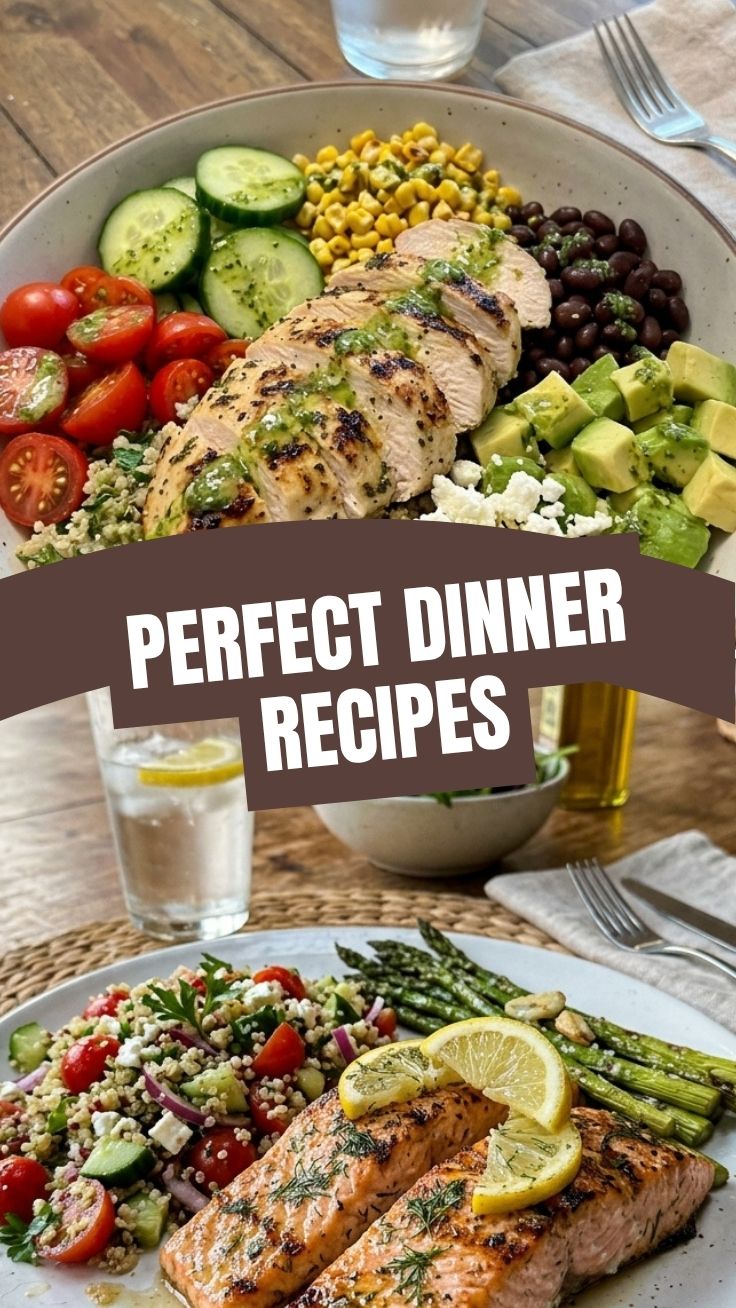
– Prep Time: 20 minutes (washing, dicing all vegetables)
– Cook Time: 35–40 minutes (sautéing, simmering)
– Resting Time: 5 minutes off heat before serving
– Total Time: About 1 hour
Planning Tip: Dice all vegetables to roughly 1-inch cubes for even cooking. You can prep the veggies up to a day ahead and refrigerate them in a sealed container—this dish actually tastes better the next day as flavors meld.
—
Step-by-Step Instructions
1. Prepare the vegetables – Cut eggplant and zucchini into ½-inch cubes. Dice bell pepper and onion into similar-sized pieces. Mince garlic. If using fresh tomatoes, peel them (score an “X” on the bottom, blanch 30 seconds in boiling water, then plunge into ice water) and chop.
2. Sauté the aromatics – Heat 2 tbsp olive oil in the skillet over medium heat. Add onion and bell pepper; cook 5 minutes until softened. Stir in garlic and cook 1 minute more.
3. Cook the eggplant – Add eggplant and remaining 1 tbsp oil. Cook 5–7 minutes, stirring occasionally, until eggplant starts to brown and soften. Don’t rush this step—it builds the deep, savory foundation.
4. Add tomatoes and herbs – Pour in chopped fresh tomatoes or crushed tomatoes. Stir in thyme, oregano, ½ tsp salt, and a pinch of pepper. Reduce heat to medium-low, cover, and simmer 10 minutes.
5. Add zucchini – Uncover and fold in the zucchini. Simmer uncovered for another 10–12 minutes, stirring twice, until vegetables are tender but not mushy. Taste and adjust seasoning. The finished ratatouille should be thick, slightly saucy, and full of layered flavors.
6. Rest and serve – Remove from heat, let rest 5 minutes. Garnish with fresh basil. Serve warm or at room temperature alongside crusty bread or over quinoa.
This is exactly the kind of healthy summer dinner recipes we crave—light yet satisfying. Pair it with a crisp green salad for easy healthy summer dinner ideas that come together with zero fuss.
> Pro Tip: For perfect texture, cook each vegetable separately if you have time, then combine them at the end. It’s more work but yields superior individual flavor profiles.
—
Nutritional Benefits & Advantages
This ratatouille is a powerhouse of nutrients:
– Eggplant – Rich in fiber, anthocyanins (antioxidants), and low in calories.
– Zucchini – High in vitamin C and potassium, supports hydration.
– Bell peppers – Packed with vitamin A and C, plus capsaicin which may boost metabolism.
– Tomatoes – Lycopene improves heart health and is better absorbed when cooked with olive oil.
– Olive oil – Heart-healthy monounsaturated fats aid nutrient absorption.
Each serving (about 1.5 cups) contains roughly 180 calories, 10g fat (mostly healthy), 8g fiber, and 6g protein. It’s naturally vegan, gluten-free, and dairy-free—a perfect base for adding lean protein like grilled chicken or tofu.
—
Tips, Variations & Cooking Advice
– Flavor variations: Add a pinch of smoked paprika for a subtle smokiness. Or stir in a tablespoon of capers for briny depth.
– Ingredient swaps: Use yellow squash instead of zucchini. Add mushrooms for earthiness.
– Cooking methods: Roast the vegetables at 400°F for 25 minutes, then simmer with tomatoes for 15 minutes—more caramelization, less stirring.
– Portion changes: Double the recipe and freeze half for busy weeknights.
– Dietary adaptations: Already gluten-free and dairy-free. For low-FODMAP, omit garlic and onion, use garlic-infused oil and green parts of leeks.
—
Common Mistakes to Avoid
| Mistake | Why it happens | Solution |
|———|—————-|———-|
| Soggy ratatouille | Overcrowding the pan or not allowing moisture to evaporate | Cook in batches or use a wide pan; simmer uncovered at the end |
| Bitter eggplant | Using large, seedy eggplants or not salting them | If using large eggplants, salt cubes 20 minutes, rinse, and pat dry before cooking |
| Undercooked vegetables | Not cutting uniformly | Keep cubes about ½ inch; test doneness with a fork |
| Too watery | Tomatoes release excess liquid | Simmer longer uncovered; or use fewer tomatoes (3 instead of 4) |
—
Storage & Meal Prep Tips
– Refrigerate: Store in an airtight container for up to 5 days. Flavors deepen over time.
– Freeze: Ratatouille freezes beautifully (up to 3 months). Thaw in the fridge overnight.
– Reheat: Warm in a skillet over medium-low heat, stirring occasionally, until hot. Add a splash of water or broth to refresh consistency. Avoid microwaving on high, which can make zucchini mushy.
– Meal prep: Cook a double batch on Sunday and use it throughout the week—over pasta, as a side with grilled fish, or stuffed into bell peppers.
—
Conclusion
This late-summer ratatouille proves that a few simple vegetables, transformed with patience and good olive oil, can become one of the most satisfying healthy summer dinner recipes you’ll ever make. It’s flexible, forgiving, and packed with garden-fresh flavor. For more inspiration, check out our roundup of easy healthy summer dinner ideas that keep your weeknights light and delicious. Give it a try and share your photos—your taste buds (and your waistline) will thank you.
—
FAQs
1. Can I make ratatouille in advance?
Absolutely. In fact, it tastes better the next day as the flavors meld. Store it covered in the fridge and reheat gently.
2. What can I serve with ratatouille to make it a complete meal?
Serve over quinoa, brown rice, or couscous. Add a side of grilled chicken, fish, or tofu for protein. Crusty bread for dipping is also wonderful.
3. How do I prevent the eggplant from getting bitter?
Choose young, glossy eggplants with few seeds. If using larger ones, salt the cubes for 20 minutes, then rinse and pat dry before cooking.
4. Can I use canned tomatoes instead of fresh?
Yes, fire-roasted canned tomatoes add a nice smokiness. Use a 14-ounce can and drain a little of the liquid if your ratatouille seems too watery.
5. Is this recipe suitable for freezing?
Yes, ratatouille freezes well for up to 3 months. Thaw overnight in the refrigerator and reheat on the stovetop. The zucchini might soften slightly, but flavor remains excellent.
How to grow 6 healthy summer dinner recipeshealthy summer dinner recipes
Ingredients
Equipment
Method
- Wash and chop all vegetables as directed in the ingredients list.
- In a mixing bowl, combine the diced chicken with 1 tablespoon of olive oil, minced garlic, lemon juice, salt, and pepper, then allow it to marinate for at least 15 minutes.
- Heat 1 tablespoon of olive oil in a large skillet over medium-high heat, then add the zucchini, bell peppers, and red onion, cooking until they are tender-crisp (about 5-7 minutes).
- Push the cooked vegetables to one side of the skillet, add the remaining 1 tablespoon of olive oil and the marinated chicken to the empty side, and cook until the chicken is browned and thoroughly cooked (about 8-10 minutes).
- Stir in the cherry tomatoes, corn, and fresh basil, and continue cooking for an additional 2-3 minutes until all ingredients are heated through.
- Serve the dish immediately, optionally over your favorite grain such as quinoa or rice for a complete meal.