Orzo Salad with Summer Vegetables: The Perfect Light Dinner for Two
Are you tired of heavy, time-consuming dinners that leave you and your partner too stuffed to enjoy a warm evening? Imagine a meal that comes together in under 30 minutes, bursts with fresh seasonal flavors, and effortlessly fits into a balanced lifestyle. That’s exactly what this Mediterranean-inspired orzo salad delivers. Preparing it at home not only saves money but gives you complete control over ingredients – no hidden sugars, excess salt, or preservatives. It’s one of the most satisfying healthy summer meals for two you can make, and it pairs beautifully with other light evening ideas, such as these summer dinner recipes for couples. Whether you’re dining al fresco or meal-prepping for busy weekdays, this dish proves that eating well doesn’t have to be complicated.
Ingredients & Kitchen Tools
For the Salad
– 1 cup orzo pasta – small rice-shaped pasta; cooks in under 10 minutes. For gluten-free, use quinoa or brown rice pasta.
– 1 medium zucchini (about 150g) – diced; adds moisture and a mild summer squash flavor.
– 1 cup cherry tomatoes – halved; choose ripe, sweet varieties like Sun Gold.
– ½ cup fresh corn kernels – from 1 ear; grilled or raw for crunch.
– ¼ cup red onion – thinly sliced; soak in cold water 5 min to reduce sharpness.
– ¼ cup fresh basil leaves – chiffonade; adds aromatic freshness.
– 2 tablespoons pine nuts – optional; toast lightly for nutty depth.
– ¼ cup crumbled feta cheese – omit for dairy-free; use vegan feta or skip.
For the Lemon-Herb Dressing
– 3 tablespoons extra virgin olive oil
– 2 tablespoons fresh lemon juice – about half a lemon.
– 1 teaspoon Dijon mustard – emulsifier for creamy texture.
– 1 small garlic clove – minced.
– ½ teaspoon salt – plus more to taste.
– ¼ teaspoon black pepper
– 1 tablespoon chopped fresh parsley – or 1 tsp dried oregano.
Kitchen Tools
– Medium pot with lid
– Large mixing bowl
– Chef’s knife and cutting board
– Small whisk or fork (for dressing)
– Colander (to drain pasta)
– Measuring spoons and cups
Prep Time & Cooking Schedule
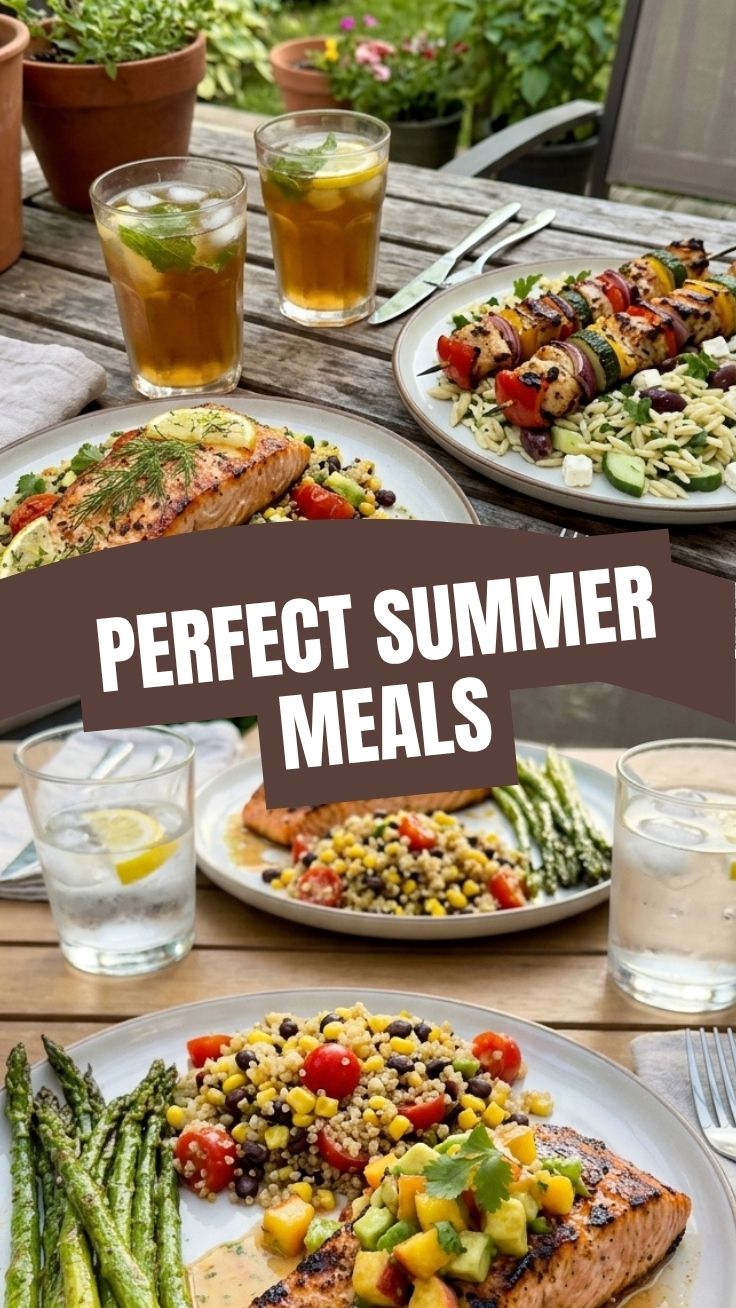
– Total active time: 20 minutes
– Cook time: 9 minutes (orzo) + 5 minutes (vegetable sauté, optional)
– Resting time: 10 minutes (pasta cooling) – can prepare dressing during this window.
– Marinating time: 5–10 minutes (after combining, the salad absorbs flavors better if left to sit briefly at room temperature).
Plan ahead: If you’re entertaining, prep all chopped vegetables up to 4 hours in advance and store them sealed in the fridge. Cook the orzo and cool it completely before mixing to avoid wilting the greens.
Step-by-Step Instructions
1. Cook the orzo: Bring a medium pot of salted water to a rolling boil. Add the orzo and stir immediately. Cook according to package directions (usually 7–9 minutes) until al dente – tender but still firm to the bite. Drain in a colander and rinse under cold running water for 30 seconds to stop cooking. Shake off excess water and spread on a sheet pan to cool faster.
2. Prepare the vegetables: While the pasta cooks, dice the zucchini, halve the cherry tomatoes, slice the red onion, and strip the corn kernels from the cob. If you prefer a slightly charred flavor, grill the whole zucchini and corn on a stovetop grill pan for 3–4 minutes per side before dicing and cutting.
3. Make the dressing: In a small bowl, whisk together olive oil, lemon juice, Dijon mustard, minced garlic, salt, pepper, and parsley until emulsified and creamy. Taste and adjust acidity or salt as needed.
4. Combine everything: In a large mixing bowl, add the cooled orzo, zucchini, tomatoes, corn, red onion, and basil. Pour the dressing over the top and toss gently with a spatula until evenly coated. Fold in pine nuts and feta cheese if using.
5. Rest and serve: Let the salad sit for 5–10 minutes at room temperature to allow the flavors to meld. This is the moment to enjoy it as one of your go-to healthy summer meals for two – or pair it with grilled chicken or shrimp for a heartier version. For even more inspiration, check out these summer dinner recipes for couples that emphasize fresh, plant-based ingredients.
Practical tips for perfect results
– Temperature control: Overcooked orzo becomes mushy. Start tasting at 7 minutes and drain immediately when al dente. The cold water rinse is non-negotiable.
– Texture cues: You want each ingredient to retain its own identity – avoid mixing so vigorously that the feta crumbles into dust or the tomatoes release all their juice.
– Seasoning adjustments: Summer vegetables vary in sweetness. If your tomatoes are less acidic, add an extra squeeze of lemon. If the salad tastes flat, a pinch of flaky sea salt lifts everything.
Nutritional Benefits & Advantages
This orzo salad is not only delicious but also packed with nutritional power. A single serving (half the recipe) provides approximately:
– Calories: 380–420 kcal (depending on feta and nuts)
– Protein: 12 g – from orzo, feta, and pine nuts
– Fiber: 6 g – zucchini, corn, and tomatoes contribute both soluble and insoluble fiber
– Healthy fats: 18 g – mostly monounsaturated from olive oil and polyunsaturated from pine nuts
– Vitamins & minerals: High in vitamin C (from lemon and tomatoes), vitamin A (zucchini and basil), potassium (corn and zucchini), and calcium (feta)
The combination of complex carbohydrates from the pasta, healthy fats, and fresh vegetables creates a balanced meal that stabilizes blood sugar and keeps you full for hours. It’s naturally low in saturated fat (especially if you skip the cheese) and contains no added sugars. This dish is also an excellent way to increase your intake of water-rich vegetables during hot months, supporting hydration and skin health.
Tips, Variations & Cooking Advice
– Flavor variations: Swap basil for mint or dill for a different herbal profile. Add grilled lemon slices for a smoky citrus note. Replace pine nuts with toasted almonds or sunflower seeds for a budget-friendly crunch.
– Ingredient swaps: Use whole wheat orzo or chickpea pasta for extra fiber and protein. Replace feta with crumbled goat cheese or marinated tofu. For a complete meal, top with grilled halloumi or seared scallops.
– Alternative cooking methods: Roast the zucchini and corn in a 400°F oven for 15 minutes instead of grilling – easier and less hands-on. Raw versions work beautifully too if you want an ultra-light preparation.
– Portion changes: Scale the recipe up to serve 4 by doubling all ingredients. For a single portion, halve everything and store leftovers.
– Dietary adaptations: Gluten-free – use gluten-free pasta or quinoa. Dairy-free – omit feta or use nutritional yeast flakes for a cheesy flavor. Vegan – skip cheese and add a handful of chickpeas.
Common Mistakes to Avoid
– Skipping the cold rinse: Hot orzo continues to cook and can clump together. Rinsing removes surface starch and stops carryover cooking.
– Overdressing: The vegetables release moisture as they sit. Add only three-quarters of the dressing initially, then adjust after resting. A dressing-heavy salad becomes soggy within 30 minutes.
– Using warm ingredients: Warm orzo wilts fresh herbs and makes the vegetables limp. Always cool the pasta completely before mixing – spread it on a tray to speed cooling.
– Forgetting to season the cooking water: Orzo absorbs salt as it cooks. Under-salted pasta makes the whole dish taste flat. Use about 1 teaspoon of salt per 4 cups of water.
– Adding basil too early: Basil darkens and loses flavor when mixed with acid. Fold it in just before serving or sprinkle it on top as a garnish.
Storage & Meal Prep Tips
Storage: Place leftover orzo salad in an airtight container. It will keep in the refrigerator for up to 3 days. The flavors actually improve slightly after 24 hours as they meld – but the texture of the vegetables softens over time.
Freezing: Not recommended for the full salad because of the fresh vegetables. However, you can freeze the cooked orzo (without dressing or vegetables) for up to 3 months. Thaw overnight in the fridge and bring to room temperature before assembling.
Reheating: This salad is best served cold or at room temperature. If you prefer a warm version, microwave individual portions for 20–30 seconds – just enough to take the chill off without cooking the vegetables further. Do not reheat the entire batch, as repeated warming degrades texture.
Meal prep tip: Cook the orzo, chop the vegetables, and make the dressing up to 2 days ahead. Store the orzo in a separate bag, the vegetables in a sealed container, and the dressing in a jar. Combine up to 1 hour before serving for maximum freshness.
Conclusion
This orzo salad is your ticket to effortless, nutritious dinners that celebrate the best of summer produce. By combining al dente pasta with crisp vegetables and a zesty lemon dressing, you create a meal that’s satisfying without being heavy – exactly what you want on a warm evening. We’ve shown you how to prepare it with precision, avoid pitfalls, and adapt it to your taste. Whether you’re looking for reliable healthy summer meals for two or exploring new summer dinner recipes for couples, this dish belongs in your rotation. Give it a try this week, share a photo of your creation on social media, and let us know in the comments which variation you loved most. For more fresh ideas, browse our collection of quick, vegetable-forward recipes.
FAQs
1. Can I make this orzo salad ahead of time for a picnic or lunch?
Absolutely. Prepare the salad up to the point of adding the dressing, but keep the dressing separate until just before serving. Combine, toss, and refrigerate. It’s perfect for packing in a cooler.
2. What’s the best substitute for orzo if I want to avoid pasta?
Try cooked quinoa, farro, or even lentils for a higher-protein, gluten-free base. Cook them according to package directions and cool before using. The texture will be different but equally delicious.
3. Why did my salad turn out watery?
Two likely causes: you didn’t drain the orzo thoroughly after rinsing, or you added the dressing too early and the tomatoes released extra juice. Always shake the colander well, and if needed, blot the orzo with a clean kitchen towel before mixing.
4. Can I use dried basil instead of fresh?
Fresh basil is strongly recommended – dried basil lacks the bright, pop-like quality that makes this salad sing. If fresh is unavailable, substitute with fresh mint or parsley, or use a small amount of dried oregano (start with ½ teaspoon).
5. How do I make this salad more filling as a main course?
Add 8 ounces of cooked shrimp, grilled chicken strips, or canned chickpeas (drained and rinsed). For a vegetarian option, serve with a side of crusty whole-grain bread or a handful of toasted chickpeas on top.
How to grow 5 healthy summer meals for two
Ingredients
Equipment
Method
- Plan your five summer meals for two, incorporating a variety of seasonal vegetables, lean proteins, and whole grains.
- Shop for all necessary ingredients, prioritizing fresh and local produce.
- Dedicate specific time slots for meal preparation to ensure efficient cooking throughout the week.
- Prepare your protein according to each meal plan, using methods like grilling, baking, or pan-searing.
- Cook your whole grains such as quinoa or brown rice, which can be used in multiple meals.
- Chop and prepare seasonal vegetables, which can be roasted, sautéed, or added fresh to salads.
- Assemble each meal as planned, ensuring balanced portions for two servings.
- Store prepared meals in airtight containers in the refrigerator to maintain freshness.
- Reheat meals as needed, adjusting for optimal taste and texture.