Master the Grill: Flavorful Grilled Salmon with Lemon Herb at Home
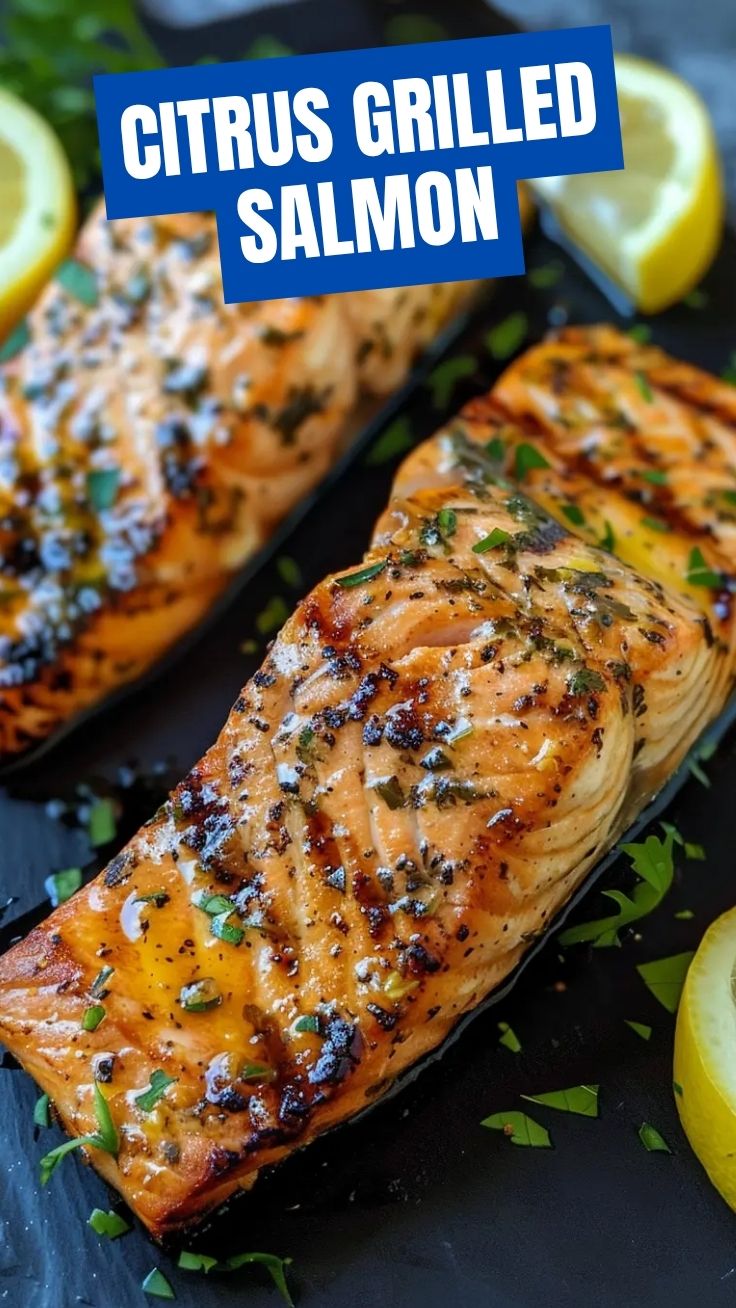
Ever wondered how to achieve that perfectly flaky, incredibly flavorful salmon right in your own backyard, even if you’re a grilling novice? You’re in the right place! Preparing a delicious Grilled Salmon with Lemon Herb at home isn’t just about saving money; it’s about controlling the quality of your ingredients, customizing flavors to your palate, and enjoying a truly satisfying culinary experience. This isn’t just a recipe; it’s a gateway to mastering the art of cooking exquisite Grilled salmon recipes that will impress family and friends alike. Let’s dive in and unlock the secrets to a truly exceptional grilled salmon.
Ingredients & Kitchen Tools
Here’s what you’ll need to create this culinary masterpiece:
- Fresh Salmon Fillets (4 x 6oz portions): Look for vibrant, firm flesh with no fishy odor. Wild-caught is often preferred for flavor and sustainability.
- Lemons (2-3): Essential for brightness, juice, and zest.
- Fresh Herbs (1/4 cup total, chopped): A fragrant blend of parsley, dill, and thyme works wonderfully. Fresh is key for maximum aroma.
- Garlic (3 cloves, minced): Adds a pungent, aromatic depth.
- Olive Oil (3 tbsp): Binds the marinade and helps prevent sticking. Use good quality extra virgin for best flavor.
- Salt & Freshly Ground Black Pepper (to taste): Basic seasoning to enhance natural flavors.
- Optional Substitutions:
* Herbs: Rosemary or oregano can be swapped in.
* Citrus: Lime can replace lemon for a different zesty kick.
* Spice: A pinch of red pepper flakes for a subtle heat.
- Kitchen Tools:
* Grill (Gas or Charcoal): The star of the show.
* Small Mixing Bowl: For combining marinade ingredients.
* Whisk or Fork: To emulsify the marinade.
* Tongs: For handling salmon on the grill.
* Grill Brush: To clean grates before cooking.
* Basting Brush: For applying marinade.
* Meat Thermometer: For precise doneness (optional, but highly recommended).
* Serving Platter: For presentation.
* Cutting Board & Sharp Knife: For prepping ingredients.
Prep Time & Cooking Schedule
- Prep Time: 15 minutes
- Marinating Time: 30 minutes (minimum) to 2 hours (maximum)
- Cook Time: 10-15 minutes (depending on thickness and desired doneness)
- Resting Time: 5 minutes
This schedule allows the salmon to absorb the vibrant lemon-herb flavors without over-marinating. Planning is crucial for a stress-free grilling experience.
Step-by-Step Instructions
1. Prepare the Marinade: In your small mixing bowl, whisk together the olive oil, minced garlic, finely chopped fresh herbs (parsley, dill, thyme), the zest of one lemon, and the juice of half a lemon. Season generously with salt and freshly ground black pepper. This vibrant concoction is the heart of your Grilled Salmon with Lemon Herb.
2. Marinate the Salmon: Pat the salmon fillets dry with paper towels. This helps with searing. Place the fillets in a shallow dish or a resealable bag. Pour the marinade over the salmon, ensuring all sides are coated. Cover (or seal the bag) and refrigerate for at least 30 minutes, but no more than 2 hours. Over-marinating with citrus can “cook” the fish.
3. Preheat the Grill: While the salmon marinates, preheat your grill to medium-high heat (around 400-450°F or 200-230°C). Clean the grates thoroughly with a grill brush and then oil them lightly using a paper towel dipped in vegetable oil, held with tongs. This prevents sticking, a common pitfall in Grilled salmon recipes.
4. Grill the Salmon: Remove the salmon from the marinade, letting any excess drip off. Place the salmon fillets, skin-side down (if present), directly on the preheated, oiled grates. Close the lid and cook for about 5-7 minutes.
5. Flip and Finish: Gently flip the salmon using your tongs. Continue grilling for another 5-8 minutes, or until the internal temperature reaches 145°F (63°C) at its thickest part. The fish should flake easily with a fork.
6. Rest and Serve: Transfer the grilled salmon to a serving platter. Squeeze the juice of the remaining lemon wedges over the fillets and garnish with extra fresh herbs if desired. Let it rest for 5 minutes before serving to allow the juices to redistribute, ensuring a tender and moist result.
Nutritional Benefits & Advantages
Salmon is a nutritional powerhouse! It’s an excellent source of omega-3 fatty acids, which are fantastic for heart health, brain function, and reducing inflammation. It’s also packed with high-quality protein, essential vitamins like D and B12, and minerals such as selenium. Grilling, as a cooking method, retains many of these nutrients and avoids adding excessive fats, making it a lean and healthy choice for any meal.
Tips, Variations & Cooking Advice
- Skin On vs. Skin Off: Grilling salmon with the skin on helps keep the flesh moist and prevents sticking. You can remove the crispy skin after cooking if preferred.
- Flavor Boosts: Add a pinch of smoked paprika for a subtle smoky flavor, or a dash of finely chopped fresh ginger to the marinade for an Asian-inspired twist.
- Alternative Cooking: No grill? No problem! Bake the salmon at 400°F (200°C) for 12-18 minutes, or pan-sear it in an oven-safe skillet before transferring it to the oven to finish.
- Portion Control: Adjust cooking time for thicker or thinner fillets. Aim for an internal temperature of 145°F (63°C) for medium-rare, or slightly higher for well-done.
Common Mistakes to Avoid
- Not Oiling the Grates: This is the most common culprit for salmon sticking, leading to a torn, messy fillet. Oil those grates!
- Overcooking: Salmon cooks quickly. Overcooked salmon is dry and unappealing. Use a meat thermometer for perfect results.
- Flipping Too Soon: Let the salmon cook undisturbed for the initial 5-7 minutes on the first side. This allows a crust to form, making it easier to flip without breaking.
- Too Much Marinade: While flavorful, excessive marinating with acidic ingredients like lemon juice can begin to “cook” the fish (similar to ceviche), altering its texture. Stick to the recommended times.
Storage & Meal Prep Tips
Leftover grilled salmon can be a delicious addition to future meals. Store cooled salmon in an airtight container in the refrigerator for up to 2-3 days. It’s excellent flaked over salads, added to pasta, or tucked into sandwiches. To reheat, gently warm in an oven at a low temperature (275°F/135°C) for 10-15 minutes, or in a microwave on a low setting for short bursts to prevent drying out. Avoid high heat, which can make it rubbery.
Conclusion
There you have it – a foolproof guide to preparing a succulent Grilled Salmon with Lemon Herb. This recipe proves that gourmet results are entirely achievable in your home kitchen, bringing vibrant flavors and healthy benefits to your table. We encourage you to try this ultimate grilled salmon recipe soon and discover the joy of perfectly cooked fish. Feel free to experiment with other Grilled salmon recipes, but this foundational lemon-herb approach is sure to become a favorite. Share your creations in the comments below – we’d love to hear your experiences!
FAQs
Q1: Can I use frozen salmon?
A1: Yes, but ensure it’s fully thawed in the refrigerator overnight before marinating and grilling. Pat it very dry before applying the marinade.
Q2: What’s the best way to tell if the salmon is done without a thermometer?
A2: The salmon should flake easily when tested with a fork at its thickest part, and the flesh should appear opaque throughout.
Q3: Can I prepare the marinade ahead of time?
A3: Absolutely! You can mix the marinade ingredients up to 24 hours in advance and store it in an airtight container in the refrigerator. Add the salmon only when you’re ready to marinate.
Q4: What side dishes pair well with grilled salmon?
A4: Roasted asparagus, a fresh garden salad, quinoa, or grilled vegetables like bell peppers and zucchini are all excellent accompaniments.
Q5: My salmon is sticking to the grill. What am I doing wrong?
A5: This usually happens if the grill grates weren’t clean enough, not hot enough, or not properly oiled. Ensure your grill is preheated to the correct temperature, grates are spotless, and a thin layer of oil is applied just before placing the fish.
Proven way to grow perfect Grilled Salmon with Lemon Herb
Ingredients
Equipment
Method
- In a small bowl, whisk together olive oil, lemon juice, lemon zest, chopped dill, parsley, garlic powder, salt, and pepper to create the marinade.
- Pat the salmon fillets dry with paper towels, then place them in a shallow dish and pour the lemon herb marinade evenly over each fillet.
- Allow the salmon to marinate for at least 10 minutes at room temperature, or up to 30 minutes in the refrigerator, to absorb the flavors.
- Preheat your grill to medium-high heat (around 400-450°F / 200-230°C) and lightly oil the grates to prevent sticking.
- Place salmon fillets skin-side down on the preheated grill and cook for 4-6 minutes per side, depending on thickness, until cooked through and flaky.
- Carefully transfer the grilled salmon to a serving platter, garnish with fresh lemon slices if desired, and serve immediately.