The Ultimate Guide to Perfect Pancakes: Fluffy, Golden, and Delicious
Is there anything more comforting than a stack of warm, golden pancakes drizzled with maple syrup? Yet so many home cooks struggle to achieve that perfect balance of fluffy interior and crisp edges. Whether you’re a weekend breakfast enthusiast or a weekday meal-prep warrior, mastering the art of pancakes at home saves money, controls ingredients, and delivers a satisfaction that boxed mixes never can. In this guide, we’ll explore everything from essential tools to pro-level techniques, and along the way, we’ll dive into a world of Pancakes that go beyond the basic buttermilk stack. You’ll also discover creative Pancake recipes that bring global flavors to your breakfast table. Let’s flip the script on your morning routine.
—
Ingredients & Kitchen Tools
Dry Ingredients:
– All-purpose flour (1½ cups) – Provides structure. Substitute with whole wheat or gluten-free blend.
– Granulated sugar (3 tbsp) – Adds sweetness and browning. Adjust to taste.
– Baking powder (2 tsp) – The key leavening agent for fluffiness.
– Baking soda (½ tsp) – Reacts with buttermilk or acidic components.
– Salt (¼ tsp) – Enhances flavor.
Wet Ingredients:
– Buttermilk (1¼ cups) – Tangy flavor and tender crumb. Use milk + 1 tbsp lemon juice as a quick substitute.
– Large egg (1) – Binds and adds richness.
– Unsalted butter (3 tbsp, melted) – For moisture and golden crust.
– Vanilla extract (1 tsp) – Optional but recommended.
Tools & Utensils:
– Large mixing bowls (2) – One for dry, one for wet.
– Whisk or fork – For lump-free batter.
– Non-stick griddle or skillet – Even heat distribution.
– Spatula (thin metal or silicone) – For clean flipping.
– Measuring cups and spoons – Accuracy matters.
– Cooling rack – Keeps pancakes from steaming soggy.
Optional Add-Ins:
– Fresh blueberries, chocolate chips, or sliced bananas.
– Cinnamon, nutmeg, or lemon zest for flavor depth.
—
Prep Time & Cooking Schedule
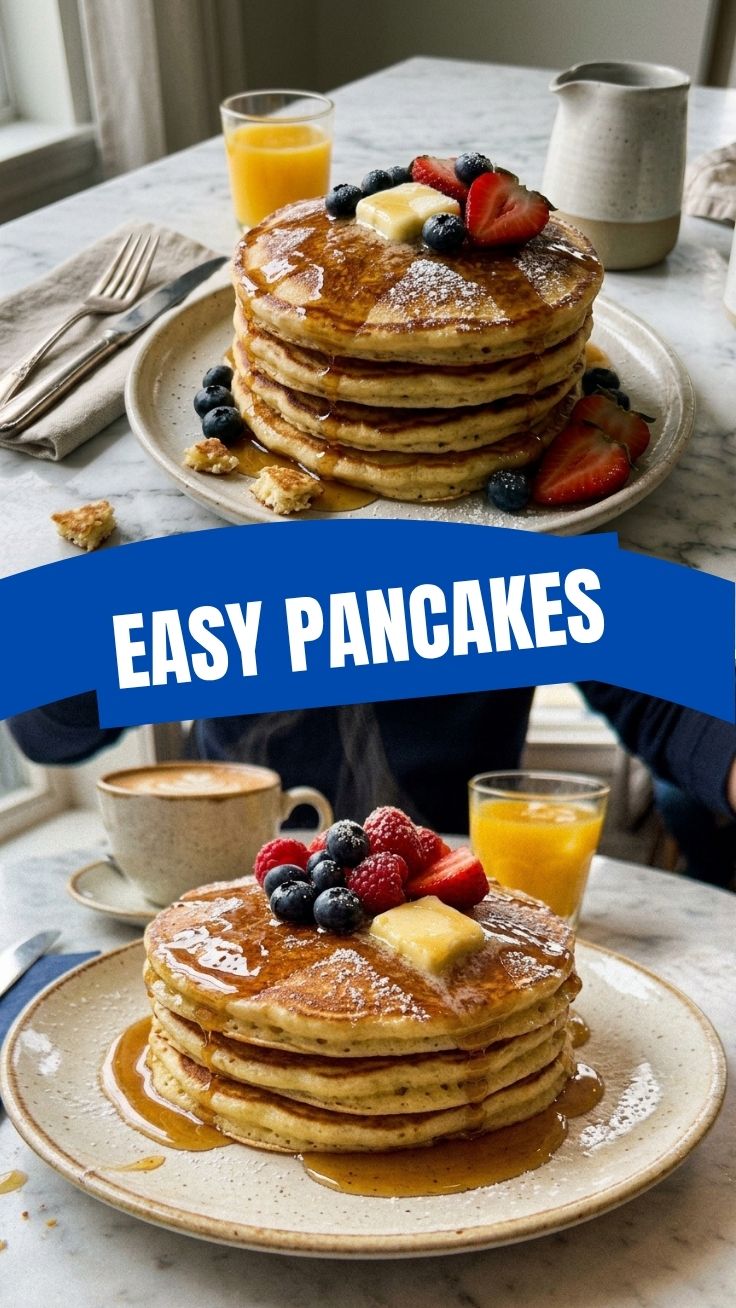
– Prep Time: 10 minutes
– Resting Time: 5 minutes (allows gluten to relax and bubbles to form)
– Cook Time: 15 minutes (for a batch of 8–10 medium pancakes)
– Total Time: 30 minutes
Planning Tip: Rest the batter while you heat the griddle. This short pause ensures lighter, airier pancakes. If you’re cooking for a crowd, keep finished pancakes warm on a baking sheet in a 200°F oven.
—
Step-by-Step Instructions
1. Mix Dry Ingredients: In a large bowl, whisk together flour, sugar, baking powder, baking soda, and salt. Ensure no clumps remain.
2. Combine Wet Ingredients: In a separate bowl, whisk buttermilk, egg, melted butter, and vanilla until smooth.
3. Create the Batter: Pour the wet mixture into the dry ingredients. Stir gently with a fork until just combined – a few lumps are fine. Overmixing develops gluten and makes pancakes tough.
4. Rest the Batter: Let the batter sit for 5 minutes. Meanwhile, preheat your griddle over medium heat (about 350°F). A drop of water should sizzle and evaporate.
5. Cook the Pancakes: Lightly grease the griddle with butter or oil. Pour ¼ cup batter per pancake. Cook until bubbles form on the surface and edges look set (about 2–3 minutes). Flip carefully and cook 1–2 minutes more. The second side takes less time.
6. Check for Doneness: A perfectly cooked pancake springs back when pressed lightly. Adjust heat if browning too fast or too slow.
Temperature Cue: If the first pancake turns dark brown before the center is cooked, lower the heat. If it’s pale and doughy, raise it slightly.
Now, let’s talk about how these techniques apply to the world of Pancakes in general, and specifically to adventurous Pancake recipes – the same principles of heat control and batter consistency apply whether you’re making classic American stacks or savory Korean hotteok.
—
Nutritional Benefits & Advantages
Homemade pancakes offer more than just taste. A typical serving (two 4-inch pancakes) contains:
– Calories: ~280
– Protein: 8g
– Carbohydrates: 40g
– Fat: 10g
Key Advantages:
– No preservatives or artificial flavors – You control the quality.
– Easily customizable – Boost protein with Greek yogurt or reduce sugar with ripe mashed bananas.
– Whole-grain swaps – Use whole wheat or oat flour for added fiber.
– Lower sodium – Homemade versions have 50–70% less sodium than mixes.
Additionally, pancakes made with buttermilk provide calcium and probiotics. When paired with fresh fruit, you add vitamins and antioxidants to your breakfast.
—
Tips Variations & Cooking Advice
Flavor Variations:
– Blueberry Lemon: Fold ½ cup fresh blueberries and 1 tsp lemon zest into batter.
– Chocolate Chip: Add ¼ cup mini chocolate chips after mixing.
– Savory Cornmeal: Replace ¼ cup flour with cornmeal, add ½ cup corn kernels and a pinch of pepper.
Dietary Adaptations:
– Gluten-Free: Use a 1:1 gluten-free flour blend or almond flour (add an extra egg).
– Dairy-Free: Substitute milk with almond or oat milk, and use coconut oil instead of butter.
– Egg-Free: Replace one egg with ¼ cup applesauce or a flax egg (1 tbsp ground flax + 3 tbsp water).
Cooking Advice:
– Portion consistency: Use a measuring cup or ice cream scoop for uniform size.
– Keep warm: Place cooked pancakes on a wire rack over a baking sheet in a 200°F oven.
– Double batch: Freeze extra pancakes between layers of parchment paper for quick weekday breakfasts.
—
Common Mistakes to Avoid
1. Overmixing the Batter – This creates too much gluten, resulting in dense, rubbery pancakes. Stir only until no dry flour remains.
2. Skipping the Rest – A 5-minute rest lets gluten relax and baking powder activate, ensuring fluffiness.
3. Incorrect Pan Temperature – Too hot: burned outside, raw inside. Too cool: pale, flat pancakes. Test with a few drops of water.
4. Flipping Too Early – Wait until bubbles appear all over the surface and the edges look slightly dry. Flip gently.
5. Stacking Without Cooling – Freshly cooked pancakes release steam; stacking them immediately makes them soggy. Use a cooling rack or space them out.
—
Storage & Meal Prep Tips
Refrigeration:
– Store leftover pancakes in an airtight container or zip-top bag for up to 3 days. Place a paper towel between layers to absorb moisture.
Freezing:
– Arrange pancakes in a single layer on a baking sheet, freeze until solid (about 1 hour), then transfer to a freezer bag. They keep for up to 2 months.
Reheating:
– Toaster or toaster oven: Crisp edges and warm center in 2–3 minutes.
– Microwave: 20–30 seconds per pancake, but texture may soften.
– Oven: 350°F for 5–7 minutes on a baking sheet.
Meal Prep Tip: Make a double batch on Sunday, freeze individually, and grab one or two each morning. Reheat while you brew coffee.
—
Conclusion
Mastering the perfect pancake is a skill that rewards patience and practice. From the simple pleasure of a classic buttermilk stack to exotic twists like Korean hotteok, the possibilities are endless. By following these steps, you’ll consistently produce light, fluffy pancakes that rival any diner’s. Remember, the best Pancakes start with a rested batter and a properly heated griddle. And if you’re looking to expand your breakfast repertoire, don’t miss the unique Pancake recipes that bring savory, cheesy goodness to the table. Give these tips a try, snap a photo of your stack, and share your results with us. Happy flipping!
—
FAQs
1. Can I use buttermilk substitute?
Yes. Mix 1 cup milk with 1 tablespoon lemon juice or white vinegar. Let sit 5 minutes until slightly thickened. Works perfectly.
2. Why are my pancakes flat and dense?
Likely causes: overmixing, old baking powder, or skipping the rest. Check your leavener’s expiration date and stir only until combined.
3. Can I make pancake batter ahead of time?
Batter is best used immediately. If needed, refrigerate for up to 1 hour, but do not stir again. The leavening reaction will weaken over time.
4. How do I reheat frozen pancakes without drying them out?
Use a toaster on medium setting or oven at 350°F for 5–7 minutes. Avoid microwaving for more than 30 seconds to prevent rubbery texture.
5. Can I substitute eggs for a vegan version?
Yes. Use a flax egg (1 tbsp ground flax + 3 tbsp water, rest 5 minutes) or ¼ cup applesauce per egg. The pancakes will be slightly denser but still delicious.
Proven way to grow perfect Pancakes in 7 stepsPancakes
Ingredients
Equipment
Method
- In a large bowl, whisk together the dry ingredients: flour, sugar, baking powder, and salt.
- In a separate bowl, whisk together the wet ingredients: milk, egg, and melted butter or oil.
- Pour the wet ingredients into the dry ingredients and mix until just combined; do not overmix, as lumps are okay.
- Heat a lightly oiled griddle or non-stick pan over medium heat.
- Pour approximately 1/4 cup of batter per pancake onto the hot surface.
- Cook for 2-3 minutes per side, or until golden brown and bubbles form on the surface.
- Serve immediately with your favorite toppings like syrup, fruit, or whipped cream.