The Ultimate Guide to a Perfect Garden Salad: Fresh, Crunchy, and Customizable
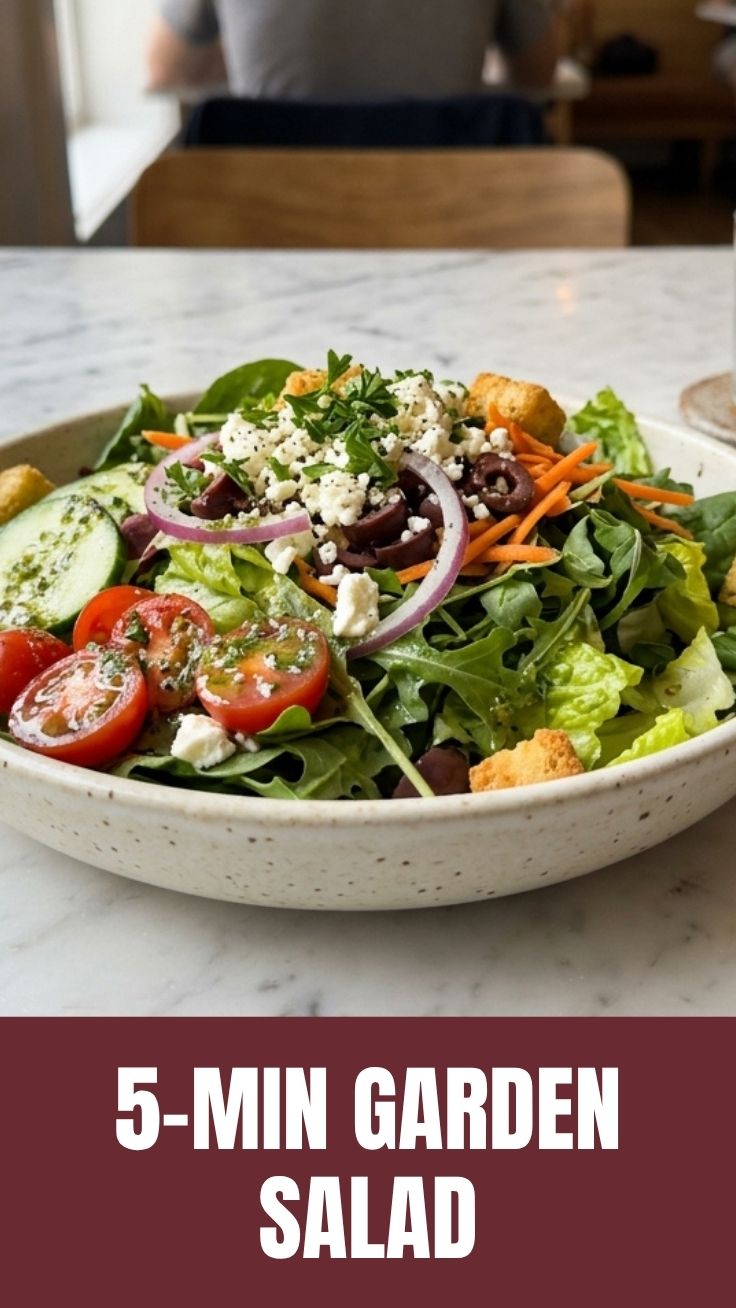
Ever wondered how to elevate a simple bowl of greens into a meal that bursts with color, texture, and nutrition? A homemade garden salad is more than just a side dish—it’s a canvas for seasonal creativity, a way to use up leftover vegetables, and a cornerstone of healthy eating. Preparing it at home not only saves money but also lets you control every ingredient, from the fresh lettuce you choose to the dressing you whisk. In this guide, you’ll learn exactly how to build a vibrant, satisfying salad that stays crisp and flavorful from first bite to last.
—
Ingredients & Kitchen Tools
Produce
– Romaine or mixed greens (about 4 cups) – Use a base of Lettuce for crunch; add spinach or arugula for variety.
– Cherry tomatoes (1 cup, halved) – Sweetness and color.
– Cucumber (1 medium, sliced) – Hydrating and cool.
– Red onion (¼ cup, thinly sliced) – Sharp bite; soak in cold water to mellow.
– Bell pepper (½ cup, diced) – Extra crunch and vitamin C.
– Carrot (1 medium, shredded) – Natural sweetness and beta‑carotene.
– Optional add‑ins – Radishes, avocado, olives, or croutons.
Dressing (or use store‑bought)
– Olive oil (3 tbsp) – Base for vinaigrette.
– Red wine vinegar (1 tbsp) – Bright acidity.
– Dijon mustard (1 tsp) – Emulsifier.
– Garlic (1 clove, minced) – Aromatic kick.
– Salt and pepper to taste.
Kitchen Tools
– Large salad bowl – Preferably wooden or ceramic to avoid reacting with acidic dressing.
– Chef’s knife + cutting board.
– Salad spinner – Critical for dry greens.
– Measuring spoons and small whisk.
—
Prep Time & Cooking Schedule
– Prep time: 15 minutes
– Cooking time: 0 minutes (no‑cook recipe)
– Resting time: 5 minutes after dressing to let flavors meld
Planning tip: Wash and spin your lettuce up to two hours ahead and store it in the fridge wrapped in a paper towel inside a sealed bag. This ensures maximum crispness. If you’re serving guests, prepare all chopped vegetables beforehand and dress only when ready to serve.
—
Step‑by‑Step Instructions
1. Prepare the greens. Wash your fresh lettuce thoroughly under cold water, then spin dry in a salad spinner until no water droplets remain. Any moisture will cause the salad to become soggy. Tear or chop into bite‑sized pieces and transfer to a large bowl.
2. Prep the vegetables. Halve cherry tomatoes, slice cucumber into half‑moons, thinly slice red onion, dice bell pepper, and shred carrot. For a milder onion flavor, soak slices in ice water for 10 minutes, then drain.
3. Make the dressing. In a small bowl, whisk together olive oil, red wine vinegar, Dijon mustard, minced garlic, salt, and pepper until emulsified. Taste and adjust acidity or salt.
4. Assemble the salad. Add all prepared vegetables to the bowl with the greens. Drizzle about 3 tablespoons of dressing around the edges (not directly on the leaves) and gently toss with your hands or salad servers until evenly coated. The goal is a light, even coating, not a pool of dressing.
5. Finish and serve. Let the dressed salad rest for 2–3 minutes so the vegetables absorb a hint of flavor. Garnish with cracked black pepper and optional fresh herbs (chives or parsley). Serve immediately for optimum crunch.
Pro tip: If you’re making a homemade garden salad ahead of time, keep the dressing separate and only dress the portion you’ll eat immediately. This keeps leftovers crisp.
—
Nutritional Benefits & Advantages
A well‑constructed garden salad is a powerhouse of nutrients. The variety of vegetables provides a wide spectrum of vitamins, minerals, and antioxidants:
– Vitamin A from carrots and lettuce supports vision and immune function.
– Vitamin C from bell peppers and tomatoes enhances collagen production and iron absorption.
– Fiber from the vegetables aids digestion and promotes satiety.
– Healthy fats from olive oil help absorb fat‑soluble vitamins (A, D, E, K).
– Low calorie density makes this salad ideal for weight management – you can eat a large volume without exceeding your calorie goals.
Because the recipe is naturally gluten‑free and can easily be made dairy‑free (omit cheese or use vegan parmesan), it fits into nearly any dietary preference.
—
Tips, Variations & Cooking Advice
Flavor Variations
– Mediterranean twist: Add crumbled feta, Kalamata olives, and a squeeze of lemon.
– Protein‑packed: Top with grilled chicken, chickpeas, or hard‑boiled eggs.
– Herbaceous: Mix in fresh basil, mint, or dill for an aromatic lift.
Ingredient Swaps
– Lettuce alternatives: Use kale (massage with olive oil first) or shredded Brussels sprouts.
– Vinegar options: Apple cider, balsamic, or white wine vinegar.
– Mustard substitute: A pinch of honey blended with salt creates a simple honey‑vinaigrette.
Dietary Adaptations
– Low‑FODMAP: Omit onion and garlic; use garlic‑infused olive oil instead.
– Keto: Increase avocado and add high‑fat cheese; reduce carrots and tomatoes.
– Nut‑free: Omit walnuts or almonds if you add nuts.
—
Common Mistakes to Avoid
– Overdressing. Dressing should lightly coat each leaf, not drown it. Start with less, toss, and add more if needed.
– Wet greens. Failing to dry lettuce thoroughly is the #1 cause of a limp salad. A salad spinner is non‑negotiable.
– Cutting ingredients too large or too small. Aim for uniform bite‑sized pieces so every forkful has a balanced mix.
– Adding dressing too early. If serving later, keep dressing separate until the last moment. Pre‑dressed salads become soggy within minutes.
– Skipping seasoning. Salt and pepper in the dressing elevate every ingredient. Taste the finished salad and adjust.
—
Storage & Meal Prep Tips
– Refrigeration: Store undressed salad components in an airtight container lined with a paper towel. The towel absorbs excess moisture and keeps greens crisp for up to 3 days.
– Freezing: Not recommended for fresh salads – freezing destroys cell structure, turning vegetables mushy upon thawing.
– Reheating: This recipe is served cold; do not reheat. If you have leftover dressed salad, it will soften quickly. Enjoy it within 4–6 hours as a “second‑day” wilted salad or use it in a wrap.
– Meal prep: Pre‑chop vegetables and store separately. Combine only when ready to eat. Make dressing in bulk and keep in a jar for up to a week.
—
Conclusion
Building a homemade garden salad doesn’t require a culinary degree—just fresh ingredients, a little technique, and a willingness to experiment. By starting with crisp fresh lettuce and selecting your favorite seasonal toppings, you can create a side dish or main course that’s as nutritious as it is delicious. The beauty of this recipe lies in its flexibility: swap in whatever vegetables you have on hand, adjust the dressing to your taste, and never settle for a boring bowl of greens again.
Give this garden salad a try for your next meal, and don’t forget to share your customizations in the comments. For more salad inspiration, explore our other recipes like the three‑bean or cucumber variations.
—
FAQs
1. Can I use pre‑washed bagged lettuce?
Yes, but always check for moisture. Even pre‑washed greens benefit from a quick spin in the salad spinner to remove excess water from the bag.
2. How can I make the salad more filling without meat?
Add protein‑rich ingredients like chickpeas, lentils, quinoa, hemp seeds, or cubed tofu. Avocado also contributes healthy fats and creamy texture.
3. What if I don’t have red wine vinegar?
Substitute with apple cider, white wine, or balsamic vinegar. For a citrusy twist, use fresh lemon juice (reduce amount to 1½ tsp to avoid overpowering).
4. How long does the dressing stay good in the fridge?
Homemade vinaigrette with fresh garlic keeps for up to 5 days in a sealed jar. Shake well before using. Discard if garlic develops an off smell.
5. My salad always tastes bland. What am I missing?
Likely not enough seasoning. Make sure the dressing contains salt and pepper, and consider adding a pinch of salt directly to the vegetables before dressing. A small amount of acid (vinegar/lemon) also brightens flavors significantly.
Proven way to grow a Garden Salad in 7 days.
Ingredients
Equipment
Method
- Choose a sunny spot for your container or garden bed with good drainage.
- Fill the container or bed with potting soil, leaving an inch or two from the top.
- Sow the salad seeds according to package directions, usually about 1/4 inch deep and spaced an inch apart; if planting other vegetable seeds, follow their specific instructions.
- Water gently after planting to moisten the soil and keep it consistently damp, but avoid overwatering.
- Place your container in a location that receives at least 6 hours of direct sunlight daily.
- Thin the seedlings after a few days, once they are a couple of inches tall, leaving the strongest plants spaced 2-4 inches apart for greens, or more for larger vegetables.
- By day 7, your salad greens should be ready for harvest; carefully snip the outer leaves with scissors, allowing the inner leaves to continue growing for future harvests.
- If you planted other vegetables, continue caring for them as they will take longer to mature.