From Scratch to Slice: Your Ultimate Guide to Irresistible Homemade White Bread
Ever wondered if you could master the art of baking a fluffy, golden loaf of bread right in your own kitchen? Imagine the aroma wafting through your home, far superior to anything store-bought. Today, we’re diving deep into crafting the perfect loaf of Homemade White Bread. This isn’t just about following a recipe; it’s about rediscovering the simple joy of baking and enjoying a foundational staple. Many assume baking bread is complicated, but with our comprehensive guide, you’ll find that creating an Easy White Bread Recipe is entirely achievable and incredibly rewarding. Get ready to impress yourself and everyone lucky enough to share a slice.
Ingredients & Kitchen Tools
Crafting the perfect loaf begins with the right ingredients and tools. Here’s what you’ll need:
- All-purpose flour (approx. 5-6 cups): The backbone of your bread. “Unbleached” is often preferred for better flavor and texture.
- Active dry yeast (2 ¼ teaspoons or 1 standard packet): The magic leavening agent that makes your bread rise. Ensure it’s fresh for best results.
- Granulated sugar (2 tablespoons): Feeds the yeast, aiding in fermentation, and adds a touch of sweetness for a balanced flavor.
- Salt (1-2 teaspoons): Essential for flavor and helps control yeast activity. Don’t skip it!
- Warm water (1 ½ – 2 cups, 105-115°F / 40-46°C): Activates the yeast. Too hot will kill it; too cold won’t activate it.
- Vegetable oil or melted butter (2 tablespoons + extra for greasing): Adds moisture, tenderness, and a rich flavor to the bread.
- Large mixing bowl: For combining ingredients and the first rise.
- Measuring cups and spoons: For accurate ingredient quantities.
- Dough scraper or spatula: Helpful for mixing and handling dough.
- Clean kitchen towel or plastic wrap: For covering the dough during rising.
- 9×5 inch loaf pan: The perfect size for a standard loaf of bread.
- Wire cooling rack: Essential for cooling the bread evenly and preventing a soggy bottom.
Prep Time & Cooking Schedule
- Prep time: 20-25 minutes (active working time)
- First rise: 60-90 minutes
- Second rise: 30-45 minutes
- Bake time: 30-35 minutes
- Cooling time: 30-60 minutes
This schedule allows for sufficient rising times, which are crucial for developing the bread’s texture and flavor. Plan for about 3-4 hours from start to finish, most of which is inactive waiting.
Step-by-Step Instructions
1. Activate the Yeast: In your large mixing bowl, combine the warm water, sugar, and yeast. Stir gently and let it sit for 5-10 minutes until foamy. This “proofs” the yeast, ensuring it’s alive and ready to make your bread light and airy.
2. Combine Wet and Dry: Stir in the vegetable oil (or melted butter) and salt into the foamy yeast mixture. Gradually add 3 cups of flour, mixing with a wooden spoon or dough scraper until just combined.
3. Knead the Dough: Continue adding flour, about ½ cup at a time, until the dough leaves the sides of the bowl. Turn the dough out onto a lightly floured surface and knead for 8-10 minutes. The dough should become smooth and elastic. This is where you’ll start to appreciate the transformation from raw ingredients to what will become the perfect Homemade White Bread.
4. First Rise: Lightly grease the mixing bowl. Place the dough in the bowl, turning once to coat. Cover with a clean kitchen towel or plastic wrap and let rise in a warm, draft-free place for 60-90 minutes, or until doubled in size.
5. Shape the Loaf: Gently punch down the risen dough to release air. Turn it onto a lightly floured surface. Flatten the dough into a rectangle and roll it tightly into a log. Pinch the seams to seal.
6. Second Rise: Place the shaped dough seam-side down into a greased 9×5 inch loaf pan. Cover again and let rise for another 30-45 minutes, or until nearly doubled in size and puffy. This second rise is vital for achieving a beautiful final structure in your Easy White Bread Recipe.
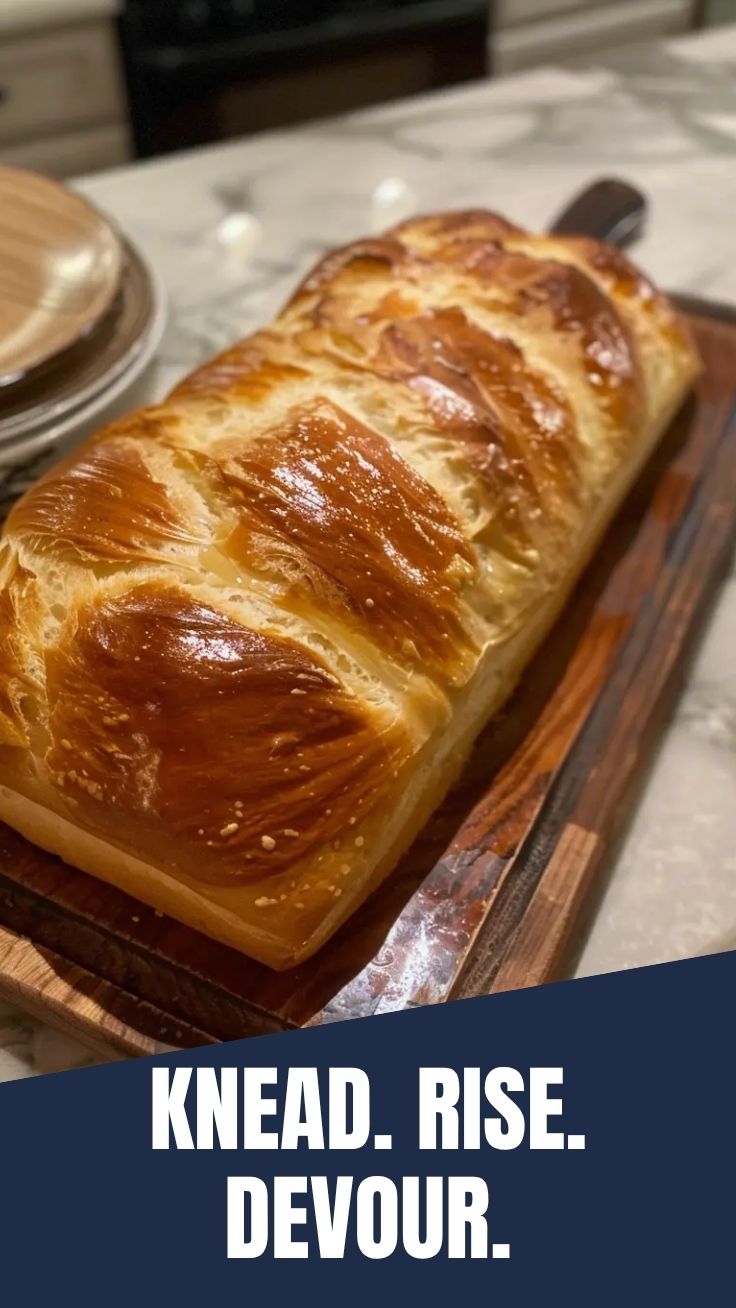
7. Bake: Preheat your oven to 375°F (190°C). Bake for 30-35 minutes, or until the crust is golden brown and the internal temperature reaches 200-210°F (93-99°C). If the top browns too quickly, you can loosely tent it with foil.
8. Cool: Immediately remove the bread from the pan and place it on a wire cooling rack. Let it cool completely before slicing. This prevents a gummy texture.
Nutritional Benefits & Advantages
Making your own white bread offers distinct advantages. You control the ingredients, avoiding artificial preservatives, high fructose corn syrup, and unnecessary additives often found in commercial loaves. While white bread is traditionally lower in fiber than whole wheat, using unbleached flour and omitting unhealthy fats offers a cleaner, more wholesome option. It provides a good source of carbohydrates for energy and, depending on the flour, can offer a modest amount of B vitamins and iron.
Tips, Variations & Cooking Advice
- Flavor Boost: Add a tablespoon of honey or maple syrup to the dough for a subtle sweetness and a richer crust color.
- Herb Bread: Mix in 1-2 tablespoons of dried herbs like rosemary, thyme, or oregano to the dry flour for an aromatic twist.
- Cheese Bread: Incorporate ½ cup of shredded cheddar or Parmesan cheese during the last minute of kneading.
- Egg Wash: For a glossier, browner crust, brush the top of the loaf with a beaten egg mixed with a tablespoon of water just before baking.
- Steam in the Oven: For a crispier crust, place a shallow pan of hot water on the bottom rack of your oven during the first 10-15 minutes of baking.
Common Mistakes to Avoid
- Water Temperature Too Hot/Cold: This is a common pitfall. Always check your water temperature with a thermometer.
- Not Kneading Enough: Under-kneading results in dense bread with a poor texture. Develop that gluten!
- Over-flouring: Adding too much flour can make the bread dry and crumbly. Add just enough to prevent stickiness.
- Not Letting it Rise Fully: Patience is key. Rushing the rising process will result in a heavy, dense loaf.
- Slicing Hot Bread: As tempting as it is, letting the bread cool completely allows the internal structure to set, preventing a gummy texture.
Storage & Meal Prep Tips
Once cooled, store your bread in an airtight container or bread bag at room temperature for up to 3-4 days. Avoid refrigeration, as it can cause bread to stale faster. For longer storage, slice the cooled bread and freeze in an airtight freezer bag for up to 3 months. Thaw individual slices or reheat directly in a toaster for fresh-tasting results. Freshly baked white bread is perfect for sandwiches, toast, or alongside a hearty soup.
Conclusion
Baking your own Homemade White Bread is a deeply satisfying experience, transforming simple ingredients into something truly extraordinary. With this guide, you now have all the tools and knowledge to confidently create a delicious and wholesome loaf at home. Don’t be intimidated; this Easy White Bread Recipe proves that baking bread from scratch is not only achievable but also incredibly rewarding. Give it a try, share your creations, and savor the warm, comforting taste of freshly baked bread!
FAQs
Q1: My dough isn’t rising; what went wrong?
A: The most common culprit is inactive yeast. Ensure your water temperature is correct (105-115°F) and your yeast is not expired. Your rising environment might also be too cold; try a warmer spot.
Q2: Can I use bread flour instead of all-purpose flour?
A: Yes, bread flour has higher protein content, which can result in a chewier texture and a slightly better rise. You might need a little less water as it absorbs more liquid.
Q3: How do I get a softer crust?
A: For a softer crust, brush the warm bread with melted butter immediately after removing it from the oven. You can also wrap the still-warm loaf in a clean kitchen towel as it cools.
Q4: Can I make this in a stand mixer?
A: Absolutely! Use the dough hook attachment. Mix on low speed for about 8-10 minutes, or until the dough is smooth and elastic and pulls away from the sides of the bowl.
Q5: My bread is dense; what can I do next time?
A: Density often stems from not enough kneading (gluten development) or not enough rising time. Make sure you allow the dough to double in size for both rises and knead thoroughly.
How to grow 3 Homemade White Bread loavesHomemade White Bread
Ingredients
Equipment
Method
- In a large bowl, dissolve the sugar in warm water, then stir in the active dry yeast and let it proof for 10-15 minutes until foamy.
- Add salt, vegetable oil, and 3 cups of flour to the yeast mixture, then gradually mix in the remaining flour until a soft dough forms.
- Turn the dough onto a lightly floured surface and knead it for 6-8 minutes until smooth and elastic.
- Lightly grease a large bowl, place the dough in it, turn to coat, then cover with a damp cloth and let it rise in a warm spot for 1-1.5 hours until doubled in size.
- Punch down the dough, divide it into three equal portions, and shape each portion into a loaf.
- Place the shaped loaves into three greased 9x5 inch loaf pans, cover with a damp cloth, and let rise for another 30-45 minutes until doubled.
- Preheat your oven to 375°F (190°C), brush the tops of the risen loaves with a beaten egg for a golden crust, and bake for 25-30 minutes until they are golden brown and sound hollow when tapped.