The Ultimate Guide to Creamy Butter Chicken: A Restaurant-Style Recipe You Can Master at Home
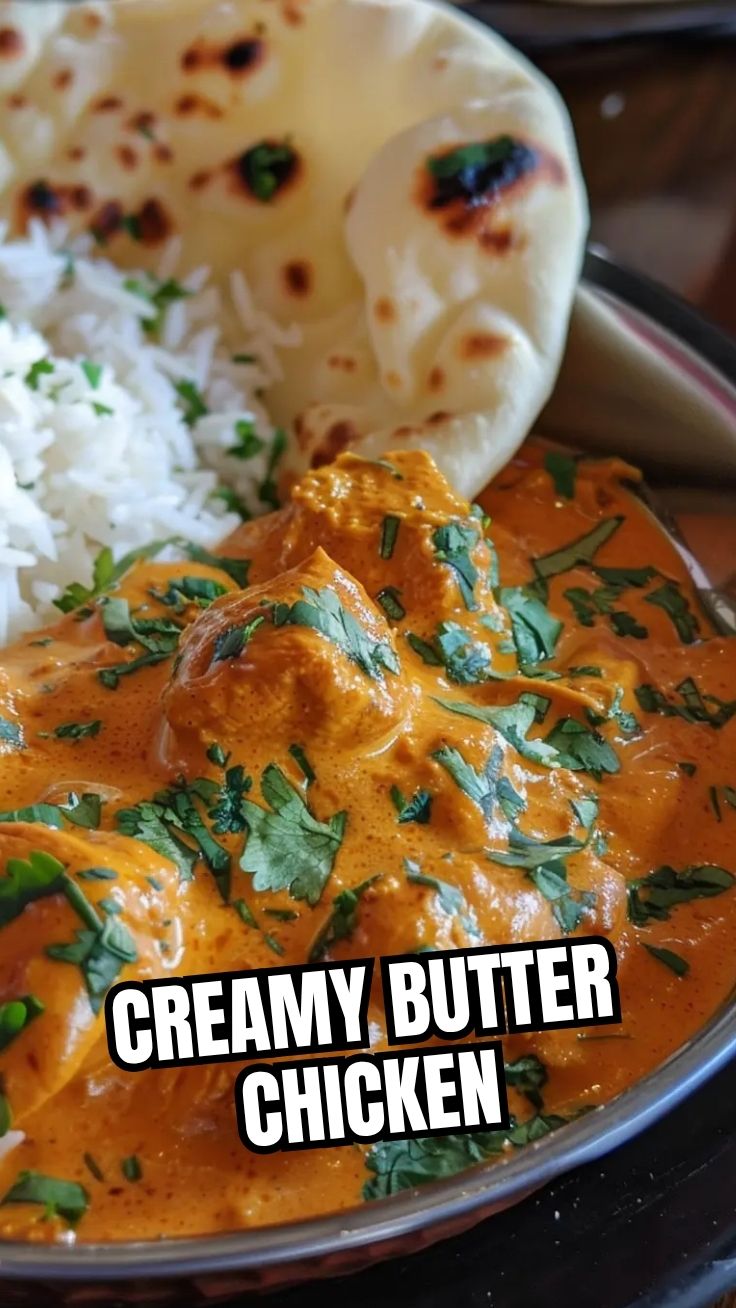
Have you ever wondered why your favorite Indian restaurant’s butter chicken tastes so impossibly rich, yet balanced? The secret isn’t a magic ingredient—it’s technique, timing, and a few smart shortcuts. Today, we’re breaking down every step so you can replicate that velvety, tomato-cream magic in your own kitchen. Preparing Butter Chicken at home isn’t just about saving money; it gives you control over spice levels, fat content, and sodium—while delivering flavor that rivals any takeout. This recipe focuses on a dairy-friendly version (yes, real butter and cream), but we’ll also touch on lighter adaptations. Let’s dive into the only butter chicken guide you’ll ever need.
Ingredients & Kitchen Tools
For the marinade:
– 500 g boneless chicken thighs (or breasts – thighs stay juicier)
– ½ cup plain full-fat yogurt (Greek works if thinned)
– 1 tbsp ginger-garlic paste
– 1 tsp turmeric, 1 tsp cumin, 1 tsp garam masala, 1 tsp chili powder (adjust heat)
– 1 tbsp lemon juice
– Salt to taste
For the gravy:
– 2 tbsp butter (or ghee for deeper flavor)
– 1 large onion, finely diced
– 3 tomatoes, pureed (or 1 can crushed tomatoes)
– 1 tbsp ginger-garlic paste
– 1 tsp each: cumin, coriander, garam masala, turmeric, paprika (for color)
– ½ cup heavy cream (or coconut cream for dairy-free)
– 1 tbsp tomato paste (optional, for richness)
– 1 tsp sugar or honey (to balance acidity)
– Fresh cilantro for garnish
Kitchen tools: Large mixing bowl, whisk, heavy-bottomed pan or Dutch oven, blender (for tomato puree), tongs, instant-read thermometer (optional for chicken doneness).
Substitutions: Swap butter for vegan butter or ghee; use cashew cream instead of dairy cream; replace yogurt with coconut yogurt for a lactose-free version.
Prep Time & Cooking Schedule
– Marinating time: 30 minutes minimum (overnight preferred for deeper flavor)
– Prep time: 15 minutes (chop, blend, measure)
– Cook time: 35 minutes (10 minutes for chicken + 25 minutes for gravy)
– Resting time: 5 minutes before serving (allows flavors to meld)
Schedule tip: Marinate chicken in the morning or night before. Start the gravy while the chicken rests after the initial sear. Total active kitchen time is under 45 minutes.
Step-by-Step Instructions
1. Marinate the chicken – In a bowl, combine yogurt, ginger-garlic paste, lemon juice, and all marinade spices. Add chicken pieces, coat thoroughly, cover, and refrigerate for at least 30 minutes (or up to 12 hours). This tenderizes and infuses flavor.
2. Cook the chicken – In a skillet over medium-high heat, melt 1 tbsp butter. Sear marinated chicken in batches (don’t overcrowd) for 3–4 minutes per side until lightly charred. Remove and set aside. Pro tip: resist moving the chicken too early—let a crust form.
3. Build the gravy base – In the same pan, add remaining butter. Sauté onion until golden (about 5 minutes). Add ginger-garlic paste and cook until fragrant (30 seconds). Pour in tomato puree, stir in all gravy spices, and simmer for 10 minutes, stirring occasionally, until oil separates.
4. Finish the gravy – Lower heat to medium-low. Stir in cream (or alternative), sugar, and salt. Add the cooked chicken pieces back into the pan. Simmer gently for 10 minutes, allowing the sauce to thicken and coat the meat. Temperature cue: gravy should gently bubble, not boil hard, to avoid splitting the cream.
5. Final adjustments – Taste and balance: more salt if flat, more sugar if acidic, more chili if bland. Garnish with cilantro. Serve over basmati rice or with warm naan.
While this traditional Butter Chicken recipe is beloved worldwide, you might also enjoy exploring its cousin, Chicken Tikka Masala, which uses grilled marinated chunks in a spiced tomato-cream sauce. Both share the same roots but dance to different spice rhythms.
Nutritional Benefits & Advantages
Butter chicken offers a surprising nutritional profile when made from scratch. Chicken thighs provide high-quality protein (about 25g per serving), while the tomato base delivers lycopene—a powerful antioxidant. The moderate use of cream and butter adds satiety, but you can control fat content by substituting half the cream with milk or yogurt. Turmeric and ginger in the marinade offer anti-inflammatory compounds. Compared to restaurant versions that often rely on heavy cream and added sugar, homemade butter chicken allows you to reduce calories by 20–30% while keeping flavor intact.
Tips, Variations & Cooking Advice
– Spice level: For milder heat, reduce chili powder and skip cayenne. For more fire, add fresh green chilies with the onion.
– Dietary adaptations: Make it dairy-free by using coconut cream and vegan butter; gluten-free? It already is (skip naan, serve with rice).
– Smoky twist: After cooking, place a small piece of charcoal directly in the pan for 2 minutes, covered—this adds a restaurant-style smokiness.
– Cooking method: The same gravy works for slow cooker (4 hours low, then shred chicken) or Instant Pot (pressure cook gravy 10 minutes, then sauté with pre-cooked chicken).
– Portion changes: Double the recipe and freeze half the gravy separately (add chicken when reheating to avoid overcooking).
Common Mistakes to Avoid
– Curdled cream – Always add cream off the heat or at very low temperature; high heat breaks the emulsion. Stir cream in slowly while drizzling.
– Dry chicken – Overcooking is the #1 culprit. Sear only until golden and finish gently in the gravy. Use a meat thermometer: 165°F (74°C) for breasts, 170°F for thighs.
– Flat or bland sauce – Forgot to bloom spices? Toast them in butter for 30 seconds before adding liquid. Also, don’t skip the sugar—it balances tomatoes’ acidity.
– Watery gravy – Reduce tomato puree initially until thick, and don’t skip the cream’s thickening power. Simmer uncovered for the last 10 minutes.
Storage & Meal Prep Tips
– Refrigeration: Store in an airtight container for up to 4 days. The flavor actually improves after 24 hours.
– Freezing: The gravy freezes excellently for up to 3 months. Freeze without chicken if possible; add fresh cooked chicken when serving.
– Reheating: Gently warm on the stovetop over low heat, adding a splash of water or milk if the sauce thickened. Microwave? Use 50% power in 30-second bursts to avoid splitting.
– Meal prep: Marinate chicken and freeze it raw in the marinade (up to 3 months). On cooking day, thaw and proceed from step 2.
Conclusion
Mastering Butter Chicken at home transforms a takeout indulgence into a wholesome, customizable weeknight staple. The key is layering flavors—yogurt marinade, seared meat, slow-simmered gravy—and trusting simple techniques over shortcuts. Whether you serve it with rice, naan, or even quinoa, this dish delivers comfort that never gets old. And if you’re craving the char-grilled version, don’t forget to try Chicken Tikka Masala for a smoky twist. Share your butter chicken results on social media—tag #homemadebutterchicken and inspire others to ditch the delivery menu. Your kitchen is now your favorite Indian restaurant.
FAQs
Can I use chicken breasts instead of thighs?
Yes, but breasts dry out faster. Marinate at least 2 hours, sear only 2 minutes per side, and simmer in gravy for no more than 5 minutes.
Why did my cream curdle?
You likely added cream to boiling sauce. Always remove pan from heat, let cool 1 minute, then stir cream in gently. Use full-fat cream (higher fat = more stable).
How do I make butter chicken less acidic?
Add ½ teaspoon of baking soda while cooking the tomato puree, or increase the sugar/honey to 2 teaspoons. A pinch of cinnamon also balances acidity.
Can I skip marinating?
You can, but the yogurt and lemon tenderize the meat and build flavor depth. Even 20 minutes makes a difference. For a quick version, skip marinating but double the ginger-garlic in the gravy.
Is this recipe gluten-free?
Yes, as written—no flour or wheat products. Just ensure your store-bought spices and yogurt are pure (no anti-caking agents with gluten).
Proven way to grow Butter Chicken in 25 minutes
Ingredients
Equipment
Method
- Melt butter in a large skillet over medium heat. Add chicken and cook until browned, about 5-7 minutes. Remove chicken and set aside.
- Add onion to the skillet and cook until softened, about 3-5 minutes. Stir in garlic and ginger and cook for 1 minute more.
- Pour in tomato sauce, heavy cream, garam masala, turmeric, and salt. Bring to a simmer.
- Return chicken to the skillet and cook for 5-7 minutes, or until chicken is cooked through and sauce has thickened.
- Garnish with fresh cilantro and serve hot.