The Ultimate Guide to Perfect Chicken Noodle Soup: A Bowl of Comfort, Crafted at Home
Is there anything more soul-soothing than a steaming bowl of Chicken Noodle Soup on a chilly day or when you’re feeling under the weather? The aroma of simmering broth, tender chicken, and soft noodles has an almost magical ability to comfort and heal. While canned versions are convenient, preparing a true homemade chicken noodle soup offers unmatched depth of flavor, control over ingredients, and a sense of accomplishment. It’s a culinary experience that transforms simple components into a masterpiece of flavor and nutrition.
Ingredients & Kitchen Tools
To craft the perfect chicken noodle soup, you’ll need the following ingredients and tools:
Ingredients:
– 2 bone-in, skin-on chicken breasts: Adds deep flavor and moisture. Boneless can be used, but bone-in yields a richer stock.
– 1 large onion, diced: Foundation of aromatic base. Yellow or sweet onion works best.
– 3 carrots, peeled and sliced: Sweetness and color. Sub with parsnips for a twist.
– 3 celery stalks, sliced: Salty crunch and classic flavor. Use celery root for a milder taste.
– 4 garlic cloves, minced: Potent flavor enhancer. Roast beforehand for a nuttier profile.
– 8 cups low-sodium chicken broth: Base of the soup. Homemade stock elevates taste further.
– 2 cups wide egg noodles: Classic choice. Use gluten-free pasta or rice noodles for dietary needs.
– 1 teaspoon dried thyme & 1 bay leaf: Earthy aromatics. Fresh herbs double the potency.
– 2 tablespoons olive oil or butter: For sautéing. Avocado oil is a neutral substitute.
– Salt and black pepper to taste: Adjust later, as broth may vary.
– Fresh parsley for garnish: Brightness and freshness.
Kitchen Tools:
– Large stockpot or Dutch oven: Even heat distribution. Min 5-quart capacity.
– Cutting board and sharp knife: Essential for uniform dicing.
– Ladle: For serving without spills.
– Fine-mesh strainer: Optional for clarifying broth after cooking chicken.
– Measuring cups and spoons: Precision ensures consistency.
Prep Time & Cooking Schedule
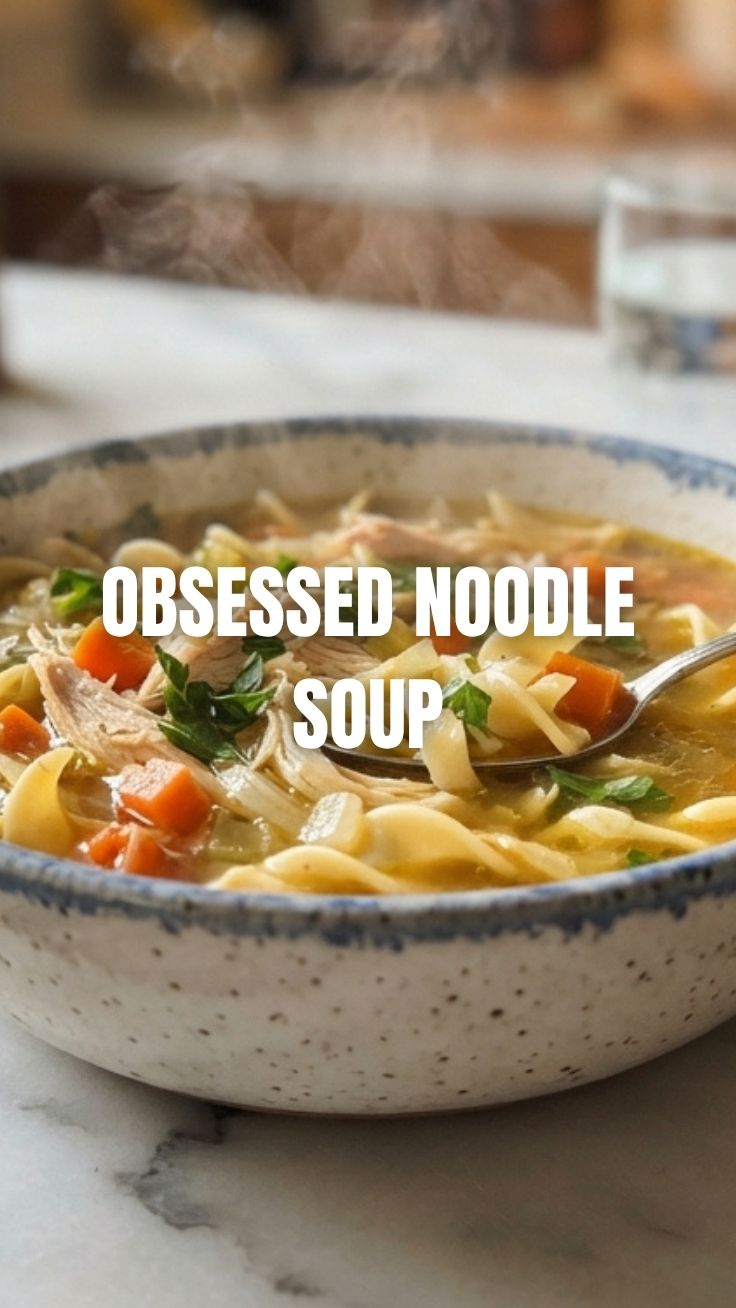
Total Time: Approximately 1 hour 10 minutes
– Prep Time: 20 minutes (chopping vegetables, mincing garlic)
– Cook Time: 45-50 minutes (25 minutes for chicken cooking + 20 minutes for noodle simmering)
– Resting Time: 5 minutes after serving to allow flavors to meld
Context for Planning: This recipe fits perfectly for a weekday dinner if you start 30 minutes ahead. The soup tastes even better the next day, making it ideal for meal prep. If using a slow cooker, the active cooking time drops to 15 minutes, followed by 4-6 hours on low.
Step-by-Step Instructions
1. Sauté the Aromatics : In a large stockpot, heat 2 tablespoons olive oil over medium heat. Add diced onion, carrots, and celery. Cook for 5-7 minutes, stirring occasionally, until softened. Add minced garlic and cook for 30 seconds until fragrant. Pro tip: High heat burns garlic—keep it medium.
2. Build the Broth : Add chicken broth, thyme, and bay leaf. Bring to a gentle boil. Add chicken breasts, skin-side down. Reduce heat to low, cover, and simmer for 25 minutes. The broth will be golden and fragrant. Temperature check: Small bubbles should break the surface, not a rolling boil.
3. Remove and Shred Chicken : Carefully remove chicken from pot using tongs. Let rest 5 minutes before shredding. Discard skin and bones. Strain the broth through a fine-mesh strainer for clarity (optional). Taste the broth: Seasonings should be mild before noodles absorb them.
4. Cook the Noodles : Return broth to a simmer. Add egg noodles and cook for 6-8 minutes, stirring occasionally, until al dente. Texture cue: Noodles should be tender but firm to the bite. Overcooking makes them mushy.
5. Combine and Adjust : Stir shredded chicken back into the soup. Season with salt and pepper to taste. Garnish with fresh parsley. The homemade chicken noodle soup is now ready to serve. Final texture: Broth should be slightly thickened by noodle starch—add a splash of water if too dense.
Nutritional Benefits & Advantages
This soup is a powerhouse of nutrition. The bone-in chicken releases collagen and minerals into the broth, supporting joint and skin health. Carrots and celery contribute vitamins A, C, and K, boosting immune function. The egg noodles provide quick energy through complex carbohydrates, while the lean chicken offers high-quality protein. A single serving (approx. 1.5 cups) contains roughly 250-300 calories, 20g protein, and 30g carbohydrates, making it a balanced, low-fat meal. The electrolytes from the broth aid hydration, especially during illness.
Tips Variations & Cooking Advice
– Flavor Twist: Add a dash of turmeric and ginger for anti-inflammatory benefits. Squeeze lemon juice before serving for brightness.
– Protein Swap: Use shredded turkey or rotisserie chicken for a quicker version. Replace chicken with chickpeas for vegetarian variation.
– Noodle Alternatives: Use zucchini noodles for low-carb version or rice noodles for gluten-free. Cook separately and add to bowls to prevent sogginess.
– Method Variation: Slow cooker method: Sauté aromatics, then transfer all ingredients except noodles to slow cooker. Cook on low 6 hours. Add noodles and cook 20 minutes.
– Dairy-Free: This recipe is naturally dairy-free. For creamy version, add 1 cup coconut milk at the end.
Common Mistakes to Avoid
1. Overcooking Noodles: Noodles absorb liquid and become mushy if cooked too long. Add them only when broth is ready and serve immediately.
2. Boiling Chicken: High heat toughens meat. Always maintain a gentle simmer, not a rolling boil.
3. Underseasoning: Broth needs more salt than expected. Taste and adjust gradually—add in stages.
4. Skipping the Aromatics: Sautéing vegetables deepens flavor. Don’t skip this step, even in a slow cooker.
5. Adding All Ingredients at Once: Overcrowding the pot leads to uneven cooking. Layer ingredients in order of cooking time.
Storage & Meal Prep Tips
– Refrigeration: Cool soup completely before transferring to airtight containers. Refrigerate for 3-4 days. The flavor improves overnight.
– Freezing: For best texture, store broth and chicken separately from cooked noodles. Combine when reheating. Freeze broth in portions for up to 3 months.
– Reheating: Microwave in 1-minute bursts, stirring between, or reheat on stovetop over medium-low heat. Add a splash of broth or water if thickened.
– Texture Maintenance: To avoid soggy noodles, store them separately and add when serving. Cook noodles fresh each time for ideal texture.
Conclusion
Preparing a classic chicken noodle soup from scratch is a rewarding experience that delivers unparalleled
Best way to grow your Chicken Noodle Soup with 7 secret tips
Ingredients
Equipment
Method
- In a large pot or Dutch oven, heat a tablespoon of olive oil over medium heat. Sauté the chopped onion, sliced carrots, and sliced celery until softened, about 5-7 minutes.
- Add the minced garlic and cook for another minute until fragrant.
- Pour in the chicken broth and add the fresh thyme, bay leaf, and the Parmesan rind. Bring the mixture to a simmer.
- Once simmering, reduce the heat to low, cover, and let it gently cook for at least 30 minutes to allow the flavors to meld. Remove the Parmesan rind and bay leaf before proceeding.
- Increase the heat to medium-high and bring the broth to a rolling boil. Add the egg noodles and cook according to package directions until al dente.
- Stir in the shredded cooked chicken and heat through for a few minutes. Add the soy sauce and lemon juice.
- Season with salt and black pepper to taste, then stir in the fresh parsley just before serving.
- Use a high-quality chicken broth, or homemade if possible, for the best flavor foundation.
- Don't overcook the noodles; they should be al dente to prevent them from becoming mushy.
- The Parmesan rind adds a subtle depth of umami to the broth that is truly a secret weapon.
- A touch of soy sauce enhances savory notes without making the soup taste like soy sauce.
- A squeeze of lemon juice at the end brightens all the flavors in the soup.
- Fresh herbs, especially parsley and thyme, significantly elevate the aroma and taste.
- Consider adding a dash of smoked paprika for an extra layer of warmth and complexity.