The Ultimate Comfort in a Bowl: Crafting Your Perfect Chicken Soup
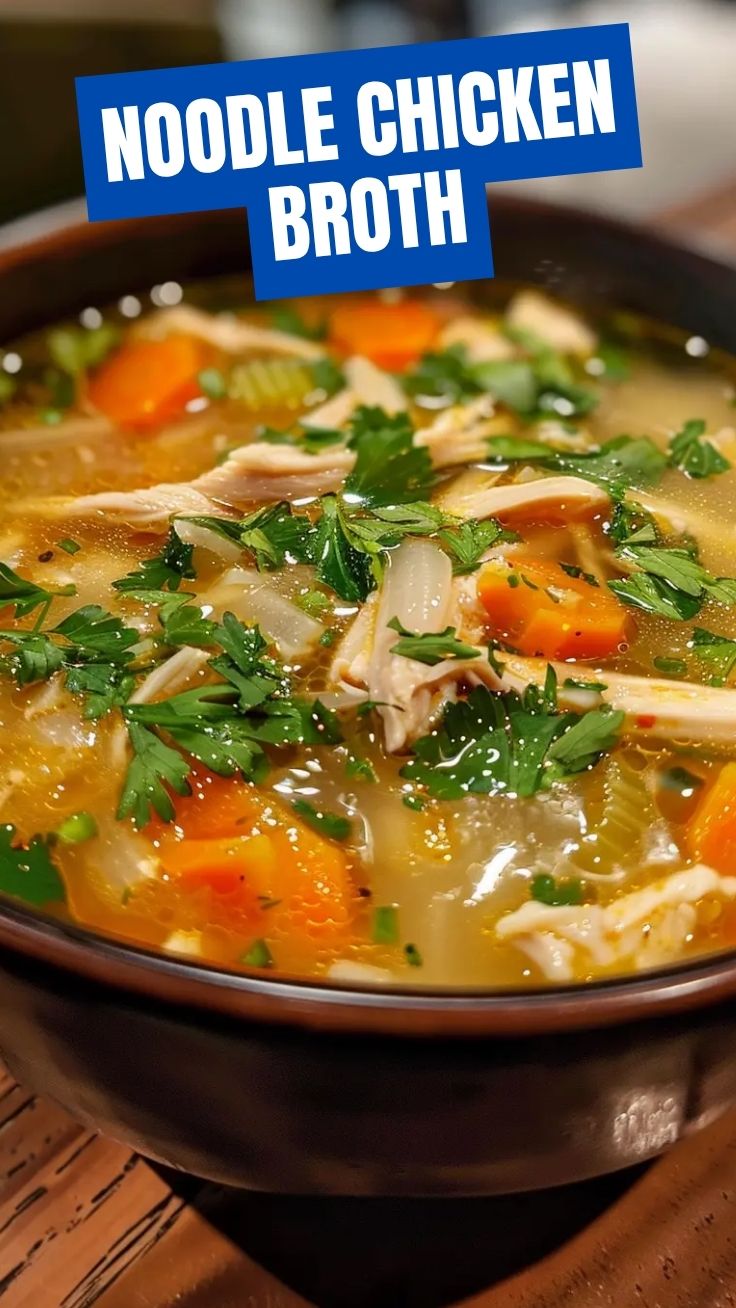
Is there anything more comforting and nourishing than a warm bowl of Chicken Soup? As temperatures drop and the days grow shorter, our bodies often crave dishes that not only satiate our hunger but also provide a profound sense of warmth and well-being. While store-bought options exist, the unparalleled flavor and healthful benefits of a truly delicious homemade chicken soup recipe elevate it to an entirely different league. Venturing into your kitchen to prepare this classic isn’t just about cooking; it’s about creating a wholesome, personalized meal packed with love and fresh ingredients. This comprehensive guide will walk you through crafting a flavorful and deeply satisfying homemade chicken soup recipe.
Ingredients & Kitchen Tools
To embark on this culinary journey, gather the following:
- 1 whole chicken (3-4 lbs), cut into pieces or 2 lbs bone-in, skin-on chicken thighs/breasts: Provides rich flavor and collagen for a silky broth.
- 2 large carrots, peeled and diced: Adds sweetness and vibrant color.
- 2 celery stalks, diced: Aromatic foundation, crisp texture.
- 1 large yellow onion, diced: Essential for a savory base.
- 3 cloves garlic, minced: Pungent and flavorful, enhances depth.
- 8 cups chicken broth (low sodium): The liquid base, choose high- quality for best results.
- 4 cups water: To ensure sufficient liquid for simmering.
- 1 cup egg noodles or ditalini pasta: Classic addition for a hearty finish; substitute with rice or quinoa for gluten-free.
- 1 tbsp olive oil: For sautéing aromatics.
- 2 bay leaves: Subtle herbal notes, remove before serving.
- 1 tsp dried thyme: Earthy and aromatic, complements chicken beautifully.
- 1/2 tsp dried rosemary, crushed: Piney and fragrant; use sparingly as it’s potent.
- Salt and freshly ground black pepper to taste: Essential seasoning.
- Fresh parsley, chopped (for garnish): Brightens flavor and adds visual appeal.
Kitchen Tools:
- Large stockpot or Dutch oven (6-8 quarts): For simmering and accommodating all ingredients.
- Cutting board and sharp knife: For preparing vegetables and chicken.
- Measuring cups and spoons: For accurate ingredient quantities.
- Ladle: For serving.
- Colander: For draining noodles if cooked separately.
Prep Time & Cooking Schedule
- Prep Time: 20-25 minutes (chopping vegetables, preparing chicken)
- Cook Time: 1 hour 30 minutes – 2 hours (simmering broth and cooking chicken, then adding noodles)
- Resting Time: 10 minutes (allowing chicken to cool before shredding)
This recipe can be easily managed within an afternoon, with active cooking time being relatively low once everything is simmering away. It’s an ideal dish for leisurely Sundays or meal prepping for the week ahead.
Step-by-Step Instructions
1. Sauté Aromatics: In your large stockpot or Dutch oven, heat olive oil over medium heat. Add diced onions, carrots, and celery. Cook for 5-7 minutes until softened, stirring occasionally. Add minced garlic and cook for another minute until fragrant.
2. Sear Chicken (Optional but Recommended): Push vegetables to one side. If using bone-in, skin-on chicken, pat pieces dry and sear them skin-side down in the pot for 3-5 minutes until golden brown. Flip and sear other side for 2-3 minutes. This adds a layer of depth to your Chicken Soup.
3. Build the Broth: Pour in the chicken broth and water. Add bay leaves, dried thyme, and crushed rosemary. Bring the mixture to a gentle boil, then reduce heat to low, cover, and simmer for 45-60 minutes, or until the chicken is cooked through and tender.
4. Shred Chicken: Carefully remove the cooked chicken from the pot and let it cool slightly on a cutting board. Discard skin and bones, then shred the meat into bite-sized pieces using two forks.
5. Finish the Soup: Skim any excess fat from the surface of the broth if desired. Return the shredded chicken to the pot.
6. Add Noodles: At this point, you can add your egg noodles or ditalini directly to the soup and cook according to package directions, typically 8-10 minutes, until al dente. Alternatively, cook pasta separately and add to individual bowls to prevent it from getting mushy in leftovers.
7. Season and Serve: Season the homemade chicken soup recipe generously with salt and freshly ground black pepper to taste. Ladle hot soup into bowls, garnish with fresh chopped parsley, and serve immediately.
Nutritional Benefits & Advantages
This isn’t just comfort food; it’s a nutritional powerhouse! Chicken soup is renowned for its ability to soothe colds and flu, thanks to cysteine, an amino acid released from cooked chicken, which helps thin mucus. The diverse array of vegetables provides essential vitamins, minerals, and antioxidants, boosting your immune system. Furthermore, bone-in chicken contributes collagen, beneficial for joint health and skin elasticity. It’s a low-calorie, high-protein meal that offers sustained energy and a feeling of fullness.
Tips, Variations & Cooking Advice
- Flavor Boost: For an even richer broth, roast the chicken pieces (with some vegetables) before adding them to the pot.
- Spice It Up: Add a pinch of red pepper flakes for a subtle kick.
- Herb Garden: Experiment with fresh herbs like dill or marjoram.
- Gluten-Free: Use rice, quinoa, or gluten-free pasta instead of traditional noodles.
- Creamy Version: Stir in a splash of heavy cream or coconut milk at the end for a richer texture.
- Vegetable Medley: Incorporate other root vegetables like parsnips or turnips, or leafy greens like spinach or kale in the last 10 minutes of cooking.
Common Mistakes to Avoid
- Overcooking Noodles: Add noodles towards the end to prevent them from becoming mushy, especially if you plan on having leftovers.
- Insufficient Seasoning: Taste and adjust salt and pepper at the end. An under-seasoned soup can taste bland.
- Rushing the Simmer: A long, gentle simmer is key to extracting maximum flavor from the chicken and vegetables for a truly robust broth.
- Discarding Bones: If using a whole chicken or bone-in pieces, don’t discard the bones immediately after shredding; they contribute significantly to broth flavor and nutrients. Consider simmering them longer to make an even richer stock.
Storage & Meal Prep Tips
Leftover Chicken Soup is often even better the next day as the flavors meld. Store it in airtight containers in the refrigerator for up to 3-4 days. For longer storage, freeze portions in freezer-safe containers or bags for up to 3 months. Thaw overnight in the refrigerator and reheat gently on the stovetop or in the microwave, adding a splash of extra broth or water if needed to adjust consistency. If you cooked noodles separately, this is when they shine, as they won’t be overcooked.
Conclusion
There’s an undeniable magic in a perfectly executed bowl of Chicken Soup. From its comforting aroma filling your kitchen to its deeply nourishing qualities, mastering this homemade chicken soup recipe is a culinary rite of passage. We hope this guide empowers you to create a truly spectacular pot that brings warmth and joy to your table. Give this recipe a try, personalize it to your taste, and share the comforting goodness with your loved ones!
FAQs
Q1: Can I make this soup in a slow cooker?
A1: Absolutely! Combine all ingredients except noodles and fresh parsley in your slow cooker. Cook on low for 6-8 hours or high for 3-4 hours. Remove and shred chicken, then stir back into the soup. Cook noodles separately and add when serving.
Q2: What if I don’t have fresh herbs?
A2: You can always substitute dried herbs for fresh ones. A general rule of thumb is to use one-third the amount of dried herbs as fresh, as dried herbs are more potent.
Q3: How can I make my broth clearer?
A3: For a clearer broth, do not boil aggressively; maintain a gentle simmer. Also, occasional skimming of foam and impurities from the surface during the initial simmering stage can help.
Q4: Can I use pre-cooked chicken?
A4: Yes, you can. Add pre-cooked and shredded chicken towards the end of the cooking process, just before the noodles, to prevent it from becoming tough. However, using raw bone-in chicken will yield a more flavorful broth.
Q5: My soup tastes a bit bland. What can I do?
A5: First, ensure you’ve seasoned adequately with salt and pepper. A squeeze of fresh lemon juice at the end can brighten flavors. You can also add a splash of white wine or a dash of fish sauce (don’t worry, it won’t taste fishy!) for an umami boost.
Quick way to grow 3 chicken soup herbs
Ingredients
Equipment
Method
- Choose a sunny spot in your garden or select pots for indoor growing, ensuring good drainage for healthy herb growth.
- For seeds, plant them about 1/4 inch deep and 6-8 inches apart; for starter plants, dig a hole twice the size of the root ball and space them similarly.
- Water thoroughly after planting to settle the soil and provide initial moisture for growth.
- Water regularly to keep the soil consistently moist but not waterlogged, especially during dry spells.
- Feed your herbs with a balanced liquid fertilizer every 2-4 weeks to promote vigorous growth and a healthy yield.
- Prune your herbs regularly by pinching off the top leaves to encourage bushier growth and prevent legginess.
- Harvest parsley, thyme, and sage when the plants are established, typically within a few weeks of planting.
- Snip off the outer leaves or sprigs as needed, making sure not to remove more than one-third of the plant at a time.
- Enjoy your fresh herbs in chicken soup or other dishes, and continue harvesting to encourage ongoing production.