Unlock the Power of Summer with These Fresh Mediterranean Dishes
Have you ever wondered how to transform your summer cooking into a vibrant, nutrient-packed experience without spending hours in a hot kitchen? The answer lies in learning how to prepare healthy Mediterranean summer recipes that celebrate the season’s bounty while aligning with a Mediterranean diet meal prep philosophy. Preparing these dishes at home is valuable not only because you control the quality of ingredients—avoiding excess sodium, preservatives, and unhealthy fats—but also because you unlock the authentic flavors that make this cuisine globally celebrated. In the next few minutes, you’ll discover a foolproof recipe that embodies the essence of Mediterranean eating: fresh, simple, and deeply satisfying.
Ingredients & Kitchen Tools
Before diving into the cooking process, gather high-quality ingredients and the right equipment. Mediterranean cooking thrives on simplicity, so each item matters.
Required Ingredients
– 2 large eggplants – Look for firm, glossy skin; they absorb flavors beautifully.
– 3 medium zucchinis – Choose smaller ones for fewer seeds and a tender texture.
– 4 ripe Roma tomatoes – Opt for in-season tomatoes; they provide natural sweetness and acidity.
– 1 large red bell pepper – Adds sweetness and a pop of color.
– 1 large yellow onion – Sweet varieties like Vidalia work best.
– 4 cloves garlic – Fresh is non-negotiable; pre-minced loses essential oils.
– 1/4 cup extra virgin olive oil – The foundation of Mediterranean flavor; use a robust, cold-pressed variety.
– 2 tablespoons fresh basil – Torn, not chopped, to release aromatic oils gently.
– 2 tablespoons fresh thyme – Adds earthy depth.
– 1 teaspoon sea salt – Flaky sea salt is ideal for finishing.
– 1/2 teaspoon black pepper – Freshly ground for maximum pungency.
– Optional substitutions – Substitute eggplant with portobello mushrooms for a meatier texture, or replace zucchini with summer squash. For a tomato-free version, use roasted red peppers from a jar.
Kitchen Tools & Utensils
– Large chef’s knife – A sharp 8-inch blade makes slicing consistent.
– Cutting board – Wood or bamboo is preferred to avoid dulling knives.
– Large heavy-bottomed pot or Dutch oven – Enameled cast iron distributes heat evenly.
– Wooden spoon or silicone spatula – Avoid metal to protect your cookware.
– Measuring spoons – For precise oil and seasoning control.
– Colander – For rinsing and draining vegetables.
Prep Time & Cooking Schedule
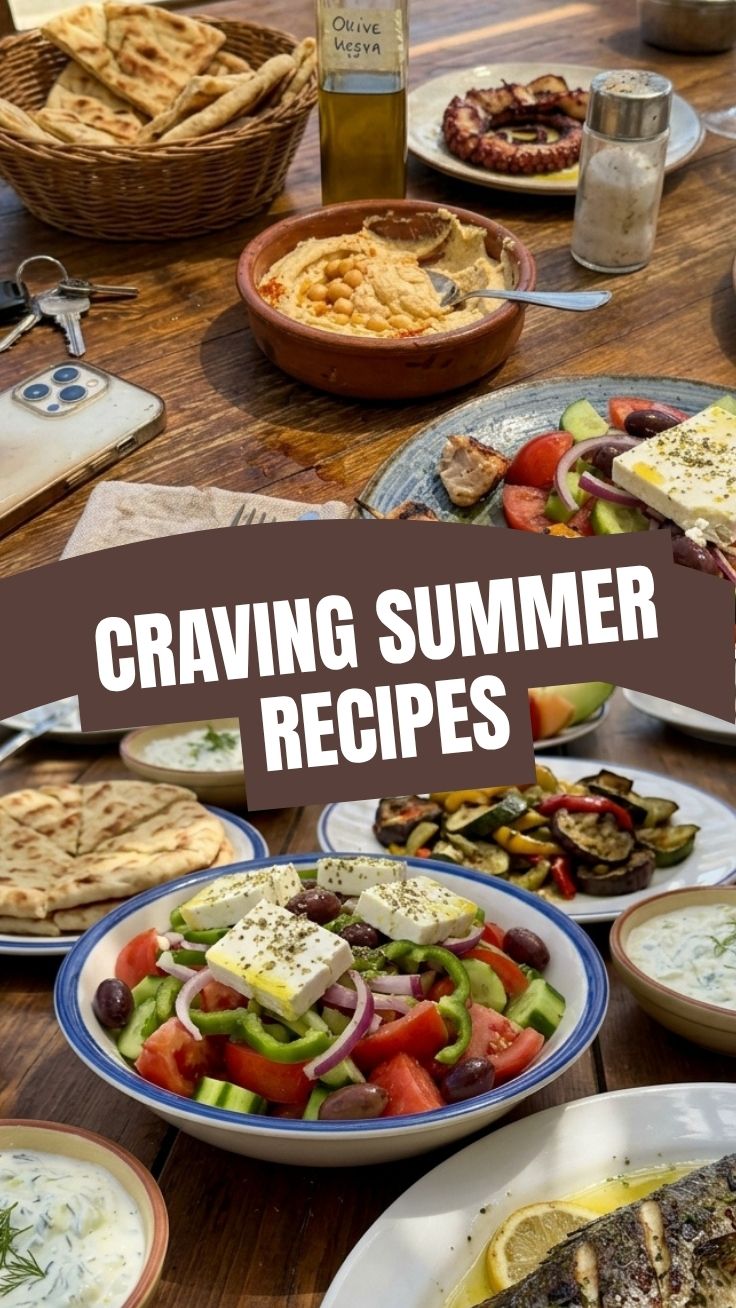
– Prep time: 15 minutes – Washing, trimming, and dicing all vegetables.
– Cook time: 35-40 minutes – Low-and-slow simmering to meld flavors.
– Resting time: 10 minutes – Essential for flavors to deepen and texture to settle.
– Total time: Approximately 60 minutes.
Plan this dish for a weekend meal-prep session. The flavors actually improve overnight, making it ideal for make-ahead lunches. Note: If you’re short on time, you can prep all vegetables the night before and store them in airtight containers in the refrigerator.
Step-by-Step Instructions
1. Prepare the vegetables: Wash all produce. Dice the eggplant and zucchini into 1-inch cubes. Chop the tomatoes, bell pepper, and onion into similar-sized pieces. Mince the garlic finely.
2. Sauté the aromatics: Heat 2 tablespoons of olive oil in your Dutch oven over medium heat. Add the onion and garlic, stirring frequently for 3-4 minutes until translucent and fragrant.
3. Build the base: Add the diced eggplant and bell pepper. Cook for 5 minutes, stirring occasionally. The eggplant should start softening but not breaking down completely.
4. Layer the remaining vegetables: Stir in the zucchini and tomatoes. Add the remaining olive oil, basil, thyme, salt, and pepper. Reduce heat to low-medium.
5. Simmer with care: Cover the pot and let it cook gently for 25-30 minutes, stirring every 8-10 minutes. The tomatoes should release their juices, creating a rich, almost stew-like consistency. A pro tip: if the mixture looks dry, add 2 tablespoons of water; if too watery, remove the lid for the last 10 minutes to let moisture evaporate.
6. Season and adjust: Taste after 25 minutes. The dish should be savory with a slight sweetness from the tomatoes. Adjust salt and pepper as needed. The perfect texture is tender but not mushy—each vegetable should hold its shape slightly.
This is where the magic of healthy Mediterranean summer recipes truly shines. The slow cooking method allows flavors to meld while preserving nutrients. This dish also fits perfectly into a Mediterranean diet meal prep because it reheats beautifully without losing its integrity.
7. Rest before serving: Remove from heat and let it sit, covered, for 10 minutes. This allows the juices to redistribute.
Nutritional Benefits & Advantages
This dish is a nutritional powerhouse. Eggplants are rich in nasunin, an antioxidant that protects brain cell membranes. Zucchinis provide vitamin C and potassium, supporting immune function and heart health. Tomatoes offer lycopene, a compound linked to reduced risk of chronic diseases, especially when cooked. The olive oil adds heart-healthy monounsaturated fats that enhance the absorption of fat-soluble vitamins.
Collectively, this recipe is:
– Low in calories (approximately 160 calories per serving)
– High in fiber (about 6 grams per serving)
– Plant-based and vegan-friendly
– Gluten-free and dairy-free
– Rich in vitamins A, C, and K
The Mediterranean diet, consistently ranked among the healthiest eating patterns, emphasizes vegetables, legumes, and whole grains—all pillars of this dish.
Tips, Variations & Cooking Advice
– Flavor variation: Add 1 teaspoon of smoked paprika or a pinch of saffron for a smoky or floral dimension.
– Ingredient swap: Use yellow squash instead of zucchini, or add chickpeas for extra protein and fiber.
– Cooking method: For a quicker version, roast all vegetables at 400°F (200°C) for 20 minutes, then combine with the sauce.
– Portion adjustment: This recipe serves 4 as a main dish or 6 as a side. Double it for a large family gathering.
– Dietary adaptations: To lower the fat content, reduce olive oil to 2 tablespoons and add 1/4 cup vegetable broth while cooking.
Common Mistakes to Avoid
– Overcooking the vegetables: Mushy ratatouille is a common pitfall. Stick to the 25-minute simmer time and check texture frequently.
– Using too much salt early: Salt draws out moisture and can make the dish watery. Add salt gradually and finish seasoning at the end.
– Skipping the resting step: Resting is non-negotiable for flavor depth. Rushing this step results in flat-tasting final dish.
– Using low-quality olive oil: Cheap oils lack flavor and can become bitter when heated. Invest in a good extra virgin variety.
– Cutting vegetables unevenly: Inconsistent sizes lead to uneven cooking. Aim for uniform 1-inch cubes.
Storage & Meal Prep Tips
– Refrigeration: Store in an airtight container for up to 5 days. The flavors deepen over time, making day 2 and 3 the tastiest.
– Freezing: Portion into freezer-safe bags or containers. It freezes well for up to 3 months. Thaw overnight in the refrigerator before reheating.
– Reheating instructions: Reheat gently on the stovetop over low heat, adding a tablespoon of water or olive oil to restore moisture. Avoid microwaving, which can make the vegetables rubbery.
– Meal prep idea: Serve over quinoa, couscous, or alongside grilled chicken or fish for a complete Mediterranean plate.
Conclusion
Mastering this dish means you’ve unlocked one of the cornerstones of healthy Mediterranean summer recipes—a preparation that is as flexible as it is delicious. By embracing the principles of Mediterranean diet meal prep, you can enjoy vibrant, home-cooked meals throughout the week without repetitive cooking. This recipe proves that eating well doesn’t require elaborate techniques or rare ingredients; it simply asks for fresh produce, quality olive oil, and a little patience. Try it this weekend, share your results in the comments, and explore other Mediterranean classics on our site. Your summer table will thank you.
FAQs
1. Can I use canned tomatoes instead of fresh?
Yes, but use whole peeled San Marzano tomatoes and crush them by hand. The flavor will be slightly less bright but still excellent. Avoid pre-diced canned tomatoes, which often contain calcium chloride that prevents them from breaking down properly.
2. How do I prevent eggplant from being bitter?
Older eggplants can be bitter. If you’re concerned, salt the diced eggplant and let it sit in a colander for 20 minutes. Rinse and pat dry before using. For young, fresh eggplants (common in summer), this step is usually unnecessary.
3. Can I make this recipe oil-free for a Whole30 or low-fat diet?
Yes. Sauté the onion and garlic in 1/4 cup of vegetable broth instead of oil. The final dish will be slightly less rich but still enjoyable. Add the broth in small increments to prevent sticking.
4. Why did my ratatouille turn watery?
This usually happens when tomatoes release too much liquid or vegetables were not patted dry after washing. To fix it, simmer uncovered for an additional 10-15 minutes to allow evaporation.
5. Can I serve this cold as a summer salad?
Absolutely. Chilled ratatouille makes an excellent base for a grain bowl. Toss with cooked farro, a handful of arugula, and a splash of lemon juice for a refreshing lunch.
Proven way to grow 5 healthy Mediterranean summer recipes
Ingredients
Equipment
Method
- Prepare your garden bed by enriching the soil with compost and ensuring good drainage. Plant tomato, bell pepper, cucumber, and zucchini seeds according to package directions, allowing ample space for growth.
- Water regularly, especially during dry spells, and fertilize every few weeks with a balanced organic fertilizer. Provide stakes or cages for tomatoes and cucumbers to support their growth.
- Harvest your vegetables as they ripen, which encourages further production. Aim for vibrant colors and firm textures, picking herbs frequently to promote bushier growth.
- For a Mediterranean Pasta Salad, cook whole wheat pasta al dente and cool. Combine with diced tomatoes, cucumbers, bell peppers, pitted olives, feta cheese, and fresh basil.
- Dress the salad with a vinaigrette made from olive oil, lemon juice, minced garlic, salt, and pepper. For a Quinoa Salad, cook quinoa according to package directions and let it cool.
- Mix the quinoa with roasted vegetables like zucchini and bell peppers, chickpeas, and a lemon-tahini dressing.
- For Grilled Chicken and Vegetable Skewers, marinate chicken pieces and chopped bell peppers, zucchini, and cherry tomatoes in olive oil, lemon juice, oregano, salt, and pepper.
- Thread onto skewers and grill until the chicken is cooked through and the vegetables are tender-crisp. Serve with a side of homemade tzatziki sauce.
- Create a vibrant Mediterranean Summer Salad by combining mixed greens, sliced cucumbers, tomatoes, red onion, Kalamata olives, and crumbled feta cheese.
- Drizzle with extra virgin olive oil and a splash of red wine vinegar. For Stuffed Bell Peppers, halve bell peppers and remove seeds.
- Fill with a mixture of cooked brown rice, ground lamb or lentils, diced tomatoes, onions, garlic, and fresh herbs.
- Bake in the oven until the peppers are tender and the filling is heated through. Enjoy your fresh and healthy Mediterranean meals!