Fresh and Zesty Mango Salsa Recipe: The Perfect Companion for Your Summer Meals
Have you ever wondered why restaurant-quality salsas taste so much brighter and more vibrant than store-bought versions? The secret lies in using perfectly ripe fruit and balancing the flavors with just the right amount of acidity and heat. Preparing a fresh Mango Salsa at home not only saves you money but also allows you to customize the sweetness, spice, and texture to your exact preferences. In less than 15 minutes, you can create a versatile condiment that elevates everything from grilled fish to tacos, and even simple tortilla chips. This recipe focuses on fresh ingredients and bold flavors, including a classic Pico de Gallo foundation
Ingredients & Kitchen Tools
For the Mango Salsa:
- 2 ripe mangoes – peeled, pitted, and diced into ¼-inch cubes (use Ataulfo or Kent for sweetness)
- 1 cup cherry tomatoes – quartered for juiciness, or use Roma tomatoes for a firmer texture
- ½ small red onion – finely minced (soak in cold water for 5 minutes to reduce sharpness)
- 1 jalapeño pepper – seeded and minced (adjust based on heat preference)
- ¼ cup fresh cilantro – chopped, stems included for flavor
- ¼ cup fresh lime juice – about 2 limes, freshly squeezed
- Salt and black pepper – to taste
- Optional add-ins: ½ diced avocado, ¼ cup diced cucumber, or 1 tablespoon honey for extra sweetness
Kitchen Tools:
- Chef’s knife – for precise dicing
- Cutting board – with a groove to catch juices
- Large mixing bowl – preferably glass or stainless steel
- Measuring spoons and cups – for accurate lime juice and salt
- Colander – for rinsing tomatoes and cilantro
- Citrus juicer – hand-held or reamer
Prep Time & Cooking Schedule
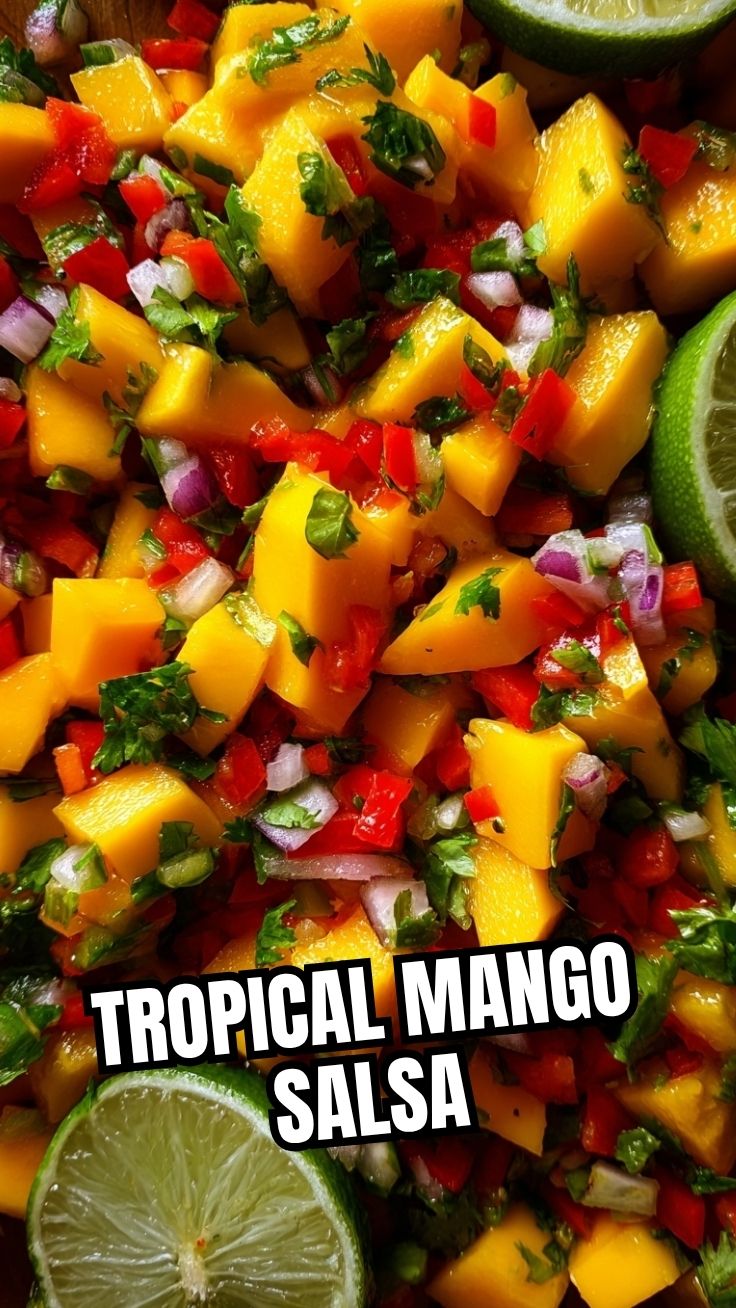
Total time: 15 minutes (no cooking required). This salsa is best served immediately but benefits from a 10-minute rest after mixing to allow flavors to meld. Plan to let it sit at room temperature while you prepare your main dish. The mangoes should be ripe but firm enough to hold their shape—avoid overly soft or mushy fruit. If using frozen mango, thaw and drain excess moisture before dicing. For meal prep, you can chop all ingredients up to 24 hours in advance, but wait to add lime juice and salt until just before serving to prevent the tomatoes from releasing too much liquid.
Step-by-Step Instructions
- Prepare the mangoes: Using a sharp knife, slice off the two wide cheeks from each mango, cutting as close to the pit as possible. Score the flesh in a crosshatch pattern without cutting through the skin, then scoop out the cubes with a spoon. Repeat for both mangoes and place in a large bowl.
- Chop the vegetables: Quarter the cherry tomatoes or dice Roma tomatoes into similar-sized pieces as the mango. Finely mince the red onion, making sure pieces are no larger than ¼ inch. Mince the jalapeño, removing seeds and white membrane for milder heat, or leave them in for extra spice.
- Combine ingredients: Add the tomatoes, onion, jalapeño, and fresh cilantro to the bowl with the mango. Gently toss with a spatula to avoid breaking the mango pieces.
- Season the salsa: Pour in the fresh lime juice and add salt to taste—start with ½ teaspoon and adjust. For this Mango Salsa, the sweetness of the fruit should balance the acidity of the lime and the heat of the jalapeño. If the salsa tastes flat, add a pinch more salt or a squeeze of extra lime juice.
- Rest and serve: Let the salsa sit for 10 minutes to allow the flavors to meld. Taste again and adjust seasoning if needed. Serve at room temperature for the best flavor profile. For a twist, fold in diced avocado just before serving or use this as a base for a classic Pico de Gallo by omitting the mango and adding more tomato and onion.
Nutritional Benefits & Advantages
This fresh salsa is packed with nutrients that support overall health. Mangoes are rich in vitamin C (providing about 67% of your daily needs per cup) and contain digestive enzymes like amylase that aid in breaking down starches. The combination of tomatoes and mango provides lycopene and beta-carotene, powerful antioxidants that reduce inflammation and support skin health. The jalapeño adds capsaicin, which can boost metabolism and provide natural pain relief. With only about 70–90 calories per cup and zero cholesterol, this salsa is an excellent low-calorie, high-flavor addition to any meal. The high water content from tomatoes and lime juice helps with hydration while the fiber from mango and onion supports gut health.
Tips Variations & Cooking Advice
Flavor Variations
- Spicy version: Add ½ teaspoon of red chili flakes or substitute serrano peppers for jalapeño.
- Herb swap: Replace cilantro with fresh mint or basil for a different flavor profile.
- Sweet & smoky: Grill the mango slices for 2 minutes per side before dicing, or add ¼ teaspoon smoked paprika.
- Fruity twist: Replace half the mango with diced pineapple, papaya, or strawberry for a tropical blend.
Dietary Adaptations
- Gluten-free: Naturally gluten-free; serve with gluten-free chips or on gluten-free tacos.
- Dairy-free: Completely dairy-free by nature; avoid adding yogurt-based dressings.
- Low-sodium: Reduce salt to ¼ teaspoon or use potassium-based salt substitutes.
- Low-sugar: Use green or slightly underripe mangoes for less natural sugar.
Serving Suggestions
- As a topping for grilled shrimp, chicken, or fish
- Over black bean and corn salad for a vegetarian main dish
- In tacos or burrito bowls for added freshness
- With egg rolls or summer rolls for an Asian-inspired twist
Common Mistakes to Avoid
1. Using overripe or underripe mangoes: Overripe mangoes turn into mush and make the salsa watery. Underripe mangoes lack sweetness and can be tart. Choose mangoes that give slightly when pressed and have a sweet fragrance.
2. Adding salt too early: Salt draws moisture out of the tomatoes and mango, creating a watery salsa. Add salt just before serving or no more than 30 minutes in advance.
3. Skipping the lime juice: Lime juice not only adds acidity but also prevents the mango from browning oxidized. Use fresh lime juice—bottled versions often have a chemical aftertaste.
4. Overmixing or overchopping: Dicing ingredients into uniform ¼-inch pieces ensures each bite has balanced flavors. Overmixing or using a food processor turns salsa into a puree.
5. Forgetting to drain moisture: If using canned tomatoes or frozen mango, drain excess liquid thoroughly. Too much water dilutes flavor and makes the salsa runny.
Storage & Meal Prep Tips
Refrigeration: Store leftover salsa in an airtight container in the refrigerator. It will stay fresh for up to 3–4 days, but the texture is best within 24 hours. The tomatoes and mango will release liquid over time, so drain excess liquid before serving leftovers.
Freezing: Salsa does not freeze well due to the high water content; upon thawing, the texture becomes mushy and watery. If you must freeze, do so without the tomatoes or avocado, and add them fresh after thawing.
Reheating: This salsa is served cold or at room temperature. Do not microwave or heat it, as the mango and tomatoes will lose their fresh texture and become pulpy.
Meal Prep Strategy: Chop mango, onion, and jalapeño up to 24 hours in advance and store separately in the refrigerator. Dice tomatoes and chop cilantro just before serving. Combine all ingredients with lime juice and salt only when ready to eat for the freshest result.
Conclusion
This fresh Mango Salsa is more than just a condiment—it’s a celebration of summer flavors that can transform any ordinary meal into a memorable dining experience. By mastering the balance of sweet mango, tangy lime, spicy jalapeño, and fresh herbs, you’ll have a versatile recipe that works as a dip, topping, or side dish. Whether you serve it alongside grilled proteins or use it as a vibrant Pico de Gallo variation, this salsa brings brightness and nutrition to your table. We encourage you to try this recipe, experiment with different add-ins, and share your creations with friends and family. For more fresh recipes and salsa variations, explore our related content on tropical fruit salsas and summer condiments.
FAQs
Can I use frozen mango for this salsa?
Yes, but thaw the mango completely and drain excess liquid before dicing. Expect a slightly softer texture compared to fresh mango. For best results, use frozen mango within 30 minutes of thawing to minimize water release.
How do I know when a mango is perfectly ripe for salsa?
Ripe mangoes yield slightly to gentle pressure and have a sweet fragrance near the stem. The skin color varies by variety—red, orange, and yellow patches often indicate ripeness for Ataulfo mangoes, while green/yellow skin with some soft spots works for other types. Avoid any that feel mushy or have wrinkled skin.
Can I make this salsa spicier or milder?
Absolutely. For milder salsa, remove all seeds and white membrane from the jalapeño, or substitute a bell pepper for no heat. For spicier salsa, add ½–1 teaspoon of minced serrano pepper or a pinch of cayenne pepper along with the jalapeño.
What if my salsa turns out too watery?
Drain excess liquid using a fine-mesh strainer before serving. To prevent this next time, avoid salting too early and make sure mangoes and tomatoes are ripe but not overripe. If using Roma tomatoes, seed them before dicing to reduce moisture content.
How long does this salsa last in the refrigerator?
Fresh mango salsa stays good for up to 3–4 days when stored in an airtight container. However, the texture gradually softens and liquid accumulates. For best flavor and texture, consume within 24 hours of preparation. Discard if you notice any off-smells or visible mold.
Quick way to grow 5-Star Mango Salsa
Ingredients
Equipment
Method
- Peel and dice the mangos, then finely dice the red onion and jalapeño (removing seeds for less heat). Chop the fresh cilantro.
- Combine all the diced ingredients into a medium-sized bowl.
- Add lime juice, salt, and black pepper to the bowl and gently mix until well combined.
- For best flavor, let the salsa sit for at least 10-15 minutes before serving to allow the flavors to meld.