The Ultimate Guide to Creamy, Dreamy Mashed Potatoes: Elevate Your Home Cooking!
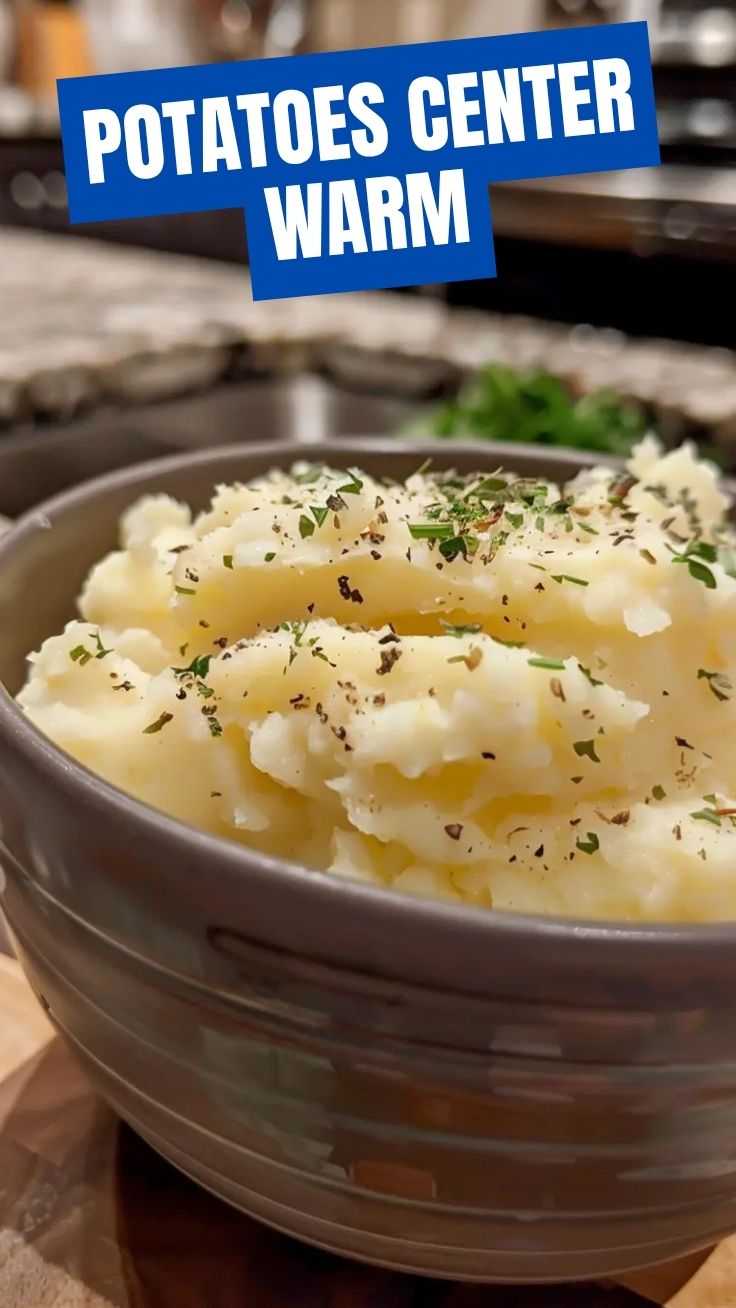
Ever wondered what makes restaurant-quality Mashed Potatoes so irresistibly smooth and flavorful? The secret isn’t just butter; it’s a combination of technique, quality ingredients, and a dash of culinary love. Preparing this classic side dish at home allows you to control every aspect, from the richness to the seasoning, ensuring a wholesome and delicious addition to any meal. Forget bland, lumpy spuds; with our expert guide, you’ll master the perfect mashed potato recipe that will impress even the most discerning palates. Let’s transform your potato game!
Ingredients & Kitchen Tools
- 2 lbs Russet or Yukon Gold Potatoes: These varieties are ideal for mashing due to their high starch content, which yields a fluffy texture. Avoid waxy potatoes.
- ½ cup Whole Milk or Half-and-Half: Adds creaminess and helps achieve that luscious consistency. For a richer flavor, use half-and-half.
- ¼ cup Unsalted Butter: Essential for flavor and richness. Cut into small pieces for easier melting.
- 1-2 cloves Garlic (minced, optional): Infuses a subtle aromatic depth. Can be omitted if preferred.
- Salt: To taste, crucial for enhancing all other flavors. Start with ½ teaspoon and adjust.
- Freshly Ground Black Pepper: Adds a complementary bite. To taste.
- Optional Garnishes: Fresh chives, chopped parsley, or a pat of butter for serving.
- Large Pot: For boiling the potatoes.
- Potato Masher, Ricer, or Food Mill: A ricer or food mill produces the smoothest results, while a masher leaves a slightly chunkier texture.
- Large Bowl: For mixing the mashed potatoes.
- Measuring Cups & Spoons: For accurate ingredient quantities.
Prep Time & Cooking Schedule
- Prep Time: 15 minutes (peeling and chopping potatoes)
- Cook Time: 20-25 minutes (boiling potatoes)
- Resting Time: 5 minutes (after draining)
- Total Time: Approximately 40-45 minutes
This recipe is designed to be relatively quick, making it perfect for weeknight dinners or as a delicious accompaniment to a Sunday roast. The hands-on time is minimal, allowing you to focus on other aspects of your meal preparation.
Step-by-Step Instructions
1. Prepare the Potatoes: Peel the potatoes and cut them into 1.5-inch pieces. Aim for uniform size to ensure even cooking. Rinse them under cold water to remove excess starch.
2. Boil the Potatoes: Place the chopped potatoes in a large pot and cover with cold water by about an inch. Add 1 teaspoon of salt to the water. Bring to a boil over high heat, then reduce heat to medium-low and simmer until fork-tender, about 15-20 minutes.
3. Drain and Dry: Carefully drain the potatoes in a colander. Return the hot, drained potatoes to the empty pot (off the heat) and let them sit for 5 minutes. This allows any residual moisture to evaporate, preventing watery Mashed Potatoes.
4. Heat Dairy and Butter: While the potatoes are drying, gently heat the milk (or half-and-half) and butter in a small saucepan over low heat until the butter is melted and the mixture is warm. If using, add minced garlic to the saucepan for 2-3 minutes to infuse the flavors. Do not boil.
5. Mash the Potatoes: Using a potato ricer, food mill, or masher, process the hot potatoes directly back into the large pot or a separate large bowl. Work quickly to ensure they remain warm.
6. Incorporate Wet Ingredients: Gradually pour the warm milk and butter mixture into the mashed potatoes, mixing gently with a rubber spatula or wooden spoon until just combined and smooth. Be careful not to overmix, as this can lead to gluey potatoes.
7. Season and Serve: Season generously with salt and freshly ground black pepper to taste. Taste and adjust as needed. Serve immediately. This versatile mashed potato recipe is perfect as a side dish for countless main courses.
Nutritional Benefits & Advantages
Potatoes, often misunderstood, are a powerhouse of nutrition when prepared correctly. They are an excellent source of Vitamin C, Vitamin B6, and potassium, which is vital for heart health and blood pressure regulation. They also provide dietary fiber, especially if you leave some skin on, aiding in digestion. By making your own Mashed Potatoes, you control the amount of fat and sodium, ensuring a healthier and more wholesome side dish than many store-bought or restaurant versions.
Tips, Variations & Cooking Advice
- For Ultra-Creamy: Use a potato ricer or food mill for the smoothest texture. For extra richness, swap a quarter of the milk for cream cheese or heavy cream.
- Garlic & Herb: Roast whole garlic cloves with a drizzle of olive oil, then squeeze the softened cloves into your mashed potatoes for a deeper, nuttier garlic flavor. Add fresh chopped rosemary or thyme.
- Cheesy Mashed Potatoes: Stir in ½ cup of shredded cheddar, Parmesan, or gruyere cheese at the end.
- Dairy-Free/Vegan: Substitute dairy milk with unsweetened plant-based milk (almond, soy, or oat) and butter with a high-quality vegan butter substitute.
- Preventing Gluey Potatoes: Overmixing develops the starch, leading to a gluey texture. Gentle folding and avoiding electric mixers are key.
Common Mistakes to Avoid
- Using the Wrong Potato: Waxy potatoes (like new potatoes) have low starch and high moisture, resulting in a gummy texture when mashed. Stick to Russets or Yukon Golds.
- Starting in Hot Water: Always start potatoes in cold water and bring to a boil. This ensures even cooking from the outside in.
- Not Draining Properly: Excess water makes for watery, bland mashed potatoes. The post-drain resting period is crucial.
- Overmixing: This is the most common culprit for gummy results. Gentle folding is sufficient.
- Under-Seasoning: Potatoes absorb a lot of salt. Don’t be shy; taste and adjust as you go.
Storage & Meal Prep Tips
Leftover Mashed Potatoes can be stored in an airtight container in the refrigerator for up to 3-4 days. To reheat, gently warm on the stovetop over low heat, stirring frequently and adding a splash of milk or broth to restore creaminess. You can also microwave in short bursts, stirring in between. Freezing is possible, but they may become slightly wetter or grainier upon thawing. For best results, freeze in a freezer-safe bag or container for up to 3 months, then thaw overnight in the fridge before reheating.
Conclusion
Mastering the art of perfect Mashed Potatoes is a rewarding culinary journey that elevates any meal. By following these simple steps, you can achieve a consistently creamy, flavorful, and soul-satisfying side dish every time. This mashed potato recipe is more than just a side; it’s a testament to the magic of home cooking. Give it a try tonight and taste the difference! Share your buttery, fluffy creations with us in the comments below!
FAQs
Q1: Can I make mashed potatoes ahead of time?
A1: Yes, you can prepare them a few hours in advance. Reheat gently on the stovetop with a little extra milk or butter to restore their creamy texture.
Q2: What’s the best way to get rid of lumps?
A2: A potato ricer or food mill is your best friend for lump-free mashed potatoes. If using a masher, ensure the potatoes are cooked until very tender and mash thoroughly before adding liquids.
Q3: How can I make my mashed potatoes extra flavorful?
A3: Beyond salt and pepper, consider infusing your milk with garlic or herbs, using chicken or vegetable broth instead of some milk, or stirring in a spoonful of sour cream or cream cheese.
Q4: My mashed potatoes turned out gluey. What went wrong?
A4: Most likely, you overmixed them. Overworking the potatoes releases too much starch, leading to a gummy, gluey texture. Mash until just combined and smooth.
Q5: Can I leave the potato skins on?
A5: For a “smashed” or rustic style, yes! Just wash the potatoes thoroughly and cook them as directed. The skins add fiber and a lovely earthy texture.
Best way to grow Incredible Mashed Potatoes
Ingredients
Equipment
Method
- Select a sunny spot with well-draining soil and amend it with compost.
- Cut seed potatoes into pieces with at least one "eye" each and let them cure for a day or two.
- Dig trenches 6 inches deep and 12 inches apart, then place potato pieces eye-side up.
- Cover with 3-4 inches of soil and water thoroughly.
- As plants grow, mound soil around them, leaving the top 6 inches exposed to protect tubers from sunlight.
- Water regularly, especially during flowering, and fertilize with a balanced fertilizer if needed.
- Harvest "new" potatoes after 7-8 weeks or wait 10-12 weeks for mature potatoes when the plant foliage dies back.
- Carefully dig around plants to avoid damaging potatoes and cure harvested potatoes in a cool, dark place for 1-2 weeks.