The Ultimate Guide to Perfect Homemade Popcorn: From Kernels to Gourmet Flavor
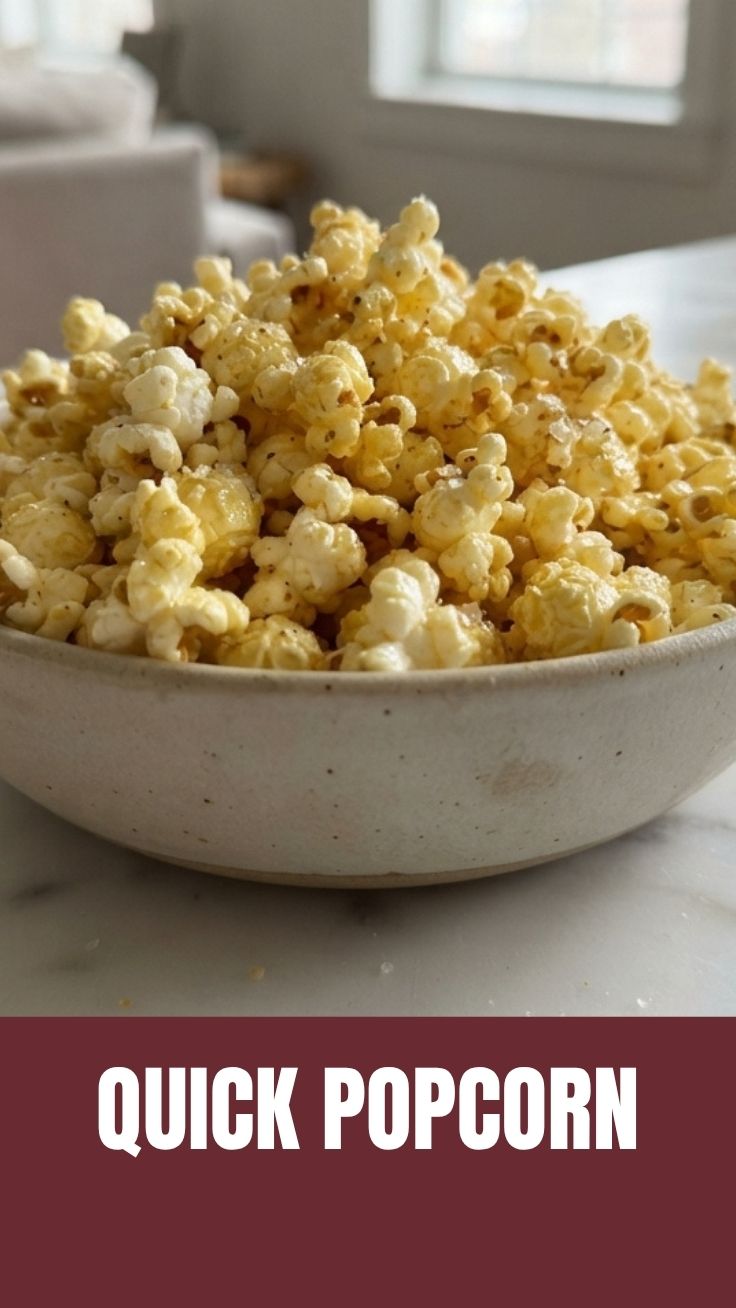
Have you ever wondered why movie theater popcorn tastes so irresistible while your stovetop attempts often end up burnt or chewy? The secret isn’t a special butter—it’s mastering the science of heat, moisture, and timing. Preparing Popcorn at home not only saves money but lets you control every seasoning and oil choice. Whether you use a dedicated Popcorn machine or a simple pot, this recipe delivers light, fluffy kernels with a satisfying crunch. In this guide, I’ll walk you through a foolproof stovetop method that consistently yields restaurant-quality results.
Ingredients & Kitchen Tools
Ingredients:
– 1/3 cup popcorn kernels – Use high-quality, fresh kernels for maximum pop rate (avoid old or stale ones).
– 2–3 tablespoons coconut or avocado oil – High smoke point ensures even heating; coconut oil adds a classic theater-style flavor.
– 1/2 teaspoon fine sea salt – Optional, but crucial for seasoning; adjust to taste.
– 2 tablespoons unsalted butter (optional) – Melted and drizzled after popping for richness.
Kitchen Tools:
– Heavy-bottomed pot (3–4 quart) with tight-fitting lid – A Dutch oven or stainless steel pot works best.
– Wooden spoon or silicone spatula – For stirring kernels and scraping seasoning.
– Large mixing bowl – To toss the finished popcorn with salt or spices.
– Measuring spoons and cup – For accuracy.
Optional Substitutions:
– Replace oil with ghee or olive oil (lower smoke point; watch heat).
– Use air popper or microwave popper if you own one (adjust timings).
Prep Time & Cooking Schedule
– Prep time: 2 minutes (measure kernels and oil).
– Cook time: 4–6 minutes (from first pop to silence).
– Resting time: 1 minute (let steam escape to maintain crispness).
– Total time: ~10 minutes.
Plan ahead: Have your butter melted and seasonings ready before you start heating the pot. Once popping begins, you cannot step away—listen for the popping rate to pace yourself.
Step-by-Step Instructions
1. Heat the oil: Place the pot over medium-high heat and add 2 tablespoons of oil. Drop in 3 test kernels and cover. When they pop, the oil is ready.
2. Add the kernels: Pour the remaining 1/3 cup kernels into the pot in an even layer. Cover and shake gently to coat with oil.
3. Listen and shake: After 30–60 seconds, the first pops will start. Shake the pot occasionally to prevent burning. When the pops slow to 2–3 seconds between pops, remove from heat.
4. Rest and season: Let the pot sit covered for 30 seconds (residual heat finishes stubborn kernels). Transfer to a bowl, drizzle melted butter, and toss with salt. For extra flavor, add nutritional yeast, chili powder, or truffle salt.
Pro tip: Using a Popcorn machine simplifies the process—just follow the manufacturer’s timing. But for the stovetop method, medium heat is crucial: too high and kernels scorch before popping. For perfectly fluffy Popcorn, avoid lifting the lid prematurely; steam escapes and yields chewy results.
Nutritional Benefits & Advantages
Popcorn is a whole grain, providing 3.6 grams of fiber per 3-cup serving (air-popped). It’s low in calories (around 90 calories per cup without oil) and rich in polyphenols, antioxidants that support heart health. When you pop at home, you control the fat and sodium—unlike industrial microwave bags that often contain artificial flavors and trans fats. The coconut oil used here offers medium-chain triglycerides (MCTs), which can boost metabolism. For a healthier twist, skip the butter and season with herbs or smoked paprika.
Tips, Variations & Cooking Advice
– Flavor variations: Try “movie theater” by adding a pinch of citric acid and extra butter. For sweet cravings, dust with cinnamon sugar or cocoa powder after popping.
– Ingredient swaps: Use grapeseed or sunflower oil if you don’t have coconut oil. For dairy-free, replace butter with olive oil or vegan butter.
– Alternative cooking methods: Air poppers yield the lowest calorie version. Microwave a paper bag with 1/4 cup kernels for 2–3 minutes (no oil).
– Dietary adaptations: Gluten-free? Popcorn is naturally gluten-free. Just ensure your spices and seasonings are certified.
– Portion changes: Halve the recipe for a single serving or double it for parties—just use a larger pot.
Common Mistakes to Avoid
1. Using old kernels: Stale kernels lose moisture and refuse to pop. Check the “best by” date; store kernels in an airtight container.
2. Overcrowding the pot: Too many kernels steam instead of pop. Stick to a single layer.
3. Lifting the lid too early: Steam escapes and leaves chewy popcorn. Wait until the popping slows dramatically.
4. Not shaking the pot: Burn spots form if kernels sit too long. Shake every 30 seconds.
5. Salt added too late: Salt sticks better when kernels are still warm. Season immediately after popping.
Storage & Meal Prep Tips
Store leftover popcorn in an airtight container at room temperature for up to 3 days. Do not refrigerate; moisture makes it stale. For longer storage (up to 2 months), freeze in a zip-top bag—thaw at room temperature for 10 minutes before serving. To re-crisp, spread on a baking sheet and bake at 300°F for 3–4 minutes. Avoid reheating in a microwave; it turns rubbery.
Conclusion
Mastering homemade popcorn is about understanding heat, timing, and freshness. With this stovetop method, you can create crunchy, flavorful Popcorn in under ten minutes, all while avoiding additives. Whether you prefer a classic Popcorn machine for convenience or a traditional pot for more control, the key is to listen to the pops and season while hot. Try this recipe tonight, share your favorite twist in the comments, and explore more snack ideas on our site. Happy popping!
FAQs
1. Can I use a microwave instead of a pot? Yes. Place 1/4 cup kernels in a brown paper bag, fold the top twice, and microwave on high for 2–3 minutes until pops slow to 2 seconds apart. No oil needed; season afterward.
2. Why does my popcorn turn out chewy? Either you lifted the lid during popping (releasing steam) or you didn’t heat the oil enough to create proper steam pressure. Keep the lid on and use medium heat.
3. How do I make it dairy-free? Simply skip the butter and use coconut oil or avocado oil. For a buttery flavor, try a sprinkle of nutritional yeast or a pinch of turmeric.
4. What’s the best oil for popcorn? Coconut oil (refined) gives that classic theater taste. Avocado oil and grapeseed are neutral with high smoke points. Avoid olive oil for cooking; use it only for drizzling post-pop.
5. Can I reuse unpopped kernels? Yes. Gather “old maids” (unpopped kernels) and store them. When you have enough (about 1/4 cup), you can re-pop them—but expect a lower yield. Soak them in water for 15 minutes before popping to rehydrate.
Best way to grow Popcorn in 5 StepsPopcorn
Ingredients
Equipment
Method
- Choose a sunny location with well-draining soil, enriching it with compost or aged manure to a depth of 2-3 inches.
- Plant popcorn seeds 1 inch deep and 6-8 inches apart in rows, with rows spaced 30-36 inches apart, ensuring good pollination by planting in blocks rather than single rows.
- Water regularly to keep the soil consistently moist, especially during tasseling and silking, and fertilize with a balanced organic fertilizer every 3-4 weeks.
- Monitor for common pests like corn earworms and diseases such as rust, using organic pest control methods and ensuring good air circulation to prevent fungal issues.
- Harvest when kernels are hard and glossy and husks are dry and brown, then dry ears in a cool, well-ventilated area for 3-4 weeks before shelling.