Why This One-Pan Wonder Deserves a Spot in Your Weekly Rotation
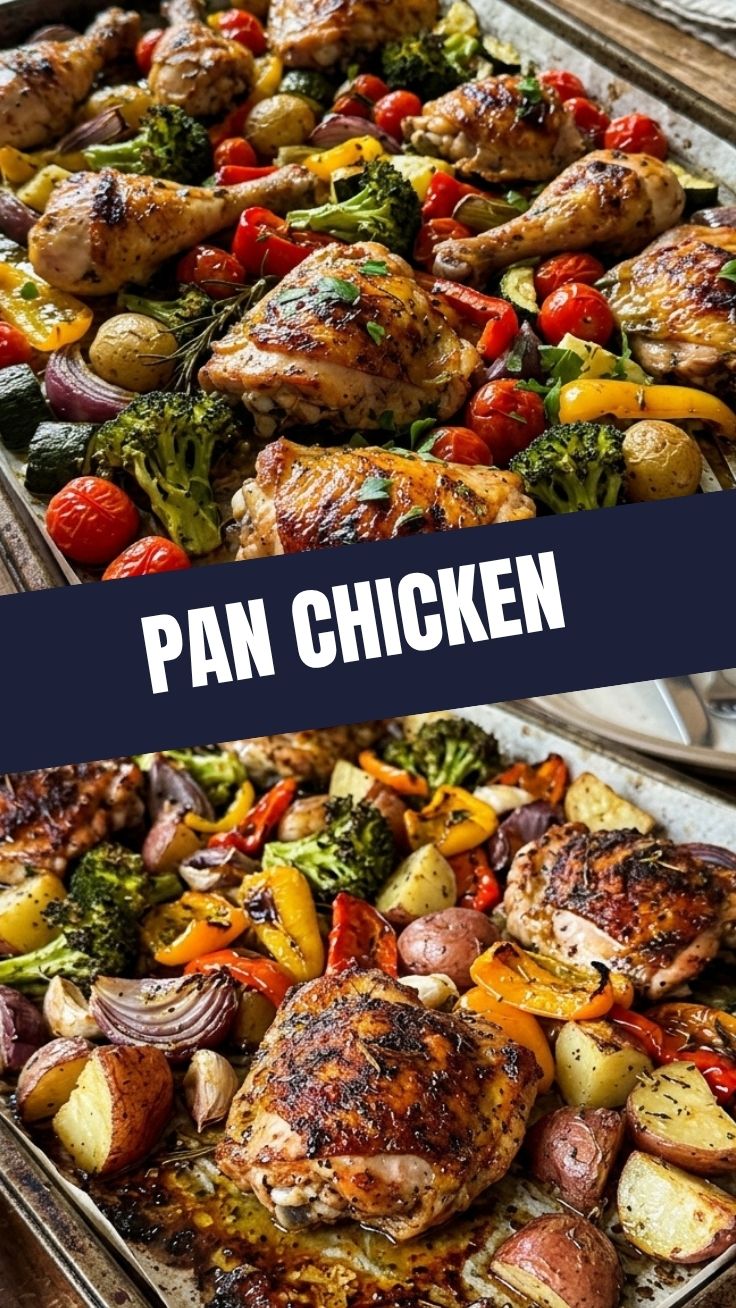
Imagine coming home after a long day, craving a wholesome, flavorful dinner that doesn’t require a sink full of dishes or hours of hands-on time. That’s exactly where Sheet Pan Chicken and Vegetables shines. By roasting everything on a single tray, you lock in juices, caramelize edges, and let the ingredients mingle into a cohesive, satisfying meal. Preparing this dish at home not only saves money and reduces food waste but also puts you in full control of quality, seasoning, and dietary needs. In the world of Sheet Pan Chicken Recipes, this version stands out for its simplicity and adaptability — and it all starts with a smart prep strategy and a hot oven.
—
Ingredients & Kitchen Tools
Ingredients (serves 4)
– 4 bone-in, skin-on chicken thighs – Juicier and more forgiving than breasts; you can substitute boneless breasts (reduce cooking time by 5–7 minutes).
– 1 lb baby potatoes (halved) – Yukon gold or red; they hold shape well and get crispy edges.
– 2 large carrots (peeled and cut into 2-inch chunks) – Add natural sweetness.
– 1 red bell pepper (sliced into strips) – For color and mild pepper flavor.
– 1 medium red onion (cut into wedges) – Caramelizes beautifully.
– 3 tbsp olive oil – Helps everything brown; avocado oil also works.
– 4 cloves garlic (minced) – Rub onto chicken and veggies.
– 1 tsp dried thyme – Earthy warmth; oregano or rosemary are great swaps.
– 1 tsp smoked paprika – Adds depth and a subtle smoky note.
– ½ tsp salt – Plus more to taste; use kosher for better control.
– ¼ tsp black pepper – Freshly ground preferred.
– Optional: ½ lemon (sliced), fresh parsley for garnish.
Kitchen Tools
– Large rimmed baking sheet (18×13 inches, preferably light-colored to prevent burning)
– Parchment paper or aluminum foil (for easy cleanup)
– Mixing bowls (2 medium)
– Chef’s knife & cutting board
– Meat thermometer (optional but recommended for perfect doneness)
– Tongs or spatula for flipping
—
Prep Time & Cooking Schedule
– Prep time: 15 minutes
– Cook time: 35–40 minutes at 425°F (220°C)
– Resting time: 5 minutes before serving
> Why 425°F? This temperature hits the sweet spot: hot enough to crisp chicken skin and brown vegetables, yet moderate enough to cook everything through without burning the sugars in the veggies.
Plan ahead: If you’re marinating, allow at least 30 minutes (or up to 8 hours in the fridge). The actual hands-on time is minimal, so you can prep while the oven preheats. This meal is ideal for busy weeknights because it scales easily — double the recipe and use two sheets.
—
Step-by-Step Instructions
1. Preheat oven to 425°F. Line a large baking sheet with parchment paper.
Pro tip: A light-colored sheet prevents over-browning; if using dark non-stick, reduce temp by 25°F.
2. Pat chicken thighs dry with paper towels. Drying the skin is non-negotiable — excess moisture = steamed skin, not crispy skin.
3. In a large bowl, combine chicken thighs, 2 tbsp olive oil, minced garlic, thyme, paprika, salt, and pepper. Toss to coat evenly. Set aside for 10–15 minutes (or refrigerate longer if desired).
4. In a separate bowl, toss potatoes, carrots, bell pepper, and onion wedges with remaining 1 tbsp olive oil, a pinch of salt, and a sprinkle of pepper.
5. Arrange vegetables in a single layer on the prepared baking sheet. Spread them evenly, leaving space between pieces for proper browning. Place chicken thighs, skin-side up, on top of the vegetables. This allows the fat to drip down and season the veggies.
6. Roast for 35–40 minutes, flipping vegetables halfway through (use tongs to turn them). The chicken is done when the skin is golden and an instant-read thermometer inserted into the thickest part of a thigh registers 165°F. Potatoes should be fork-tender and edges golden.
7. Let rest for 5 minutes, then garnish with fresh parsley and lemon slices if desired.
> Throughout this process, the beauty of Sheet Pan Chicken and Vegetables is that the oven does the heavy lifting. And if you’re looking to expand your repertoire, exploring other Sheet Pan Chicken Recipes can give you endless variations — just swap seasonings or vegetables.
—
Nutritional Benefits & Advantages
This meal is a nutrient powerhouse thanks to its colorful vegetable lineup and quality protein. Here’s what you gain per serving (approximate, using bone-in thigh with skin):
| Nutrient | Amount | % Daily Value* |
|———-|——–|—————-|
| Protein | 28 g | 56% |
| Fiber | 6 g | 21% |
| Vitamin A | 190% DV | from carrots |
| Vitamin C | 80% DV | from bell pepper |
| Iron | 2.5 mg | 14% |
Chicken thighs provide selenium, B vitamins, and zinc for immunity and energy. The slow-roasted potatoes offer resistant starch (good for gut health) when cooled slightly. Vegetables roasted with olive oil help your body absorb fat-soluble vitamins (A, D, E, K). Plus, cooking everything on one sheet minimizes added fats compared to pan-frying.
—
Tips Variations & Cooking Advice
– Flavor swaps: Replace thyme and paprika with za’atar, Italian seasoning, or curry powder. For a tangy kick, add 1 tbsp lemon juice or balsamic vinegar before roasting.
– Vegetable alternatives: Use broccoli florets, zucchini chunks, cauliflower, or sweet potatoes. Add tender vegetables like asparagus or cherry tomatoes during the last 10 minutes to prevent mushiness.
– Dietary adaptations:
– Gluten-free (naturally – just double-check spice blends).
– Dairy-free (no changes needed).
– Lower fat: Remove chicken skin before roasting (cook 5 minutes less).
– Portion changes: To serve 6–8, use 6 chicken thighs and 1.5 lbs vegetables. Spread across two baking sheets to avoid overcrowding.
– Alternative cooking methods:
– Air fryer: Cook at 375°F for 20–25 minutes, shaking basket halfway.
– Grill: Use a foil packet or cast-iron skillet on medium-high heat.
—
Common Mistakes to Avoid
| Mistake | Why It Happens | Fix |
|———|—————-|—–|
| Soggy vegetables | Crowding the pan traps steam | Spread ingredients in a single layer with space between pieces |
| Burnt garlic | Minced garlic burns faster than chicken cooks | Mix garlic into oil first, then coat chicken; avoid placing raw garlic directly on pan |
| Dry chicken breast | Using boneless, skinless breast without adjustments | Switch to thighs or use breast with bone-in and reduce cooking time by 5–7 minutes |
| Uneven browning | Not flipping veggies halfway | Turn vegetables once at the 20-minute mark |
| Undercooked potatoes | Cutting pieces too large | Keep potato chunks 1–1.5 inches; halve baby potatoes |
—
Storage & Meal Prep Tips
– Refrigeration: Store leftovers in an airtight container for up to 4 days. Keep chicken and vegetables together – they’ll reheat more cohesively.
– Freezing: Place cooled portions in freezer-safe bags or containers. Remove as much air as possible. Freeze for up to 3 months. Thaw overnight in the fridge.
– Reheating: Preheat oven to 350°F. Spread leftovers on a baking sheet and warm for 8–10 minutes. Avoid the microwave, which ruins crispy skin and makes veggies mushy. For a quick fix, use a skillet over medium heat with a splash of broth.
Meal prep strategy: Roast a double batch on Sunday. Divide into four containers for grab-and-go lunches. Pair with a side of quinoa or a simple green salad for extra volume.
—
Conclusion
This one-tray meal is proof that you don’t need complicated techniques to deliver restaurant-quality flavor at home. By following the steps above, you’ll achieve perfectly roasted Sheet Pan Chicken and Vegetables every time — crispy skin, tender veggies, and a balanced meal with minimal cleanup. If you’re looking for more inspiration, exploring Sheet Pan Chicken Recipes will open up a world of seasonal, customizable dinners. I encourage you to try this version tonight, share your results with friends, and customize it to your taste. The joy of sheet pan cooking is that it scales to any skill level — and every tray becomes a canvas.
Now go preheat that oven. Your future self (and your taste buds) will thank you.
—
FAQs
1. Can I use chicken breasts instead of thighs?
Yes, but choose bone-in, skin-on breasts for best moisture. Reduce cooking time by 5–7 minutes and check internal temp at 165°F. Slice breasts against the grain before serving.
2. What if I don’t have a meat thermometer?
Cut into the thickest part of the chicken – juices should run clear, and the meat should no longer be pink. For vegetables, pierce a potato with a fork; it should slide in easily.
3. How can I make this recipe spicier?
Add ½ tsp cayenne pepper, 1 tsp chili flakes, or a drizzle of sriracha mixed with the oil before coating the chicken. You can also roast jalapeño slices alongside the veggies.
4. Can I use frozen vegetables?
Yes, but thaw and pat them dry first to avoid excess steam. Add them to the sheet pan 10 minutes after the chicken has started roasting, so they don’t get waterlogged.
5. Why is my chicken skin not crispy?
Two likely culprits: (a) you didn’t dry the skin thoroughly, or (b) the oven temperature was too low. Always pat chicken dry, use parchment paper (not foil), and roast at 425°F. If still soft, broil for the last 2–3 minutes, watching carefully.
Quick way to grow easy Sheet Pan Chicken and Vegetables
Ingredients
Equipment
Method
- Preheat oven to 400°F (200°C) and line a large sheet pan with parchment paper for easy cleanup.
- In a large bowl, combine chicken, broccoli, bell peppers, and onion with olive oil and seasonings, tossing to coat evenly.
- Spread the seasoned chicken and vegetables in a single layer on the prepared sheet pan.
- Bake for 20-25 minutes, or until chicken is cooked through and vegetables are tender-crisp.
- Serve immediately, optionally garnished with fresh parsley or a squeeze of lemon.