Master the Art of the Perfect Pan-Seared Ribeye at Home
Ever dreamed of conjuring a restaurant-quality steak in your very own kitchen? The kind of juicy, intensely flavorful Steak (Pan-Seared Ribeye) that melts in your mouth with every bite? Today, we’re demystifying the art of achieving that elusive perfect sear, transforming a beautiful cut of beef into an unforgettable culinary experience right on your stovetop. Forget overpriced steakhouse bills; preparing a phenomenal ribeye at home isn’t just about saving money – it’s about control, customization, and the sheer satisfaction of creating something truly delicious from scratch. This comprehensive guide will equip you with the knowledge and techniques to consistently deliver a perfectly cooked, incredibly tender, and wonderfully crusted Pan-Seared Ribeye, proving that with a little know-how, gourmet meals are well within reach.
Ingredients & Kitchen Tools
Crafting the perfect Steak (Pan-Seared Ribeye) requires a few essential items. Here’s what you’ll need:
- Ribeye Steaks (1.5 inches thick, 1-1.5 lbs each): The star of the show. Aim for well-marbled cuts for maximum flavor and tenderness.
- Kosher Salt & Freshly Ground Black Pepper: Essential seasonings to enhance the steak’s natural taste. Use generously!
- High Smoke Point Oil (1-2 tablespoons): Grapeseed, avocado, or canola oil are ideal for achieving a crisp crust without burning.
- Unsalted Butter (2-4 tablespoons): For basting and adding a rich, nutty flavor to the steak during the final stages of cooking.
- Garlic Cloves (3-4 whole, smashed): Infuse the butter with aromatic notes.
- Fresh Rosemary or Thyme Sprigs (2-3 sprigs): Adds an earthy, herbaceous aroma and flavor to the basting butter.
- Cast Iron Skillet (10-12 inch): The absolute best pan for achieving a deep, even sear due to its excellent heat retention. A heavy-bottomed stainless steel pan can also work.
- Tongs: For safely flipping, handling, and transferring the hot steak.
- Meat Thermometer: Crucial for precise temperature control and ensuring your steak is cooked to your desired doneness.
- Cutting Board: For prepping and resting the cooked steak.
- Aluminum Foil: To tent the steak during resting.
Prep Time & Cooking Schedule
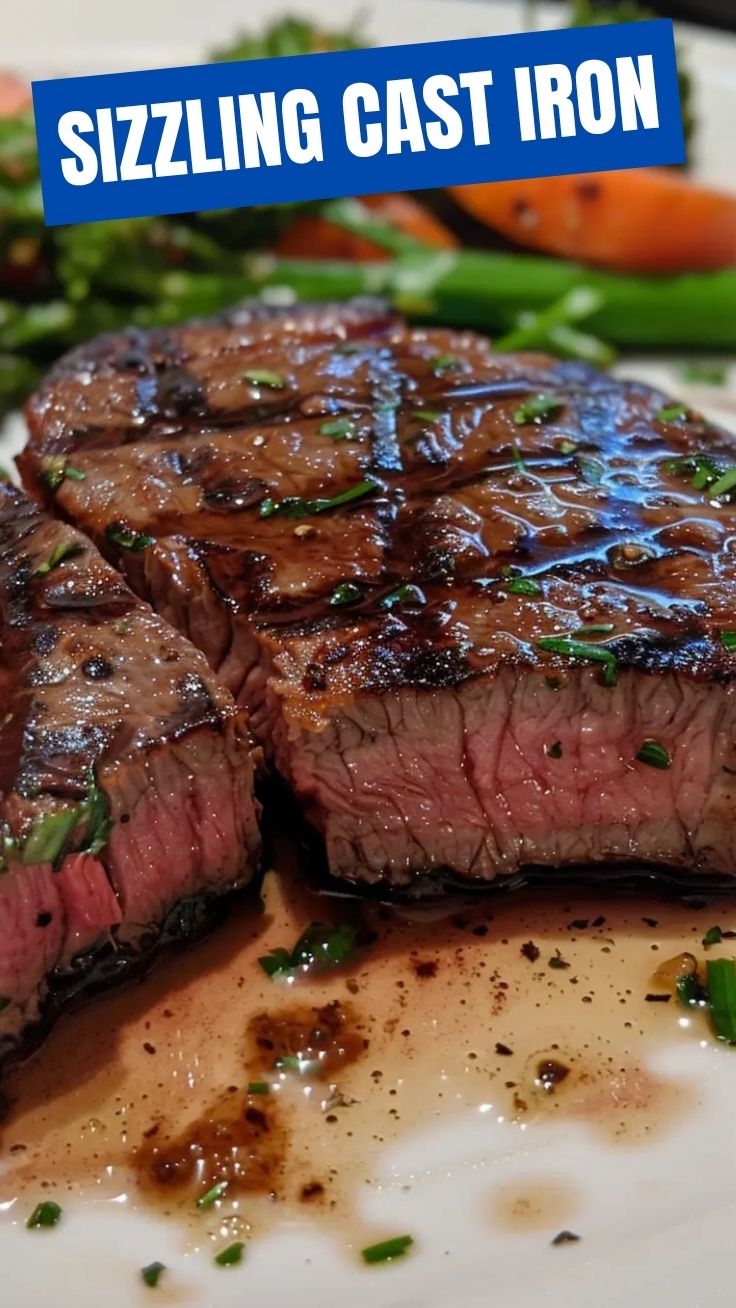
Achieving a perfect sear and juicy interior requires careful planning. Here’s a breakdown to help you schedule your culinary masterpiece:
- Prep Time: 20-30 minutes. This includes bringing the steak to room temperature, seasoning, and gathering your tools.
- Cooking Time: 8-15 minutes. This varies based on steak thickness and desired doneness.
- Resting Time: 10-15 minutes. Absolutely non-negotiable! This allows juices to redistribute, ensuring a tender and moist steak.
Bringing your steak to room temperature (about 30-60 minutes out of the fridge) is crucial for even cooking. This prevents the exterior from overcooking while the interior remains cold. Plan accordingly!
Step-by-Step Instructions
Follow these steps precisely to achieve a perfectly Pan-Seared Steak (Pan-Seared Ribeye):
1. Bring to Room Temp & Season: Remove your ribeye steaks from the refrigerator at least 30-60 minutes before cooking. Pat them thoroughly dry with paper towels – this is critical for a good sear. Season generously on all sides with kosher salt and black pepper.
2. Preheat the Skillet: Place your cast iron skillet over high heat. Let it preheat for 5-7 minutes until it’s smoking slightly. This intense heat is key to forming that desirable crust.
3. Add Oil: Add the high smoke point oil to the hot skillet. Swirl to coat the bottom evenly.
4. Sear the Steak: Carefully place the seasoned ribeye into the hot skillet. Do not overcrowd the pan. Sear for 2-3 minutes per side for a deep, golden-brown crust. You should hear an aggressive sizzle.
5. Lower Heat & Add Aromatics: Reduce the heat to medium-low. Add the butter, garlic cloves, and rosemary/thyme sprigs to the skillet.
6. Baste: As the butter melts, tilt the pan slightly and use a spoon to continuously baste the melted butter and infused aromatics over the top of the steak for 2-4 minutes.
7. Check Doneness: Use a meat thermometer to check the internal temperature.
* Rare: 120-125°F (remove at 115-120°F)
* Medium-Rare: 130-135°F (remove at 125-130°F)
* Medium: 135-140°F (remove at 130-135°F)
* Medium-Well: 140-145°F (remove at 135-140°F)
* Well-Done: 150°F+ (remove at 145°F+)
Remember, the internal temperature will rise 5-10 degrees during resting!*
8. Rest the Steak: Once your desired temperature is reached, transfer the steak to a cutting board. Tent loosely with aluminum foil and let it rest for a minimum of 10-15 minutes. This allows the juices to redistribute throughout the meat, preventing them from Gushing out when sliced.
9. Slice & Serve: Slice the steak against the grain into desired portions. Serve immediately with your favorite sides.
Nutritional Benefits & Advantages
Ribeye steak, while often perceived as an indulgence, offers significant nutritional benefits. It’s an excellent source of high-quality protein, crucial for muscle repair and growth. Furthermore, it’s packed with essential micronutrients like iron, vital for oxygen transport in the blood, zinc for immune function, and B vitamins (B12, B6, niacin), which play key roles in energy metabolism. The marbling that gives ribeye its incredible flavor also contributes beneficial monounsaturated fats. Preparing your Steak (Pan-Seared Ribeye) at home allows you to control the type and amount of fats used, avoiding excessive sodium or unhealthy additives often found in restaurant preparations.
Tips, Variations & Cooking Advice
- Flavor Boosts: Experiment with different herbs like sage or marjoram, or add a pinch of chili flakes to your basting butter for a subtle kick.
- Compound Butter: Prepare a compound butter in advance with minced garlic, herbs, and a squeeze of lemon juice. Place a pat on the hot steak during resting for an extra flavor burst.
- Crust Enhancers: A light dusting of baking soda (about 1/2 tsp per steak) mixed with salt can help achieve an even crispier crust, especially for thinner cuts.
- Alternative Cooking Methods: While Pan-Seared is king for crust, you can reverse-sear a thicker ribeye by baking it at a low temperature (250°F) until it’s about 15-20°F below your target internal temperature, then finishing it in a screaming hot skillet for that incredible crust.
- Doneness: Always err on the side of undercooking, as you can always cook a steak more, but you can’t undo an overcooked one.
- Dietary Adaptations: For those watching sodium, reduce the salt and rely more on herbs and spices.
Common Mistakes to Avoid
- Not Drying the Steak: A wet surface steams, rather than sears, resulting in a gray, bland crust. Pat, pat, pat!
- Cold Steak: Cooking a cold steak leads to uneven cooking—burnt outside, raw inside. Allow it to come to room temperature.
- Not Preheating the Pan Enough: A cold or lukewarm pan won’t create a good sear. It needs to be smoking hot.
- Overcrowding the Pan: This drops the pan temperature significantly, leading to steaming instead of searing. Cook steaks in batches if necessary.
- Flipping Too Often: Leave the steak undisturbed to allow a crust to form before flipping.
- Not Resting the Steak: This is arguably the biggest mistake. Resting allows the muscle fibers to relax and reabsorb juices, making your steak significantly more tender and moist.
- Cutting with the Grain: Always slice against the grain to shorten the muscle fibers, making the meat easier to chew and more tender.
Storage & Meal Prep Tips
Leftover Steak (Pan-Seared Ribeye) can be a delicious addition to future meals. Store sliced or unsliced steak in an airtight container in the refrigerator for up to 3-4 days. For longer storage, wrap tightly in plastic wrap then foil and freeze for up to 2-3 months. To reheat, the best method is to gently warm in a moderate oven (250°F) until just warmed through, or slice thinly and quickly sauté with a splash of broth to retain moisture. Avoid microwaving, which can make the steak tough and dry.
Conclusion
Mastering the art of the perfect Steak (Pan-Seared Ribeye) at home is a culinary superpower that will impress guests and delight your taste buds. By following these detailed steps, understanding the science of the sear, and paying attention to critical details like resting time, you can confidently achieve a juicy, tender, and incredibly flavorful ribeye every single time. There’s immense satisfaction in crafting such a stellar meal on your own stovetop. So, grab your cast iron, fire up the heat, and get ready to experience the magic of a perfectly Pan-Seared steak. Try this recipe tonight, share your results in the comments, and let us know your favorite ways to enjoy this classic dish!
FAQs
Q1: Can I use a regular stainless steel pan instead of cast iron?
A: A heavy-bottomed stainless steel pan can work, but cast iron’s superior heat retention makes it ideal for achieving a consistent, deep sear. Ensure it gets very hot before adding the steak.
Q2: What’s the best way to get a perfectly even sear?
A: Start with a very dry, room-temperature steak and a smoking hot pan. Don’t overcrowd the pan, and allow the steak to sear undisturbed for 2-3 minutes per side before adding aromatics and basting.
Q3: How do I know when my steak is done without a thermometer?
A: While a thermometer is recommended for precision, you can use the “poke test.” Gently press the steak with your finger; rare feels soft, medium-rare has a slight spring, and medium feels firmer. However, this takes practice.
Q4: My steak isn’t getting a good crust. What am I doing wrong?
A: The most common causes are not drying the steak well enough, not preheating the pan sufficiently, or overcrowding the pan. Ensure you’ve addressed these points for a crispier crust.
Q5: Can I marinate the ribeye?
A: For a pan-seared ribeye, a simple salt and pepper seasoning is usually sufficient to let the beef flavor shine. If you do marinate, use a non-acidic marinade for no more than a few hours to avoid a mushy texture.
Quick way to grow a Perfect Steak (Pan-Seared Ribeye) in 6 Steps
Ingredients
Equipment
Method
- Pat the steak dry with paper towels to ensure a good sear, then season generously with salt and black pepper on both sides.
- Heat a heavy-bottomed skillet, preferably cast iron, over high heat for 2-3 minutes until it's smoking lightly, then add the olive oil and swirl to coat the pan.
- Carefully place the seasoned ribeye in the hot skillet and sear for 2-3 minutes per side for a medium-rare steak, or longer for desired doneness, ensuring a deep brown crust.
- Reduce heat to medium, add butter, smashed garlic, and rosemary sprigs to the pan, then tilt the skillet and baste the steak with the melted butter for 1-2 minutes.
- Using tongs, sear the edges of the steak for about 30 seconds per side until evenly browned.
- Transfer the steak to a cutting board, tent loosely with foil, and let it rest for 5-10 minutes to allow the juices to redistribute before slicing and serving.