The Ultimate Guide to Making the Best Vegetable Soup at Home
Have you ever wondered why restaurant-quality vegetable soup tastes so much richer than the canned versions? The secret isn’t a fancy chef or expensive equipment—it’s technique, fresh ingredients, and a little patience. Preparing your own Vegetable Soup at home transforms humble vegetables into a comforting, nutrient-dense meal that saves money and reduces food waste. Whether you are a beginner or a seasoned cook, this guide will walk you through every detail to create a bowl of Homemade Vegetable Soup that rivals any café’s signature recipe.
—
Ingredients & Kitchen Tools
For the Soup (Serves 4–6)
– 2 tablespoons olive oil – For sautéing; use avocado oil for a higher smoke point.
– 1 large onion, diced – Yellow or sweet onion provides the best flavor base.
– 3 garlic cloves, minced – Fresh garlic is non-negotiable; avoid pre-minced jars.
– 3 carrots, peeled and chopped – Adds natural sweetness and beta-carotene.
– 2 celery stalks, chopped – Essential for the classic mirepoix foundation.
– 1 zucchini, diced – Adds texture without overpowering other flavors.
– 1 cup green beans, trimmed and cut – Or substitute with frozen green beans.
– 1 can (14 oz) diced tomatoes – Fire-roasted for smoky depth; use crushed if preferred.
– 4 cups vegetable broth – Low-sodium allows better salt control; chicken broth works too.
– 1 cup water – Adjust for desired consistency.
– 1 teaspoon dried thyme – Or 1 tablespoon fresh thyme leaves.
– 1 teaspoon dried oregano – Italian seasoning blend works as an alternative.
– 1 bay leaf – Remember to remove before serving.
– Salt and black pepper – To taste; start with ½ teaspoon salt.
– 1 cup chopped kale or spinach – Stir in at the end for vibrant color and iron.
– Optional: ½ cup pasta or quinoa – For a heartier meal; cook separately to avoid mushiness.
– Optional: 1 tablespoon lemon juice – Brightens all flavors at the end.
Kitchen Tools
– Large stockpot or Dutch oven (5–6 quarts)
– Sharp chef’s knife and cutting board
– Wooden spoon or silicone spatula
– Ladle for serving
– Measuring cups and spoons
– Vegetable peeler
—
Prep Time & Cooking Schedule
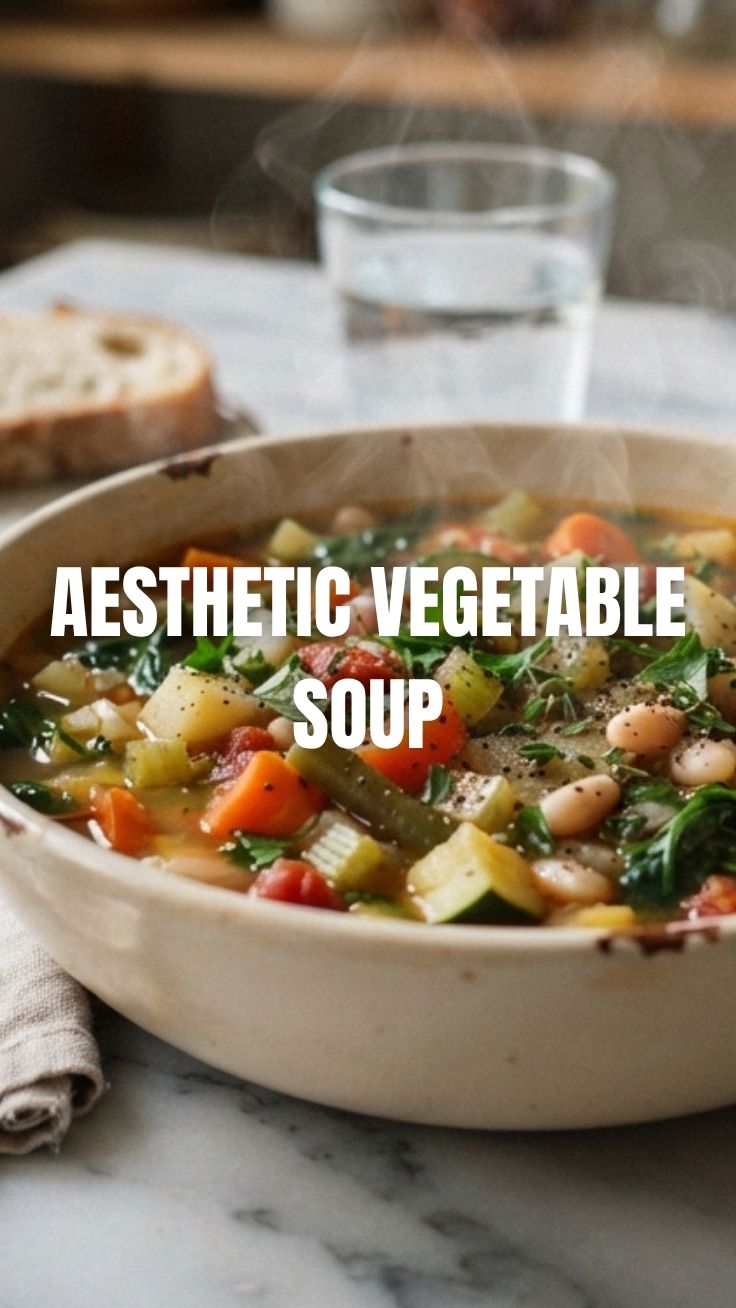
– Prep Time: 15 minutes (washing, chopping, measuring)
– Cook Time: 35–40 minutes
– Total Time: 50–55 minutes
– Resting Time: 5 minutes before serving (flavors meld beautifully)
Plan ahead: The soup tastes even better the next day, making it ideal for meal prep. Set aside 15 minutes in the morning to chop vegetables, then cook in the evening.
—
Step-by-Step Instructions
1. Sauté the Aromatics
Heat olive oil in your stockpot over medium heat. Add the diced onion and cook for 4–5 minutes until translucent. Stir occasionally to prevent browning. Add the minced garlic and cook for 30 seconds until fragrant—do not let it burn.
2. Build the Base
Add carrots, celery, and zucchini. Sauté for 5 minutes, stirring often. The vegetables should soften slightly but retain their shape. This step builds the foundational flavor for your Vegetable Soup.
3. Add Liquids and Seasonings
Pour in the diced tomatoes (with their juices), vegetable broth, and water. Add thyme, oregano, bay leaf, ½ teaspoon salt, and a few grinds of black pepper. Stir well and bring to a gentle boil.
4. Simmer to Perfection
Reduce heat to low, cover partially, and simmer for 20 minutes. The carrots should be fork-tender but not mushy. If adding green beans, toss them in during the last 10 minutes. For a thicker broth, use a potato masher to lightly crush some of the vegetables.
5. Finish with Greens and Adjust
Remove the bay leaf. Stir in the kale or spinach and cook for 2–3 minutes until wilted. Taste and adjust salt, pepper, or add lemon juice for brightness. This final step ensures your Homemade Vegetable Soup is balanced and vibrant.
6. Serve
Ladle into bowls and garnish with fresh parsley or a drizzle of olive oil. Serve with crusty bread or a side salad for a complete meal.
—
Nutritional Benefits & Advantages
This Vegetable Soup is a powerhouse of nutrition. Each serving provides:
– Vitamin A from carrots and kale supports eye health and immunity.
– Vitamin C from tomatoes and bell peppers (if added) boosts collagen production.
– Fiber from vegetables aids digestion and promotes fullness.
– Potassium from zucchini and celery helps regulate blood pressure.
– Low calorie (approximately 120–150 per serving) yet satisfying.
Advantages: It’s naturally vegan, gluten-free (if no pasta is added), and dairy-free. The recipe is also highly adaptable for low-sodium or low-carb diets.
—
Tips, Variations & Cooking Advice
Flavor Variations
– Italian-style: Add 1 teaspoon fennel seeds and a Parmesan rind during simmering.
– Mexican-inspired: Use cumin, chili powder, and black beans instead of green beans.
– Creamy version: Blend 1 cup of the soup and stir it back in, or add ½ cup coconut milk.
Ingredient Swaps
– Zucchini → Yellow squash or eggplant
– Kale → Swiss chard, spinach, or cabbage
– Dried herbs → 1 tablespoon fresh herbs each
– Vegetable broth → Chicken or beef broth for deeper flavor
Dietary Adaptations
– Gluten-free: Omit pasta or use gluten-free noodles.
– Dairy-free: Skip Parmesan and use coconut oil instead of butter.
– Low-FODMAP: Omit onion and garlic; use leek greens and garlic-infused oil.
—
Common Mistakes to Avoid
1. Overcooking vegetables – Soft, mushy vegetables ruin texture. Add quick-cooking items like zucchini and greens late in the process.
2. Underseasoning – Vegetables absorb salt; taste and adjust before serving. A splash of vinegar or lemon juice at the end can rescue bland soup.
3. Skipping the sauté – Adding raw onion and garlic to broth produces a flat, bitter flavor. Always sauté for depth.
4. Using low-quality broth – The broth is the backbone. Use low-sodium homemade or high-quality store-bought brands.
5. Adding pasta directly – Starches release into the broth, making it cloudy and mushy. Cook pasta separately and add per serving.
—
Storage & Meal Prep Tips
Refrigeration
– Store in an airtight container for up to 5 days.
– Cool completely before sealing to prevent condensation.
– Reheat on the stovetop over medium-low heat, adding a splash of broth or water to loosen.
Freezing
– Freeze for up to 3 months in freezer-safe bags or containers.
– Leave 1-inch headspace for expansion.
– Thaw overnight in the refrigerator before reheating.
Pro tip: If you added pasta, freeze the soup base without pasta. Cook fresh pasta when reheating for the best texture.
—
Conclusion
Preparing Vegetable Soup from scratch is one of the most rewarding kitchen skills you can master. It’s forgiving, affordable, and endlessly customizable. By following these steps, you’ll create a Homemade Vegetable Soup that’s rich in flavor and packed with nutrients. The key takeaways? Sauté your aromatics, season boldly, and add delicate vegetables at the right time. Once you taste this version, you’ll never reach for a can again. Try it tonight, share your results with friends, or experiment with your favorite vegetables—and let us know how it turns out!
—
FAQs
1. Can I use frozen vegetables instead of fresh?
Yes. Frozen vegetables are flash-frozen at peak ripeness, so they work well. Add them directly in step 4 without thawing; expect 2–3 minutes less cooking time.
2. How do I thicken the soup without cream or flour?
Mash some of the cooked vegetables with a potato masher or blend 1–2 cups of the soup and stir it back in. A tablespoon of cornstarch mixed with cold water also works.
3. My soup tastes bland. What went wrong?
Most likely under-salting or insufficient acid. Add ½ teaspoon salt and a squeeze of lemon juice. If still flat, stir in a teaspoon of tomato paste or a dash of soy sauce for umami.
4. Can I make this soup in a slow cooker or Instant Pot?
Yes. For a slow cooker, sauté aromatics first, then cook on low for 6–8 hours. For Instant Pot, use the sauté function for aromatics, then pressure cook on high for 5 minutes with quick release.
5. How can I add protein without changing the flavor?
Stir in cooked chickpeas, white beans, or lentils during the last 10 minutes. They absorb the broth’s flavor without overpowering the vegetables. Shredded rotisserie chicken also works for non-vegetarians.
Proven way to grow delicious Vegetable Soup recipes
Ingredients
Equipment
Method
- Chop all your vegetables into bite-sized pieces; this helps ensure even cooking and a pleasant texture in your soup.
- Heat the olive oil in a large pot or Dutch oven over medium heat, then add the chopped carrots, celery, and onion and sauté until softened, about 5-7 minutes.
- Stir in the diced potatoes, vegetable broth, and canned diced tomatoes, bringing the mixture to a boil.
- Reduce the heat to low, cover, and simmer for 20-25 minutes, or until the potatoes and other vegetables are tender.
- Season with salt and pepper to taste, and serve hot.