Lemon Ricotta Pasta: The Creamy, Citrus-Infused Dish You Need Tonight
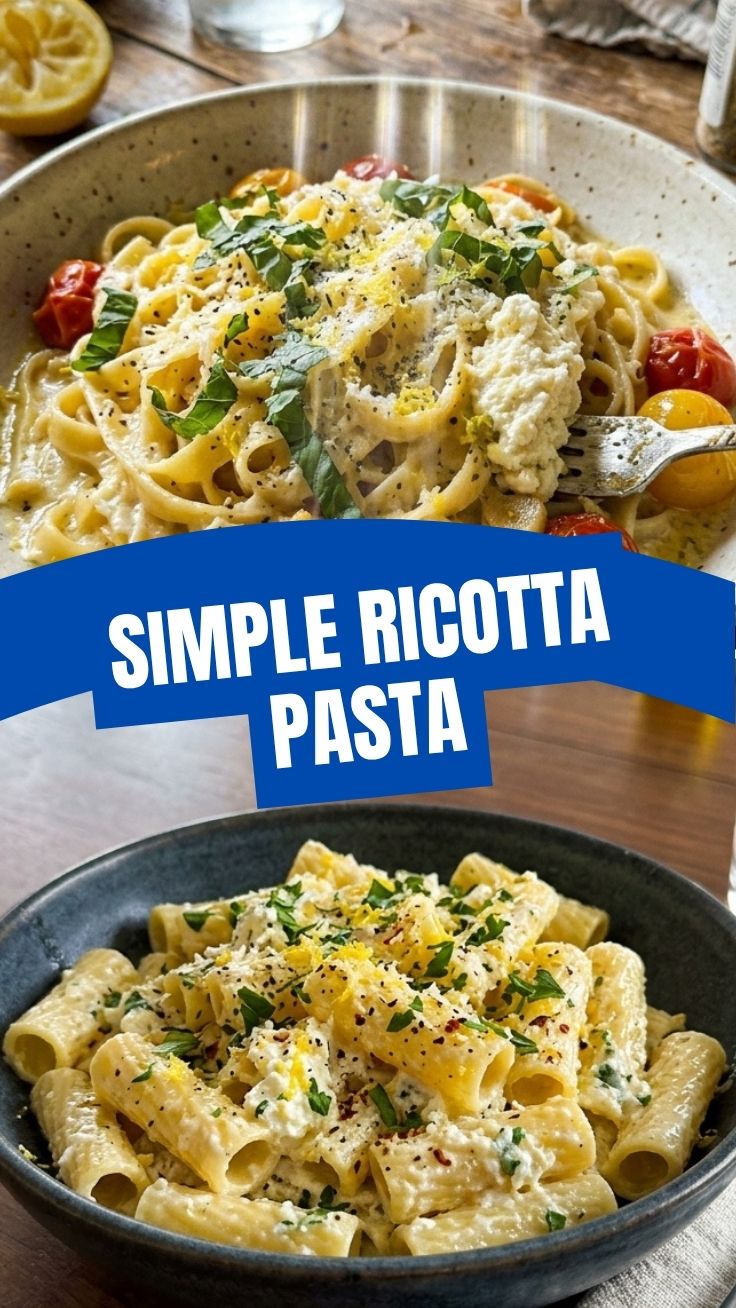
Have you ever craved a pasta dish that feels both indulgent and refreshing? That’s exactly what a perfectly executed Lemon Ricotta Pasta delivers—a velvety, bright meal that comes together in under 30 minutes. Making it at home not only saves you a trip to a restaurant but also lets you control the quality of ingredients, ensuring a fresher, more flavorful result. This recipe belongs to the family of cheese pasta recipes that rely on simple dairy and citrus for an elegant finish. By preparing it yourself, you unlock the secret to balancing creamy ricotta with zesty lemon—no heavy cream required.
—
Ingredients & Kitchen Tools
For the pasta:
– 12 oz (340 g) dried pasta (penne, fettuccine, or spaghetti work well)
– 1 cup (250 g) fresh whole-milk ricotta – full-fat yields the creamiest sauce
– ½ cup (120 ml) reserved pasta water – essential for silkiness
– 2 tablespoons unsalted butter – for richness
– 2 cloves garlic, minced – adds savory depth
– 1 lemon (zest + 3 tablespoons juice) – use organic for best flavor
– ½ cup (50 g) freshly grated Parmesan – sharpens the cheese profile
– Salt and black pepper to taste
– Fresh basil or parsley (optional, for garnish)
Kitchen tools:
– Large pot for boiling pasta
– Colander
– Large skillet or sauté pan
– Microplane or zester
– Citrus juicer (or your hands)
– Wooden spoon or silicone spatula
– Measuring cups and spoons
Optional substitutions:
– Gluten-free pasta for a GF version
– Dairy-free ricotta (cashew-based) and nutritional yeast instead of Parmesan
– Vegan butter alternative
—
Prep Time & Cooking Schedule
– Prep time: 10 minutes (zest lemon, mince garlic, measure ingredients)
– Cook time: 12–15 minutes (pasta cooks while sauce is prepared)
– Total time: 25 minutes
– Resting time: 1–2 minutes after combining (allows flavors to meld)
Plan to start the pasta water boiling first—fill a large pot with generously salted water (about 1 tablespoon salt per 4 quarts). While the water comes to a boil, prepare the other elements. This schedule ensures everything finishes simultaneously.
—
Step-by-Step Instructions
1. Cook the pasta – Add your chosen pasta to the boiling salted water and cook until al dente (usually 1–2 minutes less than package directions). Reserve 1 cup of pasta water just before draining. Drain but do not rinse; the starch helps the sauce cling.
2. Build the base – In a large skillet over medium heat, melt the butter. Add the minced garlic and sauté for 30 seconds until fragrant (do not brown—burnt garlic turns bitter). Reduce heat to low.
3. Combine ricotta and lemon – Whisk in the fresh ricotta, lemon zest, and lemon juice. Stir continuously until the ricotta warms and becomes smooth. The mixture should look creamy but still slightly thick.
4. Create the sauce – Add ½ cup of reserved pasta water to the ricotta mixture, stirring constantly. The sauce will thin and become silky. Season with salt and pepper—remember the pasta water is already salty, so go easy. Toss in the Parmesan and stir until melted.
5. Marry pasta and sauce – Add the drained pasta directly to the skillet. Toss vigorously with tongs or a spatula, adding more pasta water a tablespoon at a time until the sauce coats each noodle beautifully. The ideal texture is glossy, not watery.
6. Serve immediately – Plate and garnish with fresh basil, extra lemon zest, or a drizzle of olive oil. If you’re looking for other easy weekday meals in the same family, consider exploring variations of Lemon Ricotta Pasta or browsing creative cheese pasta recipes for inspiration.
—
Nutritional Benefits & Advantages
This dish is surprisingly balanced for a cheese-based pasta. Ricotta is lower in fat and sodium compared to cheddar or cream cheese, while providing a good dose of calcium and protein. The lemon adds vitamin C and antioxidants, supporting immune function. Each serving (about 2 cups) contains roughly:
– Calories: 450–500 (depending on pasta and cheese brands)
– Protein: 18–22 g
– Carbohydrates: 55 g
– Fat: 18 g
– Calcium: 25% of the daily value
Because the sauce relies on ricotta and pasta water instead of heavy cream, you cut saturated fat by roughly 30% compared to a traditional Alfredo. This makes it a smart choice for anyone seeking comfort food with a lighter nutritional profile.
—
Tips, Variations & Cooking Advice
– For extra tang: Add a pinch of red pepper flakes or a teaspoon of lemon-infused olive oil at the end.
– Swap protein: Toss in grilled chicken, shrimp, or sautéed mushrooms after step 5.
– Make it vegetarian/vegan: Use dairy-free ricotta and vegan Parmesan; the lemon will still shine.
– Gluten-free option: Replace regular pasta with chickpea or lentil pasta for extra fiber.
– Change the shape: Short shapes like orecchiette or shells catch the sauce better, but long noodles also work.
– Add greens: Stir in a handful of baby spinach or arugula along with the pasta—it wilts in seconds.
—
Common Mistakes to Avoid
– Overcooking the pasta – Mushy noodles ruin the texture. Cook to firm al dente; the sauce will finish softening them.
– Skipping the pasta water – This starchy liquid is the secret to a smooth, emulsified sauce. Never use plain water.
– Using low-fat ricotta – Nonfat ricotta turns grainy when heated. Full-fat delivers creaminess.
– Adding lemon too early – If you heat lemon juice for too long, it loses its bright flavor. Add it just before combining with pasta.
– Overloading garlic – More than two cloves can overpower the delicate cheese and lemon balance.
—
Storage & Meal Prep Tips
Refrigeration: Store leftovers in an airtight container for up to 3 days. The pasta will absorb some sauce, so add a splash of milk or reserved pasta water when reheating.
Freezing: Not recommended—ricotta-based sauces often separate after thawing, resulting in a gritty texture. If you must freeze, do so before adding the lemon (add fresh juice after reheating).
Reheating: Use a skillet over medium-low heat with a tablespoon of water. Stir constantly to re-emulsify. Avoid the microwave; it can make the cheese rubbery.
Meal prep: Cook the pasta and make the sauce separately. Store them in different containers and combine when reheating to maintain texture.
—
Conclusion
This Lemon Ricotta Pasta proves that a handful of simple ingredients can create a restaurant-quality meal in your own kitchen. By mastering the balance of creamy ricotta and bright citrus, you elevate a pantry staple into a memorable dinner. It’s a stellar addition to any collection of cheese pasta recipes, offering versatility for weeknight cooking or special occasions alike. Give it a try, and don’t forget to share your creation—tag a friend or leave a comment below with your favorite twist. For more ideas, explore our other citrus-infused dishes and creamy pasta guides.
—
FAQs
1. Can I use pre-shredded Parmesan?
Freshly grated Parmesan melts better and has superior flavor. Pre-shredded often contains anti-caking agents that prevent smooth melting.
2. Why is my sauce grainy?
This usually means the ricotta was overheated or you used a low-fat version. Stick to full-fat ricotta and keep the heat on low after adding it.
3. How do I adjust the lemon flavor?
Start with one lemon (zest + juice). If you love citrus, add up to ½ teaspoon more zest. For less tang, use only the zest and skip the juice.
4. Can I make this ahead for a dinner party?
Prepare the sauce and cook the pasta separately. Just before serving, toss them together with fresh pasta water. Do not refrigerate the combined dish—it will become gluey.
5. What pasta shape works best?
Penne and fusilli hold the creamy sauce beautifully. If you prefer long noodles, fettuccine or linguine are excellent choices.
Best way to grow Lemon Ricotta Pasta in 5 mins
Ingredients
Equipment
Method
- Cook pasta according to package directions, reserving 1/2 cup of pasta water before draining.
- While pasta cooks, combine ricotta, lemon zest, lemon juice, Parmesan, parsley, olive oil, and minced garlic (if using) in a large bowl; season with salt and pepper.
- Drain pasta and add directly to the ricotta mixture. Toss well, adding reserved pasta water a little at a time, until a creamy sauce forms.
- Serve immediately, garnished with extra Parmesan and parsley if desired.