The Ultimate Guide to Perfect Aglio e Olio: A 15-Minute Pasta Masterpiece
Have you ever craved a dinner that tastes like it took hours to prepare but actually comes together in the time it takes to boil water? That’s the magic of Aglio e Olio—a classic Italian pasta dish that transforms humble pantry ingredients into something extraordinary. Learning to make this at home isn’t just about saving money; it’s about mastering a fundamental technique that will elevate every Aglio e Olio you make from this point forward. Understanding the chemistry of emulsifying garlic-infused oil with starchy pasta water is the secret to achieving restaurant-quality results without leaving your kitchen. Whether you’re a beginner or a seasoned cook, this recipe will become your go-to for busy weeknights, late-night cravings, or impressing dinner guests.
Ingredients & Kitchen Tools
Essential Ingredients
– Spaghetti (8 oz): Traditional choice; the thin strands hold the sauce beautifully
– Garlic (6-8 cloves): Thinly sliced, not minced—this prevents burning and ensures even flavor
– Extra-virgin olive oil (1/3 cup): Use high-quality oil since it’s the star ingredient
– Red pepper flakes (1/2 tsp): Adjust to taste; calabrian chilies add authentic heat
– Fresh parsley (1/4 cup, chopped): Adds freshness and color
– Salt (for pasta water): Use coarse kosher or sea salt for perfect seasoning
Optional Additions
– Parmesan cheese: For serving (though not traditional, it’s delicious)
– Lemon zest: Brightens the dish without adding acidity
– Breadcrumbs: For crunch (toast in olive oil before adding)
Kitchen Tools
– Large pot (5-6 quarts): For boiling pasta
– Large skillet (12-inch): Wide surface ensures even garlic cooking
– Sharp knife and cutting board
– Tongs or pasta fork
– Measuring spoons and cup
– Microplane (optional, for lemon zest or Parmesan)
Substitutions
– Use gluten-free spaghetti or chickpea pasta for dietary needs
– Substitute parsley with basil or omit entirely
– Replace red pepper flakes with fresh chili for different heat profile
Prep Time & Cooking Schedule
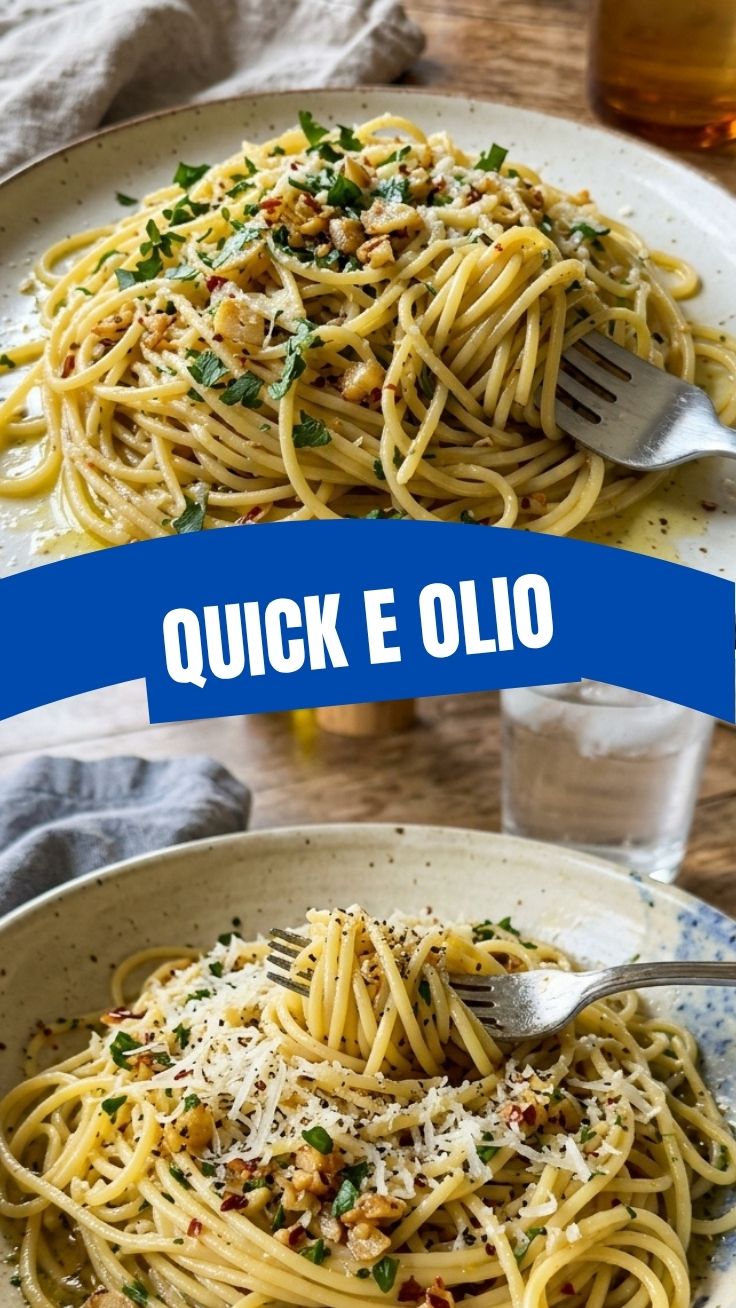
– Prep Time: 5 minutes (slice garlic, chop parsley, measure oil and chili flakes)
– Cook Time: 12-15 minutes (pasta boils while you prepare the sauce)
– Total Time: 17-20 minutes from start to finish
– Resting Time: None—serve immediately for best texture
Pro tip: Start your pasta water boiling before you slice garlic. This parallel work saves 5-7 minutes and ensures everything finishes simultaneously. The entire dish relies on timing: your garlic should be perfectly golden just as your pasta reaches al dente.
Step-by-Step Instructions
1. Bring a large pot of water to a rolling boil over high heat. Add 2 tablespoons of salt—the water should taste like the sea. This is your only chance to season the pasta itself.
2. While water heats, slice garlic cloves thinly (about 1/8-inch thick). Uniform slices ensure even cooking. Chop parsley and set aside.
3. Cook spaghetti according to package directions until al dente (typically 8-10 minutes). Reserve 1 cup of pasta water before draining. The starchy water is essential for creating a silky sauce.
4. Meanwhile, heat olive oil in a large skillet over medium heat. Add sliced garlic and red pepper flakes. Cook gently for 2-3 minutes, swirling occasionally. The garlic should sizzle softly—if it browns too quickly, reduce heat. Remove from heat just as garlic turns pale golden.
5. When pasta is ready, transfer directly to skillet using tongs (allowing some water to cling to the noodles). Add 1/4 cup of reserved pasta water. Toss vigorously over medium-low heat for 1-2 minutes until the oil and water emulsify into a creamy sauce.
6. Remove from heat and add parsley along with additional pasta water if needed (1-2 tablespoons at a time) to achieve a glossy coating. Season with salt to taste.
7. Serve immediately in warm bowls. For the perfect Aglio e Olio experience, ensure every strand is coated in the garlic oil emulsion. If you enjoy exploring classic Pasta Recipes, this technique transfers beautifully to other simple sauces.
Texture cue: When properly emulsified, the sauce should cling to the pasta like a light cream, not pool at the bottom of the bowl.
Nutritional Benefits & Advantages
This dish offers surprising nutritional value despite its simplicity:
– Heart-healthy monounsaturated fats from extra-virgin olive oil support cardiovascular health
– Garlic contains allicin (released when sliced), which has antibacterial and anti-inflammatory properties
– Capsaicin in red pepper flakes may boost metabolism and aid digestion
– Low calorie density: Approximately 400-450 calories per serving, making it a lighter pasta option
– Vegan-friendly as written, with no animal products needed
Compared to cream-based pasta sauces, Aglio e Olio provides more nutrients and fewer saturated fats while delivering intense flavor through umami and heat rather than heavy ingredients.
Tips Variations & Cooking Advice
Flavor Variations
– Lemon Aglio e Olio: Add 1 teaspoon lemon zest and 2 tablespoons lemon juice with the parsley
– Herb-infused: Toss in fresh basil, oregano, or thyme with the garlic
– Roasted garlic version: Use half roasted garlic cloves for sweetness, half fresh for pungency
– Seafood twist: Add sautéed shrimp or clams in the last 2 minutes
Dietary Adaptations
– Gluten-free: Use brown rice or quinoa spaghetti; shorten cooking time slightly
– Low-oil version: Reduce oil to 3 tablespoons and increase pasta water to 1/2 cup
– Nutty crunch: Toast 2 tablespoons pine nuts or sliced almonds in the oil before adding garlic
Cooking Methods
– One-pot method: Cook pasta in minimal water (just enough to cover), then add garlic and oil directly to the pot after draining—messy but efficient
– Skillet finish: For extra crispiness, let the garlic get slightly darker (never burnt) before adding pasta
Portion Changes
– Double the recipe and cook pasta directly in the skillet for easier tossing
– For smaller portions, use 6 oz pasta and 1/4 cup oil
Common Mistakes to Avoid
| Mistake | Solution |
|———|———-|
| Burning the garlic | Cook over medium-low heat and remove skillet from burner as soon as garlic turns pale gold. Burnt garlic becomes bitter and ruins the dish. |
| Skipping the pasta water | The starch in reserved water is essential for emulsion. Without it, the oil sits on top of the pasta instead of coating it. |
| Overcooking pasta | Cook 1-2 minutes less than package directions. It will finish cooking in the skillet with the sauce. |
| Using cold garlic | Let garlic sit at room temperature for 10 minutes after slicing—this allows allicin to develop before cooking. |
| Not tasting before serving | Salt levels vary based on pasta water salinity and cheese. Always taste and adjust. |
Storage & Meal Prep Tips
Refrigeration
– Store cooled pasta in an airtight container for up to 3 days
– Add 1 teaspoon olive oil before refrigerating to prevent sticking
– Reheat in a skillet over medium-low heat with 2 tablespoons water to revive the emulsion
Freezing
– Not recommended for this dish—the emulsion breaks during thawing, resulting in greasy texture
– If necessary, freeze without garnish for up to 1 month; refresh with fresh oil and parsley when reheating
Meal Prep Strategy
– Slice garlic and chop parsley up to 2 days ahead; store separately in airtight containers
– Measure olive oil and chili flakes in a small jar for grab-and-go cooking
– Cook pasta fresh for best results; reheated Aglio e Olio lacks the signature silky texture
Reheating Instructions
– Stovetop: Heat 1 tablespoon water in skillet, add pasta, toss over medium heat until warmed through (2-3 minutes)
– Microwave: Cover with damp paper towel; heat in 30-second intervals, stirring between each (not ideal, but works)
Conclusion
Mastering this classic Aglio e Olio recipe proves that extraordinary food doesn’t require extraordinary ingredients—just technique and timing. By understanding the science of emulsification and the art of gentle garlic cooking, you’ve unlocked a versatile foundation for countless Pasta Recipes. The three keys to success: use quality olive oil, never rush the garlic, and always save that starchy pasta water. Now it’s your turn—try this recipe tonight, experiment with variations, and share your results. Tag us in your photos and explore our other quick pasta dishes for more weeknight inspiration.
FAQs
1. Can I use pre-minced garlic instead of fresh?
Pre-minced garlic burns faster due to its higher water content and lacks the complex flavor of freshly sliced cloves. For authentic Aglio e Olio, always use fresh garlic and slice it yourself.
2. Why does my sauce look oily instead of creamy?
You’re likely under-emulsifying. After adding pasta water, toss vigorously for at least 60 seconds. The starch needs time to bind with the oil. Add water 1 tablespoon at a time if it looks too greasy.
3. Can I make this dish spicy without chili flakes?
Absolutely—use 1 fresh jalapeño or serrano pepper (sliced thin) cooked with the garlic. Alternatively, drizzle chili oil at the end for controlled heat.
4. How do I keep leftovers from getting clumpy in the fridge?
Toss leftover pasta with 1 teaspoon olive oil before storing. When reheating, add 1-2 tablespoons water and stir gently over low heat to separate noodles.
5. What if I don’t have parsley? Can I skip it?
Yes—parsley adds color but isn’t essential. Substitute with fresh basil, chives, or a squeeze of lemon juice for brightness. The dish still works without any herb garnish.
Quick way to grow your Aglio e Olio in 5 steps
Ingredients
Equipment
Method
- Cook spaghetti according to package directions in salted water, reserving about 1 cup of pasta water before draining.
- While pasta cooks, thinly slice garlic cloves and sauté them gently with olive oil and red pepper flakes in a large pan over low heat until fragrant and golden, without burning.
- Add the drained spaghetti directly to the pan with the garlic mixture, along with a splash of reserved pasta water.
- Toss everything together vigorously for a minute or two, allowing the pasta to absorb the flavors and create a light sauce with the starchy water.
- Stir in fresh chopped parsley and season with salt and black pepper to taste before serving immediately.