Fluffy, Protein-Packed Cottage Cheese Pancakes: Your New Favorite Breakfast
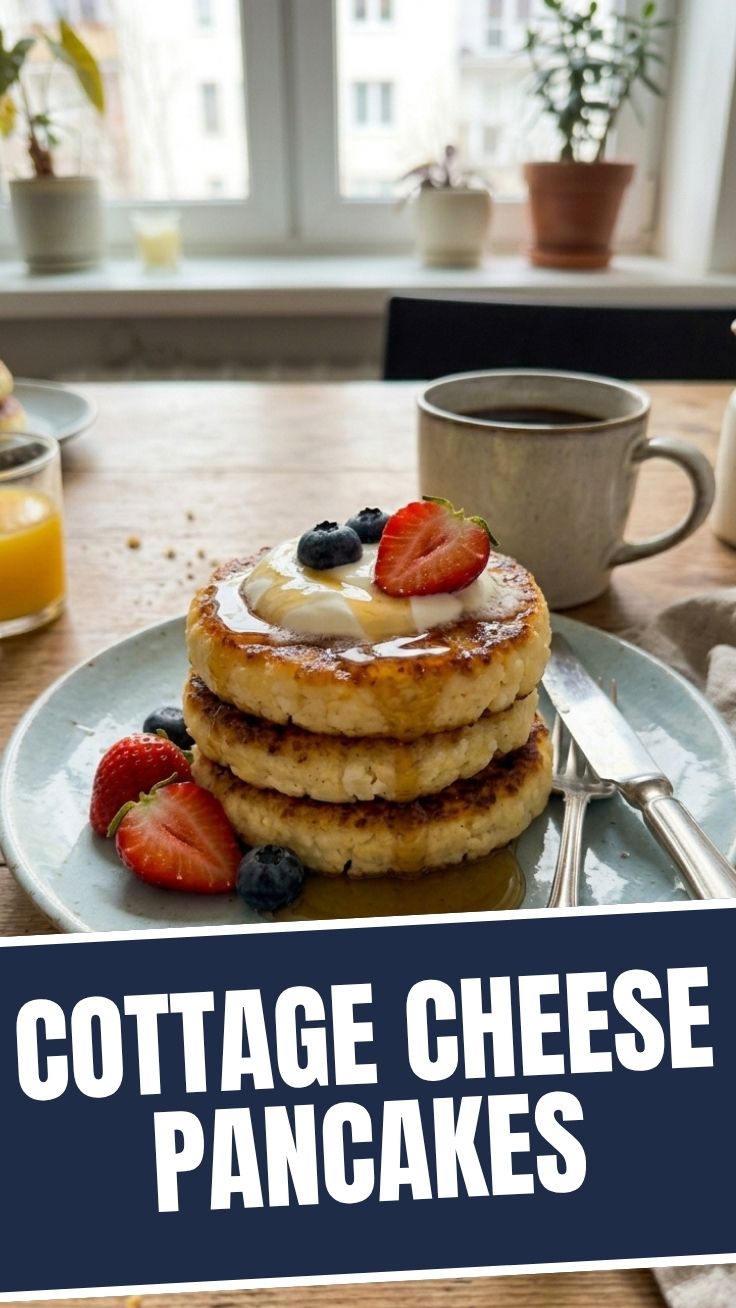
Have you ever woken up craving pancakes but wished they could be just a little bit healthier—and keep you full until lunch? If so, you’re not alone. The solution lies in a simple yet genius ingredient swap that transforms a classic comfort food into a nutritious powerhouse. Imagine biting into a stack of golden, fluffy pancakes that are secretly loaded with protein, thanks to one unexpected star ingredient. This recipe for Cottage Cheese Pancakes is about to become your go-to for a satisfying high protein breakfast that tastes like a decadent treat but fuels your body like a champ. Preparing these at home not only saves you money but also gives you complete control over the ingredients, ensuring a clean, delicious start to your day.
Ingredients & Kitchen Tools
For the Pancakes
– 1 cup cottage cheese (full-fat or low-fat; full-fat adds more creaminess and flavor)
– 3 large eggs (room temperature for easier blending)
– 1/2 cup all-purpose flour (or whole wheat, oat, or gluten-free blend)
– 1 tablespoon maple syrup or honey (optional, for sweetness; you can also use a sugar-free sweetener)
– 1 teaspoon vanilla extract (enhances the overall flavor profile)
– 1/2 teaspoon baking powder (for fluffiness; confirm it’s fresh)
– 1/4 teaspoon salt (balances flavors)
– Butter or coconut oil (for greasing the pan)
Kitchen Tools & Utensils
– Blender or food processor (essential for achieving a smooth, lump-free batter)
– Non-stick skillet or griddle (ensures even cooking and easy flipping)
– Spatula (preferably thin and heat-resistant)
– Measuring cups and spoons
– Mixing bowl (if not using blender for all steps)
– Ladle or 1/4-cup measure (for consistent pancake size)
Optional Substitutions
– Gluten-free: Use a 1:1 gluten-free flour blend (with xanthan gum).
– Dairy-free: Replace cottage cheese with silken tofu (blended) and use a dairy-free butter alternative.
– Egg-free: Use 3 flax eggs (3 tablespoons ground flaxseed + 9 tablespoons water, rested for 10 minutes). Note: Texture will be denser.
Prep Time & Cooking Schedule
– Prep Time: 10 minutes (measuring, blending, and preheating the pan)
– Cooking Time: 12–15 minutes (for about 8–10 medium pancakes)
– Total Time: Approximately 25 minutes, including a 5-minute batter rest (optional but recommended for fluffier texture)
Planning Tip: Because the batter comes together in less than 10 minutes, this recipe is perfect for a weekday morning. However, for weekend brunch, you can double the batch and invite friends. The batter can sit at room temperature for up to 30 minutes before cooking, but do not refrigerate it overnight as cottage cheese may separate.
Step-by-Step Instructions
1. Blend the Batter
Add cottage cheese, eggs, vanilla extract, maple syrup (if using), baking powder, and salt to a blender or food processor. Pulse until the mixture is completely smooth and no lumps remain—this should take about 20–30 seconds. Scrape down the sides if needed. Crucial: Do not over-blend; you want a thick, pourable consistency.
2. Incorporate the Flour
Add the flour to the blender and pulse just until combined. Over-mixing at this stage can develop gluten and make the pancakes tough. If the batter seems too thick, add 1 tablespoon of milk (dairy or plant-based) and pulse again.
3. Rest the Batter (Optional but Recommended)
Let the batter sit for 5 minutes. This allows the gluten to relax and the baking powder to start reacting, resulting in even more fluffy pancakes.
4. Preheat and Grease the Pan
Place a non-stick skillet or griddle over medium-low heat. Add a small pat of butter or a drizzle of coconut oil. Wait until the butter is melted and sizzling, but not browning. Temperature control is key: If the pan is too hot, the pancakes will burn on the outside and remain raw inside.
5. Cook the Pancakes
Using a ladle or 1/4-cup measure, pour batter onto the hot skillet. Leave about 2 inches of space between each pancake. Cook until bubbles form on the surface and the edges look set and slightly dry—this takes about 2–3 minutes. Flip carefully with a thin spatula and cook for another 1–2 minutes, until golden brown on the other side. The second side cooks faster.
Pro Tip: For the perfect texture, these Cottage Cheese Pancakes should be cooked over gentle heat. Rushing the process will ruin their tenderness. Serve immediately while warm, or keep them in a 200°F oven on a baking sheet if cooking in batches. This high protein breakfast will keep you satisfied for hours.
Nutritional Benefits & Advantages
These pancakes are a nutritional standout compared to traditional ones. A single serving (2–3 pancakes) provides approximately 25–30 grams of protein, thanks to the cottage cheese and eggs. Key advantages include:
– High Protein Content: Cottage cheese is rich in casein protein, which digests slowly and promotes satiety, making it an ideal high protein breakfast for weight management or muscle repair.
– Low in Added Sugar: By using optional maple syrup only for sweetness, you control sugar intake. The natural lactose from cottage cheese adds a subtle sweetness.
– Rich in Calcium and B Vitamins: Cottage cheese is a good source of calcium (bone health) and vitamin B12 (energy metabolism).
– Versatile Macronutrient Profile: With moderate carbs and healthy fats, these pancakes can fit into balanced diets, including low-carb or keto (with almond flour substitution).
Tips Variations & Cooking Advice
Flavor Variations
– Savory Twist: Omit the maple syrup and vanilla. Add 1/4 teaspoon garlic powder, 1 tablespoon chopped chives, and a pinch of black pepper. Serve with smoked salmon and avocado.
– Berry Bliss: Gently fold 1/2 cup fresh blueberries or raspberries into the batter after blending.
– Cinnamon Roll: Add 1 teaspoon cinnamon and 1/4 teaspoon nutmeg to the flour. Top with a light cream cheese glaze.
Dietary Adaptations
– Gluten-Free: Substitute with a high-quality gluten-free flour blend. Add 1/2 teaspoon xanthan gum if not already included in the blend.
– Dairy-Free: Use silken tofu (drained and blended) in place of cottage cheese. The texture will be softer but still delicious.
– Keto/Low-Carb: Replace flour with 1/4 cup almond flour and 2 tablespoons coconut flour, and use an egg white substitution for additional protein.
Cooking Methods
– Griddle: Ideal for making large batches; maintain medium-low heat and adjust as needed.
– Cast-Iron Skillet: Provides excellent heat retention but requires careful temperature management to avoid sticking.
Common Mistakes to Avoid
– Over-blending the Batter: This creates thin, flat pancakes. Pulse until just smooth.
– Using Too High Heat: The outside burns while the inside remains raw. Stick to medium-low and test with a small dollop first.
– Skipping the Rest: Although optional, resting helps the pancakes puff up. Even 5 minutes makes a difference.
– Flipping Too Early: Wait until you see bubbles covering the surface and edges are slightly dry. Under-cooked pancakes collapse.
– Not Greasing the Pan Adequately: Even non-stick pans need a light coating of butter or oil for the best golden crust.
Storage & Meal Prep Tips
These pancakes are excellent for meal prep. Store leftovers in an airtight container in the refrigerator for up to 4 days. For longer storage, freeze them individually on a baking sheet, then transfer to a freezer-safe bag or container for up to 3 months.
Reheating: To restore their fluffy texture, reheat in a toaster or toaster oven at 350°F for 3–4 minutes. Alternatively, microwave for 30–40 seconds, but this can make them slightly rubbery. For best results, reheat in a skillet with a pat of butter over medium heat for 1 minute per side.
Meal Prep Strategy: Double the recipe on Sunday. Stack cooled pancakes with small pieces of parchment paper between each one. In the morning, just grab a few, reheat, and enjoy a high protein breakfast in under 2 minutes.
Conclusion
These pancakes prove that healthy eating doesn’t require sacrificing flavor or texture. By blending simple ingredients, you create a meal that feels indulgent yet is packed with nutritional benefits. The secret? Cottage cheese, which not only adds a protein boost but also creates an incredibly moist and tender crumb. Whether you make them for a leisurely weekend brunch or a quick weekday meal, these Cottage Cheese Pancakes are a versatile high protein breakfast that will satisfy your cravings and your nutritional goals. Give them a try, share your creations with us, and explore more healthy breakfast ideas on our site.
FAQs
1. Can I make the batter ahead of time and refrigerate it?
It’s not recommended to refrigerate the batter for more than 30 minutes before cooking, as the cottage cheese may separate and the baking powder will lose its effectiveness. For best results, blend and cook immediately.
2. Why are my pancakes not fluffy?
This is usually due to over-mixing the batter (developing gluten) or cooking at too high a heat. Also, ensure your baking powder is fresh (test by dropping a small amount in hot water; it should fizz instantly).
3. Can I use an egg substitute for allergies?
Yes, but the texture will be significantly denser and less fluffy. Flax eggs work best (1 tablespoon ground flaxseed + 3 tablespoons water per egg, rested for 10 minutes). Reduce the cottage cheese slightly to balance moisture.
4. How can I make these pancakes even higher in protein?
Add 1 scoop of unflavored protein powder and reduce the flour by 2 tablespoons. You can also blend in 1/2 cup of liquid egg whites for an extra boost without altering the flavor.
5. Can I freeze these pancakes with syrup on them?
It’s better to freeze them plain. Syrup can make them soggy upon reheating. Add fresh syrup only after reheating.
Best way to grow Cottage Cheese Pancakes
Ingredients
Equipment
Method
- In a large bowl, whisk together the cottage cheese and eggs until well combined and the cottage cheese is mostly smooth.
- Add the flour, sugar, baking powder, and vanilla extract to the mixture, stirring until just combined and a few lumps remain.
- Gradually add milk until you reach a pourable yet thick pancake batter consistency.
- Heat a non-stick pan or griddle over medium heat and melt a small amount of butter or add oil.
- Pour about 1/4 cup of batter per pancake onto the hot surface, leaving space between them.
- Cook for 2-3 minutes per side, or until golden brown and cooked through, then flip and cook the other side.
- Repeat with the remaining batter, adding more butter or oil as needed.
- Serve the cottage cheese pancakes immediately with your favorite toppings like fresh fruit, syrup, or whipped cream.