The Ultimate Guide to Perfect Lemon Herb Roasted Chicken
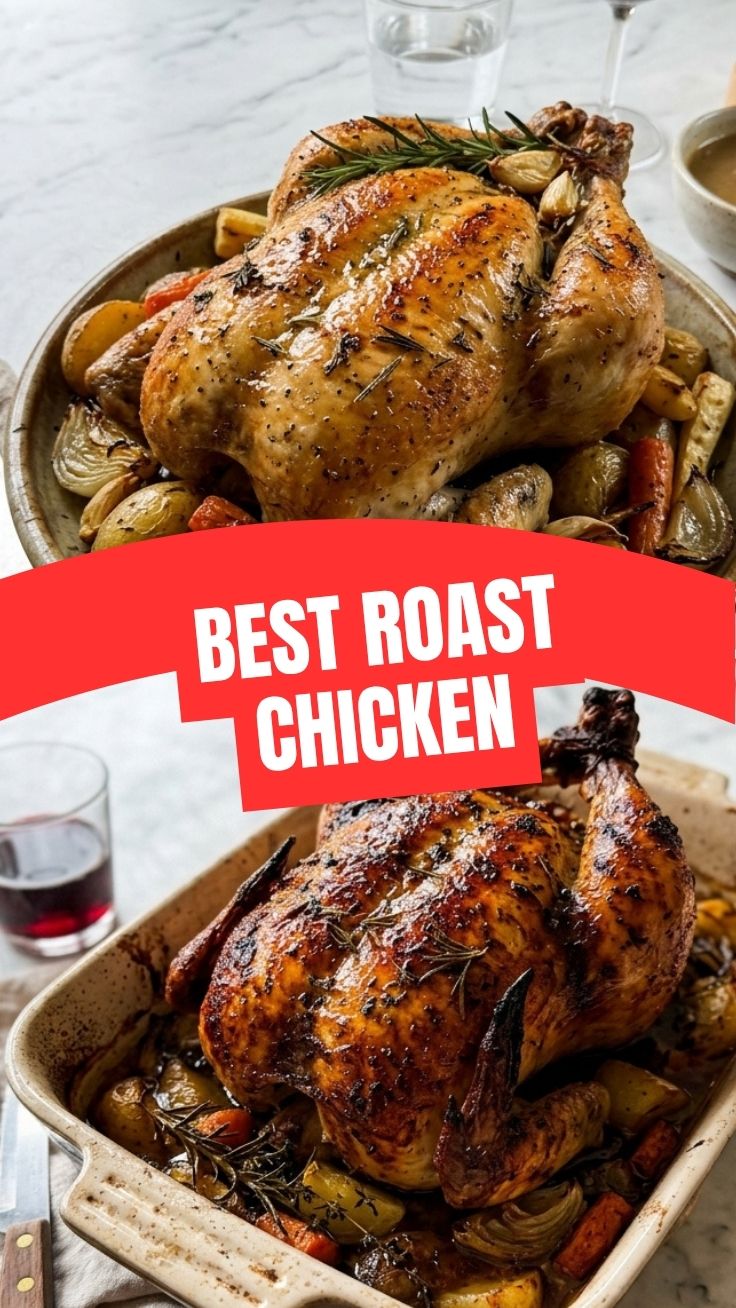
Have you ever pulled a Roast Chicken from the oven only to find dry, flavorless meat and pale, rubbery skin? You’re not alone. The magic of a beautifully bronzed, juicy bird with crispy crackling skin is something every home cook dreams of—but it’s easier than you think when you understand the science behind temperature, timing, and seasoning. Preparing this classic dish at home saves money, lets you control the ingredients, and fills your kitchen with an irresistible aroma. Whether you’re a beginner or a seasoned cook, mastering a perfect roast chicken is a skill that elevates every meal. And if you love exploring new poultry dishes, you’ll find endless inspiration in other Chicken Recipes that build on this foundational technique. Today, we’re diving deep into a foolproof lemon herb version that delivers restaurant-quality results every time.
—
Ingredients & Kitchen Tools
For the Roast Chicken
– 1 whole chicken (4–5 lbs / 1.8–2.3 kg) – Look for a free-range bird for richer flavor; remove giblets if included.
– 2 lemons – One for juicing, one halved and stuffed inside the cavity for moisture.
– 4–5 garlic cloves – Smashed, not minced; they infuse oil and steam inside the bird.
– 3 tbsp olive oil or melted butter – Butter adds color; olive oil works for dairy-free.
– 2 tsp salt (preferably kosher) – Essential for seasoning inside and out.
– 1 tsp black pepper – Freshly ground for best aroma.
– Fresh herbs: 4 sprigs rosemary, 6 sprigs thyme, 4 sage leaves – Dried versions can substitute (use 1 tsp each).
– 1 onion, quartered – Optional, adds sweetness to the pan drippings.
– 1 cup chicken broth or white wine – For the roasting pan to keep drippings from burning.
Kitchen Tools
– Roasting pan with rack – Elevates the bird for even heat circulation.
– Meat thermometer – Non-negotiable for perfect doneness.
– Kitchen twine – To truss legs if desired (not required but helps even cooking).
– Basting brush – For glazing with butter or oil.
– Sharp carving knife and cutting board – For clean slices.
Optional Substitutions
– Dairy-free: Use avocado oil instead of butter.
– Gluten-free: Ensure your broth or wine is GF-certified.
– Herb swap: Tarragon or oregano work beautifully.
—
Prep Time & Cooking Schedule
– Prep time: 20 minutes (patting dry, seasoning, stuffing)
– Resting time (optional but recommended): 30–60 minutes with dry brine (salt on skin uncovered in fridge)
– Cook time: 1 hour 15 minutes to 1 hour 30 minutes at 425°F (220°C)
– Resting after cooking: 15–20 minutes (critical for juicy meat)
Context to help you plan: Start at least 2 hours before serving. If you dry-brine overnight, the skin becomes even crispier. The resting time after roasting is not idle—it lets juices redistribute, so don’t skip it.
—
Step-by-Step Instructions
1. Prep the chicken. Remove giblets, pat the chicken completely dry with paper towels (inside and out). Moisture is the enemy of crispy skin. Place on a rack set inside a roasting pan.
2. Season generously. Mix 2 tsp kosher salt, 1 tsp pepper, and 2 tbsp olive oil. Rub all over the skin and inside the cavity. Ensure you season under the skin where possible by gently lifting it with your fingers.
3. Stuff with aromatics. Stuff cavity with lemon halves, smashed garlic, and fresh herb sprigs. Tie legs together with kitchen twine if desired.
4. Preheat oven to 425°F (220°C). While heating, let chicken sit at room temperature for 20–30 minutes for even cooking.
5. Roast. Place chicken breast-side up in the oven. Roast for 45 minutes, then baste with pan juices. Continue roasting until the thickest part of the thigh reaches 165°F (74°C) — about 30–40 more minutes depending on size. For golden crackling skin, increase heat to 450°F in the last 5 minutes if needed.
6. Rest. Remove from oven, tent loosely with foil, and let rest 15–20 minutes before carving. This guarantees a moist, tender roast chicken every time — a skill you’ll use across many Chicken Recipes including soups and sandwiches.
Pro tip: If the breast browns too fast, cover loosely with foil halfway through. The internal temperature is your truth — never rely on timing alone.
—
Nutritional Benefits & Advantages
A lemon-herb roast chicken is an excellent source of lean protein (about 35g per 4 oz serving), essential B vitamins (B6, B12), and selenium, which supports immune function. The skin provides some fat, but you can easily remove it for a lighter option. The herbs (rosemary, thyme) contain antioxidants and anti-inflammatory compounds. Plus, cooking at home lets you control sodium — store-bought rotisserie chickens often contain double the salt. Pairing with roasted vegetables creates a balanced, whole-food meal.
—
Tips, Variations & Cooking Advice
– Flavor variations: Swap lemon for orange and add smoked paprika for a Spanish twist. Use butter instead of oil for richer browning.
– Cooking methods: Spatchcock (butterfly) the chicken for faster, more even cooking (about 45 minutes total). You can also use an air fryer for smaller birds.
– Dietary adaptations: For low-sodium diets, use no-salt herb blends. For dairy-free, ensure butter substitutes are plant-based.
– Portion changes: A 4–5 lb chicken serves 4 adults. For 2 people, use a 3 lb bird and adjust time.
—
Common Mistakes to Avoid
| Mistake | Solution |
|———|———-|
| Soggy skin | Dry the bird thoroughly and avoid overcrowding the pan. |
| Dry breast | Remove from oven at 155°F breast temp; carryover cooking brings it to 160°F. |
| Underseasoning | Salt heavily—most of it stays in the pan or skin, not the meat. |
| Skipping the rest | Carving too early causes juices to run out; always rest 15 minutes. |
| Overcrowding the pan | Use a rack so hot air circulates; a full pan steams instead of roasts. |
—
Storage & Meal Prep Tips
– Refrigeration: Store leftover carved meat in an airtight container for up to 4 days. Keep skin separate to avoid sogginess.
– Freezing: Shred or slice meat, place in freezer bags, press out air, and freeze for up to 3 months.
– Reheating: For crispy skin, reheat uncovered at 375°F for 10–12 minutes. For soups, add meat directly without reheating.
– Broth from carcass: Simmer the bones with onion, carrot, celery, and herbs for 2 hours — strain and freeze for future soups.
—
Conclusion
Mastering a lemon herb roast chicken isn’t just about one dinner — it’s a gateway to building confidence in the kitchen. The techniques you learn here — proper drying, accurate temperature monitoring, and trussing — apply directly to countless other Chicken Recipes like braised thighs or grilled breasts. Don’t be afraid to experiment with herb combinations or cooking methods; each attempt teaches you something new. We’d love to see your beautifully golden bird! Share your results on social media with #PerfectRoastChicken, or explore more poultry inspiration on our site. Your family will thank you.
—
FAQs
1. Can I use dried herbs instead of fresh?
Yes — substitute 1 tsp dried rosemary, thyme, or sage for every 2 tsp fresh. Rub them into the skin rather than stuffing the cavity.
2. How do I know when the chicken is fully cooked without a thermometer?
The thigh juices should run clear when pierced, and the leg should wiggle easily. But a thermometer is far more reliable — aim for 165°F in the thigh.
3. My chicken skin burned before the inside was done. What went wrong?
Your oven runs hot or the bird was too close to the top element. Lower the rack and tent the breast with foil halfway through. Also, pat dry more thoroughly.
4. Can I make this recipe gluten-free?
Absolutely. Just verify your broth or wine is labeled gluten-free. The chicken itself contains no gluten.
5. How long can I keep the leftovers refrigerated?
Up to 4 days in an airtight container. For longer storage, freeze in portions. Reheat gently to avoid drying out.
5-Ingredient Roast Chicken
Ingredients
Equipment
Method
- Preheat your oven to 400°F (200°C) and remove the chicken from its packaging, patting it dry with paper towels.
- Place the chicken in a roasting pan, rub it with olive oil, then season generously with salt, black pepper, and garlic powder, ensuring even coverage.
- Roast the chicken for 60-75 minutes, or until the internal temperature reaches 165°F (74°C) in the thickest part of the thigh.
- Once cooked, remove the chicken from the oven, tent it loosely with foil, and let it rest for 10-15 minutes before carving and serving.