The Ultimate Guide to Making Perfect Oatmeal at Home
Are you tired of bland, mushy breakfasts that leave you hungry an hour later? The secret to a hearty, flavorful start lies in how you prepare your Oatmeal — but did you know that choosing steel-cut oats instead of quick oats can completely transform your bowl? Whether you crave a creamy classic or a chewy, nutty texture, making oatmeal from scratch at home lets you control the ingredients, sweetness, and consistency while saving money. In this recipe, we’ll explore how to cook Oatmeal and steel-cut oats perfectly every time, with tips that elevate your breakfast routine.
Ingredients & Kitchen Tools
Ingredients
– Rolled oats (1 cup) – Old‑fashioned oats for a creamy‑yet‑chewy texture.
– Steel‑cut oats (optional ½ cup) – Use instead of rolled oats for a denser, nuttier bowl.
– Water or milk (2 cups) – Water keeps it light; milk (dairy or plant‑based) adds richness.
– Salt (¼ tsp) – Enhances natural oat flavor.
– Sweetener (1–2 tbsp maple syrup, honey, or brown sugar) – Adjust to taste.
– Toppings – Fresh berries, sliced banana, chopped nuts, cinnamon, or a pat of butter.
Kitchen Tools
– Medium saucepan with lid
– Wooden spoon or spatula
– Measuring cups and spoons
– Bowl for serving
Optional Substitutions
– Gluten‑free: Use certified gluten‑free oats.
– Dairy‑free: Replace milk with almond, oat, or coconut milk.
– Lower sugar: Use mashed banana or unsweetened applesauce as sweetener.
Prep Time & Cooking Schedule
– Prep time: 2 minutes (gather ingredients, measure oats).
– Cook time: 5–7 minutes for rolled oats; 20–25 minutes for steel‑cut oats.
– Rest time: 1–2 minutes after cooking to thicken.
– Total: 10–30 minutes depending on oat type.
Planning tip: Steel‑cut oats require more time, so cook a larger batch on weekends and reheat during the week. Rolled oats can be made quickly before work.
Step-by-Step Instructions
1. Bring liquid to a boil – In a medium saucepan, combine 2 cups water (or milk) and ¼ tsp salt. Bring to a rolling boil over medium‑high heat.
2. Add oats – Stir in 1 cup rolled oats or ½ cup steel‑cut oats. Reduce heat to medium‑low.
For rolled oats: Cook 5 minutes, stirring occasionally.
For steel‑cut oats: Simmer uncovered for 20–25 minutes, stirring every few minutes to prevent sticking.
3. Season and sweeten – Once oats have absorbed most of the liquid and reached desired tenderness, stir in your sweetener. If the mixture seems too thick, add a splash of milk or water.
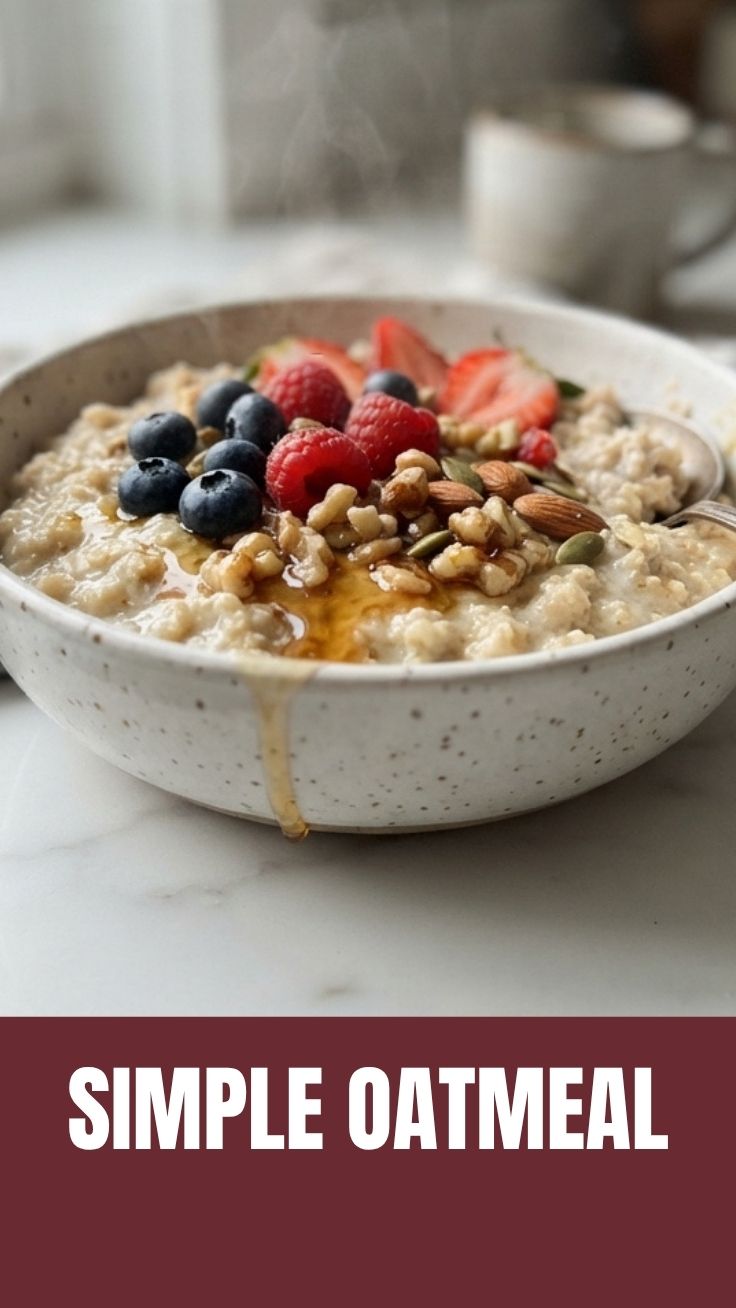
4. Rest and serve – Remove from heat, cover, and let sit 1–2 minutes. Transfer to a bowl and top with your favorite fruits, nuts, or a drizzle of syrup.
Temperature cue: Oats should be piping hot but not bubbling; a gentle simmer keeps them from scorching.
Why this works: The slow release of starch creates a creamy base without gumminess. Using Oatmeal (rolled) yields a classic breakfast, while steel-cut oats deliver a satisfyingly chewy texture that holds up well under toppings.
Nutritional Benefits & Advantages
Both rolled and steel‑cut oats are whole grains packed with soluble fiber (beta‑glucan), which helps lower cholesterol and stabilize blood sugar. A single serving provides:
– Complex carbohydrates for sustained energy.
– Protein (about 5–6 grams per cup cooked).
– Iron, magnesium, and B vitamins.
Steel‑cut oats have a slightly lower glycemic index than rolled oats, making them an excellent choice for blood‑sugar management. The fiber also promotes gut health and keeps you full longer, reducing mid‑morning cravings.
Tips, Variations & Cooking Advice
– Flavor twists: Add a pinch of cinnamon or nutmeg during cooking. For savory oatmeal, omit sweetener and top with a fried egg, avocado, and chili flakes.
– Overnight oats alternative: Combine rolled oats with milk, yogurt, and chia seeds; refrigerate 6–8 hours for a no‑cook version.
– Batch cooking: Cook a large batch of steel‑cut oats, portion into containers, and refrigerate up to 5 days. Reheat with a splash of milk.
– Dietary adaptations: Use gluten‑free oats for celiac diets; replace cow’s milk with oat or coconut milk for lactose‑free.
Common Mistakes to Avoid
– Over‑stirring: Stirring too vigorously breaks down oat starch, creating a glue‑like texture. Stir only 2–3 times per minute.
– Too much liquid: A 1:2 ratio (oats to liquid) is ideal for rolled oats. For steel‑cut oats, use 1:3. Adjust if you prefer thinner or thicker oatmeal.
– Skipping the salt: Salt doesn’t make oatmeal salty – it enhances its natural nutty flavor.
– Not resting: Allowing the oats to rest off‑heat thickens them naturally without extra cooking.
Storage & Meal Prep Tips
– Refrigeration: Store cooked oatmeal in an airtight container for up to 5 days. Add a tablespoon of water or milk before reheating to restore creaminess.
– Freezing: Portion cooled oatmeal into freezer‑safe bags or containers. Freeze for up to 3 months. Thaw overnight in the fridge and reheat on the stovetop or microwave.
– Reheating: Warm gently on the stovetop over low heat, stirring occasionally. In the microwave, heat in 30‑second bursts, stirring between intervals to avoid hot spots.
Conclusion
Mastering Oatmeal at home unlocks a world of wholesome breakfast possibilities, whether you prefer the quick comfort of rolled oats or the hearty chew of steel-cut oats. By following the simple steps above—controlling your liquid ratio, seasoning with salt, and letting the oats rest—you’ll achieve a creamy, never‑gloopy bowl every time. Experiment with toppings, try savory variations, and make a double batch for busy mornings. Oatmeal and steel-cut oats are your canvas for a nutritious, satisfying meal. Share your creations in the comments or tag us on social media—we’d love to see how you make this breakfast staple your own!
FAQs
1. Can I use quick oats instead of rolled oats?
Yes, but reduce cooking time to 1–2 minutes. Quick oats produce a softer, less textured oatmeal and are not suitable as a substitute for steel‑cut oats.
2. Why is my oatmeal too watery?
You may have used too much liquid. For rolled oats, stick to a 1:2 ratio. If already cooked, simmer uncovered for a few minutes to evaporate excess liquid.
3. How do I make oatmeal without milk?
Water works perfectly. For extra creaminess, stir in a tablespoon of nut butter or a splash of coconut milk after cooking.
4. Can I cook steel‑cut oats in a slow cooker?
Absolutely. Combine 1 cup steel‑cut oats with 4 cups water or milk and a pinch of salt. Cook on low for 6–8 hours or high for 3–4 hours. Stir before serving.
5. How do I prevent oatmeal from boiling over?
Use a pot with high sides and keep the heat at a gentle simmer. Adding a pat of butter or a drizzle of oil to the water can also reduce foaming.
Best way to grow oatmeal sprouts in just 7 days
Ingredients
Equipment
Method
- Rinse 1 cup of whole, uncooked, hull-less oatmeal groats thoroughly under cold running water.
- Place the rinsed groats in a clean glass jar and add 4 cups of fresh, cool water, ensuring the groats are fully submerged.
- After 8-12 hours of soaking, drain the water from the jar and rinse the groats thoroughly with fresh water.
- Invert the jar and place it at an angle in a bowl or on a drying rack to allow excess water to drain completely and ensure proper air circulation.
- Rinse and drain the groats twice daily, in the morning and evening, for the next 5-7 days.
- Observe the groats daily; you will see small sprouts emerging from the ends of the groats, growing longer each day.
- Once the sprouts reach about 1/2 to 1 inch in length, typically around day 7, they are ready for harvest.
- Give them a final rinse, then gently pat them dry with a clean cloth or paper towel before storing them in an airtight container in the refrigerator for up to 5 days.