The Ultimate Guide to Crispy Korean Fried Chicken at Home
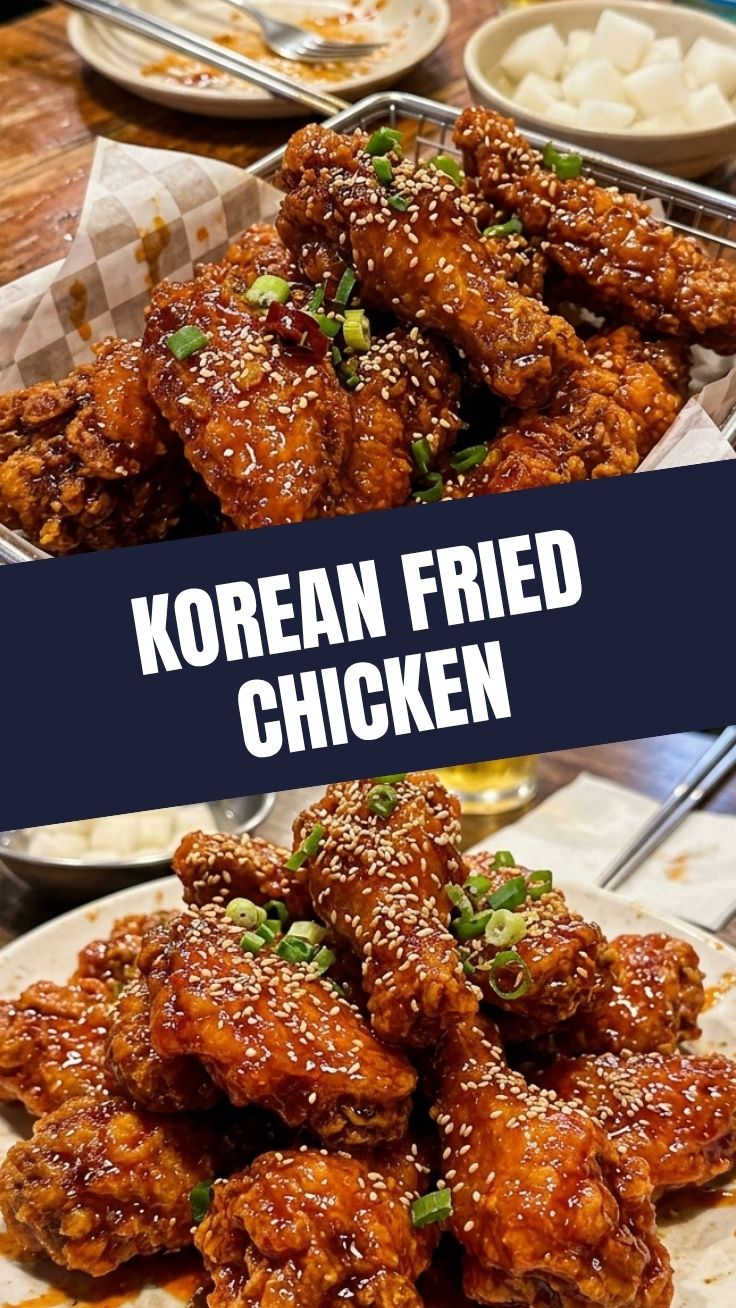
Craving that perfect crunch and sticky-sweet glaze you get from your favorite takeout spot? Imagine achieving that same restaurant-quality bite in your own kitchen—without the delivery wait or greasy aftermath. If you love Korean Fried Chicken as much as I do, you know the magic lies in the double-fry technique and that addictive gochujang-based sauce. Preparing this dish at home not only saves money but also gives you complete control over ingredients, spice levels, and oil quality. Today, we’re unlocking the secrets to golden, shatteringly crisp Korean chicken that stays crunchy even after glazing. Let’s get cooking.
—
Ingredients & Kitchen Tools
For the Chicken
– 2 lbs chicken wings or drumettes – Split into flats and drumettes for even cooking.
– 1 tablespoon salt – For initial seasoning and moisture extraction.
– 1 teaspoon black pepper – Adds subtle heat.
– 1 tablespoon garlic powder – Enhances savory depth.
– 1 tablespoon ginger powder – Cuts through richness.
For the Batter & Coating
– 1 cup cornstarch – The secret to ultra-crispy texture; potato starch also works.
– ½ cup all-purpose flour – Provides structure.
– 1 teaspoon baking powder – Creates air pockets for lightness.
– 1 large egg – Binds the batter.
– ½ cup cold water – Ice-cold water keeps batter from absorbing too much oil.
– 2 tablespoons rice wine or mirin – Tenderizes and adds subtle sweetness.
For the Sauce
– ¼ cup gochujang (Korean chili paste) – Smoky, sweet, and spicy.
– 2 tablespoons honey – Balances heat; substitute with brown sugar or agave.
– 2 tablespoons soy sauce – For umami.
– 1 tablespoon rice vinegar – Adds acidity.
– 1 tablespoon sesame oil – Nutty aroma.
– 1 teaspoon minced garlic – Fresh is best here.
– 1 teaspoon sesame seeds – Garnish.
Kitchen Tools
– Deep-fry thermometer | Large mixing bowls | Wire rack set over a baking sheet | Tongs | Whisk | Small saucepan (for sauce)
> Optional substitutions: For gluten-free, swap flour for rice flour and use tamari instead of soy sauce. For dairy-free (already dairy-free in this version).
—
Prep Time & Cooking Schedule
– Prep time: 15 minutes (washing, cutting, seasoning)
– Marinating time: 20–30 minutes (covered in fridge)
– First fry: 8–10 minutes per batch
– Resting time: 5 minutes between fries
– Second fry: 3–5 minutes per batch
– Sauce coating: 2 minutes
Total active time: ~45 minutes
Total with marinating: ~1 hour 15 minutes
Plan accordingly: you can marinate the chicken up to 4 hours ahead. The double-fry process requires two short cooking windows—perfect for prepping sides between batches.
—
Step-by-Step Instructions
1. Marinate the chicken – In a bowl, toss drumettes with salt, pepper, garlic powder, and ginger powder. Cover and refrigerate for 20 minutes. This draws out moisture, ensuring a tighter crust.
2. Prepare the batter – Whisk cornstarch, flour, baking powder, egg, cold water, and rice wine until smooth. The batter should be thin enough to drip off your finger but thick enough to coat. Add a splash more water if needed.
3. First fry (low heat) – Heat oil to 300°F (150°C) in a deep pot. Dip each piece into batter, letting excess drip off. Fry in batches (don’t crowd) for 8–10 minutes. The chicken should be pale gold and cooked through but not crispy yet. Transfer to a wire rack.
4. Rest – Let the chicken cool for 5 minutes. This step is non-negotiable—it allows starches to set, which guarantees that second-fry crunch.
5. Second fry (high heat) – Raise oil temperature to 350°F (175°C). Fry the pre-cooked pieces again for 3–5 minutes until deep golden and shatteringly crisp. This double-fry method is key to achieving that iconic Korean chicken texture.
6. Make the sauce – While chicken rests, combine gochujang, honey, soy sauce, vinegar, sesame oil, and minced garlic in a small saucepan. Simmer over low heat for 2–3 minutes, stirring constantly, until thickened.
7. Coat and serve – Toss hot fried chicken in the sauce until evenly glazed. Sprinkle with sesame seeds and serve immediately. For extra crunch, skip tossing and instead brush the sauce on right before eating.
Temperature tips: Use a thermometer for oil—too low equals greasy chicken, too high burns the coating. For a lighter version, air-fry at 375°F for 12–15 minutes, but note that the crust won’t be as audibly crisp.
—
Nutritional Benefits & Advantages
– High protein – Chicken wings provide about 20g of protein per serving, supporting muscle repair and satiety.
– Good fat profile – When fried properly in clean oil (avocado or peanut), the dish offers healthy monounsaturated fats, especially if you drain on paper towels.
– Fermented goodness – Gochujang contains beneficial probiotics from fermentation, aiding digestion.
– Vitamin B6 – Essential for brain health and energy metabolism.
– Lower sodium option – Homemade versions can cut restaurant salt by up to 40% by controlling soy sauce and seasoning.
Compared to takeout, you’re eliminating preservatives, MSG, and reused oil, making this a smarter indulge.
—
Tips Variations & Cooking Advice
– Flavor twist: Swap gochujang for soy garlic (add 3 cloves garlic and extra soy) or yangnyeom (add ketchup and sugar for sweeter heat).
– Healthier swap: Use boneless chicken thighs or cauliflower florets for a lower-calorie or vegetarian version.
– Cheese variation: Top with mozzarella and broil 1 minute for Korean-style cheese chicken.
– Extra spice: Add 1 tablespoon gochugaru (Korean chili flakes) to the sauce.
– Portion control: Halve the recipe for 2 servings, or double for a party—just fry in smaller batches.
– Dietary adaptations: Already gluten-free with rice flour; nut-free if you skip sesame seeds.
—
Common Mistakes to Avoid
– Skipping the double fry – One fry yields soggy skin. The two-stage process is essential for that shattering crunch.
– Overcrowding the pot – Cold oil temperature drops, making chicken greasy. Fry in small, single-layer batches.
– Using warm batter – Cold batter keeps coating light. Keep water and eggs chilled until mixing.
– Saucing too early – If you coat chicken before serving, it absorbs moisture. Sauce immediately before eating or serve on the side.
– Forgetting the rest – Without a 5-minute rest between fries, the crust won’t achieve maximum crispness.
—
Storage & Meal Prep Tips
– Refrigeration: Store leftover sauced chicken in an airtight container up to 3 days. Unsauced fried chicken (before coating) keeps 4 days.
– Freezing: Freeze unsauced, double-fried chicken on a tray, then transfer to a bag for up to 2 months. Thaw in fridge overnight.
– Reheating for crunch: Reheat in an air fryer at 375°F for 4–5 minutes. Oven at 400°F for 8–10 minutes on a wire rack (not baking sheet). Avoid microwaving—it turns coating rubbery.
– Sauce storage: Keep sauce separate in a jar for up to 2 weeks in the fridge.
—
Conclusion
So there you have it—a foolproof route to crispy, saucy perfection that rivals your favorite takeout. By mastering the double-fry method and layering that sweet-spicy glaze, you’ve learned exactly how to achieve the best Korean Fried Chicken at home. This Korean chicken recipe offers customizable heat, adaptable cooking methods, and real nutritional advantages over delivery. I’d love to see your golden results—snap a photo, share it on social, and tag me. Don’t forget to explore our other Asian-inspired recipes for more weeknight wins!
—
FAQs
1. Can I use chicken breast instead of wings?
Yes. Cut breasts into 1-inch chunks and reduce first fry time to 6 minutes. The texture will be leaner but still delicious.
2. Why is my coating falling off?
Your batter might be too thin, or you didn’t let excess drip off before frying. Ensure the batter is cold and clingy, and always shake off excess oil after the first fry.
3. Can I make the sauce ahead of time?
Absolutely. Store in a sealed jar in the fridge for up to 2 weeks. Reheat gently before tossing with hot chicken.
4. How do I adjust spice level for kids?
Reduce gochujang to 2 tablespoons and add 1 tablespoon ketchup or extra honey. For milder heat, use gochujang labeled “mild.”
5. What’s the best oil for frying?
Peanut or avocado oil—both have high smoke points (450°F+) and neutral flavors. Canola works too but breaks down faster.
Proven way to grow Korean Fried Chicken in 10 steps
Ingredients
Equipment
Method
- Clean and pat dry the chicken wings, then season them with salt and black pepper.
- In a bowl, mix together the all-purpose flour, corn starch, and baking powder.
- Gradually add water to the flour mixture, whisking until a smooth batter forms.
- Dip each seasoned chicken wing into the batter, ensuring it's fully coated.
- Heat a generous amount of oil in a deep pot or fryer to 350°F (175°C).
- Carefully place the battered chicken wings into the hot oil, frying in batches to avoid overcrowding.
- Fry each batch for about 6-8 minutes, or until golden brown and cooked through.
- Remove the fried chicken from the oil and place it on a wire rack to drain excess oil.
- For extra crispiness, fry the chicken a second time for 2-3 minutes until deep golden brown.
- Serve the Korean Fried Chicken immediately with your favorite sauce or dipping.