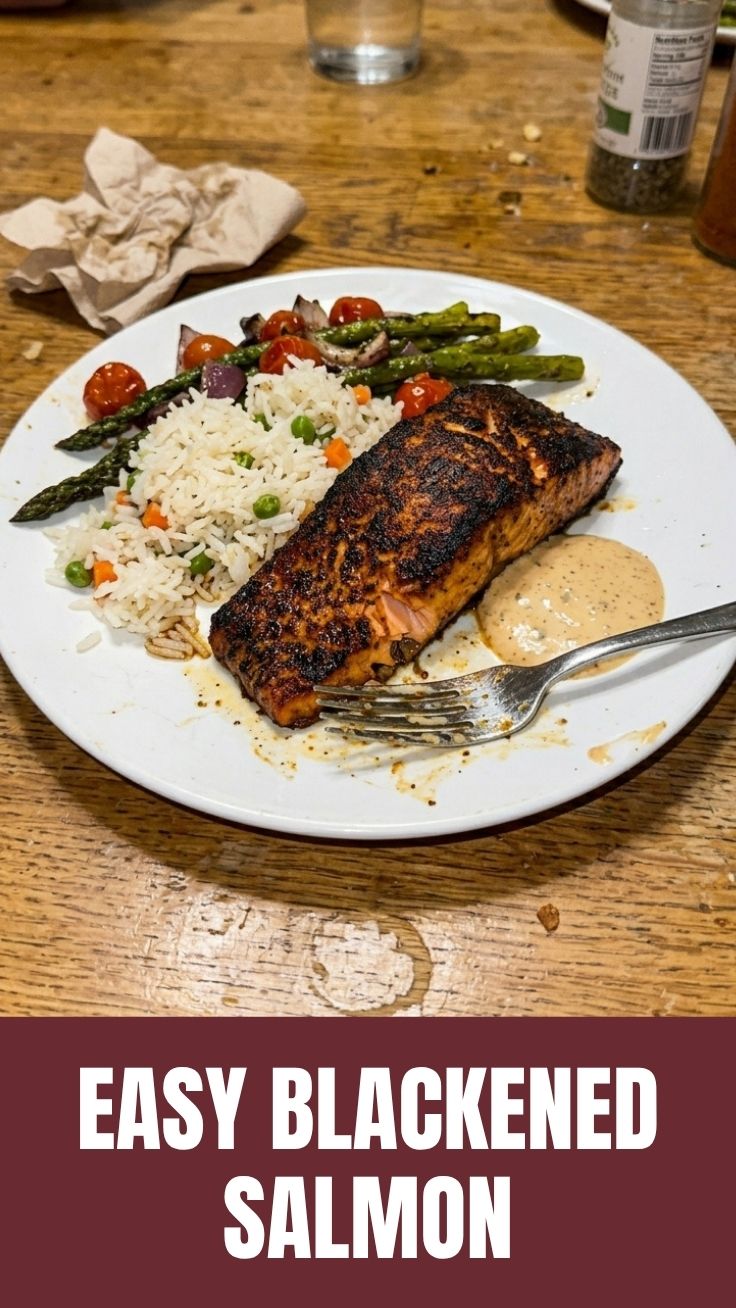
Blackened Salmon Recipe: A Bold, Smoky Delight You Can Master at Home
Have you ever wondered why restaurant-quality Blackened Salmon tastes so impossibly good—crispy, smoky, and bursting with spice? The secret isn’t a fancy grill or a celebrity chef’s touch; it’s all about technique and the right seasoning blend. Preparing this dish at home not only saves money but also gives you full control over heat, freshness, and dietary preferences. Whether you’re a seafood lover or just looking to spice up your weeknight dinner rotation, learning to make authentic Cajun Salmon in your own kitchen is a game-changer. This guide will walk you through everything from ingredients to troubleshooting, so you can serve up a perfect crust every time.
Ingredients & Kitchen Tools
Ingredients
– 4 salmon fillets (6 oz each) – skin-on or skinless; skin helps hold moisture.
– 2 tbsp unsalted butter – for the pan; substitute ghee for dairy-free.
– 1 tbsp olive oil – prevents butter from burning.
Blackening Seasoning (makes ~3 tbsp):
– 1 tbsp paprika (smoked preferred)
– 1 tsp cayenne pepper (adjust for heat)
– 1 tsp garlic powder
– 1 tsp onion powder
– 1 tsp dried oregano
– 1 tsp dried thyme
– ½ tsp salt
– ½ tsp black pepper
– ¼ tsp white pepper (optional, for floral heat)
Kitchen Tools
– Cast-iron skillet (essential for even, high heat)
– Tongs
– Paper towels (to pat salmon dry)
– Small bowl for seasoning
– Chef’s knife & cutting board
– Instant-read thermometer (optional but recommended)
Optional substitutions: Swap salmon for trout or tilapia; use avocado oil if you need a higher smoke point.
Prep Time & Cooking Schedule
– Prep time: 10 minutes (pat dry, mix seasoning, coat fillets)
– Cook time: 6–8 minutes (3–4 minutes per side)
– Resting time: 3–5 minutes (crucial for juiciness)
– Total: ~20 minutes
Planning tip: The seasoning can be made up to a week ahead. For best results, let the coated fillets sit at room temperature for 10 minutes before cooking—this helps the crust adhere and ensures even cooking.
Step-by-Step Instructions
1. Pat the salmon dry with paper towels. Moisture is the enemy of a good crust. Rub each fillet generously with the blackening seasoning on all sides.
2. Heat a cast-iron skillet over medium-high heat for 3–4 minutes. Add butter and oil; swirl until butter melts and sizzles.
3. Place fillets skin-side down if using skin-on. Cook without moving for 3–4 minutes. The crust should turn deep reddish-brown, not burnt. Adjust heat if smoking excessively.
4. Flip carefully using tongs. Cook another 2–3 minutes for medium (145°F internal temp). For extra crust, press fillet lightly with a spatula.
5. Remove from heat and let rest 3 minutes. The carryover cooking will finish the center.
Practical tip: If your kitchen fills with smoke, crack a window or turn on the exhaust—this is normal for blackening. The high heat is what creates that signature char. Remember, the key to perfect Blackened Salmon is searing hot pan and a well-seasoned crust. For a milder kick, try a Cajun Salmon variation by reducing cayenne and adding a pinch of brown sugar for sweetness.
Nutritional Benefits & Advantages
Salmon is a powerhouse of omega-3 fatty acids (EPA and DHA), which support heart health, reduce inflammation, and boost brain function. A single 6 oz serving provides about 40g of protein and is rich in vitamin D, B12, and selenium. Blackening requires minimal oil (just 1–2 tbsp per batch), making it a low-carb, keto-friendly, and gluten-free option. The spice blend adds antioxidants from paprika and oregano without added sugar or preservatives—far healthier than store-bought Cajun mixes.
Tips, Variations & Cooking Advice
– Flavor variations: Add a tablespoon of lemon zest to the seasoning for brightness; or finish with a squeeze of lime after cooking.
– Ingredient swaps: Use coconut oil or clarified butter for a dairy-free version. For a smokier taste, replace half the paprika with chipotle powder.
– Alternative methods: Grill over high direct heat (same timing), or bake at 450°F for 10–12 minutes if you prefer less smoke—but you’ll miss the crust.
– Dietary adaptations: This recipe is naturally gluten-free, low-carb, and can be made dairy-free by using vegan butter or oil only.
– Portion changes: For larger fillets (8+ oz), increase cook time by 1–2 minutes per side; always check temperature.
Common Mistakes to Avoid
– Overcrowding the pan: Crowding lowers the pan temperature and steams the salmon. Cook in batches if needed.
– Skipping the dry pat: Any moisture will prevent the crust from forming. Pat until the surface feels tacky.
– Using low heat: Blackening relies on high heat. If the pan isn’t hot enough, the spice will burn before the fish cooks.
– Flipping too early: The crust needs time to set. If it sticks, let it cook another 30 seconds before trying again.
– Overcooking: Salmon continues to cook off heat. Remove at 140°F for medium; it will reach 145°F while resting.
Storage & Meal Prep Tips
– Refrigeration: Store leftover cooked salmon in an airtight container for up to 3 days. Keep skin on to retain moisture.
– Freezing: Cooked fillets freeze well for up to 2 months. Wrap individually in plastic wrap then foil. Thaw overnight in the fridge.
– Reheating: For best texture, reheat in a skillet over medium-low heat with a splash of water (cover with lid) for 3–4 minutes. Avoid microwave—it makes the crust soggy.
– Meal prep: Make a double batch of seasoning and store in a jar. Pre-season fillets the night before to save time.
Conclusion
Mastering Blackened Salmon at home is easier than you think—and the payoff is a restaurant-quality meal in under 20 minutes. With a crisp, flavorful crust and tender, flaky fish, this recipe proves that bold spices and a hot pan can transform simple ingredients into something extraordinary. Whether you stick with the classic rub or experiment with a sweeter Cajun Salmon twist, you’ll have a versatile dish that fits busy weeknights, special dinners, or meal prep. Give it a try, and don’t forget to share your results—tag a friend who loves spicy seafood!
FAQs
1. Can I use frozen salmon for blackening?
Yes, but thaw completely in the refrigerator overnight and pat extremely dry. Frozen fish releases more moisture, which can hinder crust formation.
2. How do I know when the salmon is done without a thermometer?
Look for flakes when gently pressed with a fork, and a slight opacity in the center. The crust should be dark brown, not black.
3. What if my seasoning tastes too spicy?
Reduce cayenne to ½ tsp and add ½ tsp smoked paprika for color. You can also serve with a cooling side like cucumber yogurt sauce.
4. Can I make this without a cast-iron skillet?
Yes, use a stainless steel or heavy nonstick pan that can withstand high heat. Avoid thin nonstick pans—they may warp.
5. How long does the seasoning last?
Store in an airtight container in a cool, dark place for up to 6 months. The spices will lose potency over time, so double the cayenne after 3 months.
Proven way to grow a perfect Blackened Salmon meal
Ingredients
Equipment
Method
- In a small bowl, combine smoked paprika, garlic powder, onion powder, dried oregano, dried thyme, salt, black pepper, and cayenne pepper. Mix well.
- Pat salmon fillets dry with paper towels, then rub each generously with olive oil and sprinkle the blackened seasoning mixture evenly over both sides, pressing gently to adhere.
- Heat a large cast-iron skillet over medium-high heat for 3-5 minutes until very hot. Place salmon fillets skin-side down and cook for 4-6 minutes per side, or until opaque and flaky, with a crispy skin and a dark, flavorful crust.
- Preheat oven to 400°F (200°C). On a baking sheet, toss trimmed asparagus with olive oil, minced garlic, salt, and black pepper. Roast for 10-12 minutes, or until tender-crisp, then squeeze fresh lemon juice over it.
- Place peeled and quartered potatoes in a large pot, cover with cold water, add a pinch of salt, and bring to a boil. Cook for 15-20 minutes, or until fork-tender, then drain well.
- Return drained potatoes to the pot, add butter and warm milk, then mash with a potato masher or fork until smooth and creamy. Season with salt and black pepper to taste.
- Divide creamy mashed potatoes among plates, top with a blackened salmon fillet and a generous serving of lemon-garlic asparagus, and serve immediately.