The Ultimate Guide to Perfect Chicken Piccata: A Classic Italian Recipe Made Easy
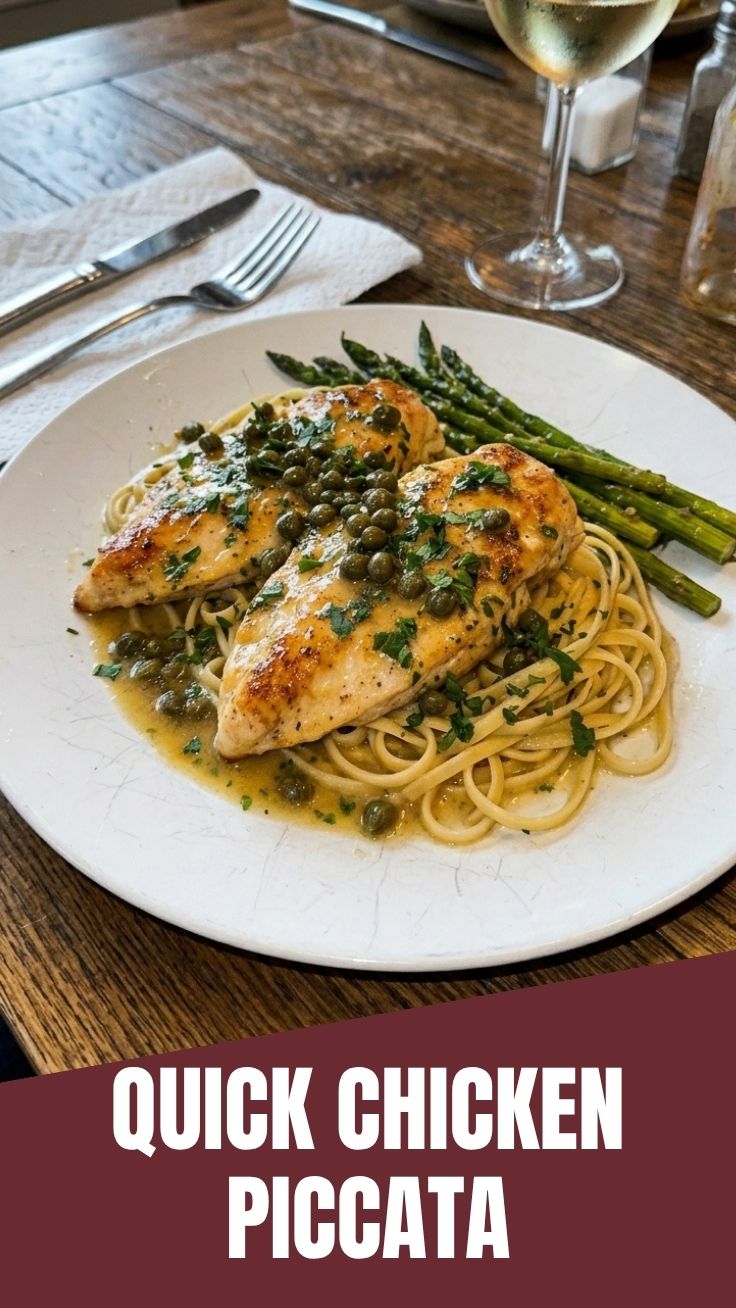
Have you ever craved a restaurant-quality Italian dish that bursts with bright, tangy flavors, yet seems intimidating to recreate at home? Imagine tender chicken breasts bathed in a luscious lemon-butter sauce, studded with briny capers and finished with a sprinkle of fresh parsley. This is the magic of Chicken Piccata, a beloved staple of Italian recipes that proves elegant cooking doesn’t have to be complicated. Preparing this dish at home not only saves you money but also gives you full control over ingredients, ensuring every bite is fresh, wholesome, and tailored to your taste.
In this data-driven guide, you’ll learn the science behind the perfect piccata—from searing techniques to sauce emulsion—along with practical tips for consistent results. Let’s dive into this timeless Mediterranean classic.
Ingredients & Kitchen Tools
Essential Ingredients
– 4 boneless, skinless chicken breasts (about 1.5 lbs) – Pound to even thickness (½ inch) for uniform cooking.
– ½ cup all-purpose flour – For dredging; creates a golden crust and thickens the sauce.
– 2 tbsp olive oil – Use extra virgin for flavor; avocado oil works for higher smoke point.
– 3 tbsp unsalted butter – Divided; 1 tbsp for searing, 2 tbsp for finishing the sauce.
– ½ cup dry white wine – Sauvignon Blanc or Pinot Grigio; substitutes: low-sodium chicken broth plus 1 tsp lemon juice.
– ½ cup low-sodium chicken broth – Homemade preferred for depth.
– ¼ cup fresh lemon juice – About 2 lemons; never use bottled.
– 2 tbsp capers, drained – Pickled nasturtium buds; rinse if salt-packed.
– ¼ cup fresh parsley, chopped – Flat-leaf Italian parsley is ideal.
– Salt and black pepper – To taste; flaky sea salt for finishing.
Kitchen Tools
– Meat mallet or rolling pin – For pounding chicken to even thickness.
– Large skillet – 12-inch stainless steel or nonstick; cast iron works but watch temperature.
– Tongs – For flipping chicken and stirring sauce.
– Whisk – Helps emulsify butter into sauce.
– Microplane or zester – Optional for lemon zest garnish.
– Paper towels – Pat chicken dry before dredging.
Prep Time & Cooking Schedule
– Prep Time: 15 minutes (trimming, pounding, measuring).
– Cook Time: 15 minutes (searing + sauce).
– Total Time: 30 minutes.
– Resting: 5 minutes after cooking for juices to redistribute.
> Planning Tip: Pound chicken while the skillet heats. Have all ingredients measured and ready—this dish moves fast once you start searing. The sauce takes only 3–4 minutes after deglazing.
Step-by-Step Instructions
1. Prepare the Chicken
Place chicken breasts between two sheets of plastic wrap. Pound to ½-inch thickness using a meat mallet or heavy skillet. Season both sides generously with salt and pepper.
2. Dredge and Sear
Spread flour on a shallow plate. Lightly dredge each chicken piece, shaking off excess. Heat 1 tbsp butter and 2 tbsp olive oil in the skillet over medium-high heat until shimmering. Cook chicken in a single batch (work in two batches if needed) for 3–4 minutes per side until golden brown and internal temperature reaches 165°F. Transfer to a plate and tent with foil.
3. Build the Sauce
Reduce heat to medium. Add wine to the skillet, scraping up browned bits (deglazing). Simmer 1 minute until reduced by half. Add chicken broth, lemon juice, and Chicken Piccata capers. Simmer 2 minutes—the sauce should reduce and slightly thicken.
4. Finish and Serve
Remove skillet from heat. Whisk in remaining 2 tbsp cold butter until melted and glossy—this creates a rich emulsion. Return chicken to the skillet, spooning sauce over each piece. Garnish with parsley. Serve immediately over pasta, rice, or with crusty bread to soak up every drop. This technique is a hallmark of classic Italian recipes celebrated for balancing acidity with richness.
Nutritional Benefits & Advantages
This dish is naturally low-carb (6g net carbs per serving with no pasta) and high-protein (38g). Key benefits:
– Chicken breasts are lean protein (284 calories per serving) supporting muscle repair and satiety.
– Lemon juice provides 31% DV of vitamin C per tbsp, boosting immunity and iron absorption.
– Capers are rich in quercetin (antioxidant) and rutin, supporting heart health.
– Olive oil delivers monounsaturated fats (73% of total fat) linked to reduced inflammation.
Compared to restaurant versions, homemade Chicken Piccata saves 40–50% of sodium while increasing vitamin content by using fresh ingredients.
Tips Variations & Cooking Advice
Flavor Variations
– Garlic Piccata: Add 3 minced garlic cloves after deglazing.
– Herb-Infused: Stir in 1 tsp fresh thyme or rosemary with the butter.
– Spicy Kick: Add ¼ tsp red pepper flakes with capers.
Ingredient Swaps
– Gluten-free: Use almond flour or cornstarch for dredging.
– Dairy-free: Replace butter with ghee or dairy-free butter sticks (e.g., Miyoko’s).
– Vegetarian: Substitute chicken with ½-inch thick cauliflower steaks or seared tofu (pressed first).
Cooking Methods
– Oven method: Sear chicken on stovetop, then bake at 375°F for 10 minutes before making sauce.
– Meal prep: Prepare sauce separately and store; combine when reheating to preserve texture.
Common Mistakes to Avoid
| Mistake | Solution |
|———|———-|
| Overcooking chicken | Use instant-read thermometer; remove at 160°F (carryover cooking hits 165°F). |
| Sauce breaking | Add cold butter off-heat; whisk vigorously. If broken, add 1 tsp warm water and whisk. |
| Flour clumps | Shake excess flour vigorously; too much creates pasty sauce. |
| Sauce too sour | Add ½ tsp sugar or whisk in 1 tbsp cold butter to balance acidity. |
| Capers dominate | Rinse salt-packed capers; for brined, use half the amount if sensitive to salt. |
Storage & Meal Prep Tips
– Refrigeration: Store in an airtight container for up to 4 days. Separate chicken from sauce to prevent sogginess.
– Freezing: Cook without sauce; freeze chicken pieces between parchment for up to 3 months. Make sauce fresh when ready to serve.
– Reheating: Reheat sauce in a skillet over low heat; add 1 tbsp water if too thick. Reheat chicken separately in a 300°F oven for 8–10 minutes, then combine.
– Texture preservation: Never microwave—it toughens chicken and breaks the sauce emulsion.
Conclusion
Mastering Chicken Piccata at home transforms a restaurant indulgence into an accessible, healthy weeknight dinner. With this recipe, you’ve learned the secrets to a perfectly seared crust, a silky lemon-caper sauce, and foolproof techniques that ensure consistent results every time. Whether you’re exploring classic Italian recipes or seeking a quick, impressive dish for guests, this piccata delivers bold flavors with minimal effort. Try it tonight, share your photo on social media, and tag us—we’d love to see your golden, sauce-drenched creation!
FAQs
1. Can I use chicken thighs instead of breasts?
Yes! Boneless, skinless thighs work beautifully. Adjust cooking time to 4–5 minutes per side (internal temp 175°F). They stay juicier but have more fat.
2. My sauce turned out watery. How do I fix it?
Simmer sauce for 2–3 extra minutes without the chicken to reduce. Alternatively, whisk 1 tsp cornstarch with 1 tbsp cold water, then stir in.
3. What wine substitutes work best if I don’t drink alcohol?
Use equal parts low-sodium chicken broth plus 1 tbsp white wine vinegar or apple cider vinegar for acidity.
4. Can I prepare this gluten-free?
Absolutely. Use rice flour, almond flour, or a 50/50 blend of cornstarch and chickpea flour for dredging. Avoid xanthan gum blends—they become gummy.
5. How do I prevent the butter from separating when reheating?
Reheat the sauce alone over low heat, whisking constantly. If breaking, add 1–2 tsp cold water and whisk off-heat until smooth. Add chicken last.
Proven way to grow: Chicken Piccata in 5 steps
Ingredients
Equipment
Method
- Pound chicken breasts to a consistent thickness then season with salt and pepper.
- Dredge the chicken in flour, shaking off any excess.
- Heat olive oil and butter in a large skillet over medium-high heat, then pan-fry chicken until golden brown and cooked through, about 3-4 minutes per side.
- Remove chicken and keep warm.
- Deglaze the pan with chicken broth and lemon juice, then stir in capers and fresh parsley to create the sauce.
- Serve the chicken with the lemon-caper sauce spooned over the top.