The Ultimate Guide to Perfect Cornbread Dressing
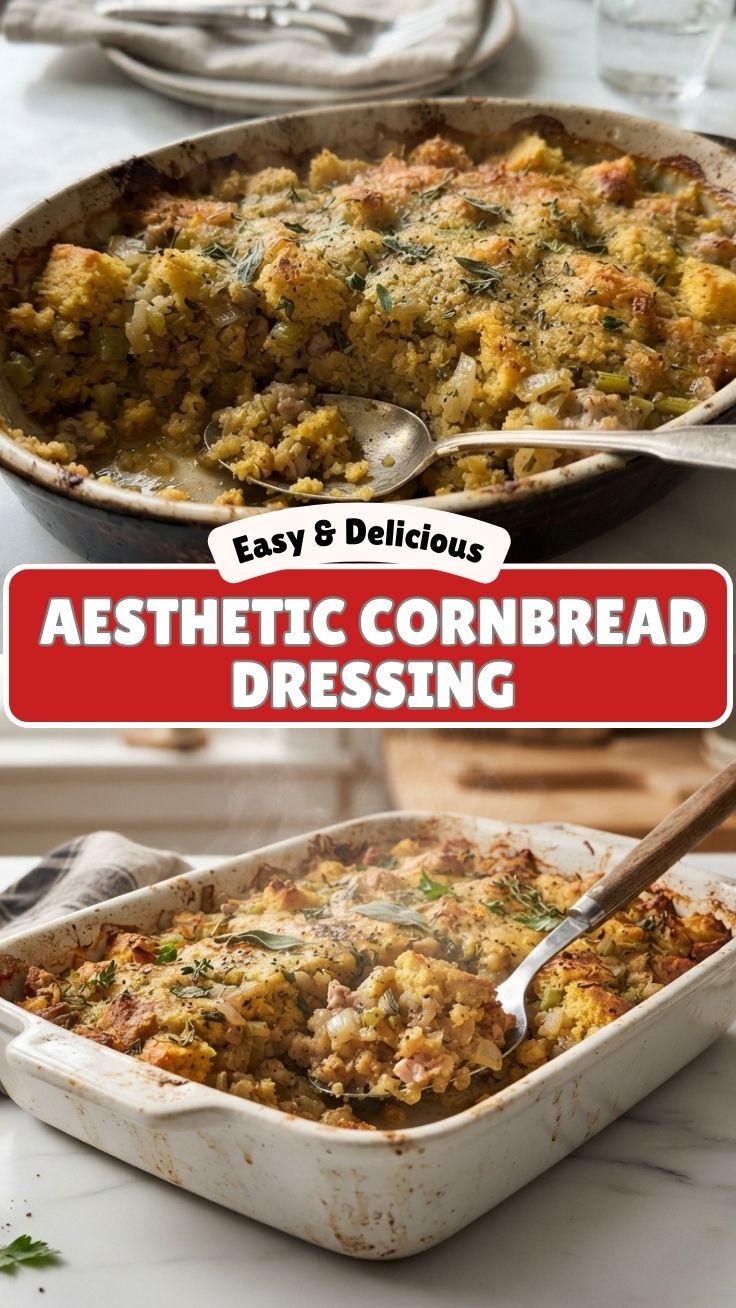
Have you ever wondered why some holiday side dishes disappear within minutes while others linger untouched? The secret often lies in mastering the balance between moisture and structure. If you’ve been searching for the definitive side dish that captures the soul of Southern cooking, look no further than Cornbread Dressing. Preparing this iconic recipe at home allows you to control every element—from the texture of the bread base to the aromatic blend of herbs—ensuring a fresher, more flavorful result than any boxed mix could ever deliver. This homemade approach not only saves money but also fills your kitchen with an irresistible, comforting aroma that pre-made versions simply cannot replicate. The foundation of this dish relies on authentic Southern cornbread, which provides the signature crumbly yet sturdy texture essential for absorbing savory broth.
Ingredients & Kitchen Tools
For the Cornbread Base
– 1 recipe of Southern cornbread (crumbled, preferably day-old for optimal dryness)
– Yellow cornmeal (stone-ground works best for texture)
– All-purpose flour (optional for lighter crumb)
– Buttermilk (adds tang and tenderness)
– Large eggs (binder for structure)
– Baking powder & baking soda (leavening agents)
– Salt (enhances overall flavor)
– Unsalted butter (for richness)
For the Dressing Mixture
– 1 large yellow onion (finely diced)
– 3-4 celery stalks (chopped small)
– 4-6 tablespoons unsalted butter (for sautéing aromatics)
– 4 cups low-sodium chicken or turkey broth (adjust for desired moisture)
– 2 large eggs (lightly beaten, for binding)
– 1 tablespoon fresh sage (or 1½ teaspoons dried)
– 1½ teaspoons fresh thyme leaves (or ¾ teaspoon dried)
– 1 teaspoon poultry seasoning (optional but recommended)
– Kosher salt and freshly ground black pepper (to taste)
Kitchen Tools
– 9×13-inch baking dish (glass or ceramic preferred)
– Large mixing bowl (for combining ingredients)
– Medium skillet (for sautéing vegetables)
– Whisk (for eggs and broth)
– Spatula or wooden spoon (for gentle mixing)
– Measuring cups and spoons
– Chef’s knife and cutting board
Optional Substitutions
– Gluten-free: Replace all-purpose flour with gluten-free 1:1 blend; use certified gluten-free cornmeal
– Dairy-free: Substitute butter with vegan butter or olive oil; use unsweetened almond milk with 1 tablespoon vinegar for buttermilk
– Vegetable broth: Use instead of chicken broth for vegetarian version
Prep Time & Cooking Schedule
| Stage | Time | Notes |
|——-|——|——-|
| Cornbread baking (if making from scratch) | 25-30 minutes | Bake day before for best results |
| Cornbread cooling & drying | 8-24 hours | Spread on baking sheet uncovered |
| Vegetable prep & sautéing | 15-20 minutes | Dice uniformly for even cooking |
| Mixing & assembling | 10 minutes | Gently combine to avoid dense texture |
| Baking time | 35-45 minutes | Until golden brown and set in center |
| Resting time | 10-15 minutes | Essential for sliceability |
Planning tip: Bake your cornbread the day before. Crumble it onto a large baking sheet and leave it uncovered overnight. This drying step is crucial—day-old, slightly stale cornbread absorbs broth without turning mushy. Fresh cornbread will result in a denser, pastier dressing.
Step-by-Step Instructions
1. Prepare your foundation – If using freshly baked Southern cornbread, allow it to cool completely, then crumble into coarse pieces. For day-old cornbread, simply break into uneven chunks ranging from pea-sized to marble-sized. Spread crumbles on a baking sheet and let them dry further while you prepare other ingredients.
2. Sauté the aromatics – In a large skillet over medium heat, melt 4 tablespoons of butter. Add diced onion and celery, stirring frequently. Cook for 8-10 minutes until softened and translucent but not browned. The goal is to release their natural sweetness without caramelizing, which would alter the dressing’s delicate flavor profile.
3. Combine dry ingredients – In your largest mixing bowl, place the crumbled cornbread. Add the sautéed vegetables, fresh sage, thyme, poultry seasoning (if using), 1 teaspoon salt, and ½ teaspoon black pepper. Toss gently with your hands or a spatula to distribute evenly without crushing the cornbread.
4. Prepare the liquid mixture – In a separate bowl, whisk together the beaten eggs and chicken broth until fully combined. The eggs provide structure while the broth delivers moisture and savory depth. For moister dressing, use up to 4 cups broth; for drier dressing, start with 3 cups.
5. Combine wet and dry – Pour the broth-egg mixture over the cornbread mixture. Fold gently with a spatula, taking care not to overmix. The consistency should resemble thick oatmeal—moist but not soupy. Let the mixture rest for 5 minutes to allow the cornbread to absorb the liquid. After resting, check consistency; add more broth if needed.
6. Transfer and bake – Preheat your oven to 375°F (190°C). Grease a 9×13-inch baking dish with butter or nonstick spray. Spread the dressing mixture evenly in the dish. Dot the top with remaining 2 tablespoons of butter cut into small pieces. This creates a golden, crispy top layer.
7. Bake to perfection – Place the dish in the preheated oven and bake for 35-45 minutes. The dressing is ready when the top is golden brown and slightly crisp around the edges. A knife inserted into the center should come out clean. The internal temperature should reach 165°F (74°C).
8. Rest and serve – Allow the dressing to rest for 10-15 minutes before serving. This resting period allows the structure to set, making it easier to scoop or slice without falling apart. The flavors also continue to meld during this time, resulting in a more cohesive dish.
Pro tip: For extra texture and flavor, toast the crumbled cornbread in a 350°F oven for 10 minutes before mixing. This deepens the nutty corn flavor and ensures the dressing holds its structure during baking.
Nutritional Benefits & Advantages
This Cornbread Dressing offers more than just comfort—it provides genuine nutritional value when prepared thoughtfully. Cornmeal, the primary ingredient, is naturally gluten-free (ensure certified if sensitive) and provides complex carbohydrates for sustained energy. It contains B vitamins, particularly niacin and thiamine, which support metabolism and nervous system function.
The celery and onion in this recipe contribute dietary fiber, vitamin K, and antioxidants. Celery is also a good source of potassium and folate. When you use homemade broth (especially bone broth), you add collagen, gelatin, and minerals that support joint health and digestion. The eggs provide high-quality protein and choline, essential for brain health.
Compared to traditional stuffing made with white bread, cornbread dressing typically contains less refined flour and more whole-grain cornmeal. The moderate fat content from butter helps with absorption of fat-soluble vitamins from vegetables. For a lighter version, reduce butter by half and use olive oil for its heart-healthy monounsaturated fats.
Tips, Variations & Cooking Advice
Flavor Variations
– Southern classic: Add ½ pound cooked and crumbled breakfast sausage to the vegetable mixture
– Herb-forward: Double the fresh sage and add 2 tablespoons fresh parsley
– Smoky depth: Incorporate 1 teaspoon smoked paprika and replace half the butter with bacon fat
– Apple-pecan: Fold in 1 diced Granny Smith apple and ½ cup toasted pecans
Dietary Adaptations
– Gluten-free version: Use only stone-ground cornmeal (check label for cross-contamination), replace all-purpose flour with almond flour or gluten-free blend, and ensure broth is gluten-free
– Dairy-free version: Substitute vegan butter or olive oil for butter, use unsweetened oat milk with 1 tablespoon lemon juice for buttermilk
– Lower sodium: Use unsalted butter, low-sodium broth, and reduce added salt to ½ teaspoon; rely on herbs for flavor
Cooking Method Alternatives
– Slow cooker method: Prepare mixture as directed, transfer to greased slow cooker, and cook on low for 3-4 hours or high for 1½-2 hours. Remove lid for last 30 minutes to crisp top
– Stuffed turkey variation: Prepare dressing with slightly less liquid (3 cups broth) and use to stuff turkey cavity; always check internal temperature reaches 165°F
– Individual servings: Divide mixture among greased muffin tins for perfectly portioned dressing cups; bake 20-25 minutes
Texture Adjustments
– Moister dressing: Increase broth to 4½ cups and cover baking dish with foil for first 25 minutes
– Drier, crispier dressing: Reduce broth to 3 cups, bake uncovered entire time, and broil 2-3 minutes at end
– Lighter texture: Separate egg whites from yolks; beat whites to stiff peaks and fold in gently after combining other ingredients
Common Mistakes to Avoid
Mistake #1: Using fresh cornbread – Fresh cornbread contains too much moisture and will result in dense, pasty dressing. Always use day-old or thoroughly dried cornbread. If you’re short on time, spread crumbled fresh cornbread on a baking sheet and bake at 300°F for 15-20 minutes to accelerate drying.
Mistake #2: Overmixing the batter – Stirring too vigorously breaks down the cornbread structure, creating a glue-like texture. Fold gently just until combined. Some lumps are desirable—they create pockets of different textures in the finished dish.
Mistake #3: Skipping the resting period – The dressing needs 5-10 minutes after adding liquid to absorb properly. Without this rest, you’ll either have dry spots or uneven moisture distribution. After resting, check consistency and adjust with more broth if needed.
Mistake #4: Overcooking or undercooking – Dressing that’s baked too long becomes dry and crumbly; undercooked dressing remains soupy in the center. Use an instant-read thermometer for precision: 165°F in the center guarantees food safety and proper texture.
Mistake #5: Forgetting to season properly – Cornbread dressing requires more salt than you might expect because the cornbread base is neutral. Taste the mixture before baking (raw eggs won’t hurt in small amounts) and adjust seasoning. Underseasoned dressing tastes flat no matter how good the texture.
Storage & Meal Prep Tips
Refrigeration
Store leftover dressing in an airtight container in the refrigerator for up to 4 days. Allow it to cool completely before covering to prevent condensation, which can make the top soggy. For best texture, place a paper towel inside the container to absorb excess moisture.
Freezing
Cornbread dressing freezes exceptionally well. Portion into freezer-safe containers or zip-top bags, removing as much air as possible. Freeze for up to 3 months. For best results, freeze before baking: prepare the mixture, transfer to a freezer-safe baking dish, wrap tightly with plastic wrap and foil, and freeze. Thaw overnight in the refrigerator before baking as directed.
Reheating Guidelines
– Oven method (preferred): Preheat to 350°F, place dressing in a covered baking dish with 2-3 tablespoons broth drizzled over top, heat for 15-20 minutes until warmed through. Remove cover for last 5 minutes to re-crisp the top
– Microwave method: Place individual portions on a microwave-safe plate, cover with a damp paper towel, and heat in 30-second intervals. This works but may result in softer texture
– Air fryer method: For crispy leftovers, reheat in an air fryer at 350°F for 5-7 minutes, shaking halfway through
Meal Prep Tips
Bake the cornbread and crumble it up to 3 days in advance. Store crumbles in an airtight container at room temperature. You can also sauté the vegetables up to 2 days ahead and refrigerate. On the day of serving, simply combine all ingredients, transfer to baking dish, and bake. This makes holiday cooking significantly less stressful.
Conclusion
Mastering Cornbread Dressing at home elevates your holiday table with a dish that’s deeply flavorful, perfectly textured, and entirely your own. The key lies in using properly dried Southern cornbread as your foundation, balancing moisture with structure, and allowing those aromatic herbs and vegetables to shine through every bite. Whether you’re preparing for Thanksgiving, Christmas, or a Sunday family dinner, this recipe delivers consistent, crowd-pleasing results. The beauty of homemade dressing is its flexibility—adjust the herbs, swap in different proteins, or adapt it to dietary needs without sacrificing flavor. I encourage you to try this recipe, share your results with friends and family, and explore other comforting side dishes that celebrate seasonal ingredients and time-honored techniques.
FAQs
Q: Can I use store-bought cornbread instead of making my own?
A: Yes, but choose a dry, crumbly style rather than cake-like sweet cornbread. Look for bakery-style cornbread that’s less sweet. You’ll need approximately 8-9 cups of crumbled cornbread. Be aware that commercial cornbread often contains more sugar and fat, which may affect the final texture and require slight moisture adjustments.
Q: My dressing turned out too dry. Can I fix it?
A: If it’s already baked, drizzle warm broth or turkey gravy over individual servings and let it sit for a few minutes before serving. For future batches, increase the broth by ½ cup and reduce baking time by 5 minutes. Always test for doneness by inserting a knife into the center—if it comes out clean but the dressing seems dry, add a bit more liquid next time.
Q: What’s the difference between dressing and stuffing?
A: The terms are often used interchangeably, but technically dressing is baked separately in a dish while stuffing is cooked inside the turkey cavity. Both use similar ingredients, but dressing tends to have a crisper top and lighter texture because it’s not absorbing turkey juices during cooking. Dressing is also safer from a food safety perspective since it doesn’t need to reach 165°F inside a bird.
Q: Can I make this recipe completely ahead of time?
A: Absolutely. Assemble the dressing completely (do not bake), cover tightly, and refrigerate for up to 24 hours. When ready to serve, add 10-15 minutes to the baking time since you’re starting from cold. You can also freeze unbaked dressing for up to 3 months—thaw overnight in the refrigerator before baking.
Q: My dressing came out too mushy. What went wrong?
A: Overmixing is the most common cause. When you stir vigorously, the cornbread breaks down into a paste-like consistency. Also, check that your cornbread was properly dried—day-old cornbread that’s been exposed to air absorbs liquid without disintegrating. Finally, ensure you’re using the correct ratio of liquid. Start with less broth and add more gradually after the resting period.