The Ultimate Guide to Perfectly Creamy Homemade Alfredo
Have you ever wondered why some homemade pasta dishes taste like they came straight from a Roman trattoria while others fall flat? The secret often lies in balancing simple, high-quality ingredients with proper technique. Mastering a classic like Fettuccine Alfredo at home not only saves you a trip to the restaurant but also lets you control the creaminess and richness to your exact preference. While many adore the silky, cheese-laden comfort of Fettuccine Alfredo, its cousin, Pasta Carbonara, offers a savory, egg-based alternative. Preparing these dishes from scratch is incredibly valuable because it transforms a simple weeknight meal into a culinary experience. This guide will walk you through every step to ensure your sauce is perfectly creamy every time.
Ingredients & Kitchen Tools
For the Pasta:
– 12 oz fettuccine pasta – Fresh or dried both work, but fresh cooks faster and absorbs sauce better.
– Salt – Use coarse sea salt for pasta water; it seasons the noodles from within.
For the Alfredo Sauce:
– ½ cup unsalted butter – Quality butter is non-negotiable. European-style butter adds extra richness.
– 1½ cups heavy cream – Full-fat cream ensures a velvety texture. Avoid half-and-half; it may curdle.
– 1½ cups freshly grated Parmesan cheese – Pre-shredded cheese contains anti-caking agents that prevent smooth melting. Always grate your own.
– 2 cloves garlic, minced – Optional but adds gentle depth.
– ¼ teaspoon freshly ground black pepper – Coarse grind adds texture.
– Pinch of nutmeg – A classic secret ingredient that enhances the dairy notes.
Kitchen Tools:
– Large pot (6–8 quarts) for boiling pasta
– Colander
– Large skillet or sauté pan
– Wooden spoon or silicone spatula
– Microplane or box grater
– Measuring cups and spoons
– Ladle for pasta water
Optional Substitutions:
– Gluten-free – Use brown rice or chickpea fettuccine; adjust cooking time as needed.
– Dairy-free – Use vegan butter, coconut cream, and nutritional yeast for a cheesy flavor.
– Low-fat – Substitute half the cream with whole milk, but expect a thinner sauce.
Prep Time & Cooking Schedule
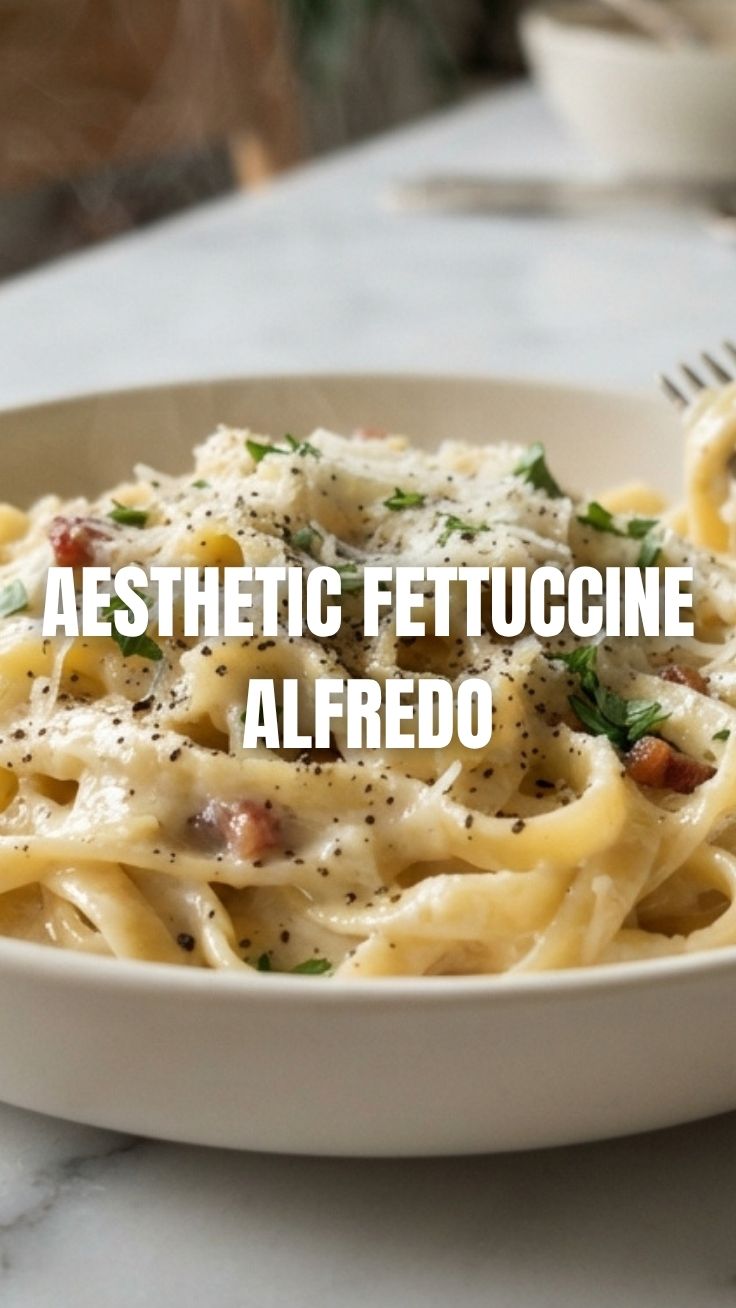
Planning your time is crucial since this dish comes together in under 30 minutes. You’ll need to multitask the pasta and sauce.
| Stage | Time | Notes |
|——-|——|——-|
| Prep Time | 10 minutes | Grate cheese, mince garlic, measure ingredients. |
| Cook Time | 15 minutes | Pasta cooks in 8–12 minutes; sauce takes 5–7 minutes. |
| Resting Time | 2 minutes | Let the sauce rest off heat before serving to thicken. |
| Total Time | 25–27 minutes | Have all ingredients ready before you start cooking. |
Context for Planning: Because the sauce thickens rapidly and can separate if overheated, you should start boiling the pasta first. While the pasta cooks, prepare the sauce so both finish simultaneously. This prevents the noodles from sitting and clumping.
Step-by-Step Instructions
1. Bring a large pot of salted water to a rolling boil. Use about 1 tablespoon of salt per 4 quarts of water. The water should taste like the sea—this is your only chance to season the pasta itself.
2. Add the fettuccine and cook according to package directions until al dente. Stir occasionally to prevent sticking. Fresh fettuccine needs only 2–3 minutes; dried takes 8–12 minutes. Reserve 1 cup of pasta water before draining. This starchy water is liquid gold for adjusting sauce consistency.
3. While the pasta cooks, melt the butter in a large skillet over medium heat. Once the butter foams, add the minced garlic and sauté for 30 seconds until fragrant. Do not let the garlic brown, as it will turn bitter.
4. Pour in the heavy cream and bring to a gentle simmer. Reduce the heat to low. You want small bubbles around the edges, not a vigorous boil. Temperature control is critical here—high heat will cause the cream to separate from the fat, resulting in a greasy, grainy sauce.
5. Gradually whisk in the grated Parmesan cheese. Add it in small handfuls, stirring constantly until each addition melts completely before adding the next. This prevents clumping. The key to a perfect Fettuccine Alfredo is patience and low heat. Similarly, when making a Pasta Carbonara, you must temper the eggs slowly to avoid scrambling, so the same gentle approach applies here.
6. Season with black pepper and a pinch of nutmeg. Taste and adjust salt only if needed—the Parmesan and pasta water are already salty.
7. Add the drained pasta directly to the sauce. Toss with tongs for 1–2 minutes, allowing the sauce to coat every strand. If the sauce seems too thick, add reserved pasta water 1 tablespoon at a time until it reaches a silky, flowing consistency. Texture cue: The sauce should cling to the pasta but still slide off when you lift a forkful.
8. Serve immediately in warmed bowls. Top with extra grated Parmesan and a crack of black pepper. The sauce will continue to thicken as it cools, so serve promptly.
Nutritional Benefits & Advantages
This dish delivers more than indulgence. A single serving of Fettuccine Alfredo provides a substantial amount of calcium from the Parmesan cheese, supporting bone health. The butter and cream supply fat-soluble vitamins A, D, and E, which aid nutrient absorption. While it’s not a low-calorie meal, the high-fat content promotes satiety, meaning you’ll feel satisfied with a smaller portion compared to many other pasta dishes.
The Pasta Carbonara technique of using egg yolks offers a different nutritional profile—rich in choline for brain function and protein for muscle repair. Both dishes demonstrate how simple, whole ingredients can create a balanced meal when paired with a side salad or steamed vegetables. Opting for homemade versions also avoids the preservatives and stabilizers found in jarred sauces.
Tips, Variations & Cooking Advice
Flavor Variations:
– Lemon Alfredo – Add 1 teaspoon lemon zest and 1 tablespoon lemon juice after removing from heat.
– Herb-Infused – Stir in ¼ cup fresh basil or parsley before serving.
– Cajun Alfredo – Add 1 teaspoon Cajun seasoning and ½ pound cooked andouille sausage.
Ingredient Swaps:
– Replace heavy cream with a mixture of whole milk and cream cheese (4 oz cream cheese whisked into 1 cup milk) for a slightly tangier, lower-fat sauce.
– Use Pecorino Romano instead of Parmesan for a saltier, more pungent cheese profile.
Dietary Adaptations:
– Gluten-free – Substitute chickpea pasta for extra protein and fiber.
– Dairy-free – Use cashew cream (soaked cashews blended with water) and vegan Parmesan.
– Keto-friendly – Serve over zucchini noodles or shirataki noodles.
Cooking Methods:
– One-pot method – Cook pasta in a shallow pan with just enough water to cover, then add cream and cheese directly to the starchy water. This emulsifies the sauce naturally.
– Baked Alfredo – Transfer to a baking dish, top with breadcrumbs and mozzarella, and bake at 375°F for 15 minutes.
Common Mistakes to Avoid
| Mistake | Why It Happens | Solution |
|———|—————-|———-|
| Grainy sauce | Heat too high causes cheese proteins to seize. | Keep heat low; add cheese gradually while whisking constantly. |
| Greasy sauce | Butter and cream separate from overheating. | Remove from heat as soon as the sauce comes together. |
| Clumpy noodles | No pasta water used to thin the sauce. | Always reserve 1 cup of pasta water before draining. |
| Watery sauce | Too much pasta water added at once. | Add water 1 tablespoon at a time until the sauce flows. |
| Burnt garlic | Garlic cooked too long over high heat. | Sauté garlic for only 30 seconds; add with or after the cream. |
Storage & Meal Prep Tips
Refrigeration: Store leftover Fettuccine Alfredo in an airtight container for up to 3 days. The sauce will thicken and may separate slightly upon chilling.
Reheating: The gentle approach is essential. Place the pasta in a skillet over medium-low heat with 2–3 tablespoons of milk or cream. Stir frequently for 3–4 minutes until heated through. The added liquid helps rebuild the emulsion. Avoid microwaving alone, as it can make the sauce rubbery.
Freezing: Not recommended. The cream-based sauce will break and become grainy upon thawing. If you must freeze, do so before adding the sauce—cook and freeze the pasta alone, then make fresh sauce when ready to serve.
Meal Prep Tip: Cook and drain the pasta, toss with a little olive oil to prevent sticking, and refrigerate in a sealed bag. Prepare the sauce fresh when you’re ready to eat. This reduces cook time to under 10 minutes on busy nights.
Conclusion
Mastering a homemade Fettuccine Alfredo is a rewarding skill that rivals any restaurant version. The secret lies in using fresh ingredients, controlling your heat, and adding that starchy pasta water to create a silky, emulsified sauce. Whether you stick to the classic recipe or explore variations like Pasta Carbonara, the key is quality ingredients and gentle technique. We encourage you to try this recipe tonight, share your results in the comments below, and explore our other pasta guides for more inspiration. Your perfect bowl of creamy goodness is just 25 minutes away.
FAQs
1. Can I use milk instead of heavy cream for a lighter sauce?
Yes, but the sauce will be thinner and less creamy. To improve texture, whisk 1 tablespoon of cornstarch into cold milk before adding it to the pan, or use a combination of whole milk and cream cheese.
2. How do I fix a sauce that has separated or turned grainy?
Remove the pan from heat immediately. Whisk in 1–2 tablespoons of cold heavy cream or cold butter, one piece at a time, until the sauce comes back together. If that fails, transfer the sauce to a blender and blend on low speed while slowly adding ¼ cup of warm pasta water.
3. Can I use pre-shredded cheese from a bag?
Technically yes, but the results will be inferior. Pre-shredded cheese is coated with cellulose and potato starch to prevent clumping, which also prevents it from melting smoothly. You’ll end up with a grainy, less creamy sauce. Freshly grating takes 2 minutes and makes a significant difference.
4. How do I make this dish gluten-free?
Use gluten-free fettuccine made from brown rice, corn, or chickpea flour. Cook according to package directions, but check frequently as gluten-free pasta can go from al dente to mushy quickly. The sauce itself is naturally gluten-free.
5. Can I add protein like chicken or shrimp?
Absolutely. Cook 1 pound of diced chicken breast or peeled shrimp separately in a skillet with salt and pepper until fully cooked. Toss it into the sauce along with the pasta at the end. This turns the dish into a complete one-pan meal.