The Ultimate Fresh Garden Salad Recipe: A Crunchy, Vibrant Bowl of Goodness
Are you tired of bland, soggy salads that leave you feeling unsatisfied? What if I told you that the perfect fresh garden salad isn’t just about tossing random vegetables together—it’s a culinary art form that balances texture, color, and flavor? Preparing this vibrant dish at home isn’t just a healthy choice; it’s a cost-effective way to elevate your daily meals. Whether you’re a seasoned home cook or a busy professional looking for a quick lunch, mastering this recipe will change how you view greens forever. In this guide, we’ll dive deep into building the ultimate fresh garden salad, and I’ll even share a bonus twist featuring a tangy Heirloom Tomato Salad that pairs beautifully with the crisp base.
—
Ingredients & Kitchen Tools
Before you start chopping, let’s gather everything you need. Mise en place (having everything ready) ensures a smooth cooking process.
For the Salad Base:
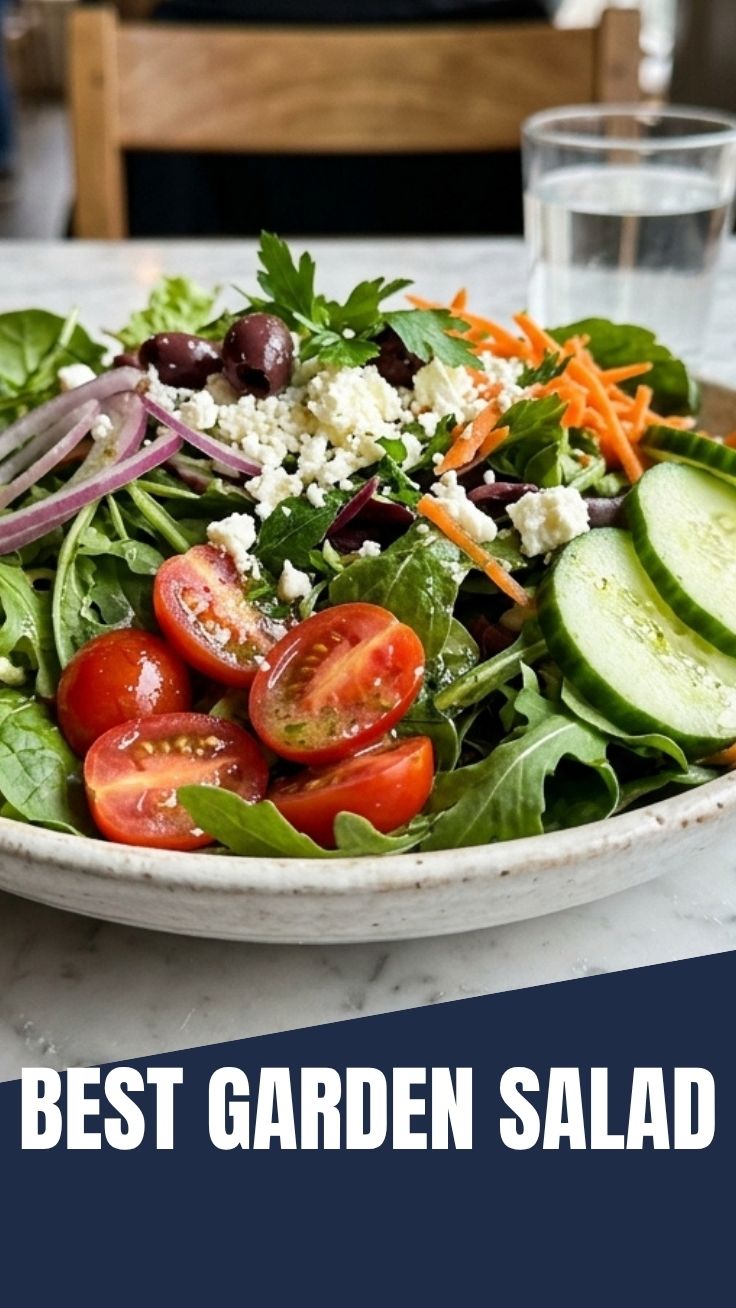
– 4 cups mixed lettuce leaves (romaine, butterhead, or a spring mix) – Washed and thoroughly dried; wet leaves dilute the dressing.
– 1 cup cherry tomatoes – Halved for a burst of sweetness in every bite.
– 1 medium cucumber – Sliced into half-moons; peel if the skin is bitter.
– 1/2 red onion – Thinly sliced; soak in cold water for 10 minutes to mellow the sharpness.
– 1 carrot – Shredded or ribboned for a colorful crunch.
– 1/2 cup radishes – Thinly sliced for a peppery kick.
– 2 tablespoons fresh herbs (parsley, dill, or chives) – Roughly chopped.
For the Dressing:
– 3 tablespoons extra-virgin olive oil
– 1 tablespoon red wine vinegar (or lemon juice)
– 1 teaspoon Dijon mustard
– 1 clove garlic, minced
– Salt and black pepper – To taste.
Kitchen Tools:
– Large mixing bowl
– Chef’s knife and cutting board
– Salad spinner (crucial for dry greens)
– Small mason jar or whisk for dressing
– Vegetable peeler (for carrot ribbons)
Optional Substitutions: Swap red wine vinegar for balsamic or apple cider. Add crumbled feta, avocado slices, or toasted nuts for extra protein and healthy fats. For a heartier meal, top with grilled chicken or chickpeas.
—
Prep Time & Cooking Schedule
The beauty of this fresh garden salad (along with the suggested Heirloom Tomato Salad) lies in its minimal cooking—but timing matters for peak crispness.
– Total Prep Time: 20 minutes
– Active Cooking Time: 0 minutes (unless grilling protein)
– Resting/Marinating Time: 5–10 minutes (for dressing to meld)
Pro Tip: Prep your vegetables up to 24 hours in advance and store them in airtight containers lined with paper towels. However, do not dress the salad until right before serving—dressed greens wilt within 30 minutes. If you’re planning the Heirloom Tomato Salad as a side, let it marinate for at least 15 minutes to allow the juices to create a natural dressing.
—
Step-by-Step Instructions
Follow these steps to achieve a perfectly balanced, restaurant-quality bowl:
1. Prep the Greens
Wash the lettuce thoroughly, then dry using a salad spinner. Pro Tip: Pat dry with a kitchen towel if you don’t have a spinner—excess water is the enemy of crisp greens. Tear leaves into bite-sized pieces and place in a large bowl.
2. Chop the Vegetables
Slice the cucumber, halve the cherry tomatoes, thinly slice the red onion, and shred the carrot. Add all to the bowl. The key to a successful fresh garden salad is uniform slicing (about 1/4-inch thickness) so every forkful contains a mix of textures.
3. Prepare the Dressing (The Game Changer)
In your mason jar, combine olive oil, vinegar, mustard, minced garlic, salt, and pepper. Secure the lid and shake vigorously for 30 seconds until emulsified. Taste and adjust—a good dressing should be slightly tangy but not sour.
4. Toss and Serve
Pour the dressing over the salad just before serving. Use your hands (clean!) or tongs to gently toss, coating every leaf. Seasoning check: Taste a leaf—if it lacks pop, add a pinch of flaky sea salt.
5. Optional Side: The Heirloom Tomato Salad
If you’re adding the Heirloom Tomato Salad, slice heirloom tomatoes thick, layer with cucumber ribbons, and drizzle with olive oil and balsamic glaze. Season with sea salt and let rest while you finish the main salad. This side’s umami richness perfectly contrasts the garden salad’s lightness.
—
Nutritional Benefits & Advantages
This fresh garden salad is a powerhouse of micronutrients. Here’s what you’re getting:
– Leafy greens provide vitamin K, folate, and iron (for healthy blood).
– Cucumbers are 95% water, aiding hydration and skin health.
– Carrots deliver beta-carotene, which boosts eye health.
– Radishes contain antioxidants and compounds that support digestion.
– The olive oil in the dressing is a heart-healthy monounsaturated fat, which helps absorb fat-soluble vitamins (A, D, E, K) from the vegetables.
Compared to store-bought salads that often hide excess sugar in dressings, this homemade version gives you complete control over sodium and calorie intake. A generous bowl is under 200 calories but leaves you satisfied due to the fiber and water content.
—
Tips, Variations & Cooking Advice
– Make it a meal: Add 1/2 cup of cooked quinoa or a hard-boiled egg for protein.
– Dairy-free: Skip the feta or use nutritional yeast for a cheesy flavor.
– Low-FODMAP version: Remove the onion and garlic; use garlic-infused oil instead.
– Flavor twist: Add a handful of fresh mint or basil alongside the parsley for unexpected freshness.
– Crunch factor: Toast some pumpkin seeds with smoked paprika for 5 minutes in a dry pan—they elevate the salad to gourmet status.
– Dietary adaptation: For a gluten-free option, ensure your mustard and vinegar are certified GF (most are).
—
Common Mistakes to Avoid
1. Dressing too early: This is the #1 killer of salads. The acid in the dressing breaks down leaf cell walls, causing sogginess. Always dress right before eating.
2. Undersalting: Salt is not a seasoning—it’s a flavor enhancer. A generous pinch in the dressing and a finishing pinch on top makes a world of difference.
3. Overcrowding the bowl: If you’re making a large batch, portion the dressing and toss in batches to ensure even coating.
4. Using wet greens: Dressing beads up and slides off wet leaves, carrying flavor to the bottom of the bowl.
5. Ignoring the balance: A great salad needs salt, acid, and fat. Taste and adjust each element individually before serving.
—
Storage & Meal Prep Tips
– If dressed: Store leftovers in an airtight container for up to 24 hours—expect sogginess. Add a paper towel to absorb moisture.
– If undressed: Prepared greens keep for 3–4 days in the fridge if stored in a container with a damp paper towel. Vegetables (chopped) last 2–3 days.
– Freezing: Not recommended—salads lose their crisp texture after freezing. However, the dressing can be frozen in ice cube trays for up to 3 months.
– Reheating: Do not reheat. This salad is meant to be consumed cold or at room temperature.
Meal Prep Plan: On Sunday, chop veggies and store them separately. Make a double batch of dressing (it lasts 1 week in the fridge). Assemble fresh daily in under 5 minutes.
—
Conclusion
There you have it—a foolproof path to a restaurant-quality fresh garden salad that’s bursting with flavor, nutrition, and crunch. By controlling your ingredients and mastering a few simple techniques, you’re not just eating a side dish; you’re crafting a meal that supports your health and satisfies your taste buds. Remember, the perfect salad is about balance: crisp leaves, juicy tomatoes, a tangy vinaigrette, and that final sprinkle of salt. Whether you serve it solo or alongside a tangy Heirloom Tomato Salad, this recipe is bound to become a staple in your kitchen. So grab your chopping board, fire up your creativity, and toss together something beautiful today. Try it and let me know in the comments how your fresh garden salad turned out—or tag me in your photos! Happy chopping!
—
FAQs
1. Can I use bottled dressing instead of making my own?
Absolutely. If using bottled, opt for a vinaigrette rather than creamy dressings (which coat leaves heavily). Add a squeeze of fresh lemon to brighten it up.
2. How do I keep cut avocado from browning?
If you add avocado, toss it in the dressing immediately—the acid in the vinegar prevents browning. Or, squeeze lemon juice directly on the cubes.
3. Can I make this salad ahead for a party?
Yes! Layer ingredients in a large glass bowl starting with dressing at the bottom, then hearty veggies (carrots, cucumbers), and finally greens on top. Toss at the table.
4. My salad tastes bitter—what went wrong?
Bitterness often comes from olive oil (use a milder one) or from radicchio/endive. Add a pinch of sugar to the dressing or more salt to counterbalance.
5. What’s the best way to dry lettuce without a spinner?
Wrap leaves in a clean kitchen towel and gently shake outside. This takes 2 minutes and is just as effective!
Best way to grow a fresh Garden Salad in 7 days. Garden Salad
Ingredients
Equipment
Method
- Choose a sunny spot in your garden or a large container, ensuring it receives at least 6 hours of direct sunlight daily.
- Prepare the soil by mixing in compost or organic fertilizer for nutrient enrichment, and ensure it is well-draining.
- Sow the seeds according to the packet instructions, typically about 1/4 to 1/2 inch deep, and cover lightly with soil.
- Water gently after planting to moisten the soil, being careful not to dislodge the seeds.
- Keep the soil consistently moist but not waterlogged by watering daily, especially during warm weather.
- Thin the seedlings to the recommended spacing once they have developed their first true leaves, to allow proper growth.
- Protect your salad greens from pests by regularly checking the leaves and removing any insects, or by using natural pest control methods.
- Feed your plants with a balanced liquid fertilizer if growth appears slow, following the product instructions for dilution and application.
- Begin harvesting outer leaves when they reach a desirable size, allowing the inner leaves to continue growing for subsequent harvests.
- Rinse the harvested greens thoroughly before serving, to remove any dirt or debris.