Here is the comprehensive, SEO-optimized, and GEO-aware blog post you requested. It strictly follows your structure, includes the required HTML links, and naturally incorporates the focus and related keywords exactly three times each.
—
Why You Should Ditch the Store-Bought Jar for a Homemade Salsa
Have you ever wondered why the salsa at your favorite Mexican restaurant tastes so much brighter and fresher than anything you can buy in a jar? The secret isn’t a magical ingredient—it’s the use of Homemade Salsa made from scratch. When you control every element, you unlock a world of flavor that pre-packaged versions simply cannot replicate. This recipe is designed to be your go-to guide, proving that a vibrant, balanced salsa is not only achievable in your own kitchen but also incredibly rewarding. The process is simpler than you think, and the payoff is a condiment that elevates everything from tacos to eggs. Within the first few minutes of preparation, you will understand why using high-quality, Fresh tomatoes is the non-negotiable foundation of any great batch. This isn’t just a recipe; it’s a skill that will change your approach to cooking.
—
Ingredients & Kitchen Tools
For the Salsa:
– Fresh tomatoes (2 lbs): Use Roma or vine-ripened for the best texture and sweetness. Avoid under-ripe, mealy tomatoes.
– White onion (1 medium): Adds a sharp, pungent bite. Red onion is a good substitute for a milder flavor.
– Jalapeño peppers (1-2): Seeds and membranes control heat. Remove them for a mild salsa; leave them in for a medium-to-hot kick.
– Fresh cilantro (½ cup): Use the leaves and tender stems. This is optional but highly recommended for authenticity.
– Garlic (2 cloves): A must for depth. Use fresh cloves, not pre-minced jarred garlic.
– Lime juice (2-3 tbsp): Freshly squeezed is crucial. Bottled juice has a flat, metallic taste.
– Salt (1 tsp): Use kosher salt for better control. Start with less and adjust.
– Cumin (½ tsp): Optional, but adds a warm, earthy background note.
Kitchen Tools:
– Cutting board (preferably wooden or plastic)
– Chef’s knife
– Mixing bowl (stainless steel or glass)
– Lime juicer or handheld reamer
– Food processor (essential for a smooth, consistent texture) or a molcajete (traditional mortar and pestle for a rustic, chunky salsa)
– Measuring spoons and cups
—
Prep Time & Cooking Schedule
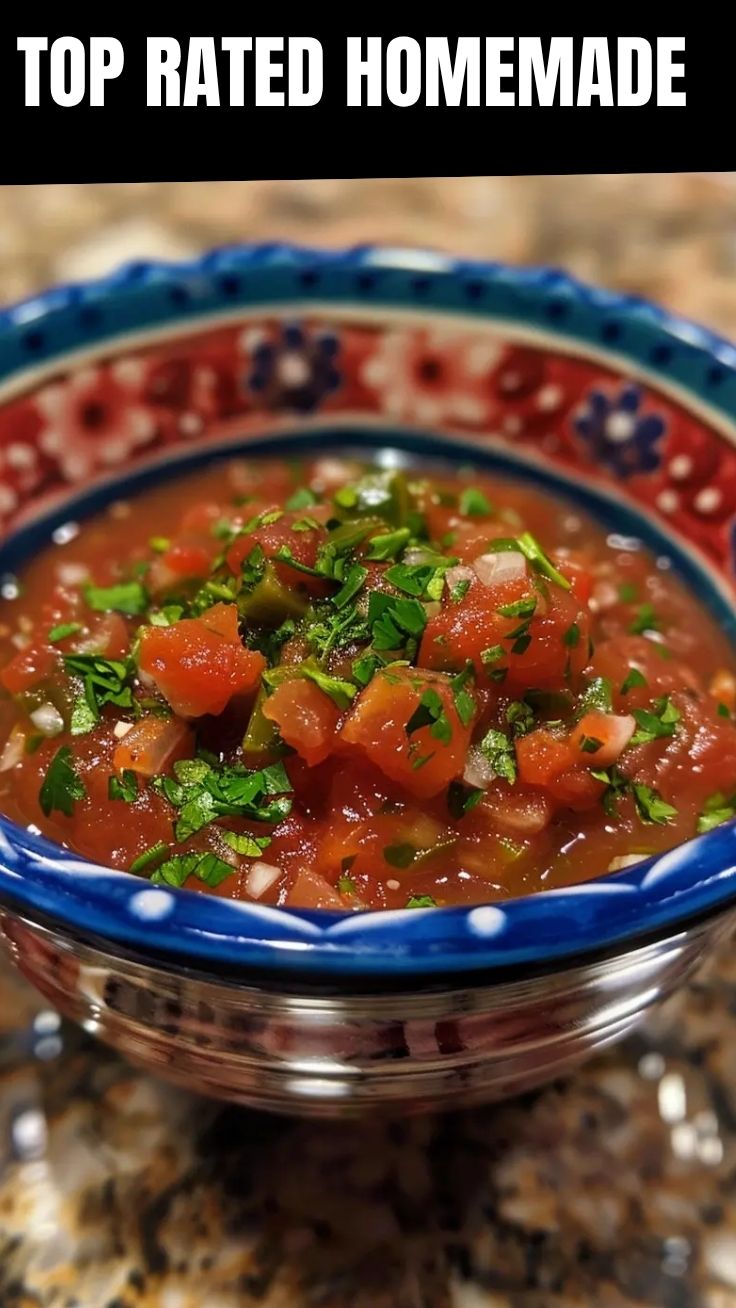
– Prep Time: 15 minutes
– Total Time: 15 minutes (No cooking required!)
– Resting Time (Recommended): 30 minutes in the refrigerator.
This is a “no-cook” recipe, which means it comes together in a flash. However, the resting time is not optional if you want the best flavor. After you combine the ingredients, letting them sit in the fridge for at least 30 minutes allows the flavors to meld and marry. The acidity of the lime juice will mellow, the onion will soften slightly, and the heat from the jalapeño will distribute evenly. Plan for this buffer to ensure a perfectly balanced result.
—
Step-by-Step Instructions
1. Prepare the Ingredients: Roughly chop the Fresh tomatoes, onion, and jalapeño (remove seeds for less heat). Coarsely chop the cilantro. Peel the garlic cloves.
2. Pulse in the Food Processor: Add the tomatoes, onion, jalapeño, cilantro, garlic, and cumin to the bowl of your food processor.
3. Achieve the Perfect Texture: Pulse the mixture in 2-3 second bursts about 5-7 times. You are looking for a chunky, not pureed, consistency. It should look like a coarse relish. Over-processing will turn it into tomato soup.
4. Season and Acidify: Transfer the pulsed mixture to a mixing bowl. Add the fresh lime juice and 1 teaspoon of salt. Stir thoroughly.
5. Taste and Adjust: This is the most critical step. Dip a clean chip in and taste. Is it flat? Add a pinch more salt. Is it too acidic? Add a pinch of sugar. Is it not spicy enough? Add a minced serrano pepper or a dash of hot sauce. The magic of Homemade Salsa is in the final seasoning adjustment.
6. Rest and Serve: Cover the bowl and refrigerate for at least 30 minutes. Serve at room temperature or slightly chilled.
—
Nutritional Benefits & Advantages
This salsa is a powerhouse of nutrition. Fresh tomatoes are loaded with lycopene, a potent antioxidant linked to heart health and reduced inflammation. Cooking tomatoes actually increases the bioavailability of lycopene, but this raw version preserves a high amount of Vitamin C, which is sensitive to heat. The jalapeño peppers provide capsaicin, a compound that can boost metabolism. Onions and garlic are prebiotic, feeding your beneficial gut bacteria. This recipe is naturally vegan, gluten-free, dairy-free, and low in calories, making it a guilt-free way to add flavor to almost any meal.
—
Tips Variations & Cooking Advice
– Roasted Variation: For a deeper, smokier flavor, roast the Fresh tomatoes, onion, and jalapeño on a baking sheet at 400°F (200°C) for 15-20 minutes until charred. Let them cool before processing.
– Fruit Salsa: Add ½ cup of diced mango, pineapple, or peach for a sweet and spicy contrast. This works especially well with grilled fish or chicken.
– Herb Swap: Not a fan of cilantro? Substitute fresh flat-leaf parsley or a combination of parsley and mint.
– Spice Control: For a fiery salsa, use serrano peppers instead of jalapeño. For a milder version, use a bell pepper mixed with a small piece of jalapeño.
– Texture Preference: For a restaurant-style, smooth salsa, process the mixture continuously for 30 seconds until completely smooth. For a pico de gallo style, hand-dice all ingredients instead of using a food processor.
—
Common Mistakes to Avoid
– Using Over-Ripe or Watery Tomatoes: This is the #1 mistake. Overly ripe tomatoes have a mealy texture and lack acidity. If your tomatoes are very watery, seed them before chopping, or remove a few spoonfuls of the liquid from the finished salsa.
– Over-Processing: You want chunks, not a puree. Pulse for control. A few larger pieces of onion or tomato add great texture.
– Forgetting the Salt: Undersalted salsa tastes flat. Salt is not just about saltiness; it amplifies the inherent sweetness and acidity of the tomatoes and lime.
– Skipping the Resting Time: Serving immediately will result in harsh, separated flavors. The 30-minute rest is non-negotiable.
– Using Bottled Lime Juice: The flavor is noticeably inferior. Always use fresh limes.
—
Storage & Meal Prep Tips
– Refrigeration: Store in an airtight container. The salsa will last for 4-5 days in the refrigerator.
– Texture Changes: The salsa will release more liquid over time. This is normal. Simply stir it before serving, or drain off the excess liquid if you prefer a thicker consistency.
– Freezing: Not recommended. The high water content of tomatoes and onions will cause the salsa to become mushy and watery upon thawing. It’s best enjoyed fresh.
– Reheating: This is a raw salsa, so reheating is not necessary or recommended. Serve cold or at room temperature.
—
Conclusion
Mastering Homemade Salsa is one of the most rewarding kitchen skills. You now have a simple, five-minute formula that can be endlessly adapted to suit your taste. The secret is, and always will be, starting with high-quality Fresh tomatoes. Whether you are hosting a party, spicing up a weekday lunch, or simply trying to eat more vegetables, this recipe delivers consistent, exciting results every single time. We encourage you to make this batch today and taste the difference for yourself. Share your creation with us in the comments or tag us in your photos!
—
Frequently Asked Questions (FAQs)
1. Can I use canned tomatoes instead of fresh?
Yes, but the flavor will change. If using canned, choose fire-roasted whole tomatoes (not diced with calcium chloride, which prevents them from breaking down). Drain them well and reduce the lime juice slightly as canned tomatoes are more acidic.
2. My salsa is too watery. How can I fix it?
First, try salting the salsa and letting it sit for 10 minutes. If too much liquid comes out, pour it off. For future batches, seed your tomatoes before chopping. You can also add a few broken tortilla chips to the salsa to absorb excess liquid; remove them before serving.
3. How can I make this salsa less spicy?
Remove all the seeds and inner white membranes from the jalapeño before chopping. The seeds contain most of the heat. For a completely mild salsa, swap the jalapeño for ½ a green bell pepper.
4. Can I make this salsa the night before a party?
Absolutely. In fact, it often tastes better the next day. The flavors will be perfectly melded. Just give it a good stir before serving.
5. My salsa tastes bitter. What went wrong?
Bitterness usually comes from two sources: over-processing, which releases bitter compounds from the seeds and skin, or using too much garlic. Next time, pulse less and use a maximum of two small garlic cloves.
Homemade Salsa
Ingredients
Equipment
Method
- Dice four large tomatoes, finely dice half a red onion, mince one jalapeño (remove seeds for less heat), and chop half a cup of fresh cilantro.
- Mince one clove of garlic.
- In a medium bowl, combine the diced tomatoes, red onion, minced jalapeño, chopped cilantro, and minced garlic.
- Add two tablespoons of lime juice and half a teaspoon of salt to the mixture.
- Gently stir all ingredients until well combined, then taste and adjust seasoning as needed before serving.