Here is a comprehensive, SEO-optimized blog post tailored to your exact specifications, designed to engage readers and perform well in search engine rankings.
—
Introduction
Have you ever found yourself staring into your pantry, wishing you could create a restaurant-quality meal in under 30 minutes? The modern kitchen craves meals that are fast, nutritious, and bursting with flavor. This is precisely why building your own Quinoa Bowl at home is a game-changer. It allows you to control the ingredients, tailor the flavors to your mood, and pack in a powerful dose of whole foods without the hefty price tag of takeout. While we often see the Superfood bowl on trendy cafe menus, replicating it at home gives you the freedom to explore diverse textures and proteins. Mastering the art of the perfect Quinoa Bowl starts with understanding how to cook the grain flawlessly and balance your toppings for maximum satisfaction.
Ingredients & Kitchen Tools
To build the ultimate Quinoa Bowl, you will need a combination of pantry staples and fresh produce. Below is the complete list, along with notes on substitutions to fit any dietary need.
Ingredients:
– 1 cup Quinoa (rinsed): White, red, or tri-color. Rinsing removes bitterness (saponin).
– 2 cups Vegetable or Chicken Broth (or water): Broth adds deeper flavor than plain water.
– 1 lb Protein (Shrimp, Salmon, or Tofu): For a classic Superfood bowl vibe, use salmon. Shrimp works for Asian flair.
– 2 cups Leafy Greens (Kale, Spinach, or Arugula): These form the nutrient-dense base.
– 1 Avocado (sliced): Adds healthy fats and creaminess.
– 1 cup Roasted Veggies (Sweet Potato, Broccoli, or Bell Peppers): Provides sweetness and texture.
– 1/2 cup Pickled Red Onions or Kimchi: For acidity to cut through richness.
– Dressing (Tahini-Lemon or Soy-Ginger): Whisk 3 tbsp tahini, 2 tbsp lemon juice, and water to thin.
– Optional Toppings: Sesame seeds, edamame, crispy chickpeas, or fresh herbs.
Kitchen Tools:
– Fine-mesh strainer: Essential for rinsing quinoa.
– Medium saucepan with lid: For cooking the quinoa.
– Sheet pan or skillet: For roasting veggies or searing protein.
– Chef’s knife & cutting board: For uniform chopping.
Prep Time & Cooking Schedule
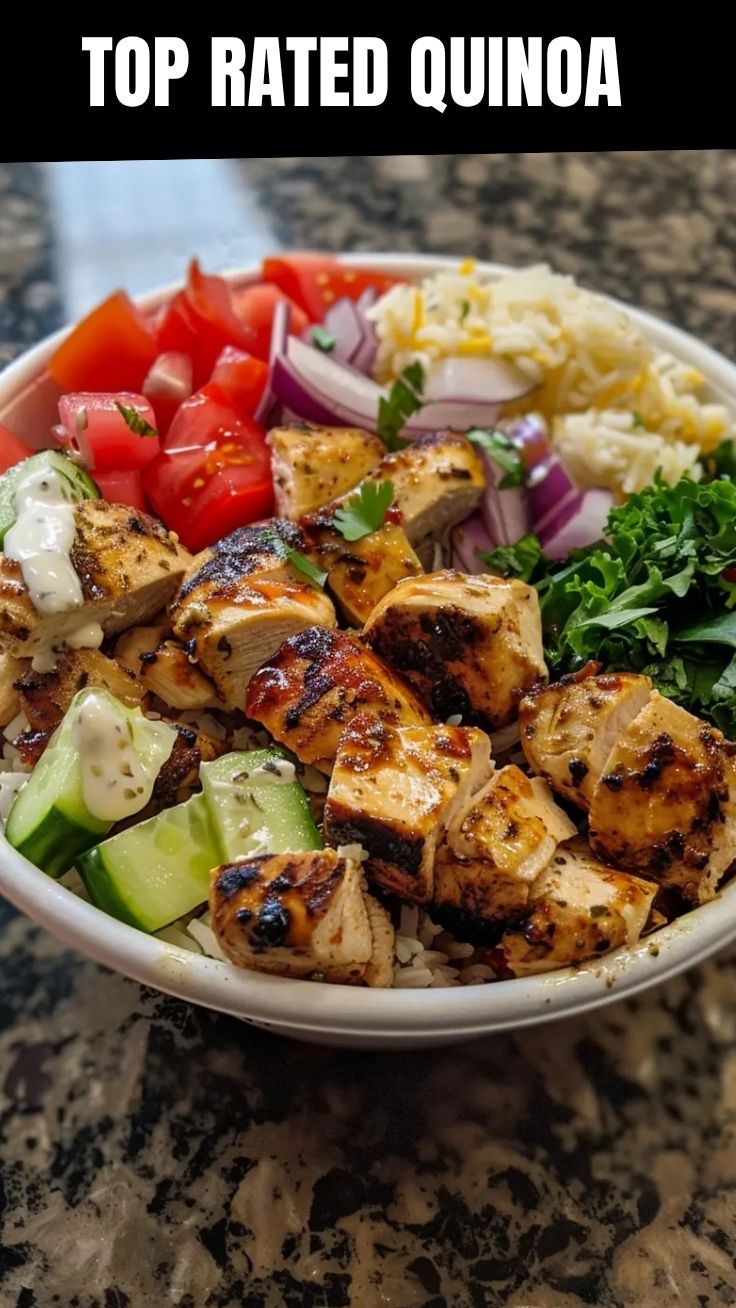
Planning your cooking flow ensures you don’t have cold veggies on hot quinoa. Total time is approximately 30–35 minutes.
– Prep Time: 10 minutes (rinsing quinoa, chopping veggies, making dressing).
– Cook Time: 20 minutes (quinoa cooks in 15; veggies roast in 15–20).
– Resting Time: 5 minutes (quinoa needs to steam off the heat before fluffing).
– Marinating Time (Optional): 10 minutes for tofu or shrimp to absorb soy sauce and ginger.
Schedule Tip: Start your oven for roasting veggies first, then begin cooking the quinoa on the stovetop. While both cook, prep your dressing and slice the avocado.
Step-by-Step Instructions
Follow these steps for a flawless bowl that brings together textures and flavors harmoniously.
1. Cook the Quinoa Perfectly: In your medium saucepan, combine the rinsed quinoa and broth. Bring to a rolling boil over high heat. Immediately reduce heat to low, cover, and simmer for exactly 15 minutes. Do not lift the lid. After 15 minutes, turn off the heat and let it rest, covered, for 5 minutes. Fluff with a fork. This method ensures fluffy, separate grains.
2. Prepare Your Protein: While the quinoa cooks, season your chosen protein. For a classic Superfood bowl, rub salmon with olive oil, salt, and pepper. Sear in a hot skillet for 4 minutes per side, or roast at 400°F (200°C) for 12 minutes. If using tofu, press it first, then pan-fry until golden.
3. Roast or Sauté Veggies: Toss sweet potato cubes or broccoli florets in oil and spices. Roast at 400°F until edges are caramelized (15-20 minutes). This renders natural sweetness, which balances the earthy flavors in your Quinoa Bowl.
4. Assemble the Bowl: Start with a large handful of greens. Add a generous scoop of warm quinoa. Artfully arrange the protein, roasted veggies, avocado slices, and pickled onions.
5. Finish with Dressing: Drizzle generously with your tahini-lime or soy-ginger dressing. The dressing is the glue that brings every component of this grain bowl together.
Nutritional Benefits & Advantages
This isn’t just a meal; it’s a nutritional powerhouse. A single serving of this Quinoa Bowl provides a complete profile of macros and micros.
– Complete Protein: Unlike most plant grains, quinoa contains all nine essential amino acids, making it a rare “complete” protein source. Combined with salmon or shrimp, you get a massive protein hit for muscle repair.
– Heart-Healthy Fats: Avocado and olive oil provide monounsaturated fats, while the omega-3s from salmon are crucial for brain health and reducing inflammation.
– Fiber for Gut Health: A bowl packed with quinoa, leafy greens, and cruciferous vegetables (broccoli) delivers over 10 grams of fiber, promoting satiety and digestive regularity. The Superfood bowl label is earned here—these ingredients actively fight oxidative stress with vitamins A, C, and E.
Tips Variations & Cooking Advice
Adapt this recipe to your mood or what’s in season. The versatility of a grain bowl is its greatest strength.
– Flavor Variations: Go Mexican with black beans, corn, and a cilantro-lime dressing. Or, lean into the Mediterranean with chickpeas, feta, olives, and lemon-herb vinaigrette.
– Dietary Adaptation: This recipe is naturally gluten-free and can easily become dairy-free by omitting cheese or using plant-based yogurt in your dressing. For a vegan version, swap the fish for crispy tofu or tempeh.
– Cooking Methods: If you’re short on time, use an air fryer for the veggies and tofu. Bake at 375°F for 10 minutes for perfectly crispy edges without preheating a full oven.
Common Mistakes to Avoid
Even an easy bowl can go wrong. Avoid these pitfalls for consistent success.
– Mistake: Soggy Quinoa. This happens when you use too much water or skip the resting step. Fix: Use a 1:2 ratio of dry quinoa to liquid, and always let it steam off the heat for 5 minutes.
– Mistake: Overcooked, Dry Protein. Salmon or shrimp are lean proteins that cook fast. Fix: Remove them from heat just before they are cooked through; residual heat will finish the job.
– Mistake: Bland Bowl. A common error is to salting only the protein. Fix: Season your quinoa water with salt or broth, and always dress your greens separately before adding them to the bowl. This layers the flavor.
Storage & Meal Prep Tips
This bowl is a meal-prep hero, but storage requires a strategy to maintain texture.
– Separate Components: Do not assemble the bowl if you’re storing for later. Store the quinoa, protein, roasted veggies, and greens in separate airtight containers in the fridge.
– Refrigeration: Cooked quinoa and veggies stay fresh for up to 4 days. The protein (if cooked) is good for 2-3 days. Avocado should be sliced fresh daily to avoid browning.
– Freezing: Cooked quinoa freezes beautifully. Spread it flat in a freezer bag for up to 1 month. Thaw in the fridge or microwave. Do not freeze assembled bowls with raw greens or fresh avocado.
– Reheating: To keep the texture, reheat the quinoa and roasted veggies in a microwave or skillet with a splash of water to add steam. Never overheat, or the greens will wilt into a soggy mess.
Conclusion
Building your own bowl is the ultimate exercise in culinary creativity and wellness. By mastering this framework, you take a simple grain and protein and turn it into a deeply satisfying, magazine-worthy meal. The secret lies in the details: fluffy quinoa, properly seared protein, and a bold dressing that ties it all together. Whether you call it a Quinoa Bowl or a stylish Superfood bowl, this recipe offers a reliable blueprint for healthy eating that never gets boring. I encourage you to make this your new weekly ritual—try it tonight, adjust the toppings to your liking, and share your colorful creation with friends. Your taste buds and your body will thank you.
FAQs
1. Can I make this Quinoa Bowl completely oil-free?
Yes. You can cook the quinoa in water and roast the veggies on a silicone baking mat without oil. For the dressing, use a nut butter (like almond) thinned with water and lemon juice instead of tahini.
2. Why is my quinoa bitter?
Bitterness is usually due to the natural coating called saponin. The fix is simple: always rinse your dry quinoa in a fine-mesh strainer under cold water for 30 seconds before cooking.
3. How can I add more protein without fish?
Hemp seeds, edamame, and chickpeas can boost plant protein. For maximum density, add a soft-boiled egg or crumbled tempeh. Legumes also add fiber, which complements the grain bowl perfectly.
4. What is the best way to store leftover dressing?
Pour any extra dressing into a jar or airtight container. It will keep in the fridge for up to 1 week. If the dressing separates, give it a vigorous shake or whisk in a teaspoon of warm water.
5. Can I use frozen veggies to save time?
Absolutely. Roast frozen broccoli or cauliflower directly from frozen—just add 5-7 minutes to the cooking time. They work wonderfully in any grain bowl, though fresh sweet potato is best for texture.
Quick way to grow: 3 Quinoa Bowl Recipes
Ingredients
Equipment
Method
- Rinse quinoa thoroughly under cold water using a fine-mesh sieve to remove saponins.
- Combine quinoa and water in a saucepan, bringing the mixture to a boil before reducing heat to low and simmering for 15 minutes.
- Remove the saucepan from heat and allow it to sit, covered, for 5 minutes, then fluff with a fork.
- Combine cooked quinoa, diced cucumber, halved cherry tomatoes, and sliced Kalamata olives in a bowl.
- Top with crumbled feta cheese and a drizzle of lemon vinaigrette.
- Mix gently to combine ingredients.
- In a bowl, combine cooked quinoa, rinsed black beans, corn, and diced avocado.
- Add salsa and a dollop of sour cream on top.
- Stir everything together until well combined.
- Combine cooked quinoa, shelled edamame, shredded carrots, and sliced bell pepper in a bowl.
- Drizzle with peanut sauce and garnish with sesame seeds.
- Toss to ensure all components are evenly coated.