Why You Should Try Making a Poke Bowl at Home (And How to Do It Right)
Have you ever wondered why restaurant Poke Bowl prices keep climbing while portion sizes shrink? If you’ve been craving that fresh, vibrant Hawaiian staple but hesitate to pay $18 for a bowl of rice and fish, you’re not alone. The good news is that crafting a restaurant-quality version at home is not only more affordable but also surprisingly simple. By controlling your ingredients and customizing every layer, you can enjoy a protein-packed meal that rivals any takeout. This guide will walk you through creating the perfect Poke Bowl from scratch, while also exploring how Hawaiian Poke traditions can elevate your homemade experience.
—
Ingredients & Kitchen Tools (H2)
Required Ingredients
– Sushi-grade salmon (or tuna) – Fresh, never frozen, with bright color and no fishy odor.
– Sushi rice – Short-grain rice that becomes sticky when cooked.
– Rice vinegar – Adds tanginess and helps season the rice.
– Soy sauce (or tamari for gluten-free) – Base for the marinade.
– Sesame oil – Toasted variety for depth.
– Furikake seasoning – A seaweed-sesame blend that adds umami.
– Cucumber – English cucumber, thinly sliced for crunch.
– Avocado – Ripe but firm, sliced into cubes.
– Edamame – Shelled and blanced, for protein.
– Pickled ginger & wasabi – Optional but traditional.
– Nori strips – For garnish.
Kitchen Tools
– Sharp knife – Essential for clean cuts of raw fish.
– Rice cooker (or pot with lid) – For perfect sushi rice.
– Mixing bowls – Separate for rice and marinade.
– Wooden paddle or spatula – For folding rice without breaking grains.
Optional Substitutions
– For low-carb: Use cauliflower rice or mixed greens.
– For vegan: Substitute marinated tofu or tempeh for fish.
—
Prep Time & Cooking Schedule (H2)
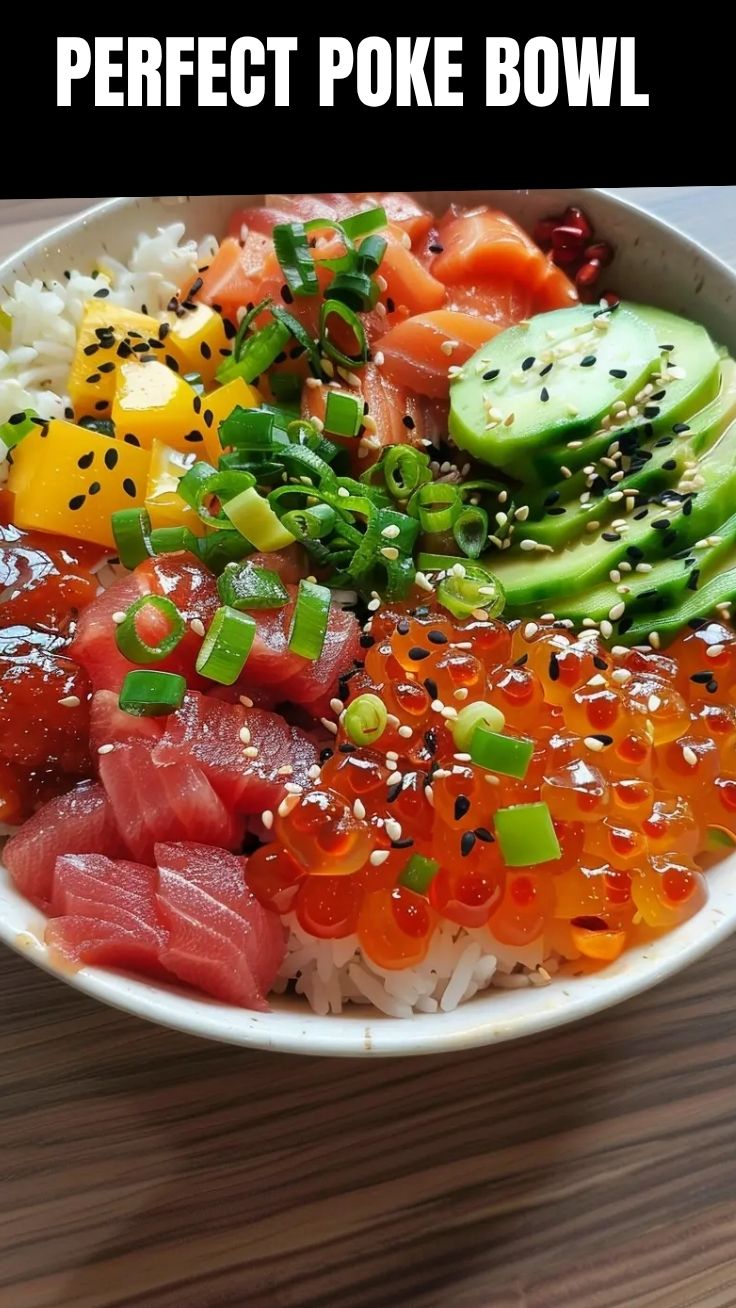
– Prep Time: 20 minutes
– Cook Time: 15 minutes (rice) + 10 minutes marinating
– Total Time: 45 minutes
Planning tip: Start by cooking the rice first so it cools as you prep the toppings. For the Hawaiian Poke marinade, let the fish rest for at least 10 minutes at room temperature—this allows the flavors to meld without overcooking the fish. If marinating longer, refrigerate and use within 2 hours for best texture.
—
Step-by-Step Instructions (H2)
1. Cook the rice: Rinse sushi rice under cold water until water runs clear. Cook in a rice cooker or pot with a 1:1.1 rice-to-water ratio. Once done, fold in rice vinegar, sugar, and salt (2 tbsp vinegar, 1 tsp sugar, ½ tsp salt per cup of rice). Cool to room temperature.
2. Prepare the fish: Slice sushi-grade salmon into ½-inch cubes. In a separate bowl, whisk 3 tbsp soy sauce, 1 tbsp sesame oil, 1 tsp honey, and a pinch of chili flakes. Toss the fish in the marinade and set aside for 10 minutes. This is the moment your Poke Bowl becomes truly authentic—the balance of salt, fat, and heat defines the dish.
3. Assemble the bowl: Divide rice among serving bowls. Arrange cucumber slices, avocado cubes, edamame, and pickled ginger in sections. Top with marinated fish, furikake, and nori strips.
4. Finish with flair: Drizzle extra marinade over the entire bowl, add a dollop of wasabi, and serve immediately. For an extra touch, sprinkle sesame seeds. Remember: The traditional Hawaiian Poke relies on simple, fresh ingredients—avoid overcrowding the bowl.
—
Nutritional Benefits & Advantages (H2)
This Poke Bowl delivers over 30g of protein per serving from salmon and edamame, while healthy fats from avocado and sesame oil support heart health. Sushi rice provides quick energy, while seaweed offers iodine for thyroid function. Compared to heavy lunch options, this bowl is light yet satiating—perfect for a post-workout meal or a clean eating plan. Plus, making it at home cuts sodium and sugar by up to 50% compared to takeout versions.
—
Tips Variations & Cooking Advice (H2)
– Flavor variations: Swap soy sauce for ponzu (citrus-soy blend) or add mango for sweetness.
– Dietary adaptations: Use tamari for gluten-free; skip rice for keto; replace fish with grilled chicken for a cooked option.
– Cooking advice: Never over-marinade—fish turns mushy after 20 minutes. For firmer texture, pat fish dry before cubing.
– Portion changes: Double the fish for a high-protein meal, or bulk with extra vegetables.
—
Common Mistakes to Avoid (H2)
– Using frozen fish without proper thawing – This ruins texture. Thaw sushi-grade fish in the refrigerator overnight.
– Overcooking the rice – Sushi rice should be slightly sticky, not mushy. Use a 1:1.1 water ratio and never stir during cooking.
– Skipping the furikake – This seasoning is the secret to authentic flavor; don’t omit it.
– Letting the bowl sit too long – Assemble just before eating to prevent soggy ingredients.
– Not seasoning the rice – Plain rice makes for a flat bowl. Always season with vinegar-sugar-salt mixture.
—
Storage & Meal Prep Tips (H2)
Refrigeration: Store components separately. Keep marinated fish in an airtight container for up to 24 hours (no longer). Rice stays fresh for 3 days when wrapped tightly.
Freezing: Only freeze plain cooked rice (up to 1 month). Never freeze assembled bowls.
Reheating: Reheat rice in a microwave with a damp paper towel (30 seconds). Never reheat fish—serve raw at cool room temperature.
Meal prep hack: Prep rice and slice vegetables a day ahead. Marinate fish and assemble just before serving for best texture.
—
Conclusion (H2)
Building a Poke Bowl at home isn’t just about saving money—it’s about reclaiming control over freshness, flavor, and nutrition. By following traditional Hawaiian Poke techniques, you can create a bowl that’s as vibrant as any restaurant version. Whether you’re a meal prep enthusiast or a casual cook, this recipe delivers consistency and satisfaction. Try it tonight, post your creation, and explore our other high-protein bowls for more inspiration.
—
FAQs (H2)
1. Can I use frozen salmon for this recipe?
Yes, but only if labeled “sushi-grade.” Thaw in the refrigerator for 24 hours, then pat dry before cubing.
2. What’s the best rice substitute for low-carb?
Cauliflower rice works well—sauté it dry for 5 minutes to remove excess moisture before seasoning.
3. How do I know if the fish is fresh enough for raw consumption?
Look for bright color, no fishy smell, and firm texture. Purchase from a trusted fishmonger and ask for sushi-grade specifically.
4. Can I make this dairy-free?
Absolutely—the recipe contains no dairy. If using mayo-based sauces, choose vegan mayonnaise.
5. Why is my poke bowl watery?
You likely over-marinated the fish or didn’t dry the vegetables. Always pat cucumber and avocado dry after slicing, and drain excess marinade before building the bowl.
Quick way to grow a 5-Star Poke Bowl Garden
Ingredients
Equipment
Method
- Decide on your garden's location and the types of poke bowl ingredients you want to grow.
- Enrich your soil with compost or prepare a soilless mix if using containers or hydroponics.
- Follow package directions for planting seeds or transplant seedlings, ensuring proper spacing.
- Provide consistent watering and suitable organic fertilizer to promote healthy growth.
- Regularly check for pests or diseases, and harvest your produce once it reaches maturity.