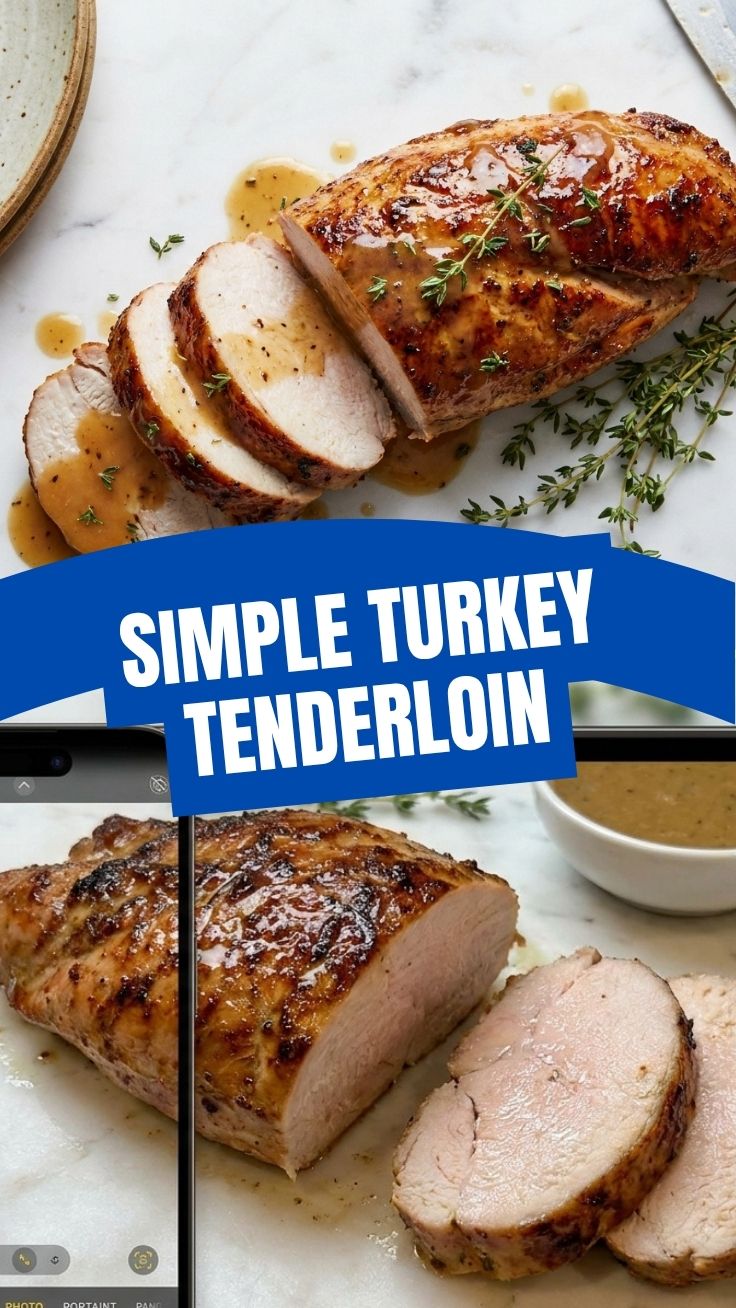
The Ultimate Turkey Tenderloin Recipe: Juicy, Flavorful, and Perfect for Any Occasion
Have you ever struggled with dry, bland turkey meat that leaves your family reaching for the gravy boat? If so, you’re not alone. Today, I’m sharing a game-changing method for cooking Turkey Tenderloin that guarantees moist, tender results every time—whether you’re planning a weeknight dinner or looking for fresh ideas for Thanksgiving Turkey Recipes. Preparing this cut at home saves money, lets you control seasoning, and delivers restaurant-quality flavor with minimal effort. In fact, mastering this lean protein can transform your cooking repertoire. Let’s dive into the details.
Ingredients & Kitchen Tools
Ingredients
– Turkey tenderloin (1–1.5 lbs) – The star of the show; look for even thickness for uniform cooking.
– Olive oil (2 tbsp) – Helps browning and keeps the meat moist.
– Garlic (3 cloves, minced) – Adds aromatic depth.
– Fresh rosemary (1 tbsp, chopped) – Classic poultry herb; dried works too (1 tsp).
– Dijon mustard (1 tbsp) – Tangy binder that enhances flavor.
– Salt (1 tsp) – Use kosher for better control.
– Black pepper (½ tsp) – Freshly ground preferred.
– Paprika (1 tsp) – For color and mild smokiness.
– Optional substitutions: Swap rosemary for thyme; use avocado oil instead of olive; add a splash of lemon juice for brightness.
Kitchen Tools
– Cast iron skillet or oven-safe pan – Holds heat evenly.
– Meat thermometer – Essential for doneness (165°F / 74°C).
– Tongs – For flipping without piercing.
– Cutting board and knife – For prep.
– Aluminum foil – For resting.
Prep Time & Cooking Schedule
Total time: 35 minutes
Prep time: 10 minutes
Cook time: 20–25 minutes
Resting time: 5 minutes
Optional marinating time: 30–60 minutes (enhances flavor)
Plan ahead: If marinating, start 1 hour before cooking. This schedule fits easily into a busy evening—perfect for a quick yet impressive meal.
Step-by-Step Instructions
1. Preheat your oven to 400°F (200°C). While it heats, pat the Turkey Tenderloin dry with paper towels (moisture prevents browning).
2. Season the meat: In a small bowl, mix olive oil, minced garlic, rosemary, Dijon mustard, salt, pepper, and paprika. Rub this paste all over the tenderloin. If you want to explore broader options, consider browsing Thanksgiving Turkey Recipes for varied spice blends.
3. Sear on stovetop: Heat an oven-safe skillet over medium-high heat. Add a drizzle of oil. Place the tenderloin in the pan and cook 3–4 minutes per side until golden brown. Use tongs to avoid overhandling.
4. Transfer to oven: Move the skillet directly into the preheated oven. Roast for 15–20 minutes, or until the internal temperature reaches 160°F (just under the target, as carryover heat will finish it).
5. Rest and slice: Remove from oven, tent with foil, and let rest for 5 minutes. This reabsorbs juices. Slice against the grain into medallions.
Temperature tip: Use an instant-read thermometer inserted into the thickest part—never guess! For extra juiciness, pull at 158°F.
Nutritional Benefits & Advantages
Turkey tenderloin is a lean protein powerhouse. A 4-ounce serving provides about 30g of protein with only 2g of fat, making it ideal for muscle maintenance and weight management. It’s rich in B vitamins (B3, B6, B12) that support energy metabolism, and selenium, an antioxidant that boosts immune function. Compared to chicken breast, turkey tenderloin has a slightly richer flavor and lower cholesterol, while being more affordable than beef. The absence of skin further reduces saturated fat. Pairing with fresh herbs and olive oil adds healthy fats without compromising nutritional goals.
Tips Variations & Cooking Advice
– Flavor variations: Try a lemon-herb rub (lemon zest, thyme, oregano) or a spicy chipotle-garlic blend. For a sweeter note, add a tablespoon of maple syrup to the mustard glaze.
– Cooking methods: Grill over medium-high heat (12–15 minutes, turning occasionally) or sous vide at 145°F for 1 hour, then sear.
– Dietary adaptations: Gluten-free by nature; for dairy-free, skip any butter basting. Use tamari instead of soy sauce if adding Asian flavors.
– Portion changes: Cook two tenderloins together—just increase oven time by 5 minutes. Leftovers are perfect for salads or sandwiches.
Common Mistakes to Avoid
1. Overcooking: The #1 error! Turkey continues to cook after removal. Always pull at 160°F.
2. Skipping the sear: Browning develops flavor and seals in juices. Don’t rush this step.
3. Using a cold pan: A too-cool pan leads to sticking and uneven browning. Make sure it’s ripping hot.
4. Slicing too soon: Resting is non-negotiable. Cutting immediately forces juices out, resulting in dry meat.
5. Improper seasoning: Tenderloin is lean—undersalting leaves it bland. Be generous.
Storage & Meal Prep Tips
– Refrigeration: Store leftover slices in an airtight container with a drizzle of broth to prevent drying. They keep for 3–4 days.
– Freezing: Wrap tightly in plastic wrap, then foil, or use a vacuum sealer. Freeze for up to 3 months. Thaw overnight in the fridge.
– Reheating: To maintain moisture, warm in a 300°F oven, covered with foil, for 10 minutes. Avoid microwaving—it toughens the meat.
– Meal prep: Cook extra tenderloins on Sunday. Slice for weekday salads, wraps, or grain bowls. The versatility makes it a meal prep star.
Conclusion
This Turkey Tenderloin recipe delivers a foolproof way to enjoy juicy, flavorful turkey any night of the week—and it fits seamlessly into your collection of Thanksgiving Turkey Recipes for easy holiday preparation. By following the sear-and-roast method, you’ll achieve consistent results that impress without stress. The key takeaways: use a meat thermometer, rest the meat, and don’t be afraid to experiment with seasonings. Try this recipe tonight, and share your experience in the comments below. For more inspiration, explore our related poultry dishes or sign up for our newsletter to get weekly dinner ideas.
FAQs
1. Can I use frozen turkey tenderloin?
Yes, but thaw completely in the fridge (24–48 hours) before cooking. Frozen meat cooks unevenly and risks dryness.
2. How do I know when it’s done without a thermometer?
A reliable thermometer is best, but visual cues: juices run clear when pierced, and the meat feels firm yet springy. Cut into the thickest part—no pink.
3. What if my tenderloin is uneven thickness?
Pound thicker parts gently to 1-inch evenness, or fold thinner ends under and secure with toothpicks for uniform cooking.
4. Can I brine the tenderloin?
Absolutely. A 30-minute brine (1 quart water + ¼ cup salt + herbs) boosts moisture. Rinse and pat dry before seasoning.
5. Why did my mustard rub burn?
Mustard and sugars in the paste can scorch at high heat. Sear on lower medium-high (not screaming hot) and finish in the oven. If burning occurs, reduce oven temp to 375°F.
Quick way to grow 5 Turkey Tenderloin recipes
Ingredients
Equipment
Method
- Preheat your oven to 400°F (200°C) and prepare a baking sheet by lining it with parchment paper.
- In a small bowl, combine garlic powder, paprika, dried thyme, salt, and black pepper to create your seasoning blend.
- Pat the turkey tenderloin dry with paper towels, then rub it all over with olive oil, ensuring it's evenly coated.
- Sprinkle the prepared seasoning blend generously over the turkey tenderloin, making sure all surfaces are covered.
- Place the seasoned turkey tenderloin on the lined baking sheet.
- Roast for 20-25 minutes, or until the internal temperature reaches 165°F (74°C) when checked with a meat thermometer.
- Remove the turkey from the oven and let it rest for 5-10 minutes before slicing to allow the juices to redistribute, ensuring a tender and moist result.