Fluffy, Golden Perfection: How to Master Beignets (New Orleans Style) at Home
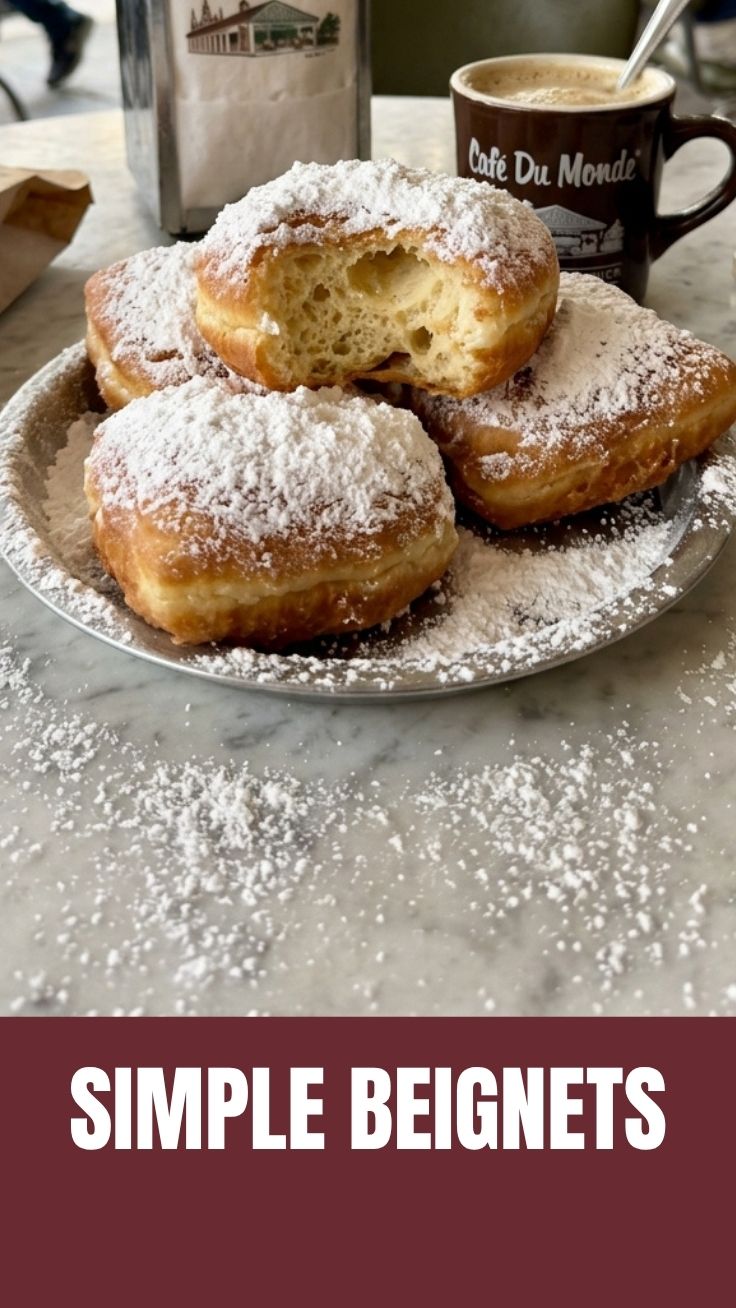
Have you ever bitten into a warm, pillowy square of fried dough, only to have a cloud of powdered sugar dust your nose and shirt? That’s the magic of New Orleans–style beignets. While a trip to Café du Monde is a bucket-list experience, you don’t need to book a flight to Louisiana to enjoy them fresh from the fryer. Making Beignets (New Orleans Style) at home not only saves you travel costs but also lets you control the ingredients—ensuring every batch is light, airy, and served piping hot. In this guide, I’ll walk you through the ultimate beignet recipe, backed by practical cooking science and tested techniques. Whether you’re a weekend baker or a seasoned home cook, these step‑by‑step instructions will deliver restaurant‑quality results every time.
Ingredients & Kitchen Tools
For the Dough
– 3 ½ cups all‑purpose flour (plus extra for dusting) – Gives structure while keeping the crumb tender. Substitute bread flour for a slightly chewier bite.
– 1 packet (2 ¼ tsp) active dry yeast – The leavening agent that creates those signature air pockets. Instant yeast works too; just shorten the rise time.
– ½ cup whole milk, warm (110°F) – Activates the yeast and enriches flavor. For a dairy‑free version, use unsweetened oat or almond milk.
– ¼ cup granulated sugar – Adds subtle sweetness and helps the dough brown.
– 1 large egg – Binds and enriches. Flax‑egg works for vegan adaptations.
– 2 tbsp unsalted butter, melted – Adds tenderness. Coconut oil is a good dairy‑free swap.
– ½ tsp salt – Balances sweetness and strengthens gluten.
– 1 tsp vanilla extract – Optional but enhances the aroma.
For Frying & Dusting
– 4 cups vegetable oil (canola or peanut) – Neutral oil with a high smoke point (400°F+).
– 1 ½ cups powdered sugar – For generous dusting; coconut sugar (finely ground) offers a less sweet alternative.
Essential Tools
– Large mixing bowl, stand mixer with dough hook (or hand mixer with dough attachments), rolling pin, sharp knife or pizza cutter, deep‑fry thermometer, slotted spoon, wire rack, and a fine‑mesh sieve for dusting.
Prep Time & Cooking Schedule
| Stage | Time | Notes |
|——————|—————|——-|
| Dough mixing | 10 minutes | Use warm milk (110°F) – too hot kills yeast. |
| First rise | 1–1.5 hours | In a warm, draft‑free spot until doubled. |
| Roll & cut | 10 minutes | Roll to ¼‑inch thickness; cut into 2‑inch squares. |
| Second rise | 30 minutes | Cover loosely; dough puffs slightly. |
| Frying | 2–3 minutes per batch | Oil at 350°F – fry 4–5 pieces at a time. |
| Total prep‑to‑plate | ~2 hours | Perfect for a weekend brunch project. |
Pro tip: For a faster schedule, use instant yeast and skip the first rise (let dough rest 20 minutes instead). The texture will be slightly denser but still delicious.
Step‑by‑Step Instructions
1. Activate the yeast. In a small bowl, combine warm milk, 1 tablespoon of the sugar, and the yeast. Let stand 5–10 minutes until frothy. If it doesn’t foam, your yeast is dead – start over.
2. Mix the dough. In a large bowl, whisk flour, remaining sugar, and salt. Add the yeast mixture, egg, melted butter, and vanilla. Stir until a shaggy dough forms. Turn onto a floured surface and knead 6–8 minutes (or use a stand mixer with dough hook on medium speed for 4 minutes) until smooth and elastic.
3. First rise. Place dough in a lightly oiled bowl, cover with plastic wrap, and let rise in a warm spot until doubled – about 1 hour. Temperature cue: Dough should feel airy when lightly poked.
4. Roll and cut. Punch down dough, roll to ¼‑inch thickness on a floured surface. Use a knife or pizza cutter to cut into 2×2‑inch squares. Cover with a clean towel and let rest for 30 minutes.
5. Heat the oil. In a deep, heavy pot, pour oil to a depth of 2 inches. Heat to 350°F – use a thermometer for accuracy. Too low = greasy beignets; too high = burnt outside, raw inside.
6. Fry in batches. Gently drop 4–5 squares into the hot oil. Fry 45–60 seconds per side until deep golden brown. Use a slotted spoon to transfer to a wire rack lined with paper towels.
7. Dust immediately. While still warm, sieve a generous layer of powdered sugar over the top. Serve within 5 minutes for the iconic melt‑in‑your‑mouth experience.
Keyword mention: Mastering this Beignets (New Orleans Style) technique ensures each batch is crisp on the outside and cloud‑soft inside. For the best results, always follow the beignet recipe temperature guidelines – oil control is non‑negotiable.
Nutritional Benefits & Advantages
Beignets are an indulgence, but they also offer surprising perks when enjoyed in moderation. The primary ingredients – flour, milk, eggs, and butter – provide protein (6g per serving), B vitamins, and calcium. The quick frying method at 350°F minimizes oil absorption when done correctly (properly cooked beignets absorb less than 10% of their weight in oil). For a lighter twist, you can air‑fry them at 375°F for 5 minutes, flipping halfway – though the texture will be less fluffy. To boost fiber, substitute up to 25% of the all‑purpose flour with whole wheat pastry flour.
Tips, Variations & Cooking Advice
– Flavor variations: Add 1 teaspoon of orange zest or cinnamon to the dry ingredients. For a boozy twist, brush fried beignets with bourbon‑infused honey.
– Dietary adaptations: For gluten‑free beignets, use a 1:1 gluten‑free flour blend (add 1 extra tablespoon of milk). For dairy‑free, replace milk with oat milk and butter with vegan butter. Both adjustments yield a slightly denser crumb.
– Portion changes: Cut smaller 1‑inch squares for bite‑size beignets – perfect for parties. Double the recipe for large gatherings; let the second batch rest while serving the first.
– Alternative cooking methods: If you don’t have a deep‑fry thermometer, drop a bread cube into the oil – it should brown in 30 seconds. Or use an electric skillet for precise temperature control.
Common Mistakes to Avoid
– Mistake #1: Overheating the milk – yeast dies above 130°F. Solution: Use a thermometer; warm milk to 110°F (like baby‑bottle temperature).
– Mistake #2: Over‑working the dough – leads to tough beignets. Solution: Stop kneading once the dough is smooth and springs back when pressed.
– Mistake #3: Frying too many pieces at once – drops oil temperature drastically, resulting in greasy dough. Solution: Fry only 4–5 squares per batch; let oil return to 350°F between batches.
– Mistake #4: Skipping the second rise – yields flat, dense beignets. Solution: Always let cut squares rest for 30 minutes; they should visibly puff.
Storage & Meal Prep Tips
Beignets are best enjoyed within 2 hours of frying – they lose their signature crunch as they cool. To store leftovers (if you have any), place them in an airtight container at room temperature for up to 24 hours. Do not refrigerate – the cold turns them rubbery. For longer storage, freeze fried, un‑dusted beignets in a single layer on a baking sheet, then transfer to a freezer bag for up to 1 month. To reheat, place frozen beignets directly on a baking sheet in a 350°F oven for 5–7 minutes, then dust with powdered sugar. Alternatively, reheat in an air fryer at 350°F for 2 minutes. Never use a microwave – it makes them soggy.
Conclusion
Making light, puffy beignets at home is easier than you think. With a little patience for rising and a watchful eye on the oil temperature, you can replicate the iconic New Orleans experience in your own kitchen. This Beignets (New Orleans Style) method consistently produces golden, airy squares of joy that disappear within minutes. Whether you serve them for Mardi Gras, brunch, or a rainy‑day treat, this beignet recipe is guaranteed to impress. I’d love to see your results – drop a comment below with your favorite dusting technique or share a photo on social media with the hashtag #Gramabeignets. Craving more Southern classics? Check out our guide to perfect fluffy biscuits next.
FAQs
1. Can I make the dough ahead of time?
Yes. After the first rise, punch down the dough, wrap tightly in plastic, and refrigerate up to 24 hours. When ready, let it sit at room temperature for 30 minutes before rolling and cutting.
2. Why did my beignets come out greasy?
Grease usually indicates oil temperature was too low (below 330°F). Use a thermometer and fry in small batches to maintain 350°F. Also, ensure the dough isn’t too wet – add a dusting of flour if it sticks excessively.
3. Can I bake instead of fry?
Baking produces a bread‑like texture, not the classic beignet. For a healthier alternative, try air‑frying at 375°F for 5 minutes, brushing with butter halfway. The result is crisp but less fluffy.
4. How much powdered sugar should I use?
A generous 2 tablespoons per beignet is the rule of thumb. Sift it from a height of 6–8 inches for an even, professional coat – and don’t forget to cover your counter!
5. Can I use self‑rising flour?
Yes, but omit the yeast, sugar, and salt. Combine 3 cups self‑rising flour with 1 cup milk and 2 tbsp melted butter. Skip the rise – just mix, roll, cut, and fry immediately. These are “quick” beignets, denser but still tasty.
Best way to grow 6 Beignets (New Orleans Style)
Ingredients
Equipment
Method
- In a large bowl, whisk together flour, sugar, baking powder, and salt.
- In a separate bowl, combine milk, egg, and vanilla extract.
- Pour the wet ingredients into the dry ingredients and mix until just combined, forming a soft dough.
- Heat vegetable oil in a large pot or deep fryer to 350°F (175°C).
- Drop spoonfuls of dough into the hot oil, frying 3-4 at a time until golden brown on all sides.
- Remove beignets with a slotted spoon and place them on a paper towel-lined plate to drain excess oil.
- Generously dust the warm beignets with powdered sugar before serving.