The Ultimate Guide to a Perfectly Juicy Roast Turkey
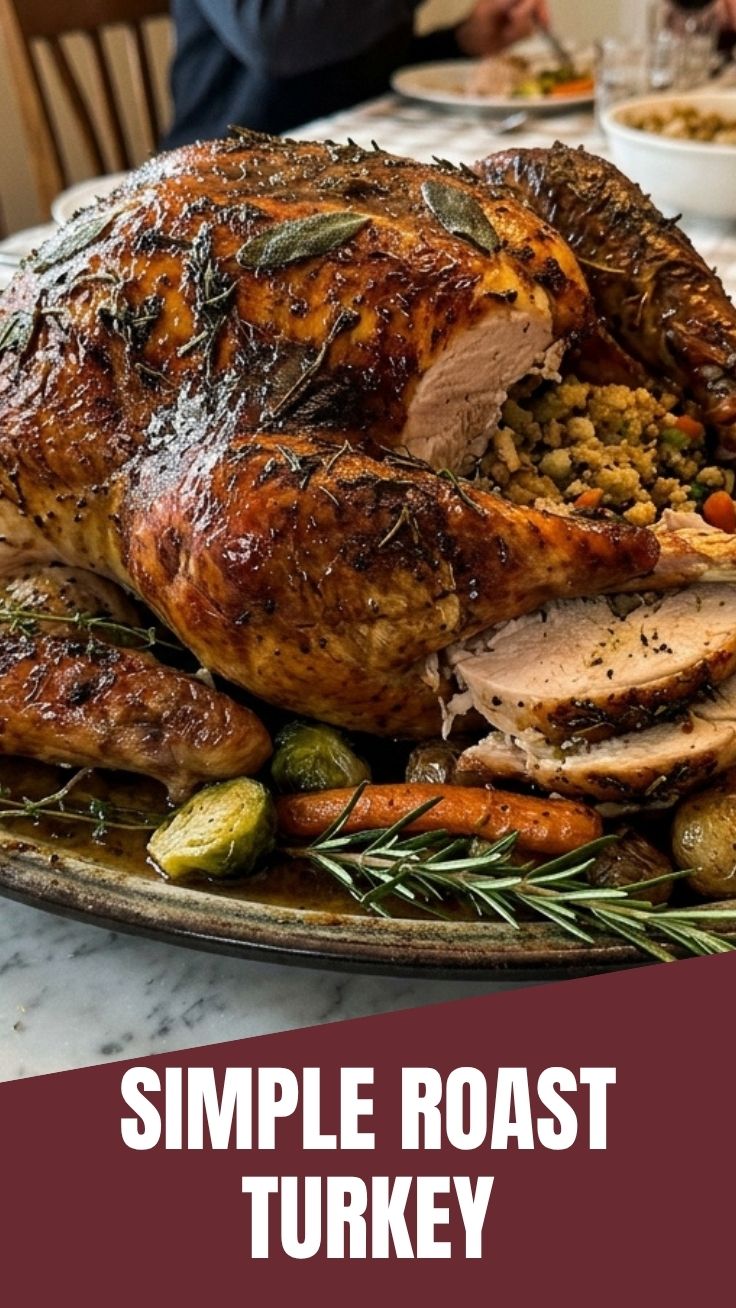
Have you ever wondered what separates a good holiday meal from an unforgettable one? Often, the centerpiece is a perfectly cooked Roast Turkey. Preparing a Roast Turkey at home gives you complete control over the quality of ingredients, the seasoning, and the cooking technique, ensuring a moist, flavorful bird that impresses every guest. Following a trusted roast turkey recipe is the first step toward culinary confidence. By mastering this process, you avoid the dryness and blandness of store-bought options and create a memorable, heartwarming dish that brings people together. This guide will walk you through every stage, from brining to carving, so you can serve a golden, juicy turkey with pride.
Ingredients & Kitchen Tools
For the Turkey & Brine
– 1 whole turkey (12–14 lbs): Fresh or fully thawed frozen; choose a free-range bird for richer flavor.
– Kosher salt (1 cup): Essential for dry brining; do not use table salt as it’s too fine.
– Brown sugar (½ cup): Adds subtle sweetness and aids browning.
– Black peppercorns (2 tbsp): Freshly cracked for aromatic depth.
– Fresh herbs (rosemary, thyme, sage): Each contributes distinct earthy notes.
– Garlic cloves (6–8): Smashed for infusion.
– Lemons (2): Zested and juiced to brighten the brine.
– Unsalted butter (½ cup, softened): For under-skin and over-skin fat; key for crispy skin.
– Onion (1 large), carrots (2), celery (3 stalks): Aromatics for the roasting pan and cavity.
– Chicken or turkey broth (2 cups): For basting and pan drippings.
Kitchen Tools
– Roasting pan with rack: Elevates the bird for even heat circulation.
– Meat thermometer: Instant-read or probe; non-negotiable for safety and doneness.
– Kitchen twine: For trussing legs to ensure even cooking.
– Basting brush or bulb baster: To apply butter and juices.
– Aluminum foil: For tenting if skin browns too quickly.
– Carving knife and fork: Sharp, long blade for clean slices.
Optional Substitutions
– Gluten-free: Omit any flour-based seasoning blends; use cornstarch for gravy.
– Dairy-free: Substitute butter with olive oil or vegan butter.
– Herb swap: Use dried herbs (½ tsp each) if fresh is unavailable.
Prep Time & Cooking Schedule
– Thawing time: 24 hours per 4–5 lbs in the refrigerator (plan 3 days for a 12–14 lb bird).
– Dry brining time: 24–48 hours (uncovered in the fridge) for maximum moisture retention.
– Resting time at room temp: 1 hour before roasting to ensure even cooking.
– Cooking time: Approximately 13–15 minutes per pound at 325°F (so 2.5–3.5 hours for 12–14 lbs).
– Resting time after roasting: 30–45 minutes under foil; this redistributes juices and prevents dryness.
Plan ahead: Start brining 2 days before serving. On the day, allow 30 minutes for prep, the full roasting window, and the final rest. Use this schedule to avoid last-minute stress.
Step-by-Step Instructions
1. Prepare the turkey: Remove giblets and neck from cavities. Pat the bird completely dry with paper towels—moisture prevents crispy skin. Place on a tray in the fridge, uncovered, for 24–48 hours. This dry brine step is the secret to a flavorful Roast Turkey with exceptionally crackling skin.
2. Season generously: Rub the softened butter under the breast skin and all over the exterior. Season the cavity with salt, pepper, and halved lemons. Stuff with onion, garlic, and fresh herbs. Truss the legs with kitchen twine and tuck the wing tips under the shoulders.
3. Roast with precision: Place the turkey breast-side up on the rack in the roasting pan. Pour 1 cup of broth into the pan (not over the bird). Roast at 325°F for 2.5 hours. Baste every 30 minutes with pan juices. If the skin is browning too fast, tent loosely with foil after the first hour. This roast turkey recipe emphasizes temperature control—insert a meat thermometer into the thickest part of the thigh without touching bone. The bird is done when it reaches 165°F in the thigh and 155°F in the breast.
4. Rest and carve: Remove from the oven and let rest for 30–45 minutes, tented with foil. This step is non-negotiable—carving too early causes juice loss. Use the pan drippings to make a rich gravy while the turkey rests.
Nutritional Benefits & Advantages
Turkey is a lean, high-quality protein source that supports muscle repair and satiety. A 3-ounce serving of skinless breast provides about 25 grams of protein, minimal saturated fat, and essential B vitamins (B6, B12) that boost energy metabolism. The skin does contain fat, but much of it renders during roasting. By preparing this dish at home, you control sodium levels—commercial roasts often contain hidden salt and preservatives. Pairing turkey with roasted vegetables and herbs adds fiber, antioxidants, and anti-inflammatory compounds. This dish fits well into balanced diets, including low-carb and high-protein plans, and the moderate calorie count (approx. 180 kcal per serving of skinless meat) makes it a wholesome centerpiece.
Tips Variations & Cooking Advice
– Flavor variations: Swap the herb blend for Cajun seasoning, lemon-pepper, or a miso-garlic paste. For a smoky twist, add smoked paprika to the butter.
– Cooking method: Try spatchcocking (butterflying) the turkey for faster, more even cooking—reduces time by 30%. Alternatively, use a convection oven at 300°F for crispier skin.
– Dietary adaptations: For a dairy-free version, use ghee or avocado oil. For a gluten-free meal, ensure any stuffing or gravy uses cornstarch or rice flour.
– Portion changes: For a smaller gathering, use a 6–8 lb turkey breast instead of a whole bird; adjust cooking time to 1.5–2 hours.
– Stuffing advice: Cook stuffing separately to avoid food safety risks and ensure a crispy top.
Common Mistakes to Avoid
– Skipping the brine: Without brining, the breast meat can dry out. Always dry brine for at least 24 hours.
– Roasting straight from the fridge: A cold bird cooks unevenly. Let it rest at room temperature for 1 hour before roasting.
– Over-basting: Basting every 20 minutes releases oven heat and slows cooking. Stick to 30-minute intervals.
– Not resting: Carving immediately causes juices to run out, leaving dry meat. Rest for at least 30 minutes.
– Using a cheap thermometer: An inaccurate reading can lead to undercooked or overcooked turkey. Invest in a reliable digital probe.
– Overcrowding the pan: Too many vegetables in the pan can steam the turkey. Keep aromatics minimal.
Storage & Meal Prep Tips
– Refrigeration: Store leftover turkey in an airtight container within 2 hours of cooking. It stays fresh for 3–4 days.
– Freezing: Slice or shred the meat and freeze in freezer-safe bags for up to 3 months. Press out air to prevent freezer burn.
– Reheating: To maintain moisture, reheat slices in a covered dish with a splash of broth at 300°F for 15–20 minutes. Avoid microwaving, which toughens the meat.
– Meal prep: Use leftover turkey in salads, sandwiches, soups, or casseroles. The bones make excellent stock for future use.
Conclusion
Mastering a Roast Turkey is a skill that rewards you with a stunning, juicy centerpiece and the joy of sharing a homemade meal. This roast turkey recipe is designed to be foolproof, from the dry brine to the resting period, ensuring consistent results every time. The key takeaways are simple: plan ahead, use a meat thermometer, and never skip the rest. Whether you are celebrating a holiday or a Sunday dinner, this recipe will become your trusted go-to. I encourage you to try it, share your results in the comments, and explore more of our poultry and side dish guides for a complete feast.
FAQs
1. Can I use a frozen turkey without thawing?
No, roasting a frozen turkey is unsafe and leads to overcooked exterior and raw interior. Thaw in the refrigerator, changing water every 30 minutes if using a cold water method.
2. How do I fix a dry turkey after cooking?
Slice the meat thinly and serve with extra gravy or broth. To prevent dryness next time, brine for longer and reduce cooking temperature slightly.
3. What if I don’t have a roasting rack?
Place halved onions, carrots, and celery stalks on the bottom of the pan to elevate the bird. This also adds flavor to the drippings.
4. Can I stuff the turkey for extra flavor?
Yes, but cook stuffing separately to 165°F and avoid packing it tightly inside the cavity, as it slows cooking and increases food safety risk.
5. My turkey skin is soggy—how do I fix it?
Next time, dry brine uncovered, pat the skin completely dry, and use a higher oven temperature (425°F) for the first 20 minutes before lowering to 325°F.
Quick way to grow the perfect Roast Turkey
Ingredients
Equipment
Method
- Preheat your oven to 425°F (220°C). Remove the giblets and neck from the turkey, then pat it dry with paper towels.
- In a small bowl, mix softened butter with chopped rosemary, thyme, minced garlic, salt, and black pepper. Rub this mixture evenly all over the turkey, including under the skin.
- Place the turkey on a roasting rack in a large roasting pan. Roast for 30 minutes, then reduce the oven temperature to 350°F (175°C) and continue roasting for 1.5 to 2 hours, or until a meat thermometer inserted into the thickest part of the thigh reads 165°F (74°C).
- Baste the turkey every 30 minutes with the pan juices to keep it moist.
- Once cooked, remove the turkey from the oven, tent it loosely with foil, and let it rest for 15-20 minutes before carving. This allows the juices to redistribute, ensuring a tender and flavorful turkey.