The Ultimate Guide to a Moist, Spiced Carrot Cake with Cream Cheese Frosting
Have you ever bitten into a slice of bakery-style carrot cake only to find it dry, overly sweet, or lacking that unmistakable warmth of cinnamon and nutmeg? A truly memorable Carrot Cake is a delicate balance of moisture, spice, and tangy cream cheese frosting—and when you make it at home, you control every ingredient. Not only do you avoid preservatives, but you can also tweak the sweetness and add your own signature touches. This comprehensive guide walks you through a foolproof Carrot Cake Recipe that yields a tender, aromatic crumb crowned with luscious frosting. From selecting the freshest carrots to mastering the perfect bake time, you’ll learn why homemade carrot cake is not only delicious but also surprisingly simple to prepare.
—
Ingredients & Kitchen Tools
Ingredients (for a 9×13-inch sheet cake or two 8-inch rounds)
– 2 cups all-purpose flour – provides structure; substitute with 1:1 gluten-free flour for a gluten-free version.
– 2 teaspoons baking powder + 1 teaspoon baking soda – double leavening for a light rise.
– 2 teaspoons ground cinnamon + ½ teaspoon ground nutmeg – the classic spice duo; add ¼ teaspoon cloves for extra warmth.
– ½ teaspoon salt – balances sweetness.
– 1 cup granulated sugar + ½ cup packed brown sugar – combination creates depth and moisture.
– 1 cup vegetable oil (or melted coconut oil) – keeps the cake incredibly moist.
– 4 large eggs, at room temperature – bind and enrich the batter.
– 2 teaspoons vanilla extract – enhances flavor.
– 3 cups finely grated carrots (about 4 medium carrots) – the star ingredient; grate on the smallest holes of a box grater.
– ½ cup crushed pineapple, drained – optional but adds extra moisture and natural sweetness.
– ½ cup chopped walnuts or pecans (optional) – for crunch.
– ½ cup raisins (optional) – traditional addition.
Cream Cheese Frosting
– 8 oz cream cheese, softened
– ½ cup unsalted butter, softened
– 3–4 cups powdered sugar
– 1 teaspoon vanilla extract
– Pinch of salt
Kitchen Tools
– Box grater or food processor with grating disc
– Mixing bowls (large and medium)
– Electric hand mixer or stand mixer
– 9×13-inch baking pan or two 8-inch round cake pans
– Parchment paper
– Cooling rack
– Rubber spatula
– Offset spatula for frosting
—
Prep Time & Cooking Schedule
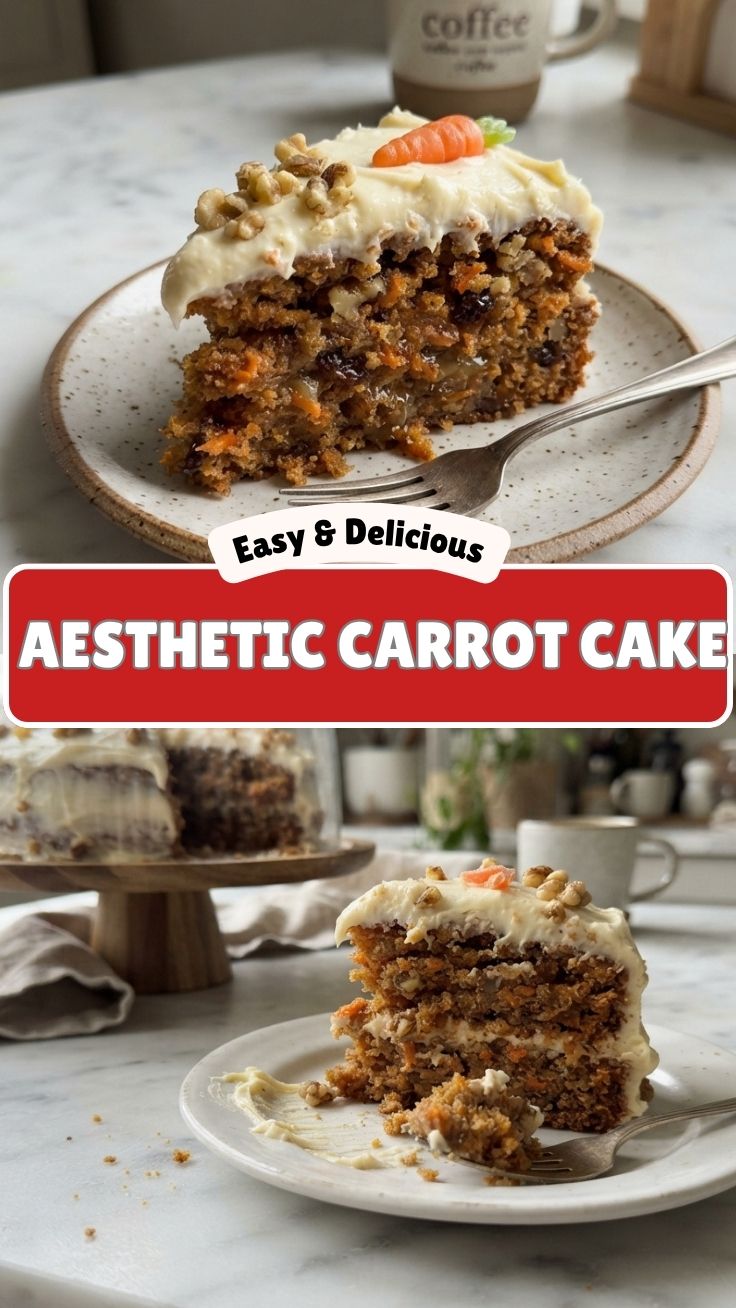
– Prep time: 20 minutes (grating carrots, measuring ingredients)
– Bake time: 30–35 minutes (for a 9×13 pan) or 25–30 minutes (for round layers)
– Cooling time: 1 hour in the pan, then 30 minutes on a rack
– Frosting time: 10 minutes to prepare, 15 minutes to apply
– Total time: approximately 2 hours 15 minutes
Plan ahead: The cake needs to be completely cool before frosting to prevent melting. If you’re short on time, bake the cake layers a day in advance, wrap them tightly in plastic wrap, and refrigerate. Frost the next day.
—
Step-by-Step Instructions
1. Preheat the oven to 350°F (175°C). Grease your baking pan(s) and line the bottom with parchment paper.
2. Whisk dry ingredients: In a large bowl, combine flour, baking powder, baking soda, cinnamon, nutmeg, and salt. Set aside.
3. Mix wet ingredients: In a separate bowl, whisk together granulated sugar, brown sugar, oil, eggs, and vanilla until smooth and slightly thickened.
4. Combine wet and dry: Fold the dry mixture into the wet mixture until just combined—do not overmix. Overworking the batter develops gluten and makes the cake dense.
5. Add carrots and extras: Gently fold in grated carrots, pineapple (if using), nuts, and raisins. The batter will be thick and chunky.
6. Pour and bake: Spread batter evenly into the prepared pan. Bake for 30–35 minutes, or until a toothpick inserted in the center comes out clean or with a few moist crumbs. The edges should pull away slightly from the pan.
7. Cool thoroughly: Let the cake cool in the pan for 10 minutes, then transfer to a wire rack to cool completely—at least 1 hour.
8. Make the frosting: Beat cream cheese and butter until creamy. Gradually add powdered sugar, vanilla, and salt; beat until smooth and spreadable. For a thicker frosting, add more sugar; for a tangier flavor, add a squeeze of lemon juice.
9. Frost the cake: Once the cake is completely cool, spread an even layer of frosting. For a naked cake look, use a thin layer; for a thick, rustic finish, pile it on.
10. Chill before serving: Refrigerate the frosted cake for at least 30 minutes to set the frosting. This step is crucial for clean slices.
Temperature tip: If your kitchen is warm, refrigerate the cake layers for 15 minutes before frosting. This prevents the frosting from sliding off.
Texture cue: The cake is done when the top springs back lightly when touched. If it sinks in the center, it may be underbaked.
Seasoning adjustment: Taste the batter before baking—if you prefer a stronger spice kick, add an extra ½ teaspoon of cinnamon.
Ingredient handling: Grate carrots directly before mixing to avoid them drying out. Pat them dry with a paper towel if they are very wet.
Now, at this stage, you’ve successfully followed a classic Carrot Cake approach that yields a tender crumb, and this Carrot Cake Recipe emphasizes the importance of not overmixing the batter.
—
Nutritional Benefits & Advantages
Carrot cake often gets a reputation as a “healthier” dessert, and for good reason. Carrots are rich in beta-carotene (converted to vitamin A), which supports eye health and immune function. The use of oil instead of butter provides unsaturated fats, and the inclusion of nuts adds omega-3s and protein. Pineapple contributes vitamin C and bromelain, an enzyme that aids digestion. When you make this cake at home, you can reduce the sugar by up to 25% without sacrificing taste—something commercial bakeries rarely do. One standard slice (1/12 of a 9×13 cake) contains approximately 380 calories, 18g fat, 52g carbs, and 5g protein. For a lighter version, swap half the oil for unsweetened applesauce, or use a sugar substitute like erythritol.
—
Tips, Variations & Cooking Advice
– Flavor variations: Add 1 teaspoon of ground ginger or cardamom for a warm, exotic twist. Fold in ½ cup of shredded coconut for texture.
– Ingredient swaps: Replace all-purpose flour with whole wheat pastry flour for a nuttier flavor and more fiber. Use Greek yogurt instead of oil for a lower-fat version (but note it will be slightly less moist).
– Dietary adaptations: For a dairy-free frosting, use vegan cream cheese and plant-based butter. For a gluten-free cake, use a 1:1 gluten-free flour blend that contains xanthan gum.
– Alternative cooking methods: Bake as cupcakes (18–20 minutes) or as a bundt cake (40–45 minutes). Adjust baking time accordingly.
– Portion changes: For a low-sugar version, reduce granulated sugar to ¾ cup and use stevia drops to taste. The texture will be slightly more tender.
—
Common Mistakes to Avoid
– Mistake 1: Overgrating the carrots. Grate on the fine side of a box grater, not the large shredding side. Large shreds create uneven texture and can cause the cake to fall apart.
– Mistake 2: Skipping the parchment paper. Carrot cake is sticky; without parchment, the bottom can burn or stick. Always line the pan.
– Mistake 3: Frosting a warm cake. Warm cake melts the frosting into a runny mess. Be patient—cool completely.
– Mistake 4: Overmixing the batter. Mix until the flour disappears. Overmixing develops gluten, resulting in a tough, rubbery cake.
– Mistake 5: Using “wet” carrots. If your carrots are particularly watery, blot them with a paper towel before adding to the batter. Excess moisture leads to a soggy center.
—
Storage & Meal Prep Tips
– Refrigeration: Store frosted carrot cake in an airtight container in the refrigerator for up to 5 days. The cream cheese frosting requires refrigeration.
– Freezing: Unfrosted cake layers can be wrapped tightly in plastic wrap and then foil, and frozen for up to 3 months. Thaw overnight in the refrigerator before frosting. Frosted cake can also be frozen (unwrapped first, then wrapped after 1 hour in the freezer) for up to 2 months.
– Reheating: For best texture, enjoy cold or at room temperature. If you prefer a warm slice, microwave individual pieces for 10–15 seconds—but note that the frosting will soften.
– Meal prep: Bake the cake layers on a Sunday, refrigerate unfrosted, and frost the day you plan to serve. This saves time and ensures ultimate freshness.
—
Conclusion
Homemade carrot cake is a celebration of simple, wholesome ingredients transformed into a decadent dessert. By following this guide, you’ve learned how to achieve a moist, spiced crumb and a silky cream cheese frosting that perfectly complements the natural sweetness of carrots. Whether you’re baking for a birthday, a holiday gathering, or just a weekend treat, this Carrot Cake will earn rave reviews. And because you now have a reliable Carrot Cake Recipe in your repertoire, you can experiment with variations and share your own twist on the classic. I encourage you to try this recipe, snap a photo of your creation, and share your results in the comments below. Happy baking!
—
FAQs
1. Can I substitute the oil with applesauce?
Yes, replace up to half the oil with unsweetened applesauce for a lower-fat version. The cake will be slightly less tender but still moist.
2. Why did my cake sink in the middle?
This usually happens if the oven door is opened too early (before 25 minutes) or if the baking powder is old. Ensure your leavening agents are fresh and avoid opening the oven during the first 20 minutes.
3. How do I make the frosting less sweet?
Reduce the powdered sugar to 2 cups, or use a combination of powdered sugar and a pinch of salt. You can also add 1 tablespoon of lemon juice to cut the sweetness.
4. Can I make this cake ahead of time?
Absolutely. Bake the cake layers up to 2 days in advance, wrap tightly, and refrigerate. Frost the day of serving. The cake also freezes beautifully (see storage tips).
5. Why is my carrot cake dense?
Possible causes: overmixing the batter, overbaking, or using too much flour. Measure flour correctly (spoon and level, don’t scoop) and stop mixing once the dry ingredients are incorporated.
Quick way to grow perfect Carrot Cake in 7 easy steps
Ingredients
Equipment
Method
- Preheat your oven to 350°F (175°C) and grease and flour a 9x13 inch baking pan.
- In a large bowl, whisk together the flour, sugar, baking soda, cinnamon, and salt.
- In a separate bowl, beat the eggs, oil, and vanilla extract until well combined.
- Gradually add the wet ingredients to the dry ingredients, mixing until just combined, then fold in the grated carrots.
- Pour the batter into the prepared baking pan and bake for 40-50 minutes, or until a wooden skewer inserted into the center comes out clean.
- While the cake cools, beat the softened cream cheese and butter until smooth, then gradually add the powdered sugar and vanilla extract until creamy.
- Once the cake is completely cool, spread the cream cheese frosting evenly over the top.