The Ultimate Guide to Perfect Garlic Butter Shrimp at Home
Have you ever wondered why restaurant-quality Garlic Butter Shrimp always tastes more luxurious than what you make at home? The secret isn’t expensive ingredients—it’s technique. This succulent, buttery dish is a cornerstone of classic Seafood Recipes, yet many home cooks struggle with rubbery textures or a greasy, unbalanced sauce. By understanding a few key principles, you can elevate this quick weeknight dinner into a memorable meal that rivals any coastal restaurant. Let’s dive into the science and art behind the perfect pan-seared shrimp.
Ingredients & Kitchen Tools
Ingredients (Serves 3–4)
– 1 lb large raw shrimp (16–20 count) – Fresh or frozen (thawed). Deveined and peeled with tails on for flavor, or off for easy eating.
– 4 tbsp unsalted butter – Salted butter can be used, but reduce added salt.
– 6 cloves garlic, minced – Fresh is non-negotiable; pre-minced lacks pungency.
– 2 tbsp olive oil – Raises the smoke point and prevents butter from burning.
– 1 tbsp fresh lemon juice – Adds brightness.
– ½ tsp red pepper flakes – Adjust to taste; optional for heat.
– Salt and black pepper – Seasoning foundation.
– 2 tbsp fresh parsley, chopped – For garnish and freshness.
Optional substitutions: Shrimp can be swapped for scallops or chicken. Vegan version: use plant-based butter and king oyster mushrooms.
Kitchen Tools
– Large stainless steel or cast-iron skillet – Even heat distribution.
– Tongs – Gentle handling.
– Garlic press (optional) – Saves time but mincing by hand releases more oils.
– Instant-read thermometer – Shrimp is done at 120°F–130°F.
Prep Time & Cooking Schedule
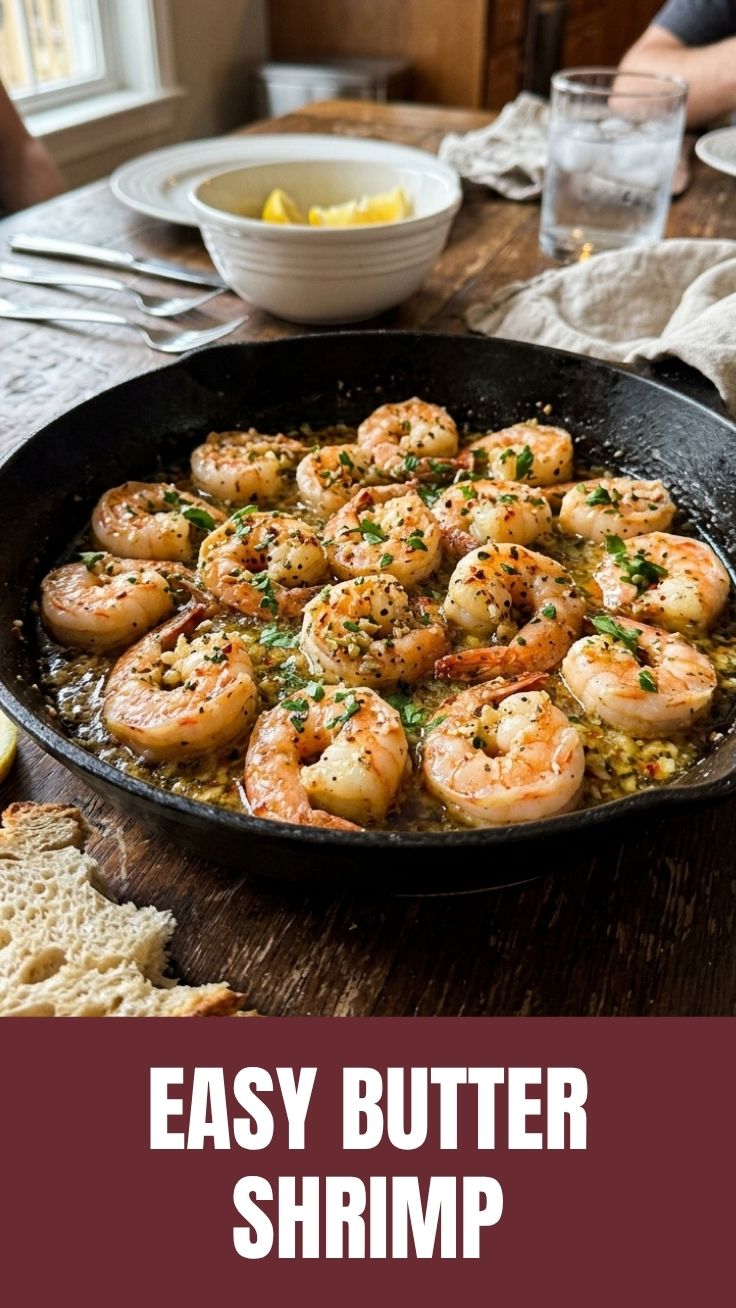
Total time: 12–15 minutes
– Prep time: 5 minutes (thawing, peeling, mincing garlic)
– Cook time: 5–7 minutes
– Resting time: 2 minutes (critical for carryover cooking)
Planning tip: If using frozen shrimp, thaw overnight in the refrigerator or place in a colander under cold running water for 10–15 minutes. Pat shrimp very dry with paper towels before cooking—moisture is the enemy of browning.
Step-by-Step Instructions
1. Pat shrimp completely dry between paper towels. Season evenly with ¼ tsp salt and ⅛ tsp black pepper.
2. Heat olive oil in a large skillet over medium-high heat until shimmering (about 2 minutes). The oil should ripple when you tilt the pan.
3. Sear shrimp in a single layer for 60–90 seconds per side. Look for a golden-brown crust and the shrimp curling into a “C” shape. Overcooking makes them rubbery. Remove to a plate; they will continue cooking off the heat.
4. Reduce heat to medium-low. Add butter and let melt completely, then stir in garlic and red pepper flakes. Cook for 30 seconds until fragrant—do not let garlic brown.
5. Return shrimp to the pan, pour in lemon juice, and toss to coat in the garlic butter sauce for 30 seconds.
6. Spoon sauce over shrimp generously, garnish with parsley, and serve immediately.
When preparing this Garlic Butter Shrimp, maintain a hot pan for searing but a low flame for the sauce. This technique is foundational in many Seafood Recipes where delicate proteins meet rich emulsions.
Nutritional Benefits & Advantages
Shrimp is a lean protein powerhouse: a 3-ounce serving provides 20g of protein with only 84 calories. It’s rich in selenium (an antioxidant), vitamin B12, and iodine—crucial for thyroid function and metabolism. The garlic offers allicin, known for anti-inflammatory and immune-boosting properties. Butter provides fat-soluble vitamins A, D, E, and K2, which aid in nutrient absorption. Compared to fried seafood options, this skillet method reduces added fat while maximizing flavor through browning, not breading. This dish is naturally low-carb, keto-friendly, and gluten-free.
Tips Variations & Cooking Advice
Flavor variations:
– Cajun-style: Add 1 tsp Cajun seasoning with the garlic.
– Lemon-herb: Add 1 tsp dried oregano and ½ tsp thyme.
– Spicy coconut: Replace butter with coconut oil, add ½ cup coconut milk and 1 tbsp lime juice.
Cooking alternatives:
– Air fryer: Toss seasoned shrimp with 1 tbsp oil and cook at 400°F for 4–5 minutes, then finish with melted garlic butter.
– Grill: Thread onto skewers and grill over high heat for 2 minutes per side.
Dietary adaptations: For dairy-free, use ghee (clarified butter) or a high-quality plant-based butter. For extra richness, add 1 tbsp tomato paste to the butter before returning shrimp—this creates a faux bisque effect.
Common Mistakes to Avoid
1. Overcrowding the pan – This lowers temperature and steams the shrimp instead of searing. Use a large skillet and cook in two batches if needed.
2. Using pre-peeled, deveined shrimp labeled “EZ peel” – These are often treated with sodium phosphate, which makes them overly salty and mushy. Buy raw shrimp and peel them yourself.
3. Burning the garlic – Garlic cooks in seconds; add it to the pan only after butter melts and heat is reduced to medium-low.
4. Skipping the drying step – Any surface moisture prevents browning. Pat shrimp thoroughly before seasoning.
5. Overcooking – Shrimp cooks in 2–3 minutes total. Remove from heat as soon as it turns opaque and curls into a loose “C.” A tight “O” means it’s overdone.
Storage & Meal Prep Tips
Refrigeration: Store in an airtight container for up to 2 days. The shrimp will continue to soften slightly but remain safe. Do not freeze after cooking—texture degrades significantly upon thawing.
Reheating: Place in a skillet with 1 tbsp extra butter over medium-low heat for 2–3 minutes, tossing occasionally. Microwave at 50% power in 30-second bursts to avoid rubberiness. If sauce has thickened, add a splash of water or broth.
Meal prep: Prepare the garlic butter and raw seasoned shrimp separately. Combine and cook only when ready to serve. Pre-chopped garlic and parsley can be stored for up to 4 days in the refrigerator.
Conclusion
Mastering this quick yet elegant dish transforms your weeknight cooking. The keys are simple: high heat for searing, gentle heat for the sauce, and exact timing. Whether you’re serving over creamy polenta, crusty bread, or pasta, this Garlic Butter Shrimp delivers restaurant flair in under 15 minutes. It’s also a brilliant entry point into broader Seafood Recipes, teaching you temperature control and flavor layering that apply to scallops, fish, and beyond. Try this recipe tonight, share your results, and explore more bold, buttery creations in our dedicated collection.
FAQs
1. Can I use frozen shrimp without thawing?
Yes, but only if you add 2–3 minutes to the searing time and pat off excess moisture. Expect slightly less browning. Never fully thaw in the microwave—it causes uneven cooking.
2. What’s the best shrimp size for this recipe?
Large (16–20 count) or jumbo (10–15 count) work best. Smaller shrimp cook too quickly and may become tough. Always devein shrimp yourself for the cleanest flavor.
3. How do I prevent the butter from burning?
Use clarified butter or mix olive oil with the butter. Clarified butter has a higher smoke point (450°F vs. 350°F for regular). Also, add garlic and butter together at medium-low heat.
4. Can I substitute shrimp for another protein?
Absolutely. This technique works beautifully with bay scallops (1 minute per side), cubed chicken thigh (3–4 minutes per side), or firm white fish like cod (2 minutes per side). Adjust cooking times accordingly.
5. Why is my garlic sauce grainy or separated?
If garlic is minced too large or cooked at too high heat, it will burn and form bitter, gritty pieces. Always mince garlic very finely and cook gently. Separated sauce can be fixed by whisking in 1 tbsp cold water or cream.
Quick way to grow. Garlic Butter Shrimp
Ingredients
Equipment
Method
- Pat the shrimp dry with paper towels and season with salt and pepper.
- Melt butter in a large skillet over medium heat, then add minced garlic and cook for about 1 minute until fragrant.
- Add the seasoned shrimp to the skillet and cook for 2-3 minutes per side, or until pink and opaque.
- Stir in fresh lemon juice and chopped parsley, then toss everything together to combine.
- Serve immediately, optionally garnished with extra parsley.