The Ultimate Guide to Making Restaurant-Quality Blackened Salmon at Home
Have you ever wondered why the blackened salmon you order at a restaurant tastes so much better than your attempts at home? The secret isn’t just in the seasoning—it’s in the technique, temperature control, and understanding how the magic of blackening actually works. Preparing this iconic dish at home is not only more affordable but also gives you complete control over ingredients, spice levels, and cooking methods. Whether you’re a seasoned home cook or a beginner looking to impress, mastering the art of blackened salmon will elevate your weeknight dinners and special occasions alike. This bold, smoky, and deeply flavorful dish comes together in under 30 minutes, making it an invaluable addition to your culinary repertoire. Let’s dive into everything you need to know to achieve that perfect, charred crust with a tender, flaky interior every single time.
Ingredients & Kitchen Tools
For the Blackened Seasoning (make your own or use store-bought):
– 2 tablespoons paprika (preferably smoked for depth)
– 1 tablespoon garlic powder
– 1 tablespoon onion powder
– 1 teaspoon cayenne pepper (adjust for heat preference)
– 1 teaspoon dried thyme
– 1 teaspoon dried oregano
– 1 teaspoon black pepper
– 1 teaspoon white pepper (adds subtle heat without color)
– 1 teaspoon salt (kosher or sea salt preferred)
– ½ teaspoon dried basil
For the Salmon:
– 4 (6-ounce) salmon fillets (skin-on or skinless—skin-on helps prevent overcooking)
– 2 tablespoons unsalted butter (for cooking; ghee or avocado oil work too)
– 1 tablespoon olive oil (to prevent butter from burning)
Kitchen Tools:
– Cast iron skillet (essential for high-heat searing; the heavier, the better)
– Fish spatula (thin, slotted metal spatula for easy flipping)
– Instant-read thermometer (target 125°F for medium)
– Paper towels (for patting salmon dry)
– Mixing bowl (for seasoning blend)
– Tongs
Optional Substitutions:
– Swap butter for vegan butter or coconut oil for dairy-free
– Use gluten-free spices if you have celiac concerns
– Substitute Alaskan cod or halibut for a milder fish
Prep Time & Cooking Schedule
– Prep Time: 10 minutes
– Seasoning Rest Time: 5–10 minutes (allows flavors to penetrate)
– Cook Time: 6–8 minutes total (3–4 minutes per side)
– Resting Time: 3–5 minutes after cooking (critical for juiciness)
– Total Time: 20–25 minutes
Planning Tip: The salmon can sit with the seasoning for up to 30 minutes at room temperature if you need to prep sides simultaneously. This dish moves quickly, so have all your ingredients and sides ready before you turn on the heat. The high cooking temperature means you won’t have time to search for a tool mid-cook.
Step-by-Step Instructions
1. Prepare Your Seasoning Blend
In a small bowl, combine all your blackening spices. This recipe makes about ¼ cup—enough for 4 large fillets with some left over. The key to an authentic blackened salmon is a seasoning that’s heavy on paprika and light on salt, allowing the natural fish flavor to shine.
2. Prep the Salmon
Pat each salmon fillet completely dry with paper towels—moisture is the enemy of a good crust. Brush each fillet lightly with olive oil, then generously coat both sides with the seasoning blend. Press the seasoning firmly into the flesh. Let rest for 5–10 minutes while your skillet heats.
3. Heat Your Skillet
Place a cast iron skillet over medium-high to high heat for at least 3 minutes. You want it screaming hot—a drop of water should sizzle and evaporate instantly. Add the butter and let it melt until it’s foaming but not browned.
4. Sear the Salmon
Gently lay the fillets in the skillet, presentation side down (the side you want facing up when serving). Press down gently with a spatula for 5 seconds to ensure full contact. Cook for 3–4 minutes without moving the fish. You’ll see the edges turning dark and the crust forming. The seasoning will look almost black—this is correct and desirable.
5. Flip and Finish
Using your fish spatula, carefully flip each fillet. Cook for another 3–4 minutes for medium doneness. The internal temperature should read 125°F at the thickest part. If you prefer a more well-done fish (not recommended for optimal texture), cook to 135°F.
6. Rest and Serve
Transfer salmon to a plate and let rest for 3–5 minutes. This allows juices to redistribute. Don’t skip this step! While resting, you can deglaze the pan with a splash of lemon juice or white wine for a quick pan sauce.
Pro Tip: For a truly authentic Cajun Salmon experience, add a drizzle of lemon-butter sauce over the finished fish. The acidity cuts through the richness perfectly.
Nutritional Benefits & Advantages
Blackened salmon isn’t just delicious—it’s a nutritional powerhouse. A single 6-ounce serving provides:
– 35–40 grams of complete protein (all essential amino acids)
– Omega-3 fatty acids (2–3 grams, supporting heart and brain health)
– Vitamin D (over 100% of daily needs)
– Selenium (antioxidant mineral supporting thyroid function)
– B vitamins (B12, B6, niacin for energy metabolism)
The blackening process requires minimal added fat compared to frying, and the high heat actually helps retain nutrients by reducing cooking time. Pairing this dish with leafy greens and whole grains creates a balanced, anti-inflammatory meal. The spice blend itself contains capsaicin from cayenne (metabolism-boosting) and antioxidants from paprika and oregano.
Tips Variations & Cooking Advice
Flavor Variations:
– Lemon-Pepper Blackened Salmon: Add 1 tablespoon lemon zest to the seasoning and serve with fresh lemon wedges
– Herb-Infused: Mix fresh dill or parsley into the butter before cooking
– Smoky Chipotle: Add 1 teaspoon chipotle powder for deeper heat
Cooking Method Alternatives:
– Grill: Cook over direct high heat for 4 minutes per side (use a grill basket for smaller fillets)
– Air Fryer: Cook at 400°F for 8–10 minutes, flipping halfway
– Oven Broil: Place on a foil-lined baking sheet 4 inches from the broiler; cook 5–6 minutes per side
Dietary Adaptations:
– Dairy-Free: Use ghee or avocado oil instead of butter
– Low-Sodium: Reduce salt to ½ teaspoon and add extra black pepper
– Gluten-Free: This recipe is naturally gluten-free, but check store-bought seasonings
Portion Tips:
– For meal prep, cook fillets individually and portion with rice and vegetables
– Double the recipe for parties; the seasoning multiplies easily
Common Mistakes to Avoid
1. Using cold salmon: Always bring salmon to room temperature (20 minutes out of the fridge) for even cooking.
2. Overcrowding the pan: Leave at least 1 inch between fillets. If the pan is too crowded, the fish steams instead of sears.
3. Skimping on seasoning: The crust should be thick enough to fully cover the fish. Don’t be shy—use it all.
4. Flipping too early: Wait until the crust is fully formed and releases easily from the pan. If it sticks, it’s not ready.
5. Cooking on too low heat: The pan must be HOT. Low heat won’t create the signature black crust and will result in dry, overcooked fish.
6. Not resting the fish: Cutting into salmon immediately causes juices to run out, leaving it dry.
Storage & Meal Prep Tips
Refrigeration: Store cooked blackened salmon in an airtight container for up to 3 days. The flavor actually melds and intensifies overnight, making leftovers delicious cold on salads.
Freezing: Wrap individual fillets tightly in plastic wrap, then foil. Freeze for up to 3 months. Note: The crust may soften slightly upon reheating.
Reheating (to maintain crispness):
– Oven: Preheat to 350°F, place salmon on a wire rack over a baking sheet, heat for 8–10 minutes
– Air Fryer: Reheat at 350°F for 4–5 minutes (best method for crispness)
– Stovetop: Reheat in a dry skillet over medium heat for 2 minutes per side
– Avoid microwave (makes the crust soggy and fish rubbery)
Meal Prep Idea: Make the seasoning blend up to 2 months in advance. Store in an airtight jar in a cool, dark place. Then cook 4 fillets on Sunday and use them throughout the week in salads, grain bowls, or tacos.
Conclusion
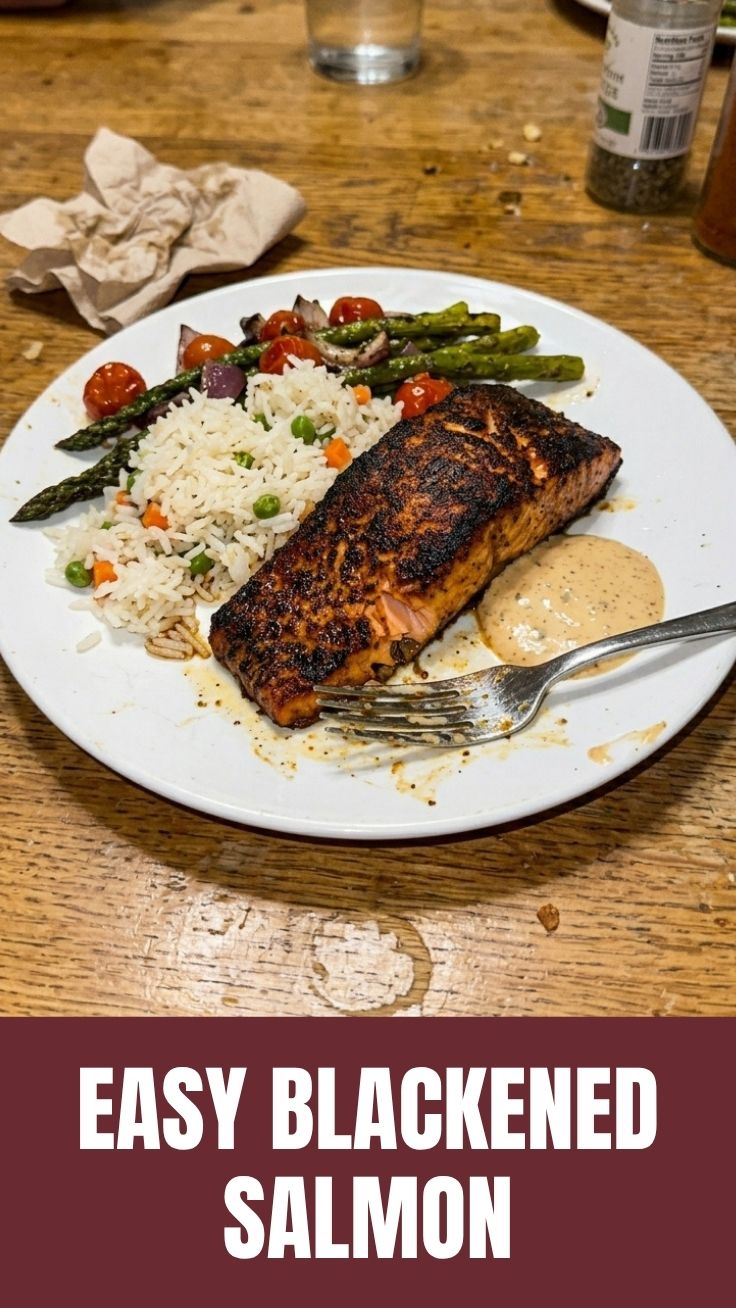
Mastering blackened salmon at home is about understanding the balance between high heat, proper seasoning, and timing. The key takeaways are simple: pat your fish dry, use a screaming hot cast iron pan, don’t skimp on the spices, and let the salmon rest after cooking. This recipe proves that restaurant-quality seafood is achievable in your own kitchen with just a few basic techniques. Whether you’re serving this Cajun Salmon alongside creamy grits, a fresh garden salad, or simple roasted vegetables, the bold, smoky flavor will make any meal feel special. Try this method tonight and discover why blackening remains one of the most beloved ways to prepare salmon. We’d love to hear how it turns out—share your results in the comments below!
FAQs
Q: Can I use frozen salmon for this recipe?
A: Yes, but thaw completely in the refrigerator overnight and pat very dry. Frozen salmon releases more moisture during cooking, so expect a slightly less crispy crust.
Q: My seasoning burns before the fish is cooked. What went wrong?
A: Your pan may be too hot, or you’re not using enough oil. Reduce heat to medium-high and ensure the butter/oil mixture is foaming but not smoking before adding fish. Also, make sure your seasoning doesn’t contain sugar, which burns quickly.
Q: Can I make this with skin-on salmon?
A: Absolutely! Cook skin-side up first (presentation side), then flip to crisp the skin. The skin protects the flesh from overcooking and adds a delicious crispy texture.
Q: How do I know when it’s done without a thermometer?
A: Look for the fish to become opaque and flake easily with a fork. The center should still be slightly translucent for medium. The internal temperature method is most reliable.
Q: Can I use the same seasoning for chicken or shrimp?
A: Yes! This blackening seasoning works beautifully on chicken thighs, shrimp, scallops, and even tofu. Adjust cooking times accordingly (shrimp takes just 2–3 minutes total).
—
Ready to take your blackened salmon game to the next level? Pair it with our [Creamy Cajun Grits](https://example.com) or [Cilantro Lime Rice](https://example.com) for a complete Southern-inspired meal.
Proven Way to Grow a Perfect Blackened Salmon Meal
Ingredients
Equipment
Method
- Pat the salmon fillets dry with paper towels to ensure a crispy crust during cooking.
- In a small bowl, combine smoked paprika, garlic powder, onion powder, cayenne pepper, dried thyme, black pepper, and salt.
- Rub each salmon fillet generously with the spice mixture, ensuring an even coating.
- Heat olive oil in a large cast-iron skillet over medium-high heat until shimmering.
- Carefully place the salmon fillets skin-side up in the hot skillet and cook for 3-5 minutes until a dark crust forms.
- Flip the salmon and cook for another 3-5 minutes, or until cooked through and easily flakes with a fork.
- Serve the blackened salmon immediately with your favorite sides, such as roasted vegetables or a fresh salad.